




Best Pot Size for Autoflowering Seeds


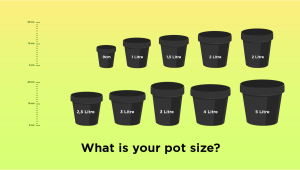
- 1. What to consider before planting
- 1. a. 1-4 large-sized plants (10-15 liters / 2.65-4 gallons)
- 1. b. 6-10 smaller plants (6.5-8.5 liters / 1.72-2.25 gallons)
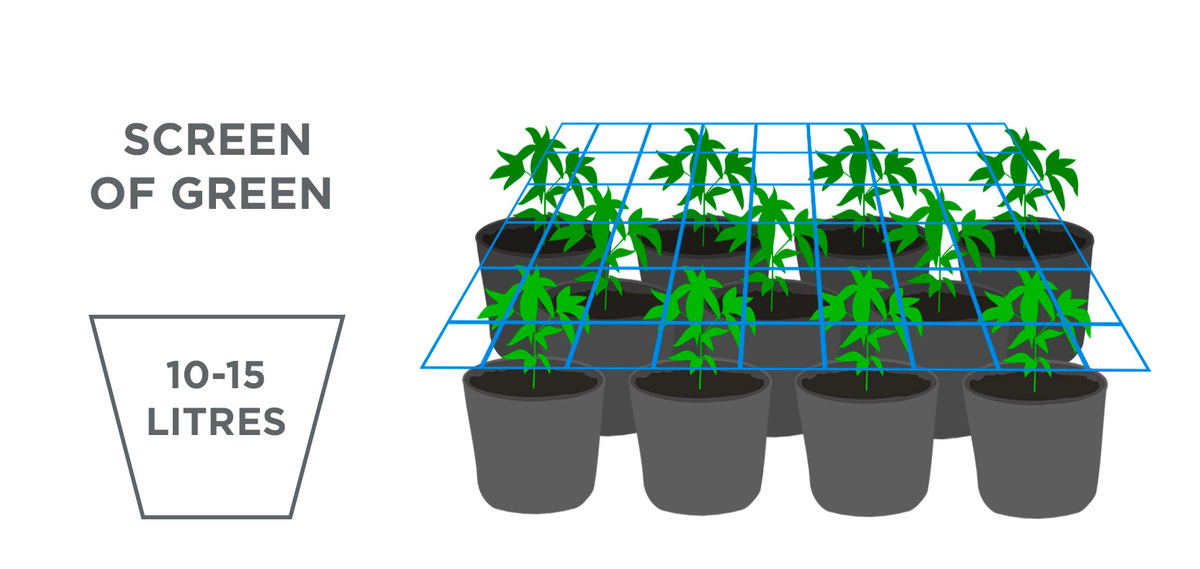
- 1. c. Screen of green (10-15 liters / 2.65-4 gallons)
- 1. d. Using custom soil beds
- 2. It's all about the roots
- 3. The importance of drainage when growing autos
- 4. Which pots are best?
- 5. Plant directly in the pot you plan to harvest from
- 6. Expert opinion by jorge cervantes - co-author:
- 7. Top tips on choosing the best size pot for cannabis
- 8. What is the best growing medium for autoflowering cannabis?
- 9. In conclusion
Preface
Cultivating cannabis seeds is an enticing adventure for both beginners and experienced growers. From the water’s pH levels, to the storage of the seeds and the choice of the right pot for your plant, you’re going to discover the best setups for your growing chamber in no time. To help you in your journey, Sean Prana analyses the best pots for cannabis cultivation, starting from size, depth, and the best tips on how to use pots.
Let’s dive into this comprehensive guide where we’ll discover that not all pots are made the same, find what pots are the best option for Screen of Green configurations, and what are the best soils and mediums to use to help the roots grow healthy and strong.
1. What To Consider Before Planting
Luckily, most growers have a range of options when it comes to transplanting the seedlings from their germination cell. Autoflowering cannabis is well-known for its versatility and sturdiness so whether you choose a SCROG configuration, grow a larger plant, or smaller plants all together, there’s a documented option for any preference. Now, let’s answer the question: What’s the best size for growing cannabis?
1-4 Large-Sized Plants (10-15 liters / 2.65-4 gallons)
Growing larger plants (sized 1 - 4), will require you to use larger pots of around 10 to 15L. As a good rule of thumb, the bigger the pot, the bigger the plant will get around harvesting time. These sizes are not ideal for limited spaces.
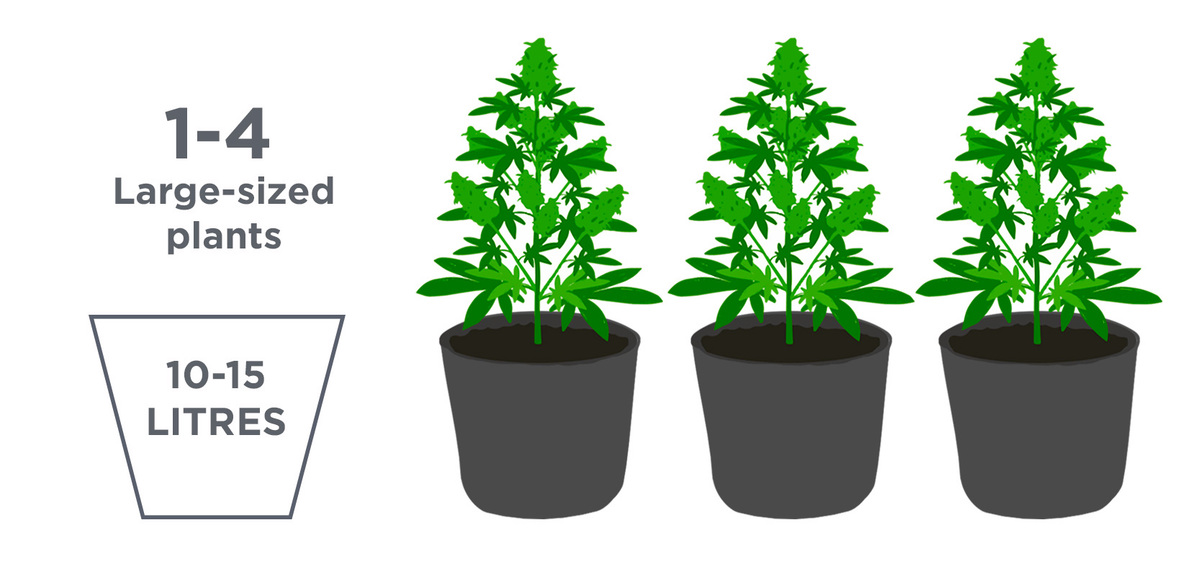
Autoflowering seeds, and later plants, don’t need big containers to grow, at least not bigger than 15L. This is because a considerable amount of the medium won’t be used by the roots in comparison to using a 10L pot.
6-10 Smaller Plants (6.5-8.5 liters / 1.72-2.25 gallons)
Cultivating autoflowering Cannabis in a Sea of Green setup, using the right cultivar can reward a grower with great returns. The smaller pots of 6.5 to 8.5L will prioritise space use, and create a more compact look of the growing chamber.
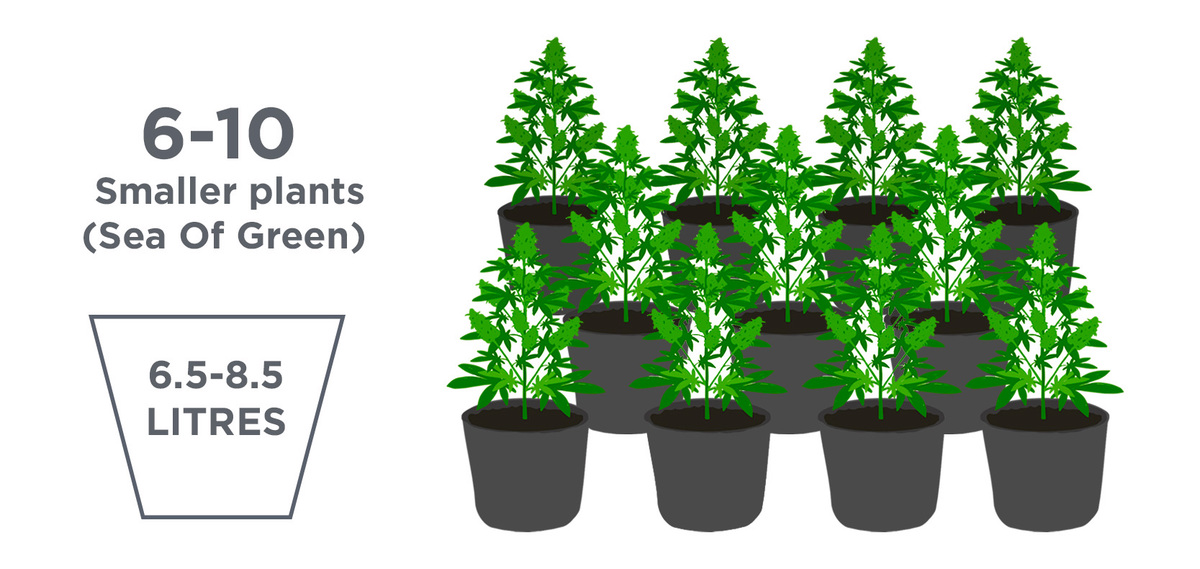
Smaller pots will result in smaller plants. However, you will be compensated by the higher number of plants, along with the ease of dealing with the plants.
Screen Of Green (10-15 liters / 2.65-4 gallons)
For the more adventurous grower skilled in-plant training, using a screen to grow your auto-flowering plants through has advantages when increasing yields. However, the screen may limit the mobility of your plants as they will be built into a net frame.
Using Custom Soil Beds
Another alternative if you prefer not to use mobile plant pots, is to plant directly into the ground. Preferably an organic soil bed that has been specially created for cultivating autoflowering Cannabis and is teaming with microbial life.
2. It's All About The Roots
In the gardening world there is a saying that the bigger the roots then the bigger the fruits, although when discussing autoflowering Cannabis, the root growth is somewhat limited. It is during the first 3-4 weeks that auto-flowering plants will use up Nitrogen, Phosphorus, and Potassium to aid the development of photosynthesis, chlorophyll production, and anchoring of a well-established root zone into the medium.
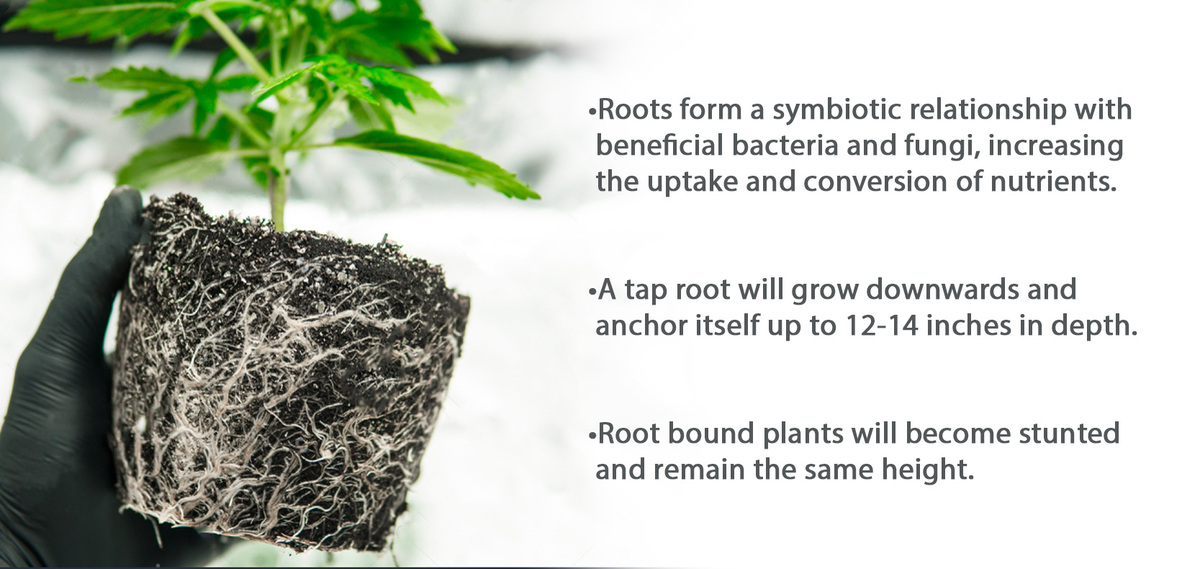
It is the root zone that is responsible for the uptake and distribution of nutrients, minerals, and the distribution of growth hormone to the rest of the plant pathways. How deep and wide the root zone is will make a huge difference in what is occurring above the soil.
3. The Importance of Drainage When Growing Autos
There are a number of qualities your pots should have, and the most basic yet often overlooked is drainage. How well your plants can drain, promoting air exchange through the root zone, and allowing the medium to dry out, will play a big role in the growth and development of the cultivar. Hydroton is small clay balls that are a bright orange color. Traditionally used in landscape gardening, and recirculating hydroponic systems, these nutrient-free and totally inert expanded clay balls work wonders to allow water to freely pass through.
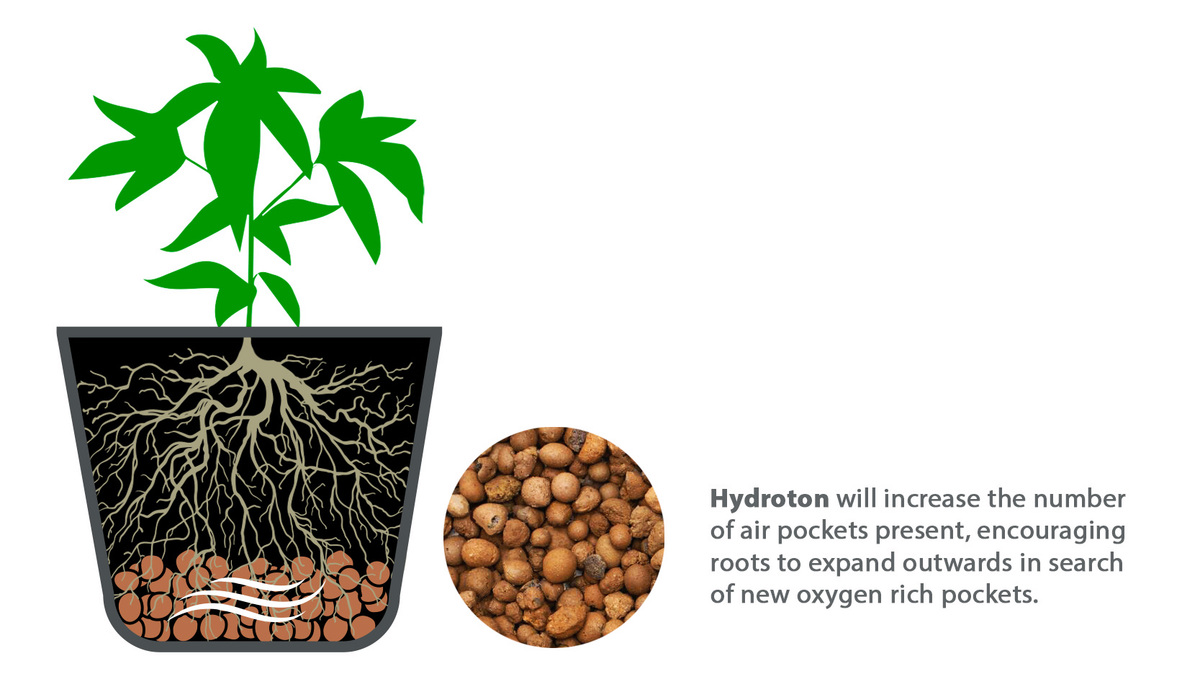
Paired with coco coir at a 50/50 ratio or used to line the bottom 1-2 inches of your pots, hydroton will increase the number of air pockets present, encouraging roots to expand outwards in search of new oxygen-rich pockets. Inadequate drainage will cause the growing medium to become waterlogged, over time reducing the oxygen around the roots. Not only will roots suffer when this occurs, but nutrient uptake and transpiration will also temporarily cease until the preferred conditions are met.
4. Which Pots Are Best?
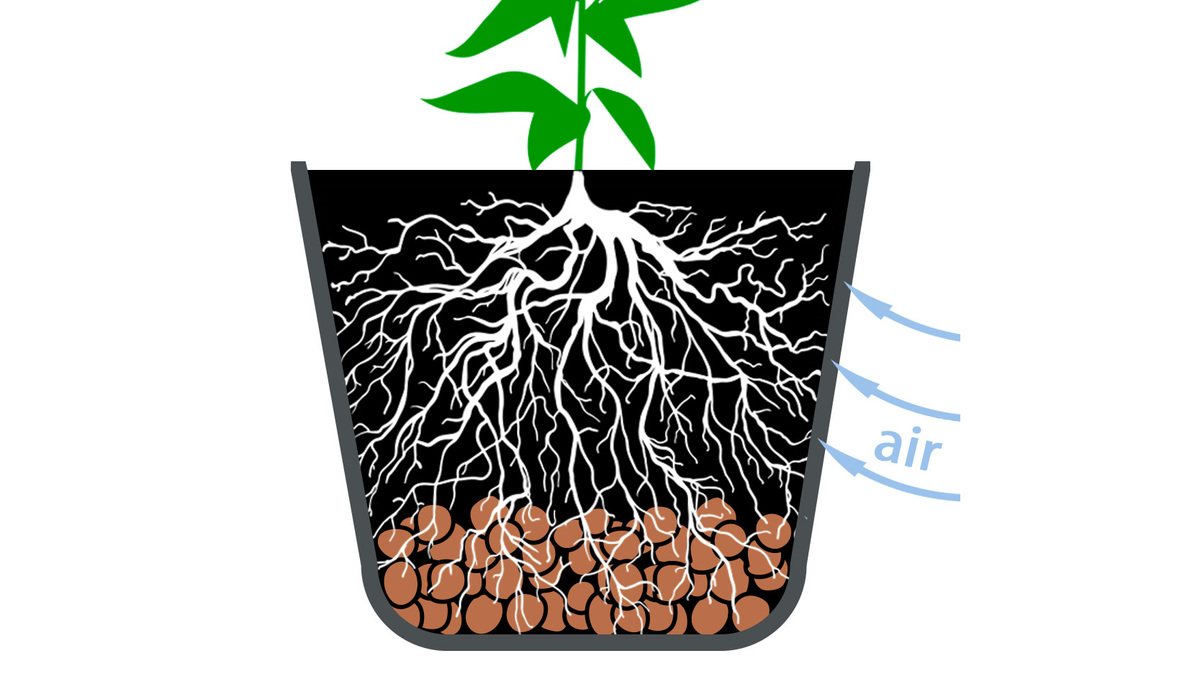
One of the most beneficial types of pots for growing autoflowering cannabis are the fabric pots. Besides being a great ecologic option, the material is easily washed, can be reused multiple times and promotes pruning. Just as topping is highly beneficial for the cannabis plant and promotes the development of two crowns, the pruning of the roots will encourage the doubling of the roots. Thanks to the material that permits direct contact with air, once the roots travel near the margins of the pot and receive access to air, they’ll form new root hairs. The new hairs will travel back into the medium, and start all over again with the same process.
Good to know:
- Roots from plastic containers might be of inferior quality in comparison to root pruning.
- Felt containers decrease the possibility of root-bound plants with stunted growth.
- Fabric pots are customizable in size and can be reused a number of times after cleaning and washing.
Autoflowering cannabis plants can fit in any other pot size, however, air pots or fabric pots have the advantage of natural root pruning. This phenomenon happens similarly as it would in nature, thus diminishing any changes of root-bound.
These types of pots are more of an investment in terms of prices. Although they’re more expensive than usual plastic pots, the long term beneficial effects can be noticed from the first plants.
5. Plant Directly in the Pot You Plan to Harvest From
Autoflowering cannabis strains are fantastic. They offer huge advantages in many ways over photoperiod cannabis plants - smaller overall size for extra discreetness, much simpler lighting demands meaning they can be grown all year round outdoors and easier perpetual harvest routines, higher resilience against pests and diseases, smaller feeding demands, and all still with bumper yields in shorter periods.
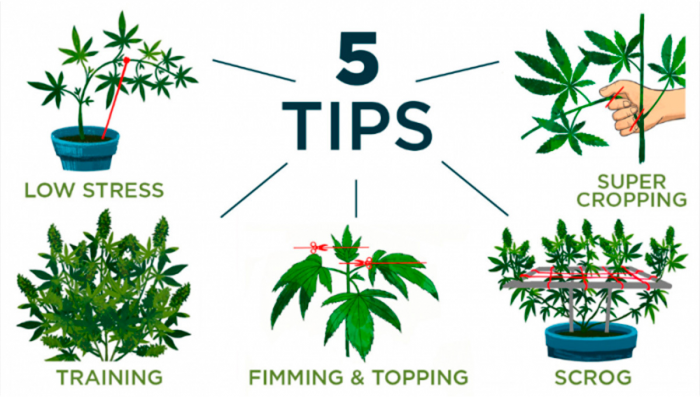
But, they do come with one pretty obvious downside (depending on how you like to grow). They really can’t handle stress or training in the same way as photoperiod plants. This is due to the fact that thanks to the inbuilt genetic timer that all autos carry, they simply do not have the time to recover before the flowering stage of growth begins. Any sort of stress or training that your plants undergo causes a pause in the vegetative growth while the plant recovers. This pause could last anywhere from about 4 days to a week and a half, depending on the overall health of the plant and how heavy the stress imparted upon it is.
One of the huge upsides of autoflowering cannabis plants is the short lifecycle. Depending on the strain (and to some respect, the phenotype - variances within a strain) they usually take less than 10 weeks from seed to harvest. And with today’s genetics, they still offer plus 25% THC and huge yields. Amazing, right? But, this means that autos usually have less than a month of vegetative growth before they automatically switch over to the flowering period. Stressing or training a plant should always be done during the vegetative growth stage so you do not stunt the flowering growth. This is fine with photoperiod plants, as you can simply extend the veg growth period by keeping the lights at 18/6. Not the case with autos.
To combat this, you need to give your auto girls the best chance of hitting their full potential. Every time you transplant a cannabis plant you put her under stress, which will definitely stunt the growth for at least a few days. To counter this all you have to do is plant directly into the container you plan to harvest from. This gives your autos the best chance at reaching their full potential. Now, this is a generalization. For sure, there are some autoflowering strains that can deal better with training and stress. If you love experimenting with different training techniques and pot sizings then we suggest that you stick with the larger autos in our collection. Sativa-dominant strains usually run a little longer than their Indica sisters, and this means you have a little more time to play.
6. Expert Opinion by Jorge Cervantes - Co-Author:
In the vibrant world of cannabis cultivation, the devil is often in the details, and Sean Prana’s article on selecting the best container size for autoflowering seeds elegantly encapsulates this sentiment. The article is a thorough, well-structured guide that navigates through the intricacies of container sizes and their impact on the cultivation of autoflowering cannabis, a topic that is often overlooked yet paramount in its importance.
Sean’s approach to explaining the various considerations and variables in choosing a container size is commendable. His insights into the different scenarios and setups, from large-sized plants to smaller plants in a Sea of Green setup, provide growers with a comprehensive understanding, allowing them to make informed decisions tailored to their specific garden needs. Furthermore, his exploration of alternative methods and growing mediums, such as using custom soil beds and coco-coir, adds a layer of depth to the article, showcasing the myriad of possibilities available to growers.
The emphasis on the importance of the root zone and drainage is particularly noteworthy. These aspects are often neglected, yet they play a pivotal role in ensuring the optimal growth and health of the plants. Sean’s detailed exploration of these aspects, from explaining the role of the root zone in nutrient uptake and distribution to highlighting the significance of proper drainage, provides readers with essential knowledge that can significantly impact their cultivation journey.
In conclusion, Sean Prana’s article is an excellent resource that combines detailed information with practical insights, providing a comprehensive guide on selecting the best container size for autoflowering seeds. His expertise and thorough exploration of the subject matter make the article a valuable resource for cultivators, ensuring that they are well-equipped with the knowledge to make informed decisions that will optimize the growth and yield of their plants.
7. Top Tips On Choosing The Best Size Pot For Cannabis
1. Decide in advance based on your space what format of growing, works to your advantage. If 1-4 large-sized plants are more practical, or if a Sea of Green has more advantages.
2. No matter if you are choosing plastic or felt, make sure the pots have been totally cleaned and sterilized to the best of your ability. Especially if re-using the container for a second or third run.
3. Lots of smaller-sized plants will yield the same amount as fewer large-sized plants, so do not be tricked into thinking a Sea of Green is not advantageous or worthwhile.
4. Do not use more than 15 liters (4 gallons) of medium per auto-flowering plant. It is best to work with sizes 6.5-15 liter (1.7-4 gallons) depending on the chosen style of growing, the cultivar, and the climate you are living in.
5. If you have a sewing machine, ordering a large roll of thick felt will allow you to customize your own pots, making them the exact size and shape you prefer.
6. Adding a bottom layer of hydroton clay balls at the base of your pots will improve drainage and the exchange of oxygen around the root zone.

8. What is The Best Growing Medium for Autoflowering Cannabis?
So, we have run through the best container sizes for autos. And we've gone over the best types of pots. Now, let’s see what’s the best filling for the best filling. Based on our experience, coco-coir is crowned winner. But why?
Coco-Coir
Coco-coir is often used due to its drainage and porosity properties that allow the roots to be watered without the risk of overwatering. A more sustainable byproduct from the coconut industry, coco-coir allows the roots to have access to the nutrients without suffocating them. The most important aspect to keep in mind when using coco-coir is to choose the right pot size. To avoid introducing harmful chemicals or salts into your medium, wash it and buffer it.
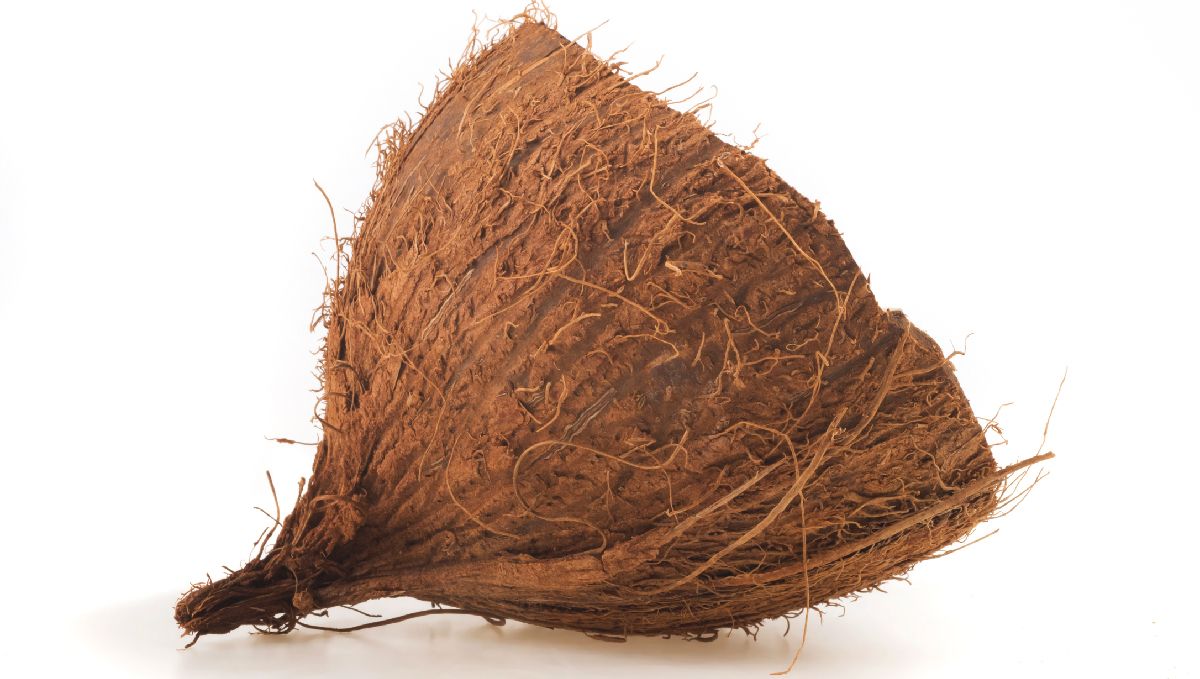
Coco-coir is quite bland as a substrate. The lack of nutriments is a great advantage for any grower as it gives you full control on the amount and type of nutriments you use. This substrate allows you to water feed your cannabis plants knowing exactly what goes into your plant. Feeding your cannabis plant is more of trusting the process and learning as much as you can.
What equipment you need for cultivating with coco:
- Use a pH pen to track the pH level of the water. The right pH water ensures that your plant receives all the minerals and nutrients it needs to thrive. The ideal pH level for your cannabis autoflowers ranges from 5.5 to 6.5.
- Use an EC/TDS meter to verify the amount of nutrients. The need for feedings varies during your plant’s growing period so checking the amounts will help you give it the right quantities without risking overfeeding or starvation.
Coco-coir is the best starting point for new growers. Besides being easy enough to procure, most of the mistakes you’ll make will be reversible. Just try yourself and see if this is what works for you.
What about full hydroponic systems?
Hydroponic growing systems might be a better choice for more experienced growers due to its slight sensibility to drastic changes. They’re quite easy to disturb, and quite difficult to get back on track. We recommend familiarizing yourself first with coco-coir mediums, and then transition to hydroponics. Starting directly with hydro setups might leave room for disappointments for beginners.
9. In Conclusion
No matter the type of pot you use, the main things you need to keep track of are the nutrients and the size of the pot. A container too big might be too much for smaller plants that need to receive their feeding water in a condensed space.
Fabric pots will increase root mass, prevent air pruning, and help save the planet at the same time. Learning which autoflowering cultivars adapt better to which scenario takes time and experience and will help give you the upper hand when it comes to efficiency and productivity. For smaller-sized pots we advise Gorilla Zkittles Auto, Gelato Auto, and Sour Jealousy Auto. When it comes to cultivating in large-sized pots, we recommend Orange Sherbet Auto, Wedding Cheesecake Auto and Bruce Banner Auto.
Comments