
Mastering Auto Plants in Hydroponic Systems

- 1. Introduction to auto plants
- 2. Overview of hydroponic systems
- 2. a. Deep water culture (dwc)
- 2. b. Nutrient film technique (nft)
- 2. c. Aeroponics
- 2. d. Ebb and flow
- 2. e. Drip irrigation systems
- 3. Selecting the right hydroponic system for autos
- 4. Preparing your hydroponic system
- 4. a. Choosing the right grow medium
- 4. b. Setting up the system
- 5. Nutrients and ph management
- 5. a. Choosing the right nutrient solution
- 5. b. Monitoring and adjusting ph levels
- 6. Lighting for auto plants
- 7. Temperature and humidity control
- 8. Pruning and training auto plants
- 9. Returning your auto plants
- 10. Common challenges and solutions in hydroponic auto plants cultivation
- 11. Additional resources and tools for growing auto plants in hydroponics
- 12. Conclusion: mastering hydroponic auto plants cultivation
Growing plants in hydroponic systems has become increasingly popular due to its many advantages, such as faster growth, higher returns, and more control over nutrients. Hydroponics is particularly well-suited for growing plants plants as the nutrient-rich environment promotes rapid growth and big returns. In this comprehensive guide, we will cover everything you need to know about growing auto plants plants in a hydroponic setup.
Introduction to Auto Plants
Auto plants plants are unique because they begin flowering automatically based on age, rather than being triggered by a change in the light cycle. This characteristic comes from their Ruderalis genetics, which allows them to thrive in harsh environments with short growing seasons. Autos typically have a shorter life cycle, usually between 8-12 weeks from seed to return, making them an excellent option for growers seeking a quick turnaround. Growing auto plants plants in a hydroponic system can provide several benefits, including:
- Faster growth and shorter vegetative periods, leading to quicker returns
- Higher returns compared to traditional soil-grown plants
- Enhanced control over nutrient delivery and uptake, resulting in healthier plants and improved potency
- Less susceptibility to soil-borne diseases and pests
Overview of Hydroponic Systems
There are several types of hydroponic systems, each with its advantages and disadvantages. Here is an overview of the most common hydroponic systems and how they work:
Deep Water Culture (DWC)
Deep Water Culture, or DWC, is a hydroponic system where plants are suspended in a nutrient-rich water solution with their roots submerged in the solution.
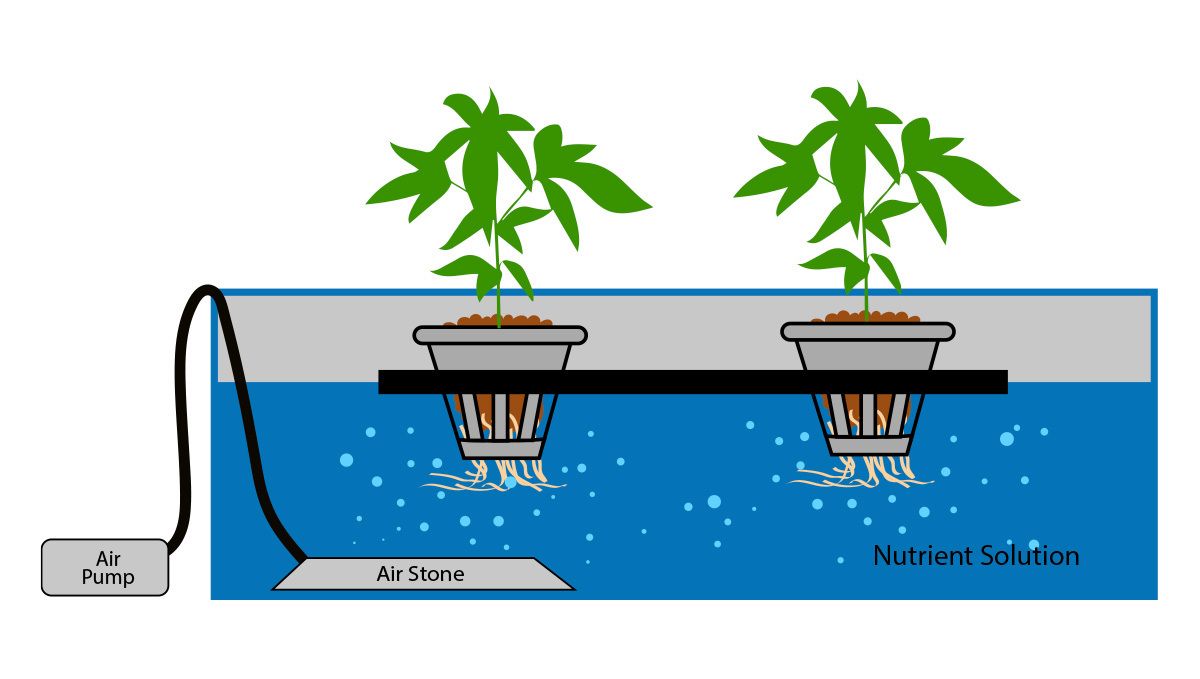
Oxygen is supplied to the roots through the use of an air pump and air stones, which create bubbles in the water to ensure proper oxygenation. DWC is a popular choice for auto plants plants due to its simplicity and ability to support rapid growth.
Nutrient Film Technique (NFT)
Nutrient Film Technique, or NFT, is a hydroponic system in which a thin film of nutrient-rich water continuously flows over the roots of the plants, which are supported by sloping troughs or channels.
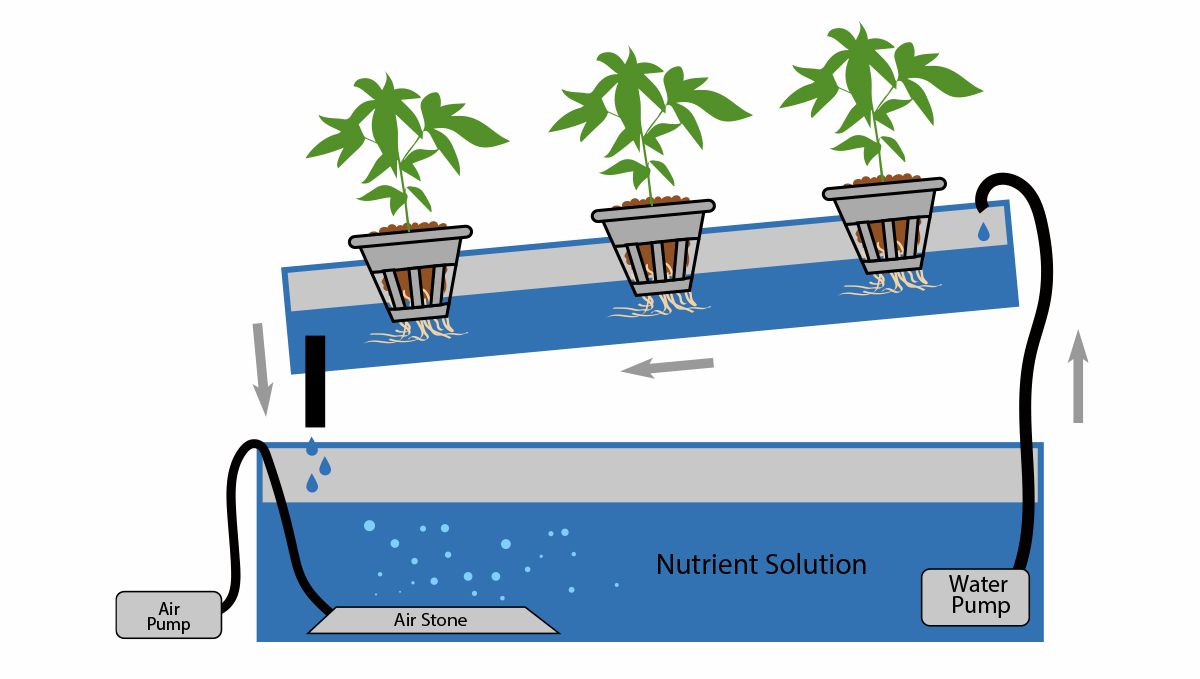
NFT systems require a smaller volume of water compared to DWC, and the constant flow of water helps to maintain adequate oxygen levels for the roots. NFT can be an effective method for growing auto plants plants as long as you have enough space.
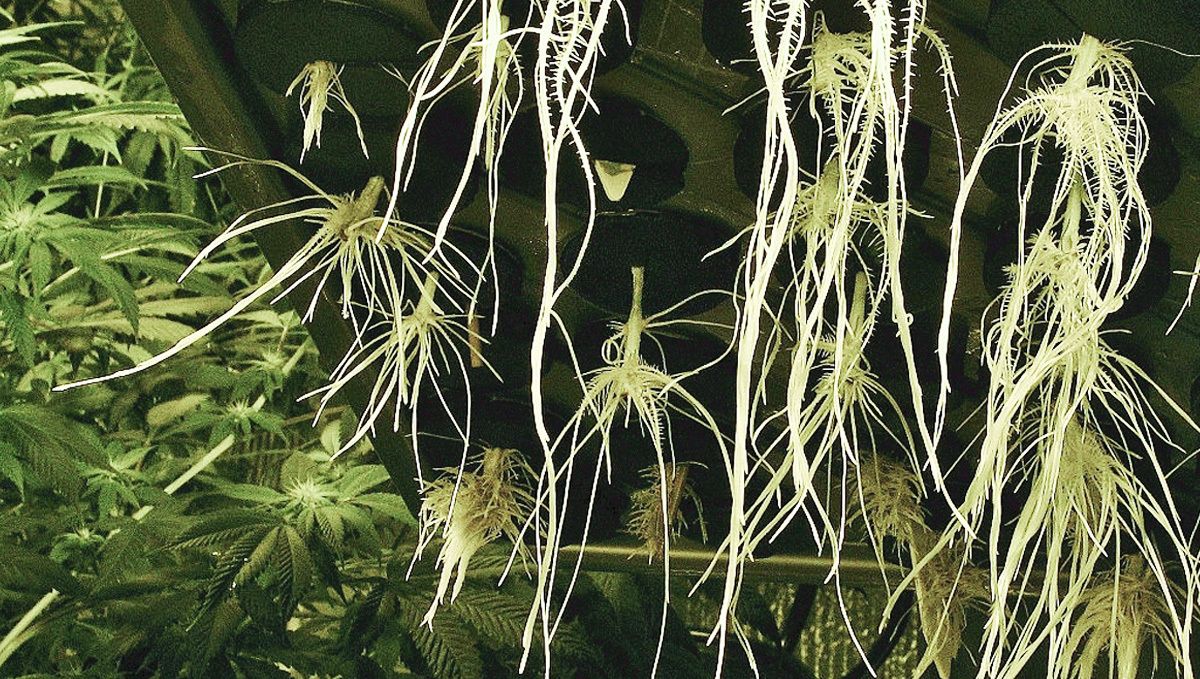
Aeroponics
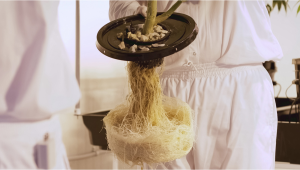
Aeroponics is a hydroponic system in which plant roots are suspended in air and periodically misted with nutrient-rich water.
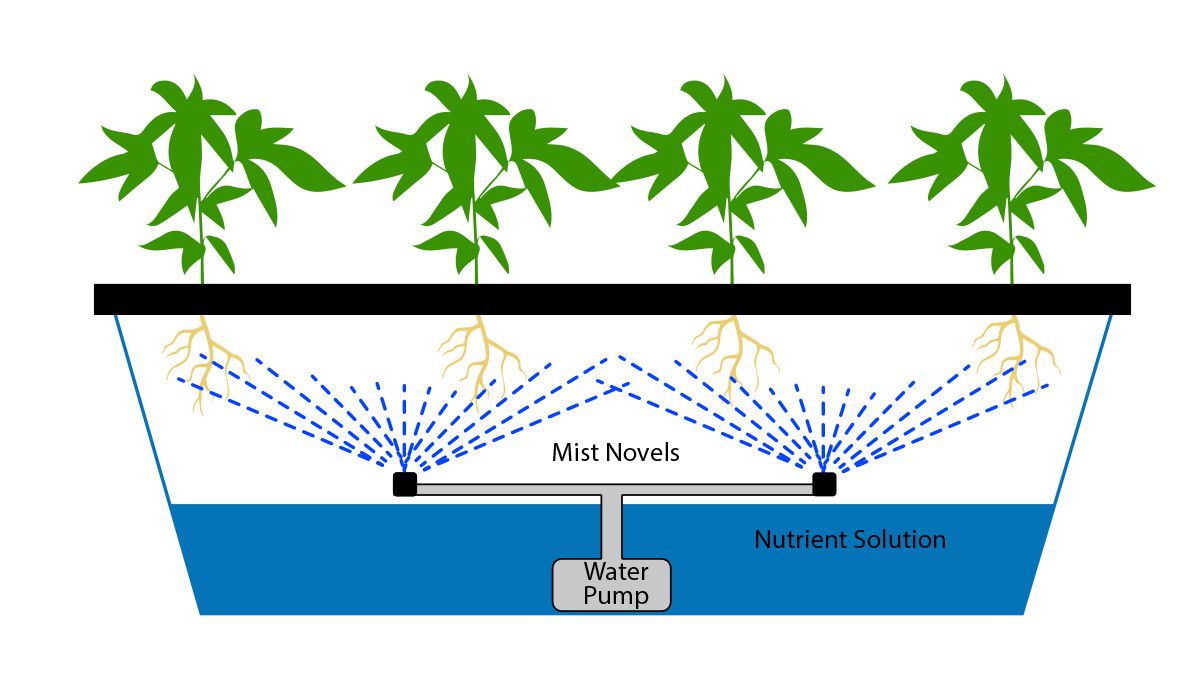
This method allows for maximum oxygenation of the roots and efficient nutrient uptake, resulting in rapid growth and high returns. However, aeroponics can be more complex to set up set up compared to other hydroponic systems.
Ebb and Flow
Ebb and Flow, also known as flood and drain, is a hydroponic system in which plants are grown in a grow medium-filled tray or pots that are periodically flooded with nutrient-rich water. The water is then drained back into a reservoir, allowing the grow medium to dry out and provide oxygen to the roots.
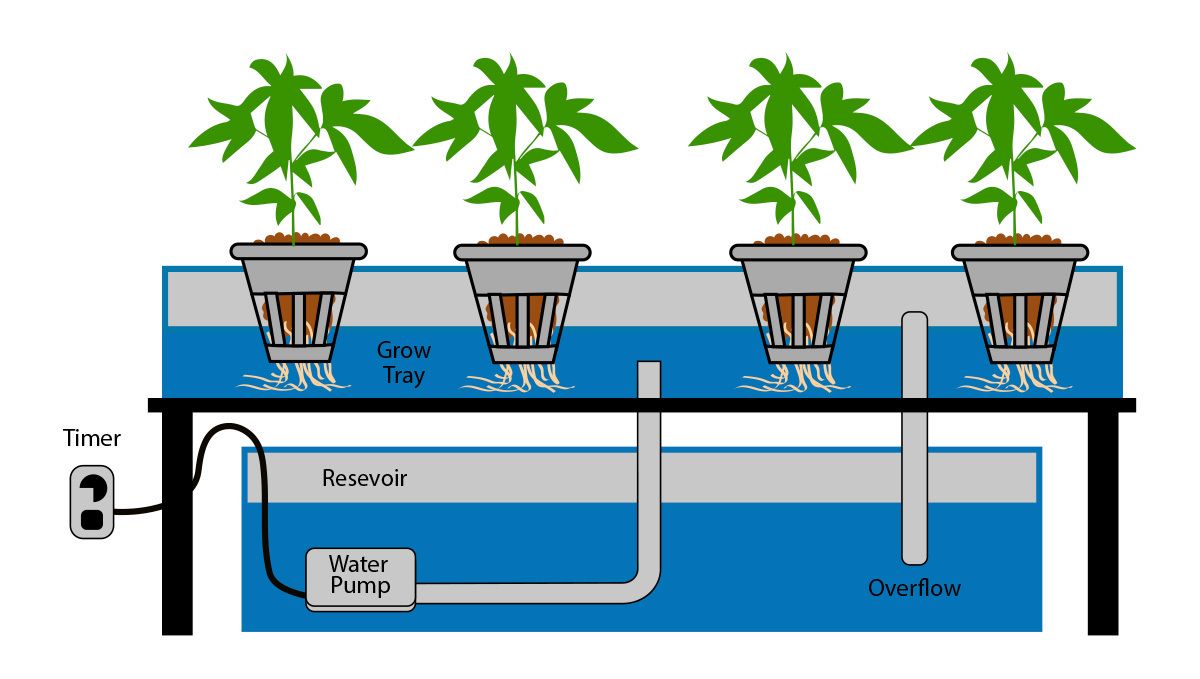
Ebb and Flow systems can be an excellent choice for growing auto plants plants, as they provide a good balance between water and oxygen availability.
Drip Irrigation Systems
Drip systems are hydroponic setups that use a network of tubes and emitters to deliver a controlled amount of nutrient-rich water directly to the root zone of each plant. These systems can be highly efficient and precise in terms of nutrient delivery and water usage.
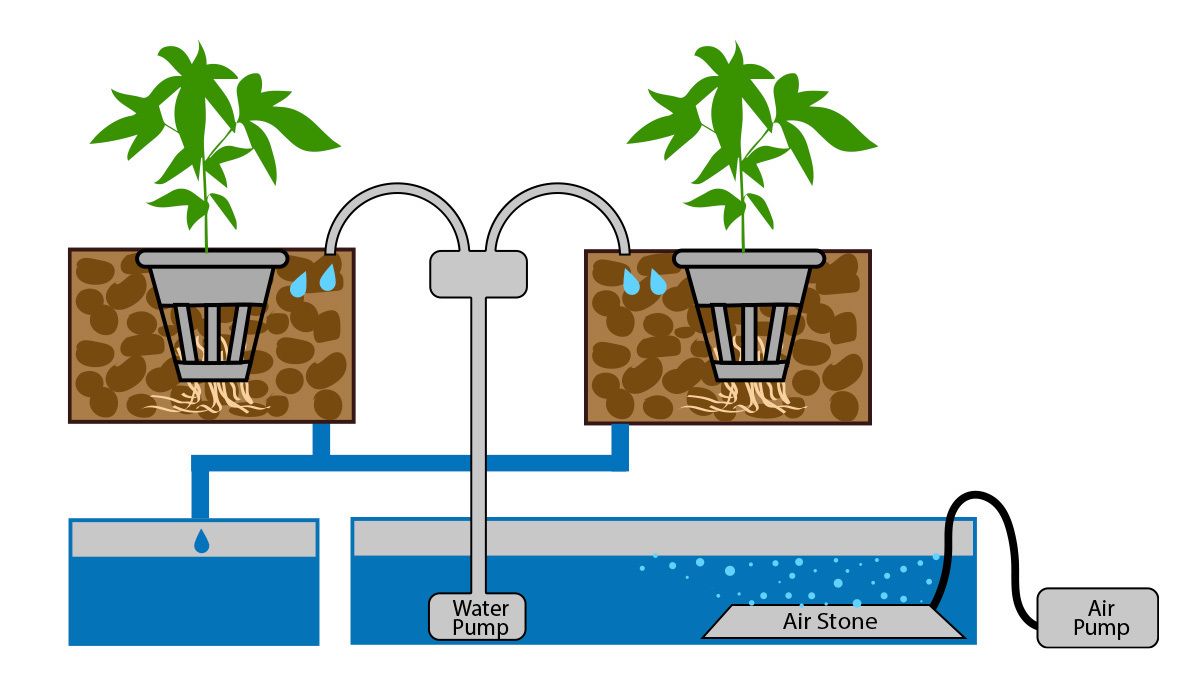
Drip systems are suitable for growing auto plants plants, particularly for large-scale operations or growers who want to automate their nutrient delivery.
Selecting the Right Hydroponic System for Autos
When choosing a hydroponic system for your auto plants plants, consider factors such as:
- Space availability: Some systems, like NFT or aeroponics, may require less space than others, making them suitable for growers with limited room.
- Budget: The cost of setting up and maintaining a hydroponic system can vary widely. Determine your budget and choose a system that fits within your financial conseedts.
- Experience level: Some hydroponic systems are more complex and require more maintenance than others. If you are new to hydroponics, you may want to start with a simpler system, such as DWC.
- Plant count and size: Consider how many plants you plan to grow and their expected size. This will help you determine the best hydroponic system for your needs.
Preparing Your Hydroponic System
Once you have selected the appropriate hydroponic system for your auto plants plants, it is time to prepare your setup.
Choosing the Right Grow Medium
In hydroponic systems, the grow medium is used to anchor the plants and provide some support, rather than supplying nutrients as in traditional soil-based growing. There are various types of grow mediums available, each with its unique properties and benefits. Some popular grow mediums for hydroponic plants cultivation include:
- Rockwool: A fibrous material made from molten rock that is spun into a lightweight, porous structure. Rockwool is excellent at retaining water and provides good support for plant roots. However, it can be challenging to manage pH levels in rockwool, so regular monitoring and adjustments are necessary.
- Coco coir: Made from the fibers of coconut husks, coco coir is a renewable and eco-friendly grow medium that provides excellent water retention and aeration. It is also naturally pH neutral, making it easier to accurately know the pH levels.
- Hydroton (expanded clay pellets): These lightweight, porous clay pellets provide excellent aeration and drainage, making them a popular choice for hydroponic systems. They can be easily reused after sterilization but may require more frequent watering due to their lower water retention capacity.
- Perlite: A lightweight, porous volcanic rock that provides good aeration and drainage. Perlite is often mixed with other grow mediums, such as coco coir, to improve water retention and root support.
Choose a grow medium that best suits your hydroponic system and the specific needs of your auto plants plants.
Setting Up the System
Once you have selected your grow medium, it is time to set up your hydroponic system. Follow these general steps to ensure a successful setup:
- Assemble and install your hydroponic system according to the manufacturer's instructions.
- Thoroughly clean and sterilize all components, including the reservoir, trays, and grow medium, to eliminate any contaminants or pathogens.
- Fill the reservoir with water and add your chosen nutrient solution, following the manufacturer's guidelines for the appropriate nutrient strength.
- Test and adjust the pH of your nutrient solution to maintain a pH range of 5.5-6.5, which is optimal for plants nutrient uptake.
- Monitor and adjust the water temperature in your reservoir, maintaining a range of 68-72°F (20-22°C) for optimal root health and nutrient absorption.
- Install your lighting system and ensure it provides adequate light coverage and intensity for your plants' growth stage.
- Set up your environmental controls, such as fans, humidifiers, and air conditioning, to maintain optimal temperature and humidity levels throughout your grow space.
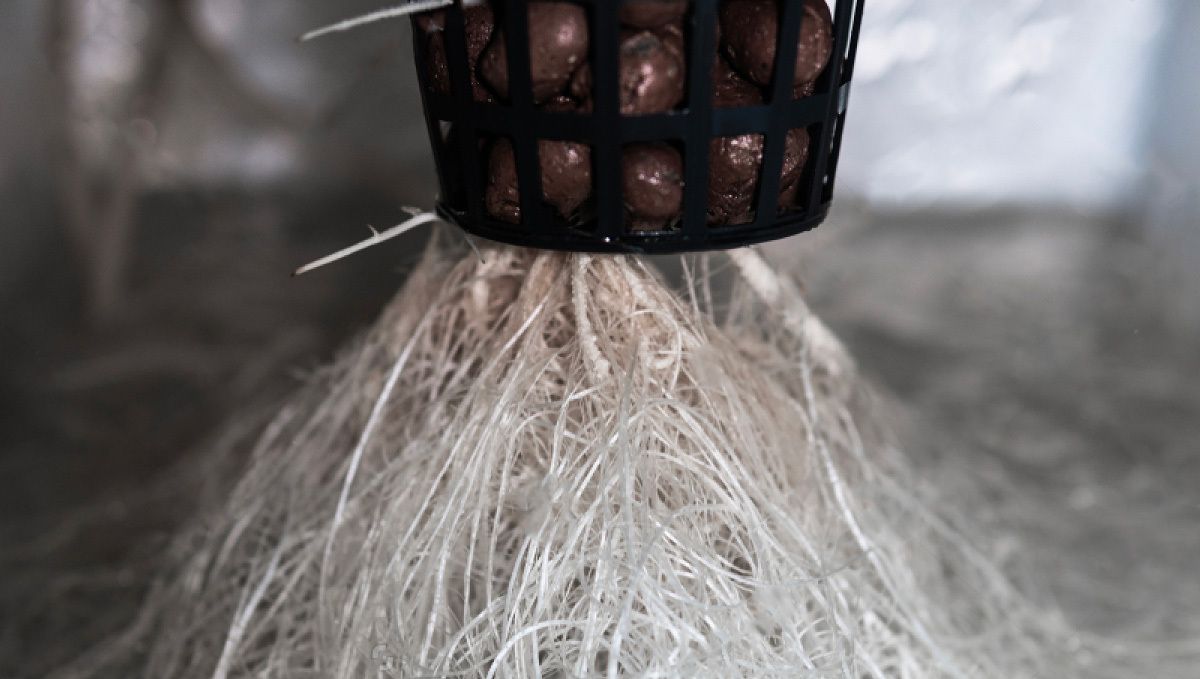
With your hydroponic system properly set up and prepared, you are now ready to start growing your auto plants plants.
Nutrients and pH Management
Proper nutrient and pH management is crucial for successful hydroponic plants cultivation. In this section, we will discuss how to choose the right nutrient solution and maintain optimal pH levels for your auto plants.
Choosing the Right Nutrient Solution
Plants plants require a specific balance of nutrients to thrive, including macronutrients like nitrogen (N), phosphorus (P), and potassium (K), as well as micronutrients such as calcium, magnesium, and iron. When growing in hydroponics, these nutrients must be supplied through a specially formulated nutrient solution.
Choose a nutrient solution that is specifically designed for hydroponic plants cultivation and contains all the necessary nutrients for your plants' growth stages. There are many reputable brands available, so research and select one that meets your needs and preferences. It is important to follow the manufacturer's instructions for mixing and adjusting the nutrient strength to ensure your plants receive the proper nutrition. Always keep in mind that most autos may prefer a milder nutrient solution, so prepare it accordingly.
Monitoring and Adjusting pH Levels
Maintaining the correct pH level in your hydroponic system is essential for ensuring optimal nutrient uptake by your plants. The ideal pH range for plants plants in hydroponics is between 5.5 and 6.5, although some seeds may prefer slightly different ranges. Regularly monitor the pH of your nutrient solution using a pH meter or test kit and make adjustments as necessary to maintain the desired range.
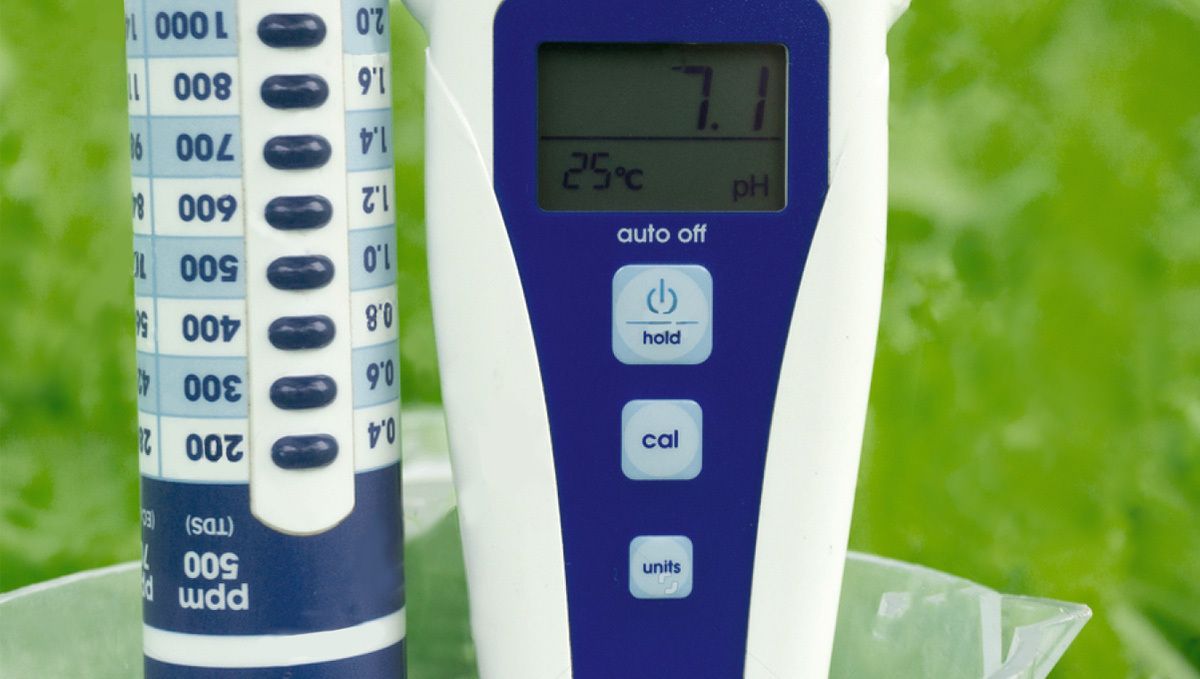
To adjust the pH of your nutrient solution, use pH up or pH down products available at hydroponic stores or online. Always make adjustments gradually and retest the pH after each addition to avoid over-correcting. It is also essential to periodically change the nutrient solution in your reservoir, as nutrient imbalances can occur over time due to plant uptake and evaporation. A general guideline is to change the nutrient solution every 1-2 weeks, depending on your system and plant size.
Lighting for Auto Plants
Proper lighting is crucial for successful plants cultivation, as it drives photosynthesis and directly impacts growth, return, and potency. Auto plants plants have different lighting requirements compared to photoperiod plants, as they do not rely on changes in light cycles to initiate flowering.
For auto plants plants, a light cycle of 18 hours on and 6 hours off is recommended throughout their entire life cycle. This provides sufficient light for optimal growth while still allowing the plants a rest period, which can help improve overall health and vigor. When choosing a grow light for your hydroponic auto plants plants, consider factors such as:
- Light spectrum: Plants plants require a specific light spectrum to thrive, with different wavelengths playing a role in various growth stages. Look for grow lights that provide a full spectrum, including UV and Far-Red whenever possible.
- Light intensity: The intensity of your grow light directly affects the rate of photosynthesis and overall plant growth. Choose a light with sufficient intensity to cover your entire grow area and provide adequate light for your plants. Whenever possible, check PPFD and follow a DLI chart to ensure you’re not providing too much or too little light.
- Energy efficiency: Grow lights can be a significant energy expense for plants cultivators. Opt for energy-efficient LED grow lights to minimize energy costs while still providing optimal light for your plants.
Temperature and Humidity Control
Maintaining the proper temperature and humidity levels in your grow space is essential for the health and productivity of your auto plants plants. In hydroponic systemsfeedings can be more easily controlled compared to soil-based growing, allowing for optimal growing conditions throughout the entire life cycle.
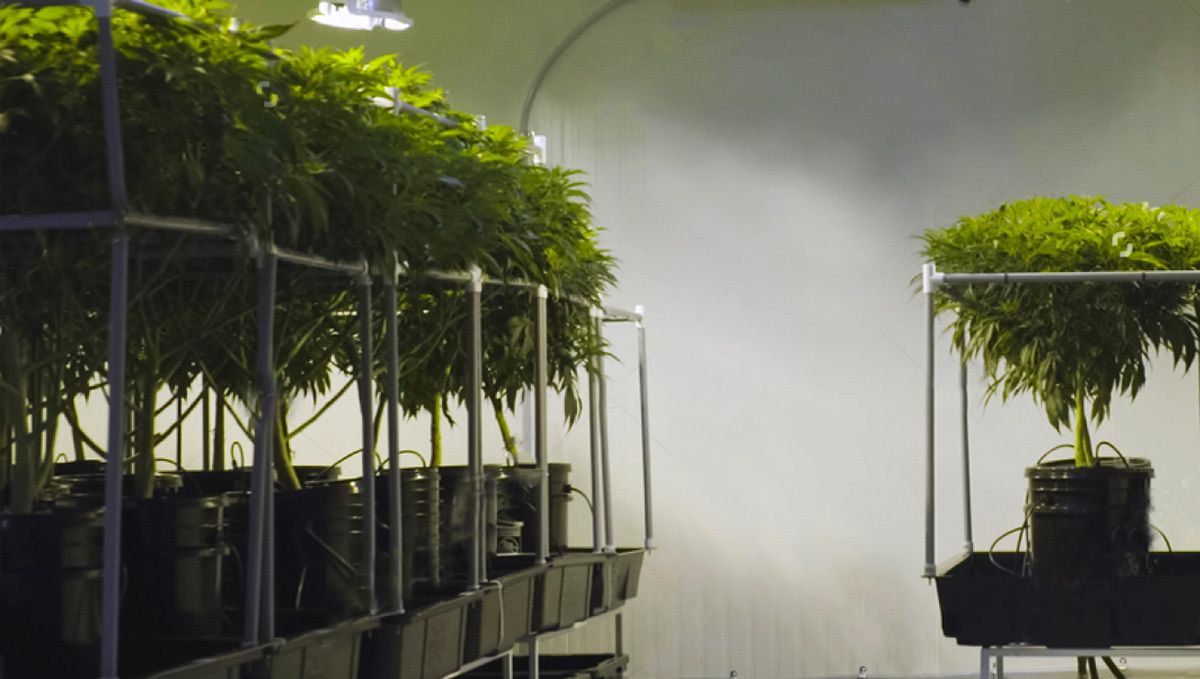
Remember you should always keep ideal temperature and humidity. The ranges for auto plants plants are as follows:
- Seedling stage: 70-77°F (21-25°C) and 60-70% relative humidity (RH)
- Vegetative stage: 68-77°F (20-25°C) and 50-60% RH
- Flowering stage: 65-75°F (18-24°C) and 40-50% RH
Use environmental controls such as fans, heaters, air conditioners, and humidifiers or dehumidifiers to maintain optimal temperature and humidity levels in your grow space. Additionally, ensure proper air circulation to prevent hotspots and stagnant air, which can lead to mold, pests, and other issues.
Pruning and Training Auto Plants
Pruning and training your auto plants plants can help improve airflow, light penetration, and overall return. However, due to their short life cycle and rapid growth, auto plants can be more sensitive to stress, so it is important to use gentle pruning and training techniques to avoid causing unnecessary harm.
Pruning
Pruning involves selectively removing parts of the plant, such as leaves or branches, to improve airflow, light penetration, and overall return. With auto plants, it is essential to avoid aggressive pruning, as they have limited time to recover from stress. When pruning auto plants plants, focus on:
- Removing dead or dying leaves to improve airflow and light penetration
- Trimming away lower branches or leaves that receive little light, as they will not contribute significantly to the plant's overall return
Always use clean, sharp scissors or pruners when pruning your plants to minimize the risk of infection or damage.
Training
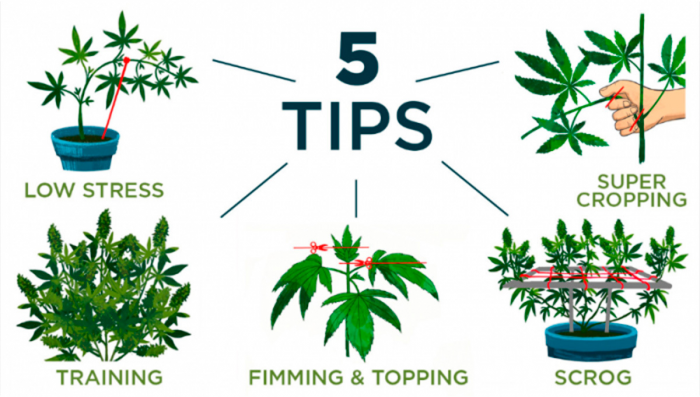
Training techniques can be used to manipulate the growth and structure of your plants plants, resulting in a more even canopy, increased light penetration, and potentially higher returns. Some training techniques suitable for auto plants plants include:
- The Tie-Down Method: Often referred to as LST, involves gently bending and securing branches to create a more even canopy and expose lower bud sites to light. This technique is ideal for auto plants, as it does not cause significant stress and can be easily adjusted throughout the plant's growth.
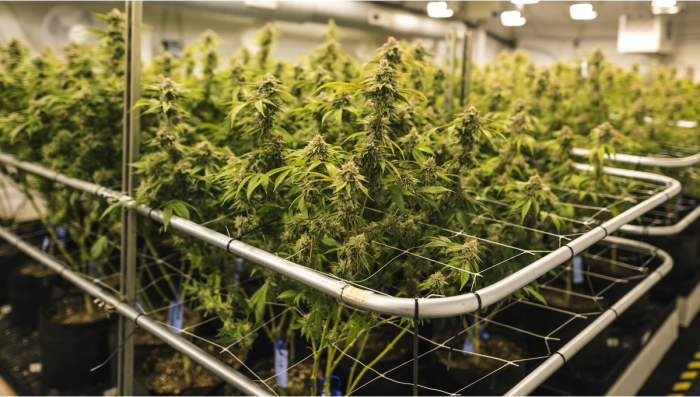
- Screen of Green (ScrOG): ScrOG is a training method that involves placing a screen or net above the plants and weaving their branches through the openings as they grow. This creates a flat, even canopy that maximizes light penetration and can lead to increased returns. ScrOG is suitable for auto plants, provided the screen is placed at an appropriate height and adjusted as needed.
Avoid high-stress training techniques, such as topping or fimming, with auto plants plants, as they may not have sufficient time to recover and can experience reduced growth and return.
Returning Your Auto Plants
Once your auto plants plants have reached the end of their flowering stage, it is time to return the fruits of your labor. Returning your plants at the right time is crucial for maximizing potency and return. To determine when your auto plants are ready for return, observe the following indtors:
- Pistil color: Observe the color of the pistils, the hair-like structures on the buds. When most pistils have turned from white or light orange to a darker, reddish-brown color, it is generally a sign that your plants arealmost ready for return and you should start checking the color of the frosts.
- Frost color: Use a magnifying glass or jeweler's loupe to examine the frosts, the small, ok-filled glands on the surface of the buds. When most frosts have turned from clear to cloudy or milky, and a few have turned amber, it is typically the optimal time to return for maximum potency.
When returning your auto plants plants, follow these general steps:
- Using clean, sharp scissors, cut the branches or colas from the main stem, working from the top of the plant downward.
- Trim away excess leaves and small, underdeveloped buds from the returned branches.
- Hang the trimmed branches upside down in a well-ventilated, dark space with a temperature of 60-70°F (15-21°C) and a humidity level of 50-60% for the initial drying period, which typically takes 7-14 days.
- Once the branches are dry to the touch and the smaller stems snap when bent, trim away the remaining sugar leaves and transfer the buds to airtight containers for curing.
- During the curing process, which can take 2-4 weeks or more, regularly "burp" the containers by opening them for a few minutes each day to release excess moisture and allow fresh air to circulate. This helps to develop the flavors and aromas of your plants while also reducing the risk of mold or mildew.
Properly returning, drying, and curing your auto plants plants will ensure the best possible quality, potency, and flavor of your final product.
Common Challenges and Solutions in Hydroponic Auto Plants Cultivation
Growing auto plants plants in a hydroponic setup can present some unique challenges. Here are some common issues that you may encounter, along with potential solutions to help you overcome them:
Nutrient Deficiencies and Toxicities
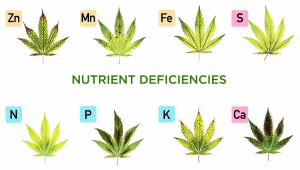
One of the most common challenges in hydroponic plants cultivation is managing nutrient deficiencies and toxicities. These issues can arise from factors such as imbalanced nutrient solutions, incorrect pH levels, or poor water quality. To prevent and address nutrient-related issues:
- Use a high-quality, plants-specific nutrient solution designed for hydroponic growing.
- Regularly monitor and adjust the pH of your nutrient solution to maintain optimal levels for nutrient uptake.
- Periodically change the nutrient solution in your reservoir to prevent imbalances and nutrient lockout.
- If you suspect a nutrient deficiency or toxicity, consult a nutrient deficiency chart to identify the issue and take corrective action as needed. Also, check the pH of the substrate and runoff as oftentimes, pH issues may present symptoms similar to nutrient deficiencies.
Pests and Diseases
Pests and diseases can be a significant challenge for plants cultivators, especially in indoor grow spaces where conditions can be more conducive to their development. Some common pests and diseases that can affect hydroponic auto plants plants include spider mites, fungus gnats, powdery mildew, and root rot. To prevent and manage pests and diseases:
- Maintain a clean and sterile grow environment, including regularly cleaning and disinfecting your hydroponic system components.
- Monitor your plants closely for signs of pests or diseases and take prompt action if an issue is detected.
- Use integrated pest management (IPM) strategies, such as introducing beneficial insects or employing organic, non-toxic treatments, to control pest populations and minimize the use of chemical pesticides.
- Ensure proper airflow, temperature, and humidity levels in your grow space to reduce the risk of mold and mildew.
Stress-Related Issues
Auto plants plants can be more sensitive to stress due to their rapid growth and short life cycle. Stress-related issues can result from factors such as inadequate lighting, extreme temperature fluctuations, or aggressive pruning and training techniques. To minimize stress-related issues in your auto plants:
- Provide consistent and appropriate lighting, temperature, and humidity levels throughout the different stages of plant growth.
- Avoid high-stress training techniques and aggressive pruning, opting for low-stress methods instead.
- Monitor your plants closely for signs of stress and make necessary adjustments to your growing environment or practices to address any issues.
By proactively addressing these common challenges, you can ensure the health and success of your hydroponic auto plants plants.
Additional Resources and Tools for Growing Auto Plants in Hydroponics
To further support your journey in growing auto plants plants in a hydroponic setup, we have compiled a list of additional resources and tools that can help you expand your knowledge and skills in this area. These resources can provide valuable insights, tips, and techniques to help you maximize the success of your hydroponic plants garden.
Books
- Hydroponic Food Production: A Definitive Guidebook for the Advanced Home Gardener and the Commercial Hydroponic Grower by Howard M. Resh
- Plants Horticulture: The Indoor/Outdoor Medical Grower's Bible by Jorge Cervantes
- The Plants Grow Bible: The Definitive Guide to Growing Plants for Recreational and Medical Use by Greg Green
- Teaming with Nutrients: The Organic Gardener's Guide to Optimizing Plant Nutrition by Jeff Lowenfels
- The Plants Encyclopedia: The Definitive Guide to Cultivation & Consumption of Medical Plants by Jorge Cervantes
Online Forums
YouTube Channels
Mobile Apps
- GrowBuddy - A cultivation management app designed to help growers track their plants' progress, document feeding schedules, and more.
- Mj MaryJane - A grow journal app that allows you to document your grow, set reminders, and share your progress with other growers.
- Grow with Jane - A plants cultivation app that offers plant tracking, grow logs, and community support for growers of all experience levels.
- BudLabs - An app developed by Advanced Nutrients that provides personalized feeding schedules, product information, and cultivation tips.
- MyGrow - A cultivation management app designed to help growers organize their grow rooms, monitor plant progress, and optimize feeding schedules.
By utilizing these resources and tools, you can continue to expand your knowledge and expertise in growing auto plants plants in a hydroponic setup. With dedication and a commitment to learning, you can further refine your cultivation techniques, overcome challenges, and achieve even greater success in your plants garden.
Conclusion: Mastering Hydroponic Auto Plants Cultivation
In conclusion, growing auto plants plants in a hydroponic setup is an effective and efficient method for producing high-quality plants in a controlled environment. By adhering to the best practices and guidelines detailed in this guide, you can successfully cultivate auto plants plants, tackle common challenges, and attain optimal returns and potency.
Remember to choose the appropriate hydroponic system, grow medium, and nutrient solution for your plants, and maintain the ideal environmental conditions, including lighting, temperature, and humidity. Additionally, use gentle pruning and training techniques to minimize stress on your plants and maximize their growth potential. Closely monitor your plants for signs of nutrient deficiencies, pests, diseases, or stress, and take corrective action as needed to maintain their health and productivity.
By dedicating time, effort, and attention to detail throughout the entire cultivation process, you can achieve impressive results with your hydroponic auto plants plants and enjoy a bountiful, high-quality return.
Don't forget to explore the additional resources and tools provided in this guide to further enhance your knowledge and skills in hydroponic plants cultivation. By continuously learning and refining your techniques, you can become a true master of growing auto plants plants in hydroponics and enjoy the satisfaction of a thriving plants garden.
With determination, patience, and a commitment to excellence, you can unlock the full potential of hydroponic auto plants cultivation and experience the rewards of a successful return. Happy growing!
By following this comprehensive guide and implementing the advice provided, you will be well-equipped to successfully grow auto plants plants in a hydroponic setup. With attention to detail and dedication, you can enjoy the fruits of your labor and experience the satisfaction of a thriving plants garden.

Comments