Fem Plants Seeds
High-performance genetics for growers who take their craft seriously ...
Read more
High-performance genetics for growers who take their craft seriously. This curated line of fem photoperiod seeds delivers stable, high-returning plants with intense flavorene profiles and rich, layered flavors. Designed for professionals, commercial cultivators, and dedicated pheno hunters, each seed guarantees female plants and top-tier performance. Whether you’re running a large-scale setup or chasing rare expressions, this collection is built to meet the highest standards, and exceed expectations.
Results: 18
Sort by:
Featured
Size
XXL
Flowering
9 – 10 weeks
Genes
Sat 25%/Ind 75%
Genetics
Garlic Cookies (GMO) x Sherbanger (Boston Roots Seed Co.)
New
10+10


Fem
9–10 weeks, Ind
30,00 €
15,00 € / Seed
Add to Cart
2 fem
30,00 €
3 fem
40,00 €
5 fem
65,00 €
10 fem
10+10
110,00 €
Pack
2 fem
Size
XXL
Flowering
9 – 10 weeks
Genes
Sat 50%/Ind 50%
Genetics
(Gary Payton x Sunset Sherbet) x Sherbanger
New
10+10

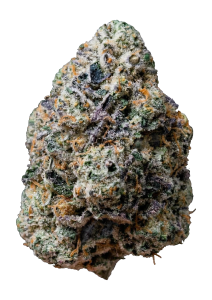
Fem
9–10 weeks, Hyb
30,00 €
15,00 € / Seed
Add to Cart
2 fem
30,00 €
3 fem
40,00 €
5 fem
65,00 €
10 fem
10+10
110,00 €
Pack
2 fem
Size
XL
Flowering
8 – 9 weeks
Genes
Sat 50%/Ind 50%
Genetics
Z3 (Flavorhogz) x Candy Fumez (Bloom Seed Co.)
New
10+10

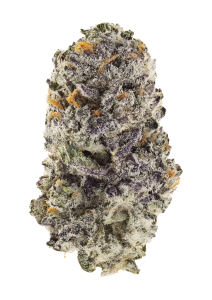
Fem
8–9 weeks, Hyb
42,00 €
21,00 € / Seed
Add to Cart
2 fem
42,00 €
3 fem
60,00 €
5 fem
85,00 €
10 fem
10+10
145,00 €
Pack
2 fem
Size
XL
Flowering
9 – 10 weeks
Genes
Sat 50%/Ind 50%
Genetics
((Lemon Cherry Gelato × Runtz) ×Lemonpaya) × (Lemon Cherry Gelato × Runtz)
10+10


Fem
9–10 weeks, Hyb
30,00 €
15,00 € / Seed
Add to Cart
2 fem
30,00 €
3 fem
40,00 €
5 fem
65,00 €
10 fem
10+10
110,00 €
Pack
2 fem
Size
XXXL
Flowering
9 – 10 weeks
Genes
Sat 50%/Ind 50%
Genetics
Gary Payton x Gelato x Lemonpaya
10+10

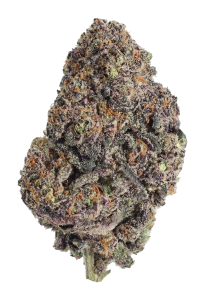
Fem
9–10 weeks, Hyb
40,00 €
13,33 € / Seed
Add to Cart
3 fem
40,00 €
5 fem
65,00 €
10 fem
10+10
110,00 €
Pack
3 fem
Size
XXL
Flowering
8 – 9 weeks
Genes
Sat 30%/Ind 70%
Genetics
GG#4 x GG#4
New
10+10

Fem
8–9 weeks, Ind
30,00 €
15,00 € / Seed
Add to Cart
2 fem
30,00 €
3 fem
40,00 €
5 fem
65,00 €
10 fem
10+10
110,00 €
Pack
2 fem
Size
XXL
Flowering
9 – 10 weeks
Genes
Sat 50%/Ind 50%
Genetics
Biscotti x Gelato
10+10

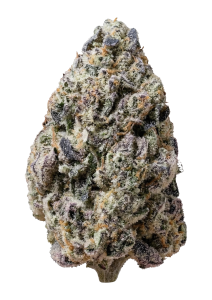
Fem
9–10 weeks, Hyb
30,00 €
15,00 € / Seed
Add to Cart
2 fem
30,00 €
3 fem
40,00 €
5 fem
65,00 €
10 fem
10+10
110,00 €
Pack
2 fem
Size
XL, L
Flowering
8 – 10 weeks
Genetics
Different genetics

Size
XXL
Flowering
9 weeks
Genetics
Lemonade x Papaya
10+10


Fem
9 weeks, Hyb
30,00 €
15,00 € / Seed
Add to Cart
2 fem
30,00 €
3 fem
40,00 €
5 fem
65,00 €
10 fem
10+10
110,00 €
Pack
2 fem
Size
XL
Flowering
8 – 9 weeks
Genetics
Melon (Our keeper) x Rainbow Chip (Exotic Genetix)
10+10


Fem
8–9 weeks, Hyb
30,00 €
15,00 € / Seed
Add to Cart
2 fem
30,00 €
3 fem
40,00 €
5 fem
65,00 €
10 fem
10+10
110,00 €
Pack
2 fem
Size
XL
Flowering
9 – 10 weeks
Genetics
GG#4 (Murdock GG Seeds) x Melon (our keeper)
10+10


Fem
9–10 weeks, Hyb
30,00 €
15,00 € / Seed
Add to Cart
2 fem
30,00 €
3 fem
40,00 €
5 fem
65,00 €
10 fem
10+10
110,00 €
Pack
2 fem
Size
XXL
Flowering
9 – 10 weeks
Genetics
Papaya (Oni Selection) x Sunset Sherbet
10+10

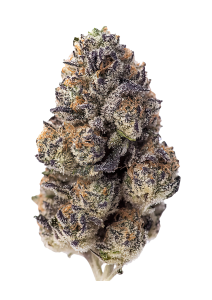
Fem
9–10 weeks, Hyb
30,00 €
15,00 € / Seed
Add to Cart
2 fem
30,00 €
3 fem
40,00 €
5 fem
65,00 €
10 fem
10+10
110,00 €
Pack
2 fem
Size
XL
Flowering
9 – 10 weeks
Genetics
Lemonade x Mandarine (Crocket´s Tangie Selection)
10+10


Fem
9–10 weeks, Hyb
30,00 €
15,00 € / Seed
Add to Cart
2 fem
30,00 €
3 fem
40,00 €
5 fem
65,00 €
10 fem
10+10
110,00 €
Pack
2 fem