
Low Stress Training (LST) Auto Plants - When to Start LST Plants Plants


- 1. What is low stress training?
- 2. When to start low stress training
- 2. a. Where to use lst
- 3. Why use lst?
- 3. a. Maximize return output
- 3. b. More dense buds
- 3. c. Get light to lower branches
- 3. d. Decrease space needed
- 3. e. Control stretching
- 4. Additional recommendations and lst techniques
- 4. a. The tie down method
- 4. b. The screen of green (scrog) method
- 4. c. Vertical scrog
- 5. Lst over hst
- 6. Expert opinion by jorge cervantes - co-author:
- 7. Frequently asked questions
- 8. In conclusion
Preface
Gardeners have used the low-stress training (LST) technique to improve return, manage plant structure, and optimize growth across various plant species. In plants cultivation, LST becomes particularly pivotal, especially when dealing with auto seeds. The article "Low Stress Training (LST) Auto Plants - When to Start LST Plants Plants" by Enzo Schillaci, published on January 25, 2023, delves into the intricacies of employing LST in the cultivation of auto plants plants. The technique, which involves gently directing the plant's growth by bending and tying down the main stem and other branches, aims to improve plant structure, enhance light absorption, and boost return without inflicting stress on the plant.
The article meticulously explores the what, when, and why of LST, providing a comprehensive guide that navigates the technique's various aspects and benefits. It emphasizes the gentle approach of LST instead of high-stress training (HST), especially considering the rapid growth and shorter life cycles of auto seeds. The piece also explores various LST techniques, such as the Tie Down Method and the Screen of Green (SCROG) Method, providing insights into their pros, cons, and application in plants cultivation. Furthermore, it addresses common queries and provides additional recommendations for those keen on implementing LST in their cultivation practices.
The author, Enzo Schillaci, brings forth a wealth of knowledge in plants cultivation, particularly in managing and optimizing the growth of auto seeds. His insights are not merely theoretical but are deeply rooted in practical experience and extensive research in the field. The article is not just a guide but a reservoir of knowledge that reflects Enzo’s expertise and commitment to assisting growers in navigating the nuanced journey of plants cultivation. His holistic approach ensures that the information provided is not only scientifically accurate but also practically applicable, making it an invaluable resource for novice and seasoned plants cultivators.
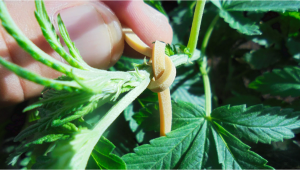
Low-stress training is a plant training technique used to train plants plants into the desired shape to maximize light usage and returns, among other benefits. LST allows growers to control height and maximize returns without having to invest in new growing equipment and with relatively little work. Plant training sounds like an odd concept to beginner growers. However, it plays a key role when it comes to plant management. Gardeners of many different types leverage training techniques to boost the returns and improve the structure of a wide variety of crops, from chilies and tomatoes to fruit trees and grape vines. At its most basic, the act of training is carried out to physically manipulate a plant in a certain way. Training comes in two primary forms: High stress and low-stress. As the name suggests, high-stress training involves rather brutal techniques that intentionally damage plant tissues in order to direct growth.
While these methods work great on photoperiod seeds with a longer vegetative phase, auto cultivars grow too fast to properly recover from them before the flowering phase begins. Low-stress training, on the other hand, is a much more gentle method. Instead of physically harming plants, it simply involves directing their growth by bending and tying down the main stem and other branches. This results in an improved structure that has better aeration and therefore reduces the chances of devastating mold that can ruin an entire grow. It also causes smaller buds to grow towards the light, creating more uniform flowers and superior returns. Low-stress training is perfectly compatible with autos, as they have no excess stress to try and recover from before blooming begins.
1. What is Low Stress Training?
Low stress training (also known as LST) is a technique used to train your plants plant into the desired result using the lowest amount of stress possible. There are also High stress training (HST) techniques like topping or pruning but we won’t be talking about them here as they tend to stunt growing for a short period of time and cannot be used with the vast majority of auto-flowering plants seeds. This is due to the fact that autos come with an inbuilt genetic time that predetermines when the plant will switch from the vegetative growth stage to the flowering cycle.There are a couple of auto seeds that can handle HST, but for the most part, experienced cultivators agree that these high-stress techniques should be reserved for photoperiod plants plants.
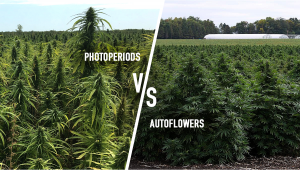
What is a photoperiod plants plant?
Unlike autos, the lifecycle of a normal photoperiod is determined by the amount of light she receives. When grown indoors, cultivators can control how long the vegetative growth stage continues by simply keeping the light cycle at 18 hours on / 6 hours off. This mimics the late spring into summer lighting conditions when plants would naturally be in the veg cycle outdoors.
As soon as you want the plants to start flowering you simply switch the light cycle over to 12 hours light / 12 hours dark and photo plants will begin the flowering stage. This amount of control allows growers the chance to try any type of growing technique or method with the assurance that if the plants growth is stunted they can simply extend the veg period and let it recover. This is not the case with autos, and the reason why we need to be more careful with how the plants are treated.
Ok, so back to LST…Low-stress training techniques can help you maximize the light consumption of the plant by spreading out and flattening the canopy, allowing for the lower budding sites to receive the same amount of light penetration as the main cola. With normal auto-flowering plants plants that have received no stress training the main cola will receive not just the most light, but also the most nourishment and the highest levels of growth hormones (otherwise known as auxins). When we use techniques to level out the canopy, the plant inherently spreads out the nutrients and the auxins more equally, resulting in much more even flower development.
You are essentially tricking the plant into thinking that you have chopped off the main cola, and so she will spread out the energy among the other branches and budding sites to try and ensure her genetic code is passed on. Remember, although we want the buds to be totally seed-free, the reason they grow in the first place is to produce seeds. A female plants plant will do whatever she can to ensure that her flowers grow big and healthy, and we can use this to our advantage.
The best part? Low stress training doesn’t take any special equipment or knowledge. It’s an easy technique that beginners can safely try when growing an auto plants plant. While it might take a few attempts to really dial in your technique, the lack of stress involved means you’ll still get a good return, even if you don’t get things completely right the first time. When it comes to equipment, all you really need are plant ties. These come in a variety of different forms, from thin wire to thick ties that are coated with rubber. As you can guess, the latter is far less likely to accidentally hurt plant stems. You’ll also need a drill if you're using solid plastic containers. Simply drill just below the rim of the pot so that you can thread your ties through them when bending and tying down your plant’s branches.
2. When to Start Low Stress Training
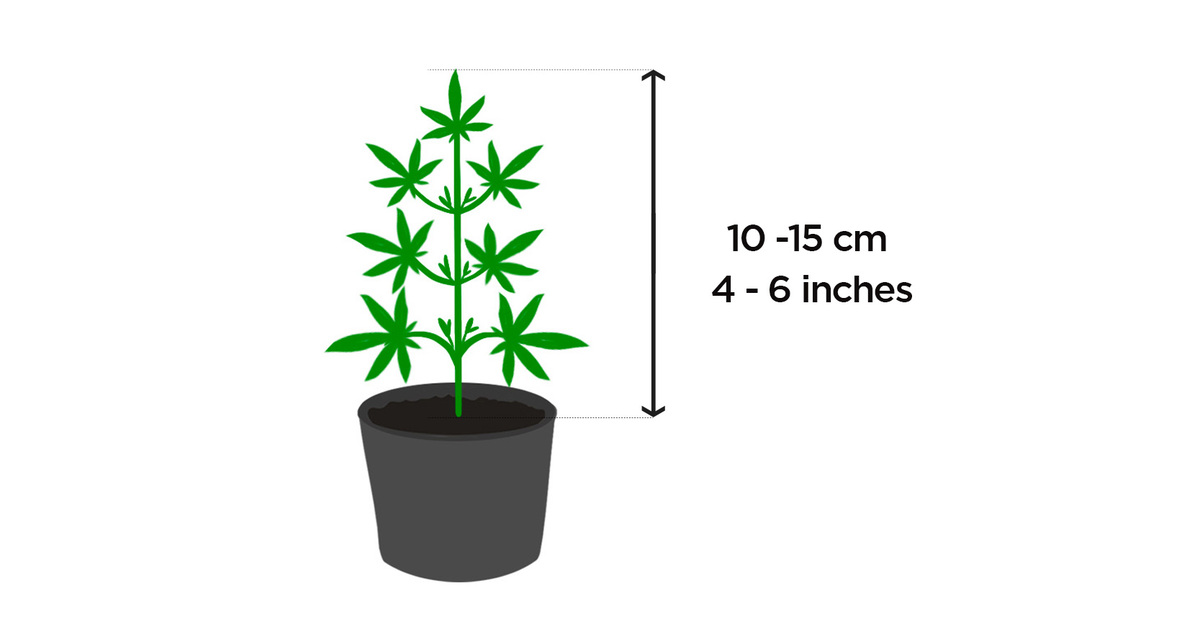
There isn’t an exact age or size to start LST'ing autos, in theory, you can start as soon as the first true leaves grow, we recommend start training as soon as your plant can reach the edge of the pot, around 10-15cm or 4 - 6 inches (use this as a guideline, it mainly depends on the structure of your plant more than the size).
Before starting, you need to be sure you’ll benefit from it as it may have a toll on your auto, read a bit on how to LST autos, and always remember that you should not LST during flowering because it will stress your plant and decrease the returns. Any kind of stress (even from overwatering) can ultimately ruin your return so make sure you really need to do it before starting any plant training method.
Ideally, you want to get the structure of your plant established during the vegetative phase. Getting this done early will set the stage for the flowering phase. Before your plants start to develop buds, you’ll have created a balanced and even canopy that is capable of creating uniform flowers that will receive superb aeration and even light exposure.
Where to Use LST
LST plant training can be used on autos no matter whether you are growing indoors under artificial lighting, or outdoors under the natural sunshine. LST is more commonly used for indoor grows, as it helps maximize the production from a confined space, but many outdoor cultivators also choose to use these methods to help increase their crops return.
Nobody wants a bunch of popcorn buds (the common name given to the low quality, low-density buds produced by the lower branches of a plants plant), so why not use LST techniques to help ensure that every single flowering site has the chance of growing a big, old, fat, juicy nugget!
3. Why use LST?
LST is used to maximize output return, maximize light usage, decrease the vertical space needed or just to control stretching using the least amount of stress possible. We recommend starting slowly training this auto at around week 3 and stop when you can’t notice any more growth, at this stage, she will only focus on bud production. At Fast Buds we offer a wide variety of seeds that perform outstandingly with LST, we particularly recommend one of our most popular seeds to date Z Auto among others.
| Training Method | Advantages |
|---|---|
| Tie-down | Gives you the ability to control stretch and mold your plant any way you want and need. |
| SCRoG | Suited to even the canopy and increase the number of bud sites. |
| SoG | Used to maximize limited growing spaces. |
She develops a large main cola and a few lateral side branches, she tends to take a lot of nutrients resulting in a sturdy seed that will respond nicely to training and will grow multiple hefty colas throughout the plant. When performing LST, start slowly and be careful not to hurt your plants. The best way is to bend it a little each day in order to get the least amount of stress, be patient, and don’t overdo it! If you want to experiment, you can also try starting the LST from the point the first set of “true” leaves appears. When a plants plant first germinates, the first leaves that grow are known as Cotyledon leaves or seed leaves. These rounded, oval-shaped leaves help break the seed open and help provide the first dose of photosynthesis, but they soon disappear.
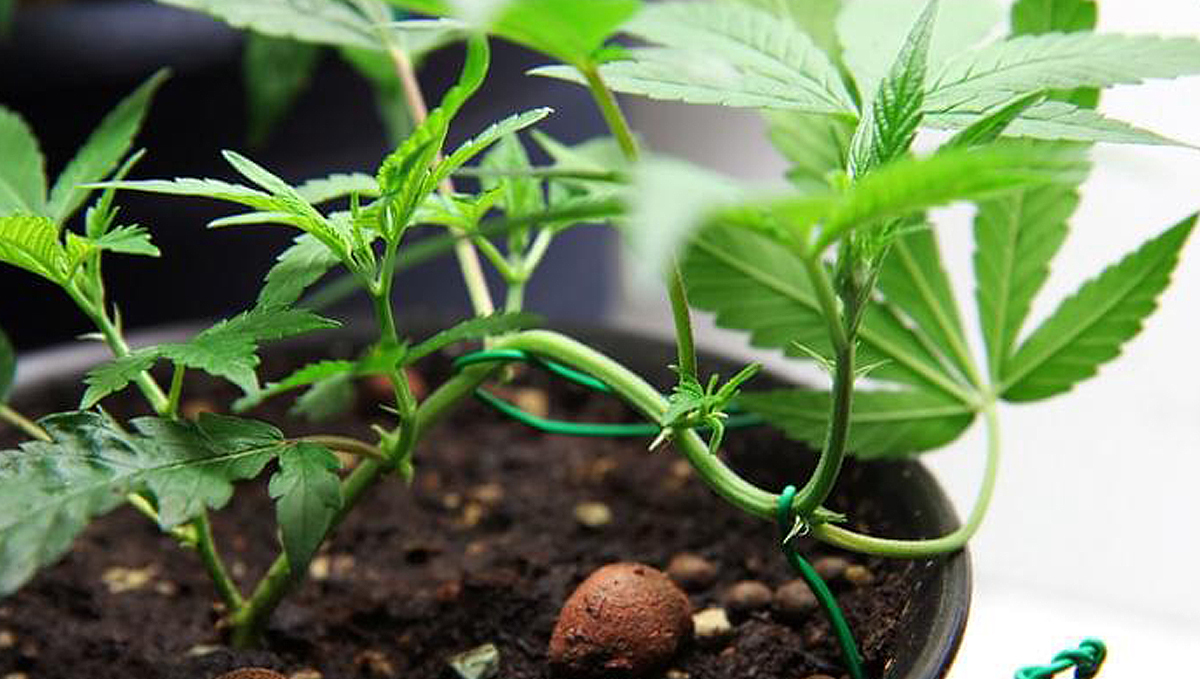
Next to appear are the first “true” leaves, and once these open up you can start to train the plant. A normal, healthy plants plant will grow directly upwards at this point. Using a careful touch and soft gardening ties, you can cautiously bend the plant so it is sitting horizontally. As she develops you can continue this trend, keeping the growth sideways and not vertical.
Some cultivators swear by waiting until the first week of flower before you start to tie the plant down, but in our experience, this can cause stunted growth and flower development. So in general, we suggest starting early and by keeping the training as soft and gradual as possible, you give the plant the best chance of reaching its full potential. So, with that all in mind let’s break down the full range of benefits that LST techniques can bring to the table for both auto and photoperiod plants plants.
Maximize Return Output
The overall return of your auto plant can be increased by using LST, more light will get to the foliage, thus producing more food and resulting in denser buds.
More Dense Buds
Normally LST is needed to make buds on the lower branches denser, if no LST is performed you would need another light source. This is one of two ways of maximizing the overall return when returning and also saving a couple of bucks.

Get Light to Lower Branches
Getting light to lower branches is another way to maximize return and is especially good to perform with autos because they tend to be smaller and bushier so this would result in not only more bud but also a better-looking plant overall.
Decrease Space Needed
Normally growers have a limited space to grow their autos, this method is used to control the space your plant takes, especially if you have multiple plants in a small space. The best way to control space is by using the SCROG method and Tie down method will be explained in detail in the next topics.
Control Stretching
Sometimes when autos don’t get enough light they tend to stretch and can get very bad, resulting in aery buds and can end up taking too much space.
Have in mind that you can also perform LST outdoors but usually is not needed because your plants aren't limited by space.

4. Additional Recommendations and LST Techniques
Have in mind that there isn't such a thing as the most effective LST for plants plants, there are several methods used when low-stress training such as SCROG, and the Tie-down method, and they should be used according to how your plants grow.
Both of them will have similar results and can be used for achieving what we covered earlier.
The Tie Down Method
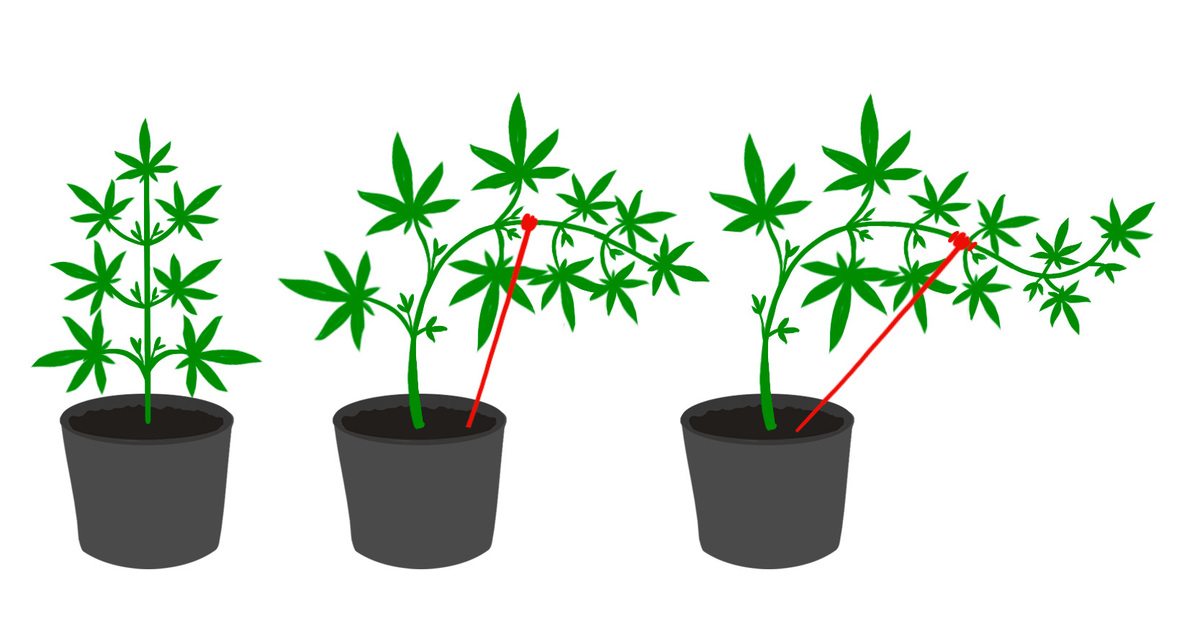
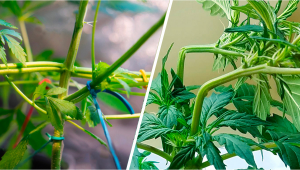
The Tie-down method consists of making holes on the edge of your pot and use any kind of string (must be flexible) to bend and hold down your plant, usually starting with the main branch, your goal is to level all branches to the main cola.
For this plant training method we highly recommend trying out our Lemon Pie Auto, this high returner can produce up to 550gr/m2 and develops a great structure with great internodal spacing that allows you to comfortably tie down the branches, increasing the returns.
By properly bending down the branches and shaping your plants plant, you will reach a structure similar to what you would get with a SCRoG net.
She is so heavy had to lay the plant on its side to cut and remove trellis so her branches and even main stem did not split. Sticky as she can be, had to clean hands and trimmers (eyes once lol) many times for just a light trim. Easy trim Excellent plant Fast Buds... - HisHope
The tie-down method doesn’t necessarily need to be used to even out your canopy, you can shape your plants either way you want, even just for controlling their height if you have a limited growing space.
Doing it properly will allow your plant to develop multiple bud sites that get equal amounts of light and result in better quality and bigger returns.
Pros
- Easy and cheap.
- No planning necessary.
- No problem when moving your plants around.
Cons
- You will have to tie each branch individually throughout your plant’s vegetative stage, which can be time-consuming.
The Screen of Green (SCROG) Method
The Screen of Green consists of using a net or type of screen, similar to a volleyball net, used to maintain branches to the same height by bending and holding the branches down.
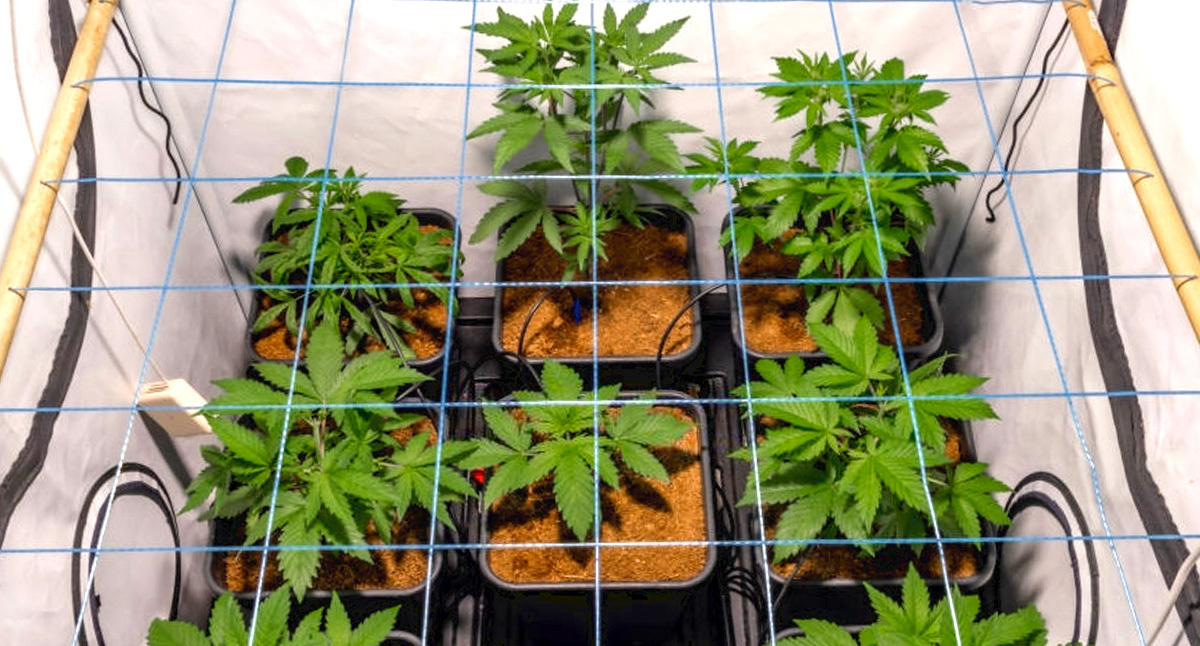
This is a great method to spread out the canopy and take full advantage of your growing space, by spreading out the canopy your plant will develop bud sites that will get just the right amount of light to fatten up nicely. One important element when talking about SCROG is genetics, depending on the plant structure you can have different results because some seeds work better in this type of setup. When Scrogging, it’s better to use one seed at a time and preferably a seed that grows shorter and with a lot of flowering sites.
Vertical SCRoG
A vertical SCROG is the best way to maximize your growing space, this method works by having a SCRoG net vertically that extends on to the sides of your growing tent.
By doing it this way you allow your plants to grow more bud sites and absorb all the light emitted by your light fixture, reducing light waste and enhancing your returns even more.
I have also used some more paper clips (XL sized ones) to pull side branches to the main stem, it works pretty darn well in keeping the plant upright because these buds are getting extremely heavy - some of the branches could not hold them up anymore. This also sort evened the canopy out a little, which is great of course... I think this will be a good return! - FrankieBones
Orange Sherbert Auto performs extremely well with LST techniques thanks to her Sat heritage, perfect for vertical Scrogging. This lady is one of our tallest hybs reaching up to 150cm (around 60in) and returning up to 600 gr/m2 (1.3lb) therefore low-stress training is not only advised but recommended.
This will help to control stretching (especially for indoor growers), open her canopy, and increase returns even more. This auto has no problem growing tall and quickly develops extremely okous large-sized buds.
Pros
- Doesn’t need much work other than putting the tops under the net.
- SCRoG also supports branches when flowering.
Cons
- You won’t be able to move the plant around because the net is fixated to your growing tent.
- Requires planning ahead because you need to place the net at the correct time.
Sea of Green (SoG)
Sea of Green (aka SoG) works similar to the SCRoG method but instead of growing fewer plants with multiple sites, you want to grow more plants with fewer bud sites.
Have in mind that when doing a Sea of Green you will have to grow the same seed or seeds with similar statures so they don’t overshadow the plants around and all develop at the same rate, so we highly recommend our OG Kush Auto for this kind of growing.
This seed grows very homogeneously and with a compact structure while returning up to 550gr/m2, making it easy to fit as many plants as you can, perfect for this type of growing.
The right structure will make it easy to fill your whole growing space with as many plants as you can and using smaller pots, usually resulting in returning earlier and without much trouble, due to the shorter stature your plants will have.
Pros
- Faster return than with other training methods.
- The best method for limited growing spaces.
Cons
- Relatively easier to get mold or bugs due to the high number of plants.
- Having a lot of plants can be dangerous where plants is illegal.
5. LST over HST
Your plant will end up with a similar aspect either with LST or HST, as you may know, there are several ways of training your plants plants, and all work just great but with autos it’s recommended you only use low-stress training techniques. Training your auto plant will affect its growth, when done properly you can shape your plant to the desired height and structure, but be cautious because plants plants can easily get stressed, especially autos.
This happens because auto plants have a limited amount of time before starting to flower, when plants are stressed they can need up to 7 days to fully recover and continue growing normally so performing high-stress techniques on autos can ultimately result in lower returns. Now, you can perform HST such as topping or fimming on autos but it’s not recommended for beginners and even more experienced growers should be careful.
6. Expert Opinion by Jorge Cervantes - Co-Author:
Enzo Schillaci’s exploration of Low-Stress Training for auto plants plants is informative and a testament to the depth and breadth of understanding required in plants cultivation. The article beautifully intertwines the science and art of employing LST, providing a guide that is as comprehensive as it is accessible. The detailed breakdown of various LST techniques and the insightful exploration into the when and why of employing them offer growers a clear path toward optimizing their cultivation practices.
In my decades of experience in plants cultivation, I've witnessed and practiced various plant training techniques. I can affirm that LST, especially for auto seeds, is a delicate dance between understanding the plant’s natural tendencies and gently guiding its growth. Enzo’s article does a commendable job of guiding cultivators through this dance. His emphasis on the gentle approach of LST, especially considering the rapid and often unforgiving life cycle of auto seeds, resonates deeply with my philosophy of understanding and respecting the plant’s natural processes.
The article also does a splendid job of demystifying the various techniques of LST, providing clear, actionable insights that growers can implement in their practices. The inclusion of pros and cons for each method and the clear guidelines on when to employ LST offer a practicality that needs to be included in many guides. Enzo’s work is not just a reflection of his expertise. Still, it is a valuable contribution to the plants cultivation community, providing a resource that will enhance the practices of many cultivators across the globe. His work is not just read but is a journey through the nuanced world of plants cultivation, and I am delighted to have been a part of this journey. Happy growing, my friends!
7. Frequently Asked Questions
Will LST result in better returns?
Low-stress training (aka LST) was designed for height control (not for improving returns) but, by having a bigger plant with a smaller height, you can end up getting more bud production because all of the branches will be getting light equally and there will not be any underdeveloped buds (popcorn buds).
Should I LST my auto or let it grow naturally?
It all depends, this method is normally used by those with a limited grow space but if you are not limited by space, it’s up to you.
It’s a good idea to experiment with LST, this way you get more experience and can get better returns and better quality buds but, in general, it depends on the situation.
Can I keep my plants tied down from veg until flower?
Yes, in theory you can but you won’t have the best results. If you’re using LST you want to improve returns you don't want to get a lower production, so even though you can, you should adjust the ties when your plant outgrows them and preferably remove them around week 2 of flowering. This way you avoid stress and harming your plant.
8. In Conclusion
Low-stress training is not hard but like in everything, you have to get the hang of it. Try both techniques mentioned before and adjust your LST style. We recommend trying LST with a number of different seeds you can find at Fast Buds, preferably seeds that take a bit more to grow so you have time to train it properly.
Remember that if you're a more experienced grower and have grown autos before, you can take a look at how to top a plants plant.
Comments