
Plants Trim - What To Do With Plants Trim And Fan Leaves?


- 1. What is trim?
- 2. Disposing of the trimmings responsibly
- 3. Choosing what to make
- 4. Making the most out of trim
- 5. Making water extractions
- 5. a. Materials needed
- 5. b. How to make
- 6. Dry sift extractions
- 6. a. Materials needed
- 6. b. How to make
- 7. Plants decarboxylation
- 8. Making cannabutter
- 8. a. Materials needed
- 8. b. How to make
- 9. Infused olive oil
- 9. a. Materials
- 9. b. How to make
- 10. Other ways to use trimmings
- 11. In conclusion
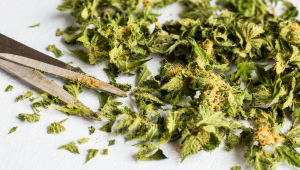
When talking about growing plants seeds, trimming consists of removing the excess foliage on buds to make them appealing and ready for consumption. When trimming buds, you usually have a lot of plant material left, which can be used to make different plants products.
The frosts on the leftover material can be used to make extractions such as dry sift extractions, water extractions, edibles, and even topical creams. So before starting your 2026 grow cycle, make sure you know how to trim plants and make the most out of leftover plant material.
1. What Is Trim?
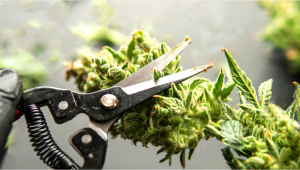
Plants trimmings and plants fan leaves are the plant leftovers after manicuring our buds. When our plant is ready to be returned, there is an excess of plant material surrounding the buds.
This excess must be removed before curing.
When trimming, we not only remove the small leaves coming out of the buds but also the bigger leaves. So when talking about plants trimming, we refer to all the plant material left over, including the leaves, popcorn buds, stems, and any other part of the plant that we may have removed.
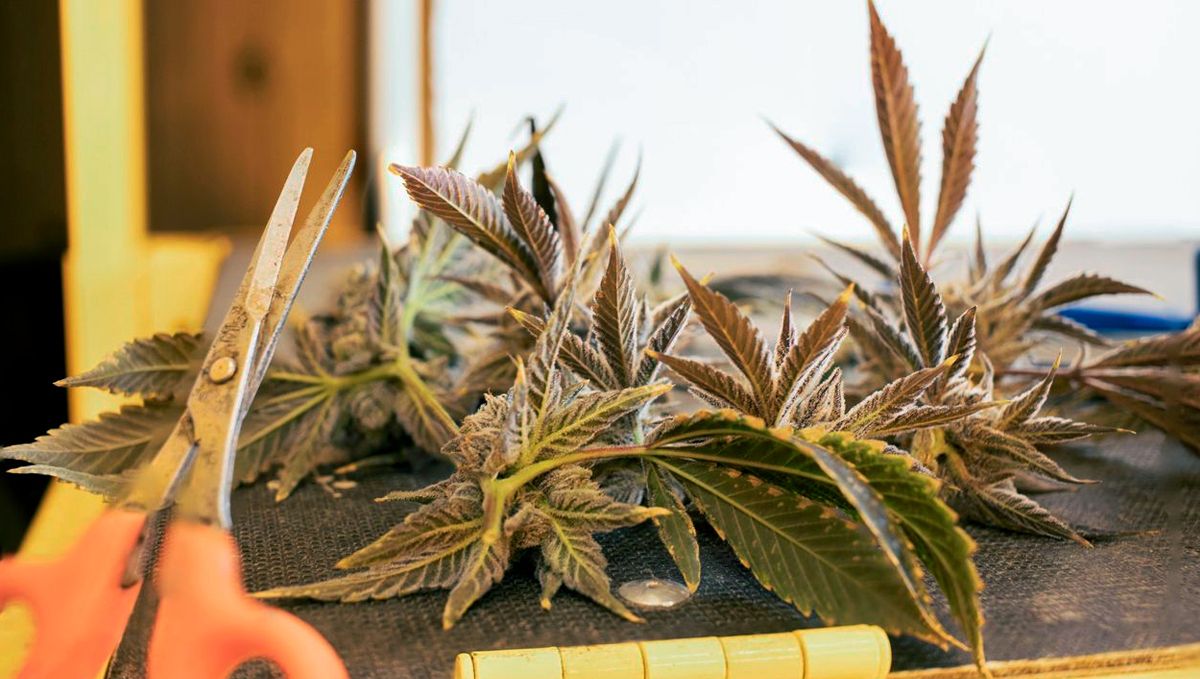
Depending on the genetics and type of training and pruning you performed on your plant, there can be quite a lot of plant material left. If you did a good job growing your plants, the excess you removed can be covered in ok.
There are two different ways of trimming: one consists of trimming before drying (wet plants trim), and the other consists of trimming after drying (dry plants trim). In either one of them, you will have plant leftovers (aka trims and fan leaves) that may still be covered in frosts.
Keep in mind that the leftovers will not always have ok. Sometimes the plant doesn’t produce frosts on areas surrounding the buds.
If you’re planning on using leftover trimmings to experiment and learn more about the different things you can do with plants, we recommend growing seeds known for their potent ok production, such as the Frostbanger Auto.
2. Disposing Of The Trimmings Responsibly
After finishing your grow cycle, you may want to use the trimmings and leftover plants fan leaves to avoid wasting precious frosts, but it’s unlikely you’ll use everything. Simply because some plants just don’t produce a lot of ok, and sometimes there isn’t enough to make it worth the effort of turning the trimmings into something else.
However, it doesn’t matter if you make something out of the trimmings or not. You need to be aware of how you discard the leftover plant material because, first of all, you may get in trouble if someone finds plants leftovers in your trash, and second, because plants trimmings can potentially be psychoactive and you don’t want to endanger animals or kids that may find the trimmings and plants fan leaves.
This is why you need to be mindful of how you discard your trimmings. There are several ways to dispose of plants leftovers. You can compost them, or Double-bag the trimmings to make it harder for someone to smell them or find them accidentally.
3. Choosing What To Make
The quantity of plant leftovers you will have depends mostly on the number of plants you’re returning at the same time. The training and style of pruning will also influence that amount, but obviously, returning 5 plants at the same time will result in more trim than 1 or 2 plants. There are several things to do with the leftovers. The most common are dry sift extractions, water extractions, cannabutter, infused olive oil, and vaping the leftovers.
What You Can Make With Trimmings
| Preparation Time | Amount Of Trimmings | Returns | Products |
|---|---|---|---|
| 30 min | 10 g | 1 g | Water Extractions |
| 20 min | 10 g | 1.5 - 2.0 g | Dry Sift |
| 2 - 3 hs | 10 g | 0.3 g strength per 1 g | Cannabutter (500 g) |
| 2 - 3 hs | 10 g | 0.3 g strength per 1 g | Infused Olive Oil (500 g) |
4. Making The Most Out Of Trim
Have in mind that for all these things, except for the water extractions, you will need to dry the trim, especially if you have wet-trimmed your buds.
Water extractions can be made with fresh or dried trim. However, dry leaves can be more brittle, so be careful and gentle. The final goal is to have a clean product with no plant material in it to make it harsh.
Making cannabutter or oil, or simply vaping wet trim, will leave a strong plant flavor. It’s recommended that you dry your trimmings before making anything with them. Since trimmings aren’t as dense as buds, they shouldn’t take very long to dry properly.
Keep in mind that for every plant you return, you’ll generally end up with around 10–30 g of trim, and you’ll need quite a lot of it for some of the following methods. The amount and quality of trim depend on several factors, mainly the quality of the genetics and how you train and prune your plants.
5. Making Water Extractions
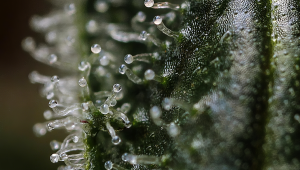
Water extractions is recommended if you have a lot of plant material to work with. Usually, water extractions has a 5-10% return rate, depending on the quality of the trim. That means that for every 200g of plants trim, you will get around 10-20g.
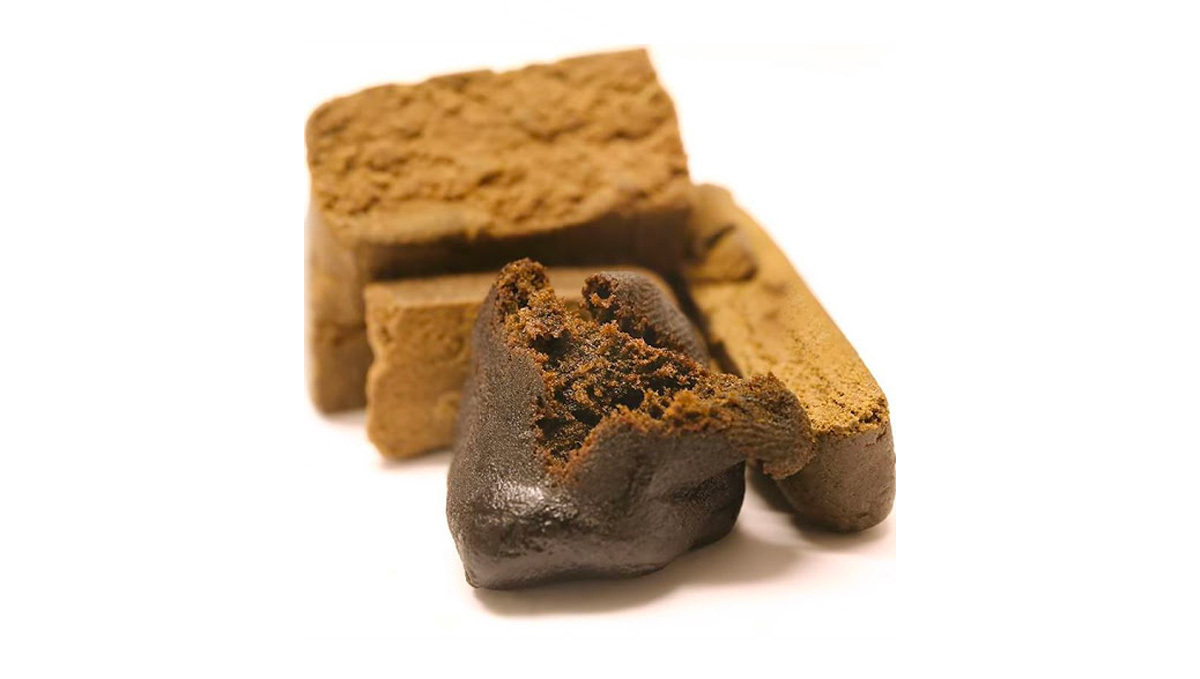
This technique is usually recommended for more experienced users because you have to be aware of a lot of things for it to be done properly.
Materials Needed
- Ice
- Frozen plants trim
- Dried plants trim
- Bubble extractions bags
- Buckets
- Big metal spoon
- Water hose
Remember that you can use a extractions washer to automate the process.
How To Make
For this method, you will have to place the bubble bags on the bucket. The bubble bags are the filters that will separate the residues from the frosts and separate frost heads by size. First, mix the water, ice, and frozen trims or plants fan leaves, and let the trims hydrate for 30 minutes (if dry). If the trims are not dry, you need to mix the water, trims, and ice gently so the frosts fall down from the trims and mix in with the water. After 2 -3 minutes of gently mixing, lift the bubble bags and use the water hose to wet the sides of the bubble bags to make the frosts stuck to the sides go down to the bottom of the bubble bags.
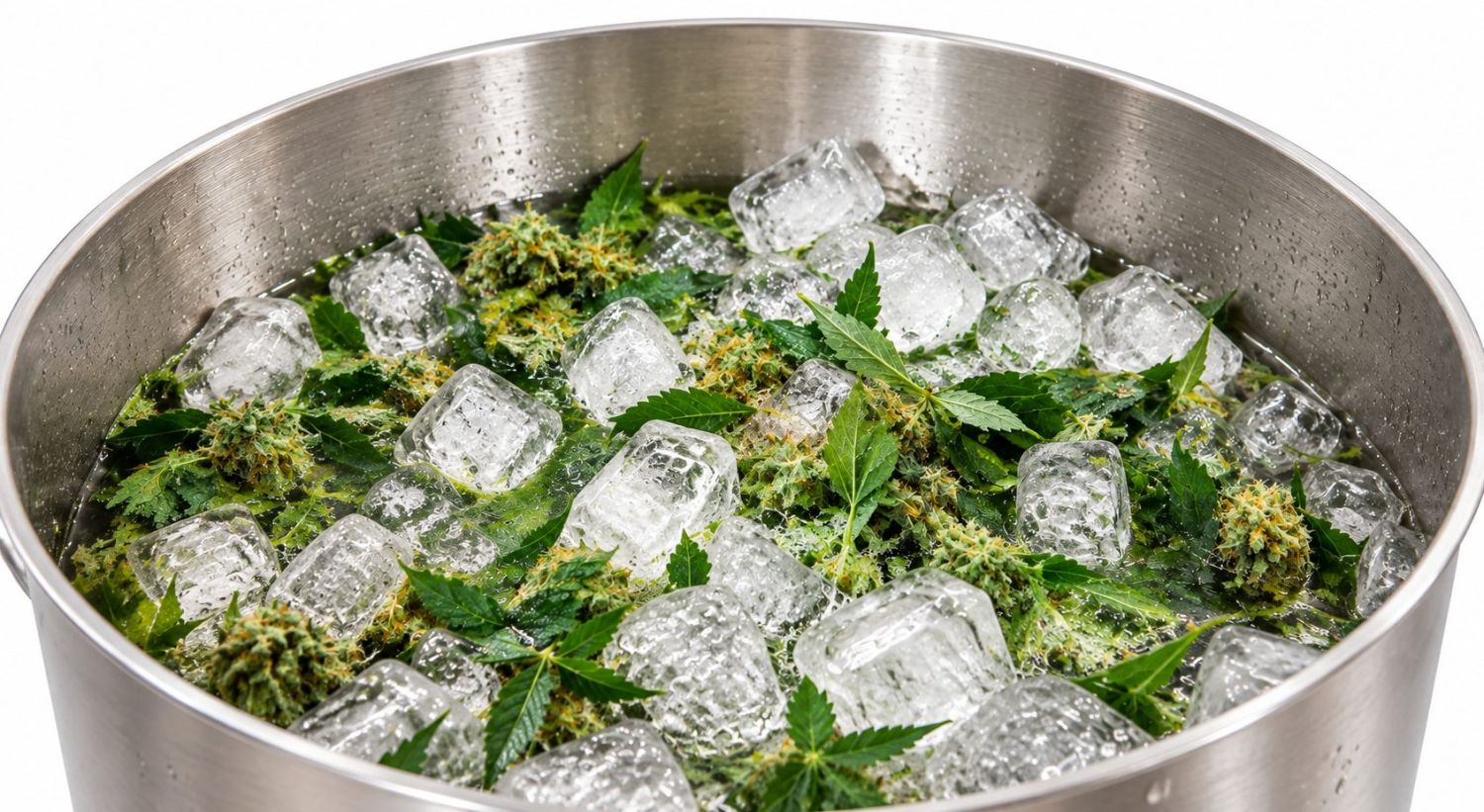
At this point, you should be able to see a bit of frosts together on the bottom. Repeat this process, but stop before the trim and leaves start to disintegrate. When you see the plants trim starting to disintegrate, use the hose to wash the sides of the bubble bags and remove the extractions with a metal spoon. Place it flat on a piece of cardboard, away from heat or strong sunlight, and let it dry. For a better final quality, you can dry your extractions in the fridge. After a couple of days, it should be ready to be consumed.
6. Dry Sift Extractions
For dry sift extractions, you don’t need as much trim as for water extractions because it has a higher return rate of about 15-20%. As said before, it depends on the quality of the trim.
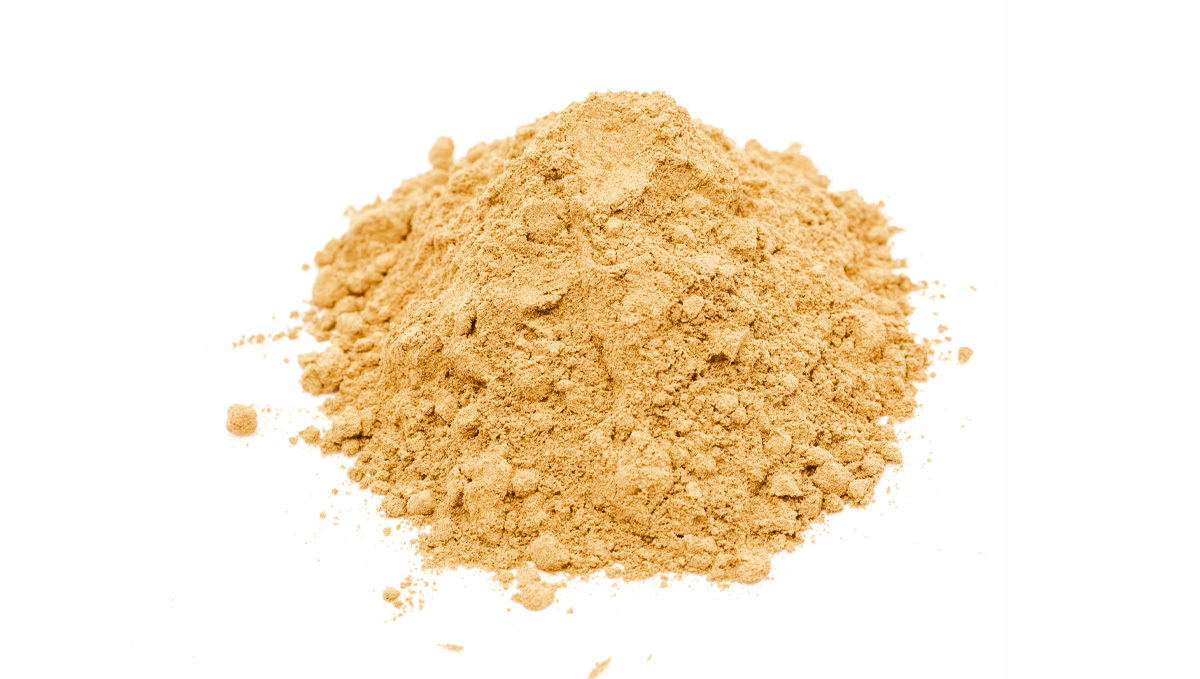
This means that for every 200g of trim, you will get around 30-40g. This technique is one of the easiest and simplest, and you will only need a couple of things.
Materials Needed
- Bubble bags or specific micron filter mesh
- Trims
- Card to collect kief
- Clean and big surface
How To Make
There are a couple of ways to make dry sift extractions. One of the most common ways is to freeze the trim, place it in the bubble bags, and shake it. By shaking it, all the frosts will fall through the filter mesh and land on the surface underneath. That’s why you need a big and clean surface. After shaking for around 5 min, you can collect the extractions with a card (like a credit card) and shake again.
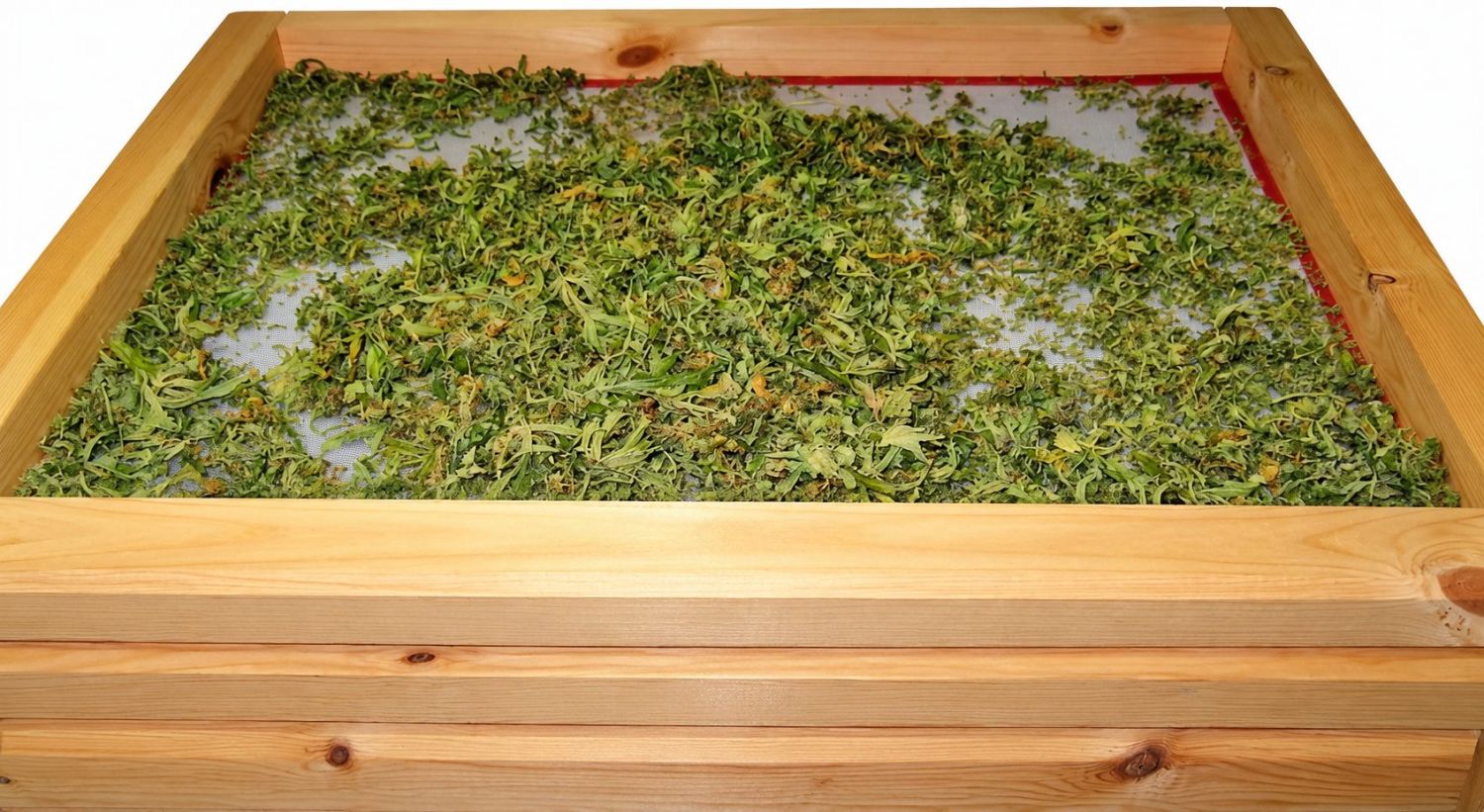
The more you shake, the more extractions you will have, but be aware that the quality will be lower on each cycle after the first. You can do this after you see small pieces of plant matter starting to fall through. There is also special equipment available that has the mesh on top of a bucket, so you don’t have such a hard time collecting the kief. This is one of the easiest methods to make full-spectrum extractions.
7. Plants Decarboxylation
When making dry sift and water extractions, there’s no need to decarboxylate the trimmings because they will get decarboxylated (aka transform strengthA into strength) when exposed to fire (smoked), but for the edibles to actually get you high, you’ll need to activate the strength. This means that you need to heat the plant material, so here are 3 ways to do it:
Decarbing By Sous Vide
The nature of sous vide makes this method super easy, but it’s definitely more expensive than the other ones because you will need an immersion circulator, which can cost up to $100. Despite the high price, the immersion circulator lets you dial in the exact temperature you need, which preserves the flavor and strength while producing almost zero smell.
To decarb your plants this way, you’ll need:
- Immersion circulator;
- A large container;
- Plastic resealable bag;
- And a vacuum sealer.
Decarbing In An Oven
Decarboxylating plants in an oven is probably the easiest method of all because you don’t need to buy anything. The downside is that the temperature dial shows an approximate temperature, not an exact one, so you need to be careful to avoid burning your plant material.
Set the temperature at around 90 - 100 °C, but keep an eye on it. If it turns brown too quickly or if it smells like it's burning, turn the oven down. You can also use an oven thermometer to help you with the process, but it’s definitely not obligatory. To decarb your plants in the oven, you’ll need:
- A baking tray;
- Aluminum foil or parchment paper;
- And an oven.
Decarbing In A Glass Jar
Decarbing in a glass jar or mason jar is basically the same as in the oven, but it has a couple of benefits over decarboxylating on the baking sheet. Doing it in a jar minimizes the smell, and it can be harder to burn your plant material, so you don’t have to worry about burning your trimming as much. To decarb your plants this way, you’ll need:
- A glass jar with a lid, preferably a mason jar;
- Baking tray;
- Kitchen towel;
- And oven gloves.
8. Making Cannabutter
Cannabutter is usually used in edibles like brownies, cakes, and cookies. You don’t need nearly as much trim as when making extractions.
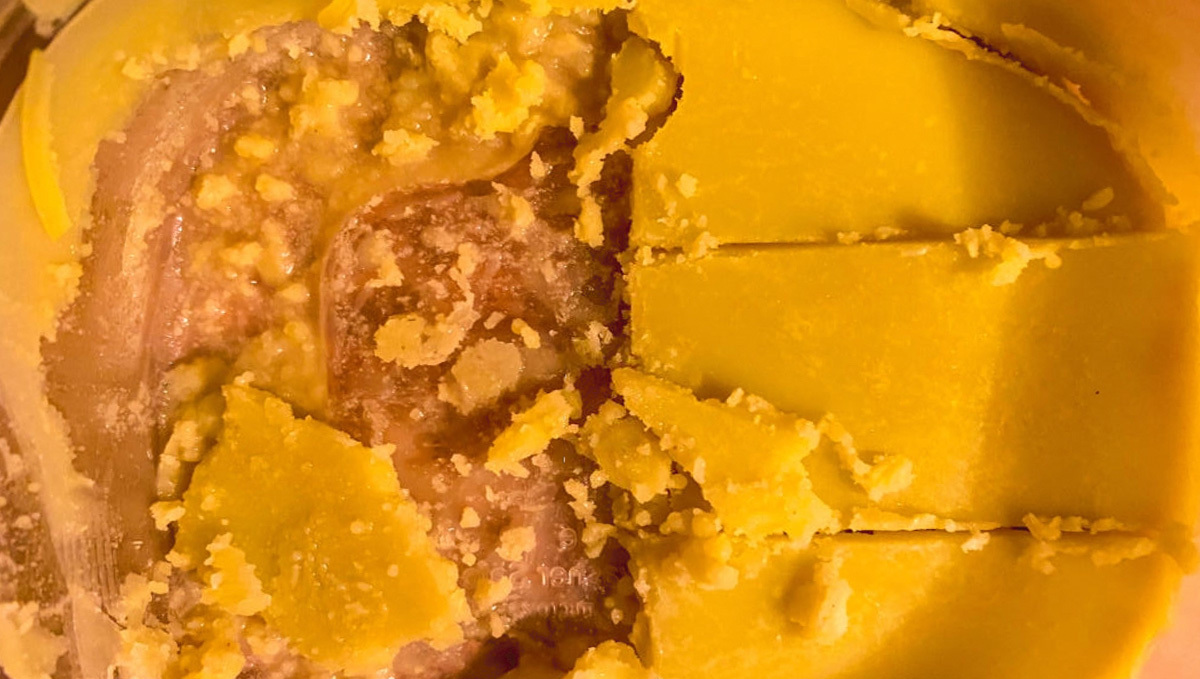
You can make cannabutter with as much trim as you want. The amount you use will influence the potency of the edible. Usually, a potent edible will have around 20 or 30g of trim, depending on the quality.
Materials Needed
- Butter
- Plants trim
- Stove
- Pot
How To Make
Preheat your oven to 100°C, place the trim on an oven-safe tray, cover with parchment paper or tin foil and leave in the oven for around 20 - 30min. Every 10 minutes, gently mix the buds gently so that they don’t burn and everything to decarboxylates equally. After everything has cooled down, place the decarboxylated trims in a glass jar along with the butter and put it in a water bath until the butter melts.
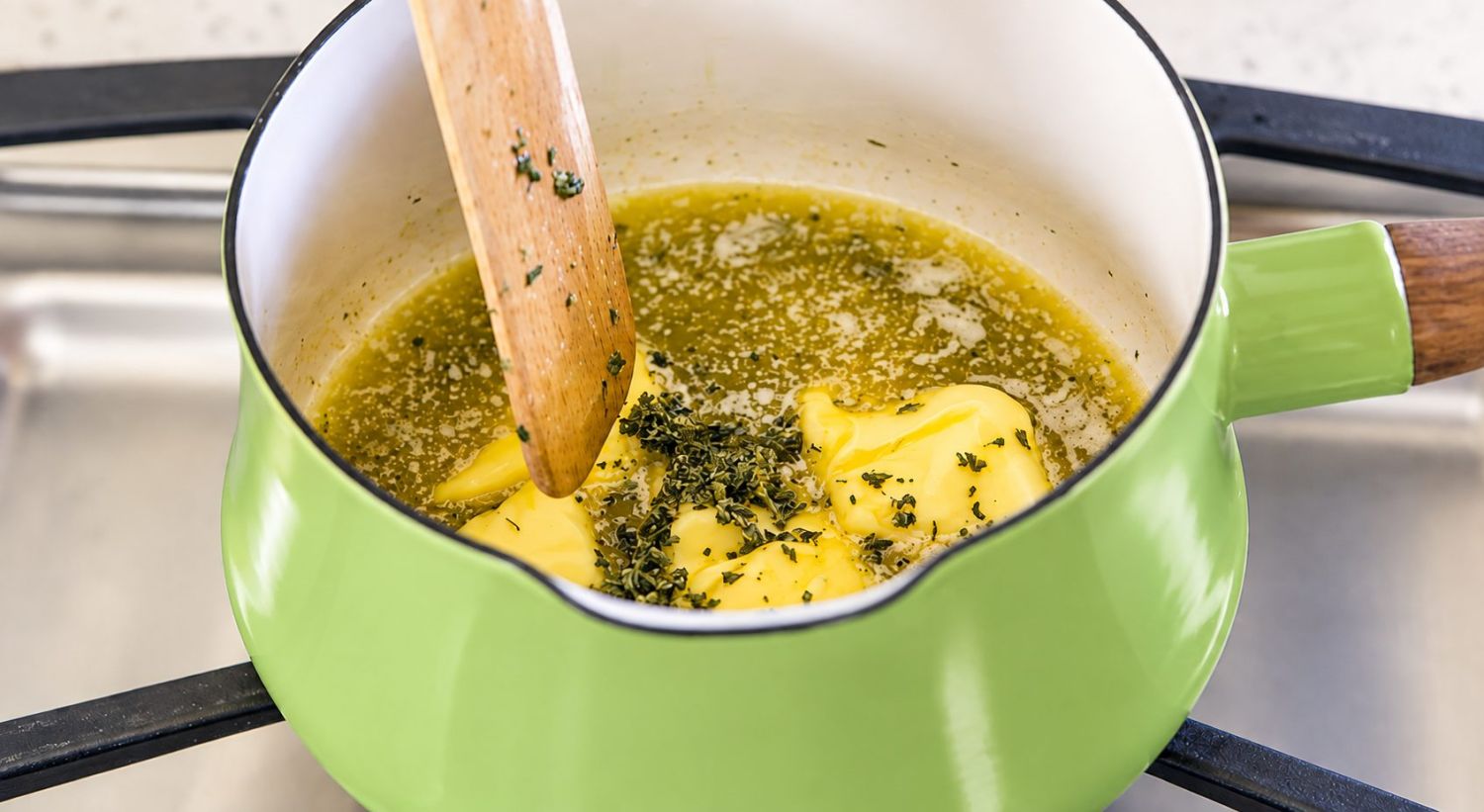
Be careful to not let the mixture exceed 95°C, and it NEVER should come to a boil. Remember, adding more water to the water bath helps keep a lower temperature. After 2-3 hrs in the water bath at 95°C, seed the cannabutter and refrigerate until the butter solidifies and the excess water forms at the bottom of the jar. At this point, it is ready to use.
The best way to use cannabutter is to incorporate it as a topping or filling after you have baked the cake, cookies, brownies, or whatever you make. If you bake the cannabutter, it may lose its potency.
You can also make infused milk, it works the same way but instead of using butter you use whole milk.

9. Infused Olive Oil
Infused olive oil is a great way to consume plants without having to smoke it. Just like cannabutter, it should be consumed cold, in a salad, or in a way you don’t apply too much heat to it.
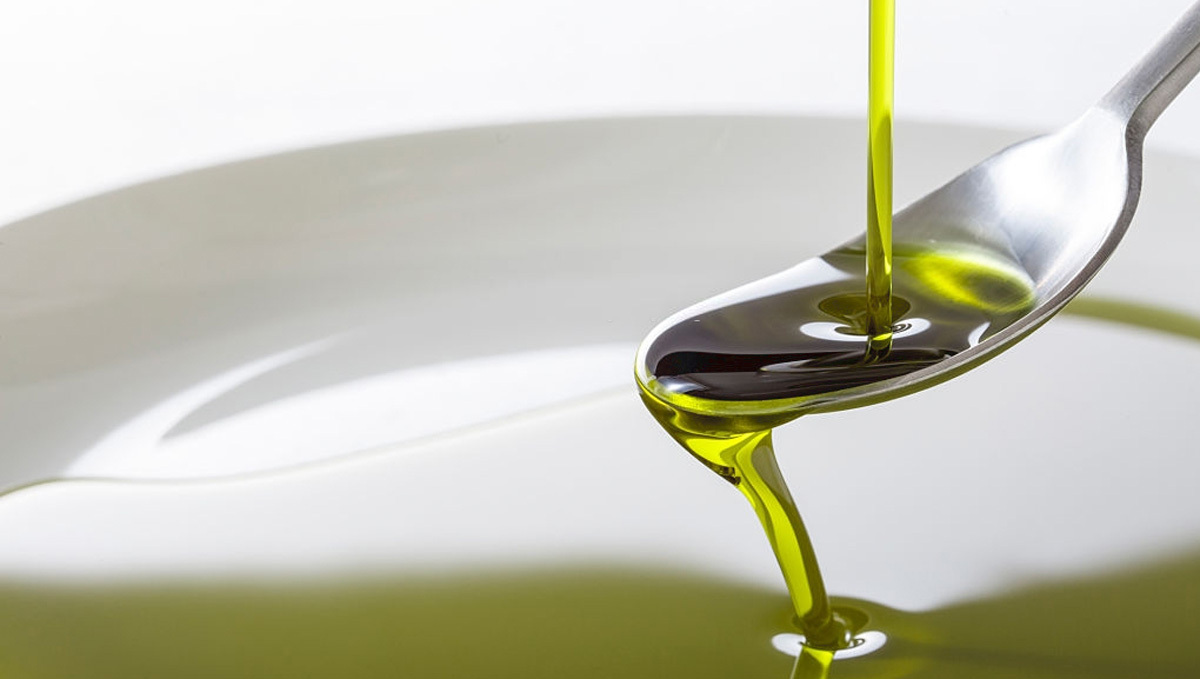
Also remember that this infused olive oil can be used on your skin and will have the same effect as when eating it, although it won't be as strong. Another great alternative is to make infused coconut oil, which is better to apply on your skin and leaves a delicious smell!
Materials
- Olive Oil
- Plants trim
- Container
- Pot
How To Make
Infusing olive oil is kind of similar to making cannabutter but simpler. You will need a good quality olive oil. Place it in a pot or saucepan on medium heat until it almost boils. When it is starting to bubble turn it off and add the trims, you can also add other herbs such as rosemary, thyme, or basil. The extra herbs will not only mask the strong plants flavor but will also make the oil taste better.
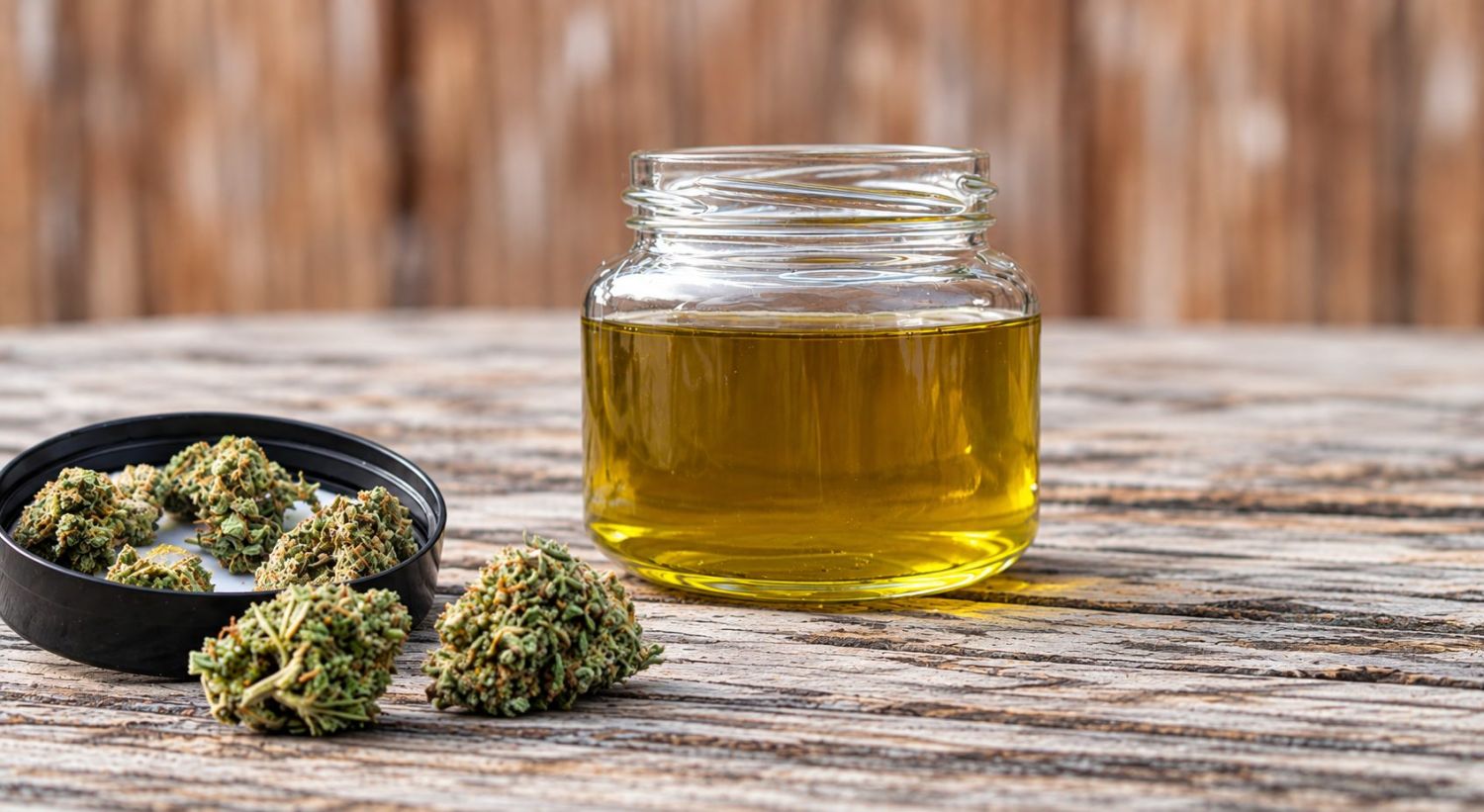
After around 2 or 3 hours of letting the herbs (including the plants trimmings) simmer in the olive oil, you can remove it from the stove, seed it, and store it in a glass container. As long as you store it in a cool place, it will be good for up to a year.
10. Other Ways To Use Trimmings
Due to plants trimmings containing the same strength as the flowers (although in much smaller concentrations), you can consume the trimmings in the same ways as you would consume flowers.
Vaporize Trimmings
Apart from making extractions and edibles, you can vaporize the trimmings, pack a bowl, or even roll a joint with it. Now, the trimmings won’t get you as high as smoking the flowers, but it’s a good alternative if you’re looking to microdose or if you don’t want to get super high.

Plants Milk
With the plants trimmings, you can also infuse the milk and make your own plants milk at home. All you need to do is mix milk and ground-up plants, stir the mixture for 30-40 minutes on low heat until the milk turns into a yellowish-green color. Then seed the trimmings and store the plants-infused milk in the fridge until the milk’s expiration date. This is a great way to make plants milkshakes, coffees, or smoothies!
Infusing store-bought Topicals
But, if you want to keep things simple and easy, all you have to do is follow the same process but infuse coconut oil instead of aromatic oils. Once you have infused the coconut oil, all you have to do is mix it with your favorite skin topical or cream, and you’re set!
Make a Plants Tincture
You can infuse plants into practically anything as long as it contains alcohol or lipid to absorb the strength. This means you can also make plants tincture with the trimmings. All you have to do is get some high-proof alcohol and let your trimmings soak in it for a few weeks. Shake or mix the mixture once or twice a day to speed up the infusion process. If you’re looking to make a more potent tincture, let the alcohol and plants mix in an open-air container for the alcohol to evaporate and the cannabinoid content to become more concentrated. Or you can speed up the process by doing the same in a double boiler, but remember that alcohol is flammable, so you should be extremely careful. This plants tincture can be added to any type of food or drink or absorbed orally for a fast-acting “edible”.
Topicals and Creams
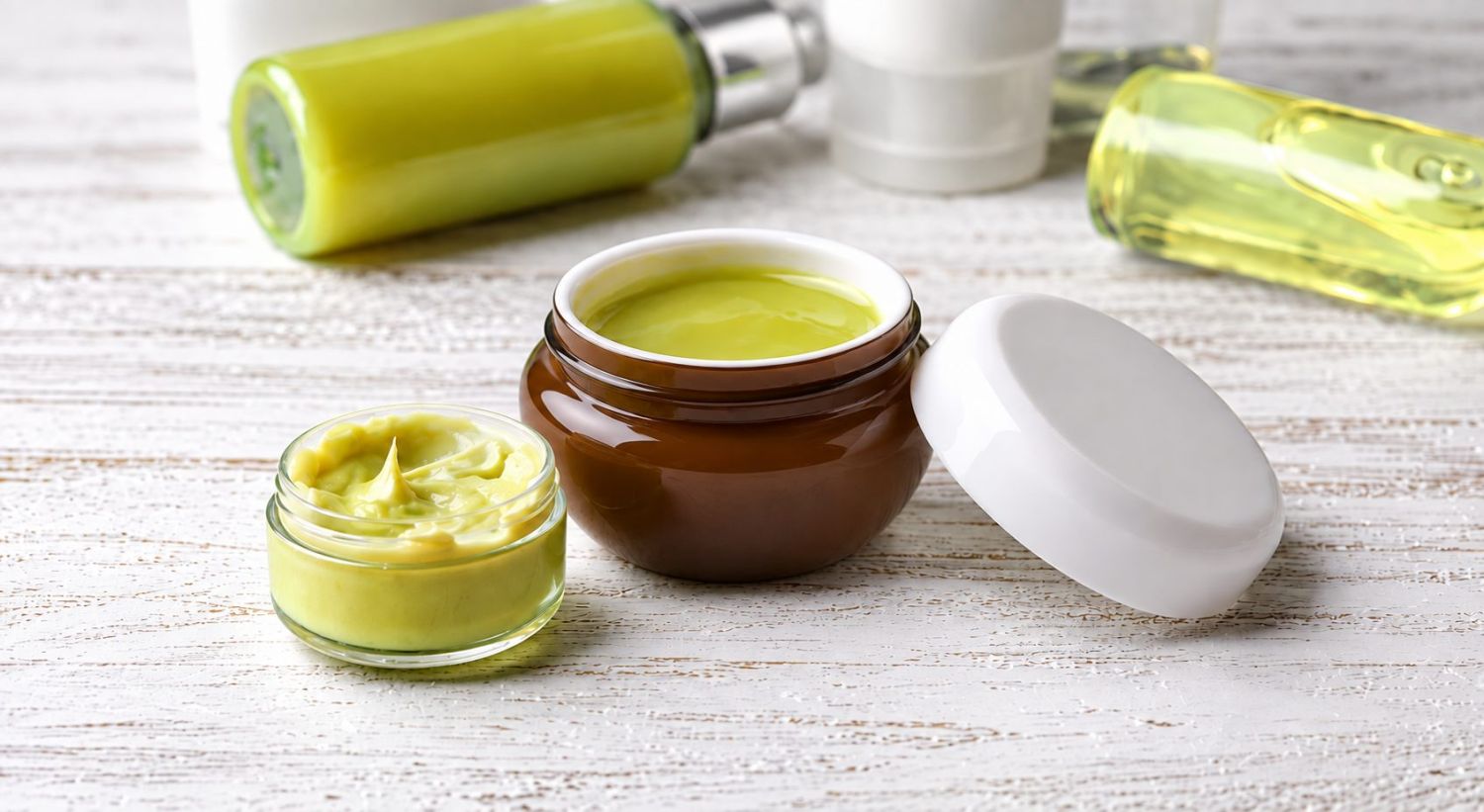
Plants trimmings and fan leaves are also a great way to make skin topicals and creams. All you have to do is decarboxylate your plants, as explained above, then grind it into a fine powder and mix it with the essential oils of your choice, such as lavender, rosemary, clove, or lemon. Then place everything in a glass bottle and let it infuse for 3-4 days up to 1 week, mixing thoroughly every 12-24 hours.
Plants Juice
Another way to consume the benefits of plants is to make plants juice with the fan leaves and trimmings. Now, plants juice will not get you high at all, but plants leaves contain lots of proteins as well as Omega-3 and Omega-6. This is a super healthy way to reduce waste. Just remember that the leaves should be healthy! There’s no denying that sugar leaves possess more frosts than fan leaves. There’s a good reason they’re the first choice when it comes to making extractions and other products with trim. However, recent scientific findings have revealed that fan leaves are perhaps the most overlooked part of the plants plant. While you won’t want to roll them into a joint or pack them into a bong bowl, they can play a great role in a health regimen.
You can essentially view plants fan leaves as a leafy green vegetable that’s not far off from kale, spinach, chard, and other more popular options. Much like these common types of veg, fan leaves are packed with nutrients that make them a valuable addition to salads, smoothies, and juices. But what exactly makes plants leaves so special?
These large natural solar panels don’t contain many strength and flavor, the two most popular groups of phytochemicals found in plants. However, they are high in flavonoids. This family of compounds is classed as polyphenols and, along with strength and flavor, occur in plants as secondary metabolites.

This means they aren’t directly involved in the growth and reproduction of plants. Instead, they play an important role in defense against different kinds of stress. As pigments, they help to reflect certain types of light and also serve as a form of communication between plants and microorganisms. Flavonoids are abundant in an array of popular plants and plant products, such as chocolate, wine, tea, fruits, and vegetables.
Plants fan leaves contain some flavonoids that are found in many other plant species. These compounds include apigenin, luteolin, kaempferol, and quercetin. These chemicals are well known for their anticancer and antioxidant properties. Interestingly, quercetin actually interfaces with the endocannabinoid system—the same physiological system that strength, Extract, and other strength interact with. As well as these ubiquitous flavonoids, plants fan leaves also house flavonoids that are largely unique to the plants plant known as cannaflavins. These fascinating molecules make plants fan leaves a particularly desirable plant to start juicing. Why? Because cannaflavins have been shown to possess powerful anti-inflammatory effects. In fact, one study found a member of this chemical group to produce 30 times the anti-inflammatory effect of the drug aspirin.
So, next time you defoliate your leaves part way through the growing cycle, or cut them off following return, why not put them to good use in the kitchen before throwing most of them onto the compost pile?
Use for Garden Compost
And finally. You can use the plants trimmings or fan leaves to make compost. Compost is also a great way to reduce waste while enriching the soil. Remember that you can compost trimmings and fan leaves, but you can also compost the stems, stalks, and everything else. This leftover plant material is a great way to add nitrogen to your compost pile, which can be recycled and used on your next plants grow cycle. This compost can not only be used mixed in the substrate but can also be used to make compost teas that will help you correct minor deficiencies and provide the micronutrients your plants need.
11. In Conclusion
There’s no need to throw away any part of the plant when in the process of plants trimming, especially if you know how to trim plants. Have in mind that even the roots and branches can be useful if you know how to use them.
Remember the amount of frosts in the plants trim will vary according to how you grow your plants. The type of nutrients, environment, training, and pruning will have a direct influence on the quality and quantity of your trim, and this may dictate if it’s worth actually making something with the trimmings and fan leaves or not, and what to make. Apart from these elements, genetics are the main factor that influences frost production, so make sure you start with high-strength seeds such as our Strawberry Gorilla Auto RF3.





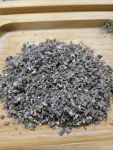
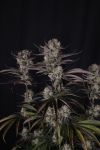

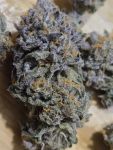
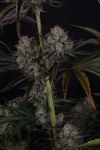
As mentioned, making plants products with plants trimmings and plants fan leaves is not obligatory. You can always dispose of the plants trimmings and fan leaves, but you’ve spent time and money growing your plants, so you might as well make the most out of every single thing you have available.
If you have more tips on how to make the most out of trimmings and plants fan leaves, such as homemade edible recipes or other plants-infused products, feel free to help fellow growers by leaving a comment in the comment section below!
FAQ
Plants trim usually refers to the smaller leaves found close to the flowers, particularly sugar leaves. Fan leaves are the large, recognizable leaves that grow away from the buds. Sugar leaves generally contain more ok than fan leaves.
Plants trim can be smoked, but it generally produces a harsher and less flavorful experience than properly prepared flower. The amount of ok present in the trim also makes a significant difference.
Yes. Plants trim can be frozen for later use. Freezing is particularly common when people want to preserve freshly returned material for fresh frozen extractions, for example.
Dried trim should generally be kept in the same conditions as flower. That is, a clean, airtight container away from excessive heat, moisture, and direct sunlight. Proper storage helps limit deterioration and preserves the plant material for longer.
Yes. Trim can develop mold when it contains too much moisture or is stored under unsuitable conditions. Any plant material showing visible mold or an unusual musty odor should be discarded rather than consumed.
Plants trim, particularly okous sugar leaves and small buds, is sometimes used as the starting material for cannabutter. Because trim is usually less potent than flower, results can vary considerably depending on the amount and quality of the material.
Okous plants trim can be used as starting material for certain plants oils and infusions. Potency will vary depending on the amounts.
Yes. Plants leaves and unwanted trim are plant material and can be added to compost. Cutting or shredding larger leaves can help them break down more quickly.
That depends on what you intend to do with them. Fan leaves contain relatively little ok compared with sugar leaves, so many growers compost or discard them rather than keeping them with higher-quality trim.
High-quality trim usually contains plenty of sugar leaves, visible frosts, and sometimes small pieces of flower. Trim consisting mostly of large fan leaves, stems, and non-okous material is generally considered lower quality.
Comments