
Plants in Pennsylvania: Plants Legal Status Guide


- 1. Medical plants legal in pa. since 2016
- 1. a. What do you need to become a medical plants patient in pennsylvania
- 1. b. Is the cost of treatment covered by medical insurance?
- 1. c. Minors and caregivers
- 1. d. Can a patient grow plants for personal use?
- 2. Recreational plants use and possession laws in pennsylvania
- 2. a. Personal possession decriminalized in certain jurisdictions
- 2. b. Driving under the influence
- 2. c. Is small-time cultivation a criminal offense in pennsylvania?
- 3. Are strengtha and delta-8-strength legal in pennsylvania?
- 4. The push for legalization
- 5. Final thoughts
Almost all of Pennsylvania’s neighbors, except West Virginia, have already legalized recreational plants, but the state’s lawmakers still deliberate on the issue and the substance hasn’t even been decriminalized yet, meaning that the user runs the risk of jail time for even simple possession. On the other hand, the medical plants program in Pennsylvania is quite robust and looked upon as a model for the future adult-use legalization. Experts predict further reform in the near future. Read on to find out more.
Medical Plants Legal in Pa. Since 2016
The bill legalizing medical plants in Pennsylvania was signed into law in 2016, but the first dispensaries opened only in 2018. The industry is booming, having progressed from just $57 million in sales in the first year to $1.5 billion in 2023. At the moment, there are at least 181 medical plants dispensaries and 32 farms serving a growing patient community of more than 440,000 patients, or about 4% of Pa.’s adult population.
What Do You Need to Become a Medical Plants Patient in Pennsylvania
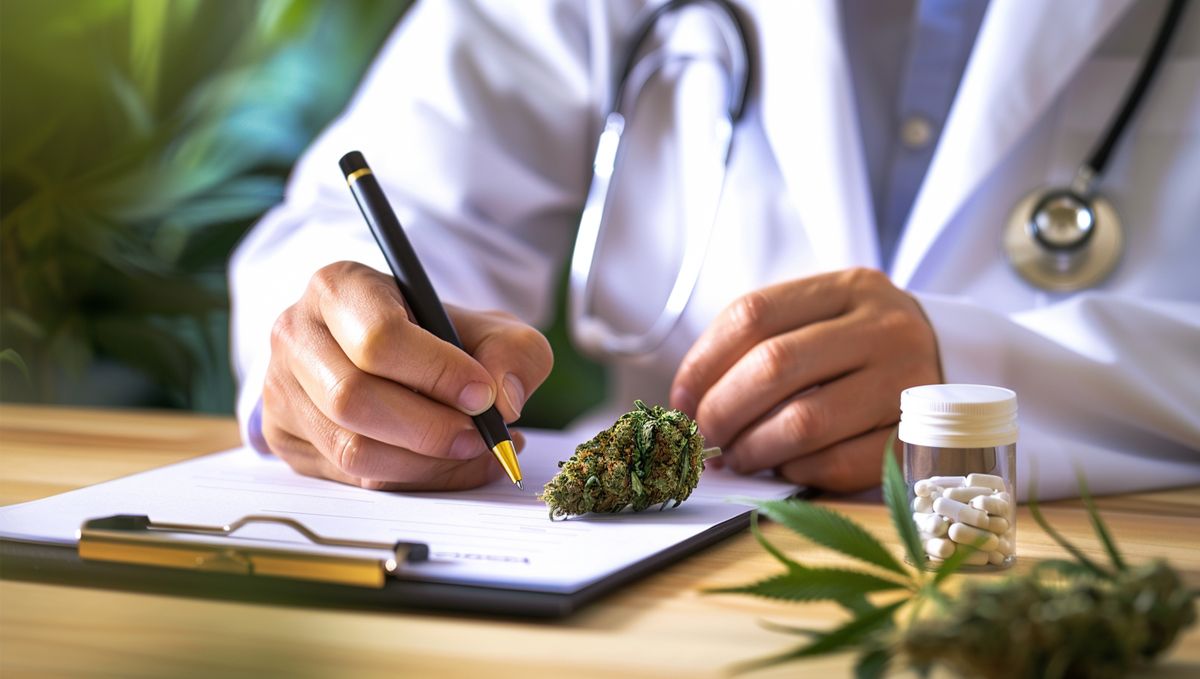
If one wants to legally buy medical plants in Pennsylvania, they need to be diagnosed with a qualifying condition, get a doctor’s certification, and a patient card. The certification must be renewed each year. Currently, there are more than 1,900 approved health professionals who have the right to recommend medical plants to their patients.
The law permits the use of plants for “serious” medical issues only. The comprehensive list at the time of writing is as follows:
- Amyotrophic lateral sclerosis
- Anxiety disorders
- Autism
- Cancer, including remission therapy
- Chronic Hepatitis C
- Crohn's disease
- Damage to the nervous tissue of the CNS with intractable spasticity and other associated neuropathies
- Dyskinetic and spastic movement disorders
- Epilepsy
- Glaucoma
- HIV / AIDS
- Huntington's disease
- Inflammatory bowel disease
- Intractable seizures
- Multiple sclerosis
- Neurodegenerative diseases
- Neuropathies
- Opioid use disorder when it’s resistant to conventional therapy or when adjunctive use of plants may be beneficial
- Parkinson's disease
- Post-traumatic stress disorder
- Severe chronic or intractable pain (especially of neuropathic origin)
- Sickle cell anemia
- Terminal illness
- Tourette syndrome*
| *Please do not consider this medical advice to self-administer plants. However, if you're a resident of Pennsylvania and have one of the conditions on the list, you may speak with your doctor about trying plants to treat the disease or its symptoms. It's up to the medical professional to decide if the use of medical plants in your case is warranted. |
|---|
Please note that the list above includes many more conditions than were a part of the original bill and it may grow to include more going forward.
Is the Cost of Treatment Covered by Medical Insurance?
No, medical plants treatment must be paid out of the patient’s pocket. The same may be true of the visit to the doctor to ask them to recommend medical plants for you. Chances are that this visit will also be paid out of your pocket. You will also have to pay a $50 dollar fee for the issuance of your medical plants patient card.
Minors and Caregivers
Minors can also be a part of the medical plants program in Pennsylvania, but in this case, a caregiver registers on their behalf. A caregiver can be a parent, legal guardian, or spouse of the minor, as well as someone else who has been approved by a parent/legal guardian/spouse.
Adult patients, who are for some reason incapacitated, can also access their medicine through caregivers. A caregiver undergoes a background check, but once they do, they can have an unlimited number of patients under their care.
Can a Patient Grow Plants for Personal Use?
No, Pa.’s laws prohibit growing plants plants by anyone, including registered medical patients. If you’re a part of the medical plants program in Pennsylvania, you have to rely on the system of dispensaries to procure your medicine. Growing your own plants plants may result in felony charges.
Recreational Plants Use and Possession Laws in Pennsylvania
Non-medical use of plants is still illegal in the state, although some jurisdictions may have repealed this prohibition (see more of that below). If you’re caught carrying up to 30 grams, you’ll be charged with a misdemeanor and face a jail time of up to 30 days and/or a fine of up to $500. With a greater amount, the potential charges can be one year in jail and/or up to a $5,000 fine.

The penalties for selling plants to others aren’t draconian but nevertheless should be carefully considered. For the amounts of up to 30 grams, the charges are the same as for simple possession, but persons caught selling greater amounts face more dire consequences – felony charges ranging from 1 to 10 years in jail and $5,000-10,000 in fines. These penalties double for anyone caught selling plants to minors.
Personal Possession Decriminalized in Certain Jurisdictions
In some of Pennsylvania’s municipalities, the policies toward simple possession are so lax that you may think plants were legal there. It’s not quite the case but if you’re caught with a small amount of plants on your person, you only get a token punishment – hardly more serious than a parking ticket.
| Municipality | Limit | Fine | Comment |
|---|---|---|---|
| Allentown | 30 grams | $25 | First offense only |
| Bethlehem | 30 grams | $25 | First offense only |
| Carlisle | 30 grams | $25 | |
| Delaware County | 30 grams | $50 | |
| Doylestown | 30 grams | $25 | |
| Erie | 30 grams | $25 | |
| Harrisburg | Small amount | $75 | A three-strike rule |
| Lancaster | 30 grams (8 grams of extractions) | $25 | First offense only |
| Pittsburgh | 30 grams | $25 | |
| Philadelphia | 30 grams | $25 | |
| State College | 30 grams | $250 | |
| Steelton | 30 grams | $25-100 | First offense only |
| York | 30 grams | $100 |
Driving Under the Influence
The DUID laws in Pennsylvania remain strict, as the state still follows a zero-tolerance policy for drivers with strength in their system. This poses a problem for medical patients: although they may never drive a car while intoxicated, they may still get in trouble, as trace amounts of strength can be detected in the blood of a patient days or even weeks after the last use.
When the road police suspect that you are inebriated while driving, they have the right to refer you to a hospital for a blood test. The penalties may include from 72 hrs to 1 year of imprisonment and $1,000-2,500, depending on whether it’s your first, second, or third and subsequent offense.

The good news for medical and recreational users is that Pennsylvania at least repealed the so-called “Smoke a joint, lose your license” federal policy in 2018. It means that you only lose your license (temporarily) if you were caught driving with strength in your system, while before, you could lose your license if you were caught using plants in any setting.
Is Small-Time Cultivation a Criminal Offense in Pennsylvania?
Yes, growing any number of plants plants for any purpose is illegal in the state. It will result in felony charges with penalties ranging from 1 to 5 years in prison and a fine of up to $15,000, depending on the scope of your operation.
Are strengtha and delta-8-strength Legal in Pennsylvania?
Technically, these two chemicals found in plants are legal everywhere in the US, including Pennsylvania, but only if they were sourced from hemp, plants non-psychoactive cousin. The 2018 Farm act legalized hemp in the United States, so any hemp-derived products with less than 0.3% strength can be sold now.

The legal sale of strengtha and delta-8-strength are the result of a loophole: neither of the substances are in any Schedule of the Controlled Substances Act, although delta-8-strength is very similar in action to delta-9-strength but with milder effects, while strengtha is the direct precursor of strength – whenever you put the lighter to your joint, strengtha instantly converts to strength and produces the high as a normal joint would.
As a result, you can go to a hemp shop (which are ubiquitous in Pennsylvania) and get your legal high in the form of smokable and vaped products or even edibles, such as gummy bears.
The Push for Legalization
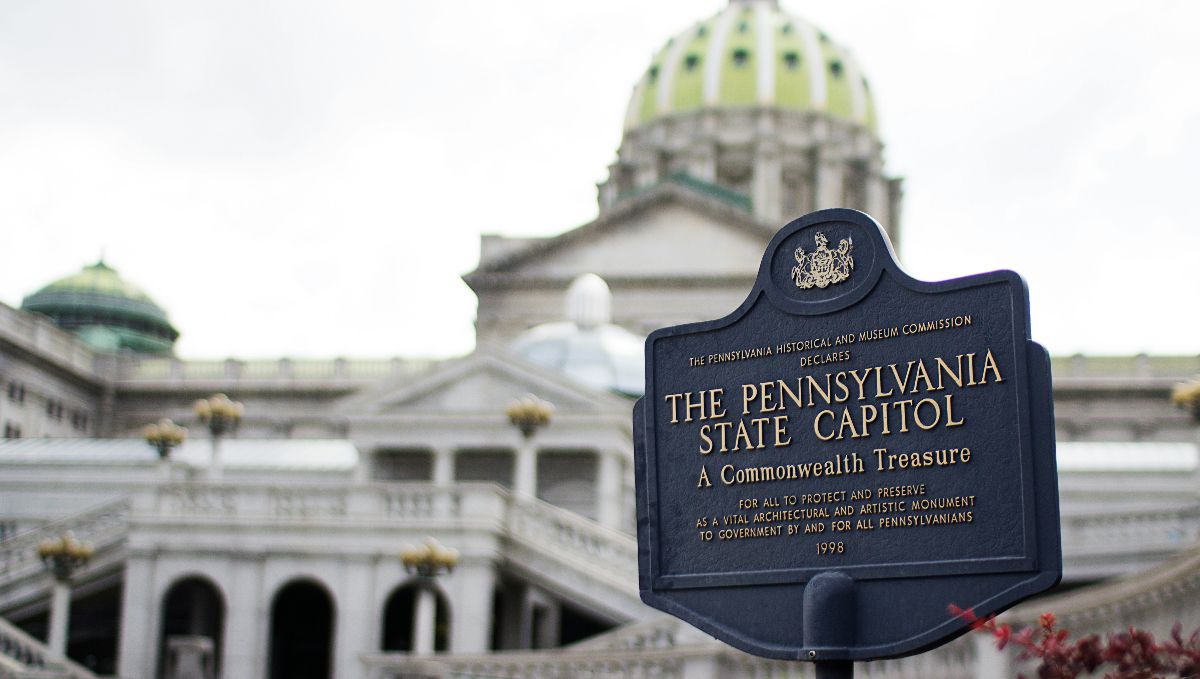
Although the grassroots campaigns to legalize plants are as ubiquitous in Pennsylvania as anywhere else, it’s the political class that has recently initiated the debate about finally creating a legal plants market in the state.
In 2019, Governor Tom Wolf started a listening tour across all PA municipalities to have a conversation with people about their attitudes about the possible legalization of plants. The tour showed that 68% of the state’s constituents supported the idea and almost all thought personal use and possession of plants should be at least decriminalized.
Governor Wolf would continue to push the idea in 2020, when he spoke on two occasions about the need to legalize plants and create a legal market. The main reasons he cited were economical – the downturn due to the COVID pandemic and the fact that a significant percentage of the Pennsylvania population lived within a short driving distance of New Jersey’s legal dispensaries and their dollars went into another state’s coffers.
Back in 2017, the Pennsylvania Democratic State Committee also declared its support for candidates who made plants legalization a part of their platform. For the Democrats, this was more of a social justice issue. They thought that the original reasons for the prohibition were scientifically unsound and racist, that the prosecution of plants smokers disproportionately affected minorities, and that it put an avoidable seed on the justice system.
Despite the willingness of the Democratic Party to repeal the policy of prohibition and a broad public support, plants remains illegal in Pennsylvania, but there are two bills seeking to legalize plants that are currently moving through the legislature: one was introduced in 2023 and the other in 2024.
Final Thoughts
Pennsylvania still remains a state with rather restrictive plants policies, as there’s no law that would at least decriminalize the substance across the state. However, it has been decriminalized in a few important jurisdictions, including Philadelphia, and Pa. residents routinely go to the neighboring states to buy legal plants (although it’s illegal to transport it back home across the border). Considering the fact that Pennsylvania’s medical plants program is in such great shape, it’s likely that the state will follow suit of its neighbors and legalize recreational plants in the next few years.
Comments