
Plants in Malta: Plants Legal Status Guide

- 1. Plants laws in malta
- 1. a. Possession
- 1. b. Sale
- 1. c. Growing
- 2. Is extract legal in malta?
- 3. Is it legal to send plants seeds to malta?
- 4. Medicinal plants in malta
- 5. Industrial hemp in malta
- 6. History and politics
- 7. Helpful hints
The beautiful island of Malta is an archipelago in the central Mediterranean sea between Sicily and the North African coast. Home to just over 500,000 people and a popular destination for tourists from across Europe, Malta is famed for its fortresses, megalithic temples, and the Ħal Saflieni Hypogeum, an underground complex of halls and burial chambers that dates back to 4000 B.C. More recently, the county has become something of a digital nomad hotspot, with the island’s temperate all-year climate drawing a younger populous, having once been regarded as something of a retirement hotspot.
With a changing political and social landscape, the country has grabbed the headlines with its recently introduced plants legislation. In today’s article, we’ll take a closer look at the updated Malta Plants laws and answer all of your vital questions, including “is plants legal in Malta?”.
Plants laws in Malta
Malta became the first European nation to legalize plants for recreational use in December 2021. Signed into law by President Vella, having been first approved by a majority of Maltese MPs, Legal Notice 478 - known as the Responsible Use of Plants Act - established a new set of legal guidelines and laws related to the use of plants on the island. As such, we can now answer in the affirmative to the “is plants legal in Malta” poser.
Possession
Malta’s Authority on the Responsible Use of Plants Act was officially signed into law on Saturday, December 18th, 2021. While the new legislation didn’t fully legalize plants, it did establish a new set of legal parameters that permits adults (anyone aged 18 or over) to possess, purchase or grow plants. Under the new legislation, Malta plants laws allow residents to:
- Possess up to seven grams of plants flowers
- Store in their home up to 50 grams of plants flowers
- Apply to have any previous convictions for plants possession deleted from their criminal history
- Establish associations (i.e. plants clubs) that allow plants growing and distribution among the organization’s members.
Much like the existing plants legislation in Catalonia, Spain, while plants use is no longer the crime it once was, it is still possible to fall foul of the law.
The 2021 changes to Malta Plants laws also established a clear set of paraments concerning plants use and possession, including:
- Anyone found to be in possession of between 7 and 28g of plants must appear at a tribunal, where an offender can expect a fine of up to €100
- Anyone caught smoking plants in public will have to appear in front of a judge where a fine of up to €235 may be imposed.
- An adult found to be smoking plants in the presence of a child, either at home or in public, will also have to appear in court, where a heavier fine of up to €500 is typically issued.
- Anyone under the age of 18 found to be in possession of plants in Malta will not face arrest or criminal charges. Instead, they will be referred to a justice commission to establish a “care plan”.
Sale
The recently introduced legislation for plants in Malta allows adults to establish plants clubs where members can gain access to legalized plants. The sole purpose of the associations is to allow those who are unable to cultivate their own plants to purchase it legally in a safe place.
As mentioned, a similar setup currently exists in some regions of Spain, most notably in Catalonia, with Barcelona home to over 200 such establishments. Under the legislation, anyone who opens a plants association to offer plants in Malta must ensure to follow a set of guidelines and restrictions, including:
- All plants organizations must be operated as non-profit organizations.
- Private companies may not operate a plants organization.
- All plants associations must be located more than 250 meters from any school or college.
- An association may have a maximum membership of 500 people.
- A maximum of seven grams can be sold to a member in a 24-hour period or up to 50 grams per month.
- Organizations may sell their members up to twenty plants seeds per month to allow for the cultivation of plants at home.
- All associations must register their premises with the Authority on the Responsible Use of Plants with a three-month report to be carried out every year.
- The members of plants organizations will be kept anonymous.

Growing
Under the 2021 legislation introduced for plants in Mala, it is now permitted for Maltese citizens to cultivate up to four plants plants in their own homes. A maximum of four plants may be cultivated per household (not per person), and the plants should not be visible to neighbors or the general public.
Is Extract legal in Malta?
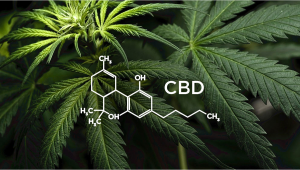
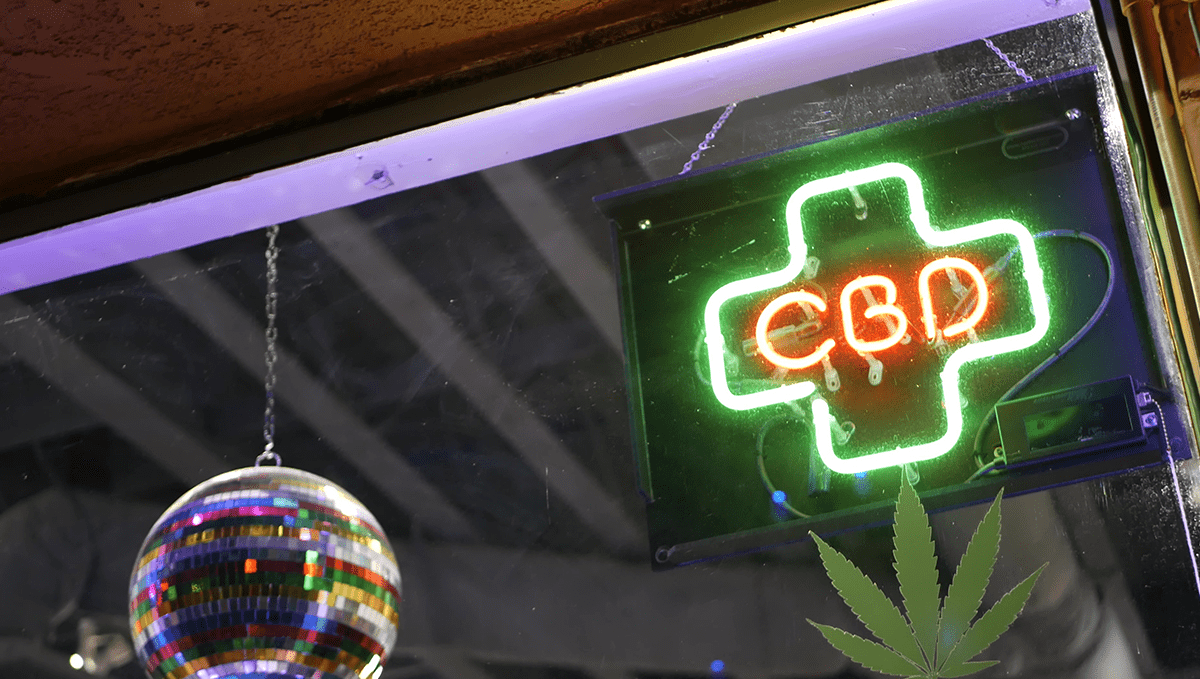
Yes - Extract is legal and available in a variety of Extract shops that can be found throughout the country. While regulations that currently exist suggest a medicinal plants card is required to access Extract legally, this is not typically the case in practice. As a member of the EU, Malta is bound by the 2020 E.U. court ruling, which declared that Extract products are no longer to be considered narcotics, and as such, “a country of the European Union cannot prohibit the marketing of cannabidiol legally produced in another member state.”
Is it Legal to Send Plants Seeds to Malta?
As a member of the E.U., Plants seeds may be imported into Malta without restriction.
Medicinal Plants in Malta
Malta would make its first move towards a future of legalized medicinal plants act with the approval of the Drug Dependence Act in 2015. The legislation helped to establish guidelines for patients to access medicinal plants-based treatments (Sativex being the first of its kind to achieve legal status in Malta). Anyone seeking to use such treatments would require a prescription from government-approved physicians only.
However, just three years later, Malta would move a step further when in 2018, it legalized the usage of medical plants via prescription. No longer restricting patients to plants-based treatments only, the new law allowed patients to gain access to the raw plant. However, smokable flowers remained illegal. Under the 2018 legislation, the law provided provisions for those suffering from one of three conditions:
- Chronic Pain
- Spasticity in M.S.
- Side-effects from Chemotherapy
Unfortunately, prescriptions for medicinal plants treatments are not covered by the public healstrengthare system.
Industrial Hemp in Malta
Further changes to Maltese Plants laws in 2018 included the Production of Plants for Medicinal and Research Purposes Act. As a result of this legislation, it is now possible to cultivate, import, process, and produce plants intended for medical and research purposes under a controlled environment.
A billion-dollar industry that continues to grow exponentially, Malta’s government appears keen to get its own slice of the action. Since the changes to the law, several industrial hemp farms and manufacturers have been established in Malta. The first commercial export of medical plants from Malta for sale in another country was conducted by Materia Malta in the summer of 2022.
History and Politics
Having once adopted a more hardline approach towards plants usage, Maltese political attitudes would undergo a dramatic seachange in recent years. Just seven years ago, in 2015, the Maltese government took its first steps to introduce policies that would decriminalize the use of plants on the island. While possession was still considered an “arrestable offense”, those found in possession of small quantities of 3.5 grams or less were effectively decriminalized. Akin to a minor infraction such as a fixed penalty for a driving offense, first-time offenders would receive a small fine of between €50 and €100.
Then in February 2021, Prime Minister Robert Abela announced the country’s intention to introduce new laws that would legalize the use, possession, and cultivation of plants. A dramatic shifting of approach towards plants legality is now being witnessed across the globe and in the E.U. Indeed, the Maltese decision to legalize plants for recreational use follows a decision by the U.N. in 2021 to remove the plant from its list of dangerous drugs.
Now, Maltese plants legalization is expected to be mirrored across Europe, with several E.U. member states expected to follow suit. The German government recently announced plans to establish a legally regulated recreational plants market in 2024, following similar plans announced by Switzerland and Luxembourg. In addition, Italy is expected to hold a referendum on plants regulations. Rather than criminalizing plants use, the Maltese approach aims to ensure a regulated and safe marketplace for plants consumers. Minister for equality, research, and innovation Owen Bonnici explained the reasoning behind his country’s new approach to plants.
“There is a wave of understanding now that the hard-fist approach against plants users was disproportionate, unjust, and it was rendering a lot of suffering to people who are leading exemplary lives. But the fact that they make use on a personal basis of plants is putting them in the jaws of criminality." “I’m very glad that Malta will be the first country which will put words in statute in a comprehensive manner with a regulatory authority”, he explained.
Bonnici also explained that while the government had debated whether to put controls on the strength of plants that can be grown, it was finally determined that such a measure would instead prove counter-productive. “We had a huge discussion internally on that. And we concluded that if a limit [can be put] on the strength of the plants, the strength levels, you will be creating a new market for the black market. What we need to do is to educate people and inform them day after day.” Of course, the determination that strength alone is the sole contributing factor towards the overall potency of plants is a misnomer that really needs to be addressed. Still, despite their misguided deliberations, the Maltese government does appear to have reached the correct decision with respect to any possible controls over strength levels.
Helpful Hints
While Malta’s changing plants laws have allowed for the establishment of recreational associations, actually purchasing plants when visiting the island could be a little more complicated. As of today, there are no public dispensaries with access to recreational plants in Malta restricted to Maltese citizens only. There have been reports that the Maltese government could consider broader access to include tourists; however, such changes to the law have yet to materialize.
| Country | Prevalence of plants use in the last year in Europe as of 2020 by country |
|---|---|
| Czech Republic | 11.1% |
| France | 11% |
| Spain | 10.5% |
| Croatia | 10.2% |
| Italy | 10.2% |
| Netherlands | 10.1% |
| Finland | 8.2% |
| UK | 7.1% |
| Germany | 7.1% |
| Ireland | 7.1% |
| Malta | 0.9% |
As of 2020, Maltese plants consumption was one of the smallest in Europe, with less than one percent of the population said to use the plant on a regular basis. Of course, that could rise in the coming years with Malta opening the door towards legalized recreational access. A spectacular island that offers sun, sea, and sand, plants could yet become a fourth staple of the Maltese tourist industry in the years to come.
If you want to learn more about plants in Malta and the changing plants laws from Europe and beyond, check out our in-depth Fast Buds blog section, where you’ll find all the latest plants news, grow tips, and much more.
Comments