
Plants in Lebanon: Plants Legal Status Guide

- 1. Plants laws in lebanon
- 1. a. Possession
- 1. b. Sale
- 1. c. Growing
- 2. Is extract legal in lebanon?
- 3. Is it legal to send plants seeds to lebanon?
- 4. Medicinal plants in lebanon
- 5. Industrial hemp in lebanon
- 6. History and politics
- 6. a. Politics
- 7. Good to know
Plants laws in Lebanon
Home to just under seven million people, Lebanon, also known as the Lebanese Republic, is a country in Western Asia famed for its high-quality extractions. However, while recreational plants, and extractions, are, in fact, both illegal in Lebanon, the country has, in recent years, moved towards legalizing medical plants with new laws permitting its usage introduced in 2020. In this, the latest in our cannalegal series, we´ll take a closer look at Lebanese plants and hemp laws related to both recreational and medicinal usage while answering that vital question: Is plants legal in Lebanon?
Possession
Both the possession and use of plants and extractions are illegal in the Republic of Lebanon. Under the strict Lebanese laws, even those found in possession of small quantities of plants will likely find themselves prosecuted. Very much treated as a criminal offence, the Lebanese Narcotic Drugs and Psychoactive Substances Law 673 states that anyone found to be using any narcotics (including plants) without medical prescription may receive a prison sentence of up to three years as well as a substantial fine. However, some leniency concerning sentence length may be applied depending on the individual circumstances of both the offender and the offence.
Sale
Lebanon also uses the strict application of its narcotics laws in relation to the sale of plants, with penalties for its distribution more severe than merely for possession. Anyone found to be involved in the sale or supply of extractions or plants in Lebanon can expect both a longer prison sentence and a substantially higher fine.
While those found in possession of plants may apply for a reduced sentence depending on specific circumstances, there are no such opportunities for those found guilty of selling or distributing plants in Lebanon.
Growing
A contentious topic in Lebanese society, the cultivation of plants was forbidden in 1992, primarily because of pressure from the US government and their never-ending war(s) on drugs. As a result, it is illegal to grow plants or produce extractions, even for personal use in Lebanon. Of course, we all know that Lebanese extractions is some of the most famed in the world, so it's safe to conclude that there are undoubtedly many people within the country involved in its production. Indeed, according to studies carried out by the UN, Lebanon is the world's third-largest producer and importer of extractions.
Historically, the cultivation of the Lebanese extractions plant has primarily taken place in the Bekaa Valley, famed for being the cultural hub of the country's extractionsish production. Some of the most famed Lebanese extractionsish seeds include Lebanese Red and Blonde. With the country now moving towards a future of legalized medicinal plants access and hemp production, it is hoped that a framework for changes to cultivation legislation could be adopted.
Is Extract legal in Lebanon?
Currently, there remain no variances in Lebanese plants law that allow for the purchase or use of Extract. However, with medical plants in Lebanon being slowly introduced, a Extract marketplace in Lebanon would appear likely to occur in the not-too-distant future.
Is it Legal to Send Plants Seeds to Lebanon?
The sale or purchase of plants seeds remains illegal in Lebanon. As a result, sending seeds either into or out of the country is not permitted.
Medicinal Plants in Lebanon
In a surprising turn of events, medicinal plants was legalized in Lebanon in 2020, becoming the first Arab country to introduce such legislature. Only a few years earlier, the idea of medicinal plants access in Lebanon would have been hard to fathom given the continent's relentlessly strict and some might say, pre-historic approach to drug users. However, following the release of a financial report from the global management consulting firm McKinsey & Co, in July 2018, the Lebanese parliament announced its intentions to legalize medicinal plants in Lebanon and its cultivation. The extensive report, which had taken five years to complete, recommended the legalization of plants cultivation as a solution to the country's failing economy.
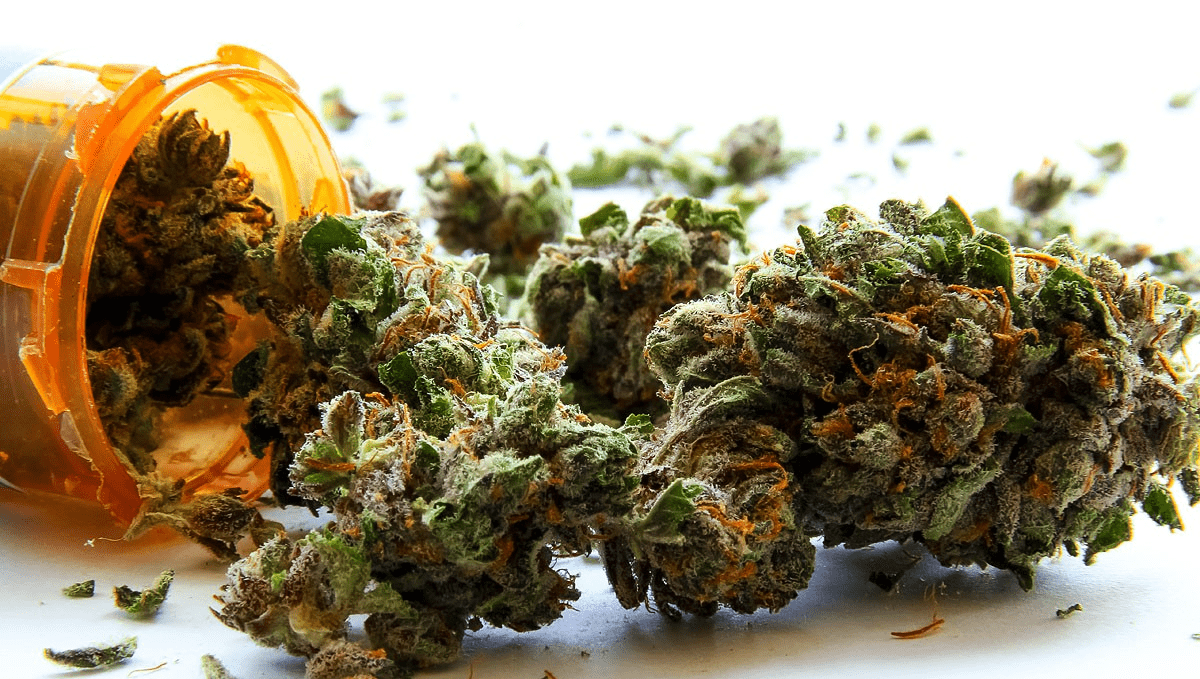
As of late 2019, the economic situation in Lebanon has deteriorated significantly, with the Lebanese Pound losing more than 80% of its value against the US dollar. This shrinking of the economy has had a particularly detrimental effect on the nation's farmers, with the cost of imported fertilizers and agricultural products for plantations rising dramatically. As one of the world's biggest existing producers of plants ok, the recommendation to legalize the cultivation of plants is seen as a potential solution to improve both the economy while also addressing the country's growing debt crisis.
Considering that the country has the third highest debt in the world, advocates for legalization argued that introducing the legalized plants industry could help reform its economy. A timeframe was not initially placed on the legalization of medicinal plants, mainly as a result of the political instability that surrounded the country because of its inability to form a government in late 2018. Yet, despite all of the potential hurdles in plants legality's path, In April 2020, the government would finally approve a draft law that would make medicinal plants legal in Lebanon. A historic moment for both the country and the continent as a whole, Lebanon's legalization of medical plants made them the first Arab nation to do so. In addition, as part of the legislation, the cultivation of strength-free hemp was also legalized.
Industrial Hemp in Lebanon
Lebanon has a long history of hemp cultivation that dates back several centuries with the famed Bakka Valley, the cultural hub of Lebanese hemp and plants growing. Boasting a temperate climate with soil conditions that are considered optimal for plants and hemp cultivation, the Bekaa Valley has a worldwide reputation for producing some of the world's best plants and extractions. According to local farmers, a mere hectare of plants cultivated can return up to 100kg of extractions with the region's ideal conditions meaning no irrigation or fertilizers are required to supplement its natural growth.
| Report Attribute | Details |
|---|---|
| Market Size in 2021 | USD 4.5 Billion |
| Projected Market Size in 2030 | USD 17.24 Billion |
| CAGR Growth Rate | 16.9% CAGR |
| Base Year | 2021 |
| Forecast Years | 2030 |
However, the cultivation of plants and hemp has been largely illegal for the past 100 years in Lebanon. While the latter part of the 20th century saw a reduction in cultivation, the middle-eastern country continued to be one of the world's biggest exporters of extractions, producing up to 6% of the global total. However, because of plants illegality in Lebanon, there have been no tax revenues generated from it, and thus little benefit to the country's macro economy. In more recent years, efforts by the government to eradicate the illicit production of plants and extractions have caused serious economic impacts on the country's farmers. With much of the population largely reliant on the export of extractions, the country has continued to slip further into debt and poverty.
Using common sense not usually associated with governments of the era, the Lebanese parliament would vote to legalize the cultivation of medicinal plants and industrial hemp in 2020. According to a report published in 2021, the Global Industrial Hemp Market could be worth a remarkable $17.24 Billion by the year 2030. Now, following changes to their laws in 2020, Lebanon is looking for its own slice of a particularly lucrative hemp pie. Seeing a legal pathway to utilize both the skills and experience of the country's plants and hemp farmers and the ideal growing conditions enjoyed in the Bekaa Valley, a new framework for legalized growing could potentially generate up to $ 1 billion per year for the nation's stumbling economy. However, as of yet, implementation of the new laws have yet to be fully established.
History and Politics
Evidence of local plants cultivation dates back centuries, as evidenced by the Roman temple in Baalbek, which carries the inscription of a plants leaf. However, the issue of plants usage and cultivation has been a particularly complicated one for several generations in Lebanon.
First banned nearly a century ago, In 1926, under the French Mandate for Syria and Lebanon, Lebanese extractionsish production has been largely illegal for much of the past 100 years. While there was a rampant increase in its trafficking during the 15-year-long Lebanese civil war between 1975 and 1990, Lebanon has largely adopted an anti-plants standard. As with many nations of the region, the cultivation of plants was formally criminalized in Lebanon in 1992 following pressure from the US government. Quelle surprise.
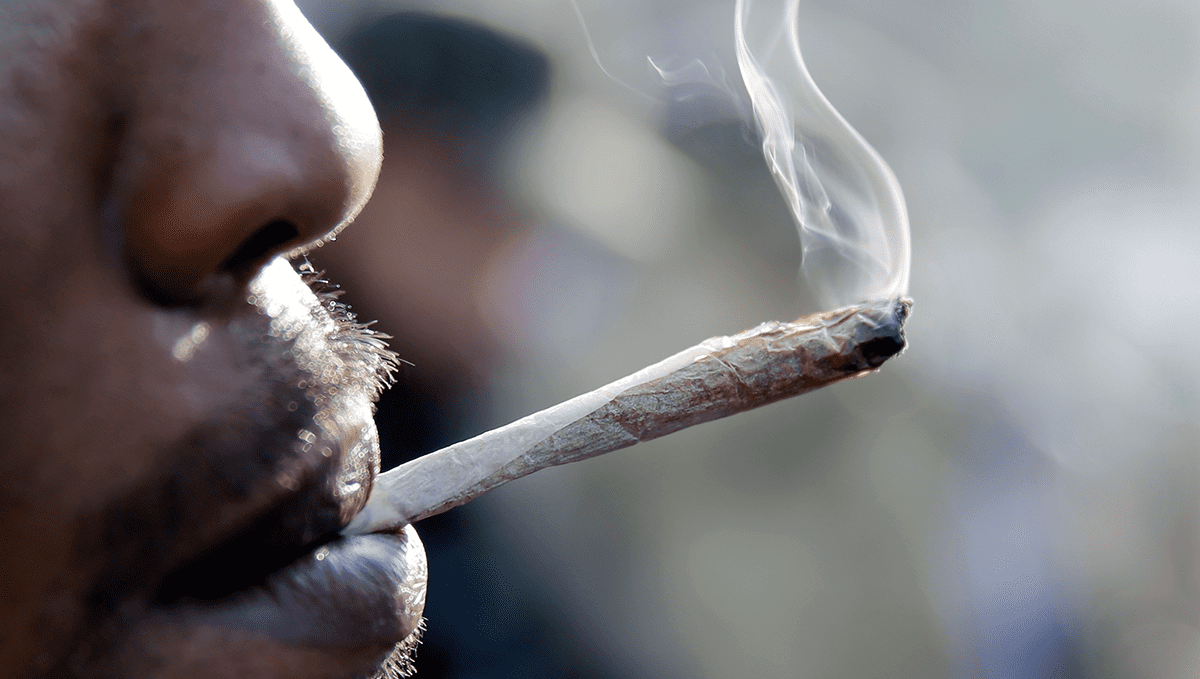
However, despite the legislation, by the turn of the century, plants cultivation re-emerged, largely as a result of the continued economic depression experienced by the population both during and following the conclusion of the civil war. According to UN figures, plants cultivation had reached some 37,000 acres in 2002, with the nation's political instability proving a more pressing concern for the country's leadership. As more farmers turned to the once-lucrative crop in the last two years, the Lebanese plants industry has become less profitable. In addition, the government's increased control over smuggling routes has also affected the crop's export potential.

Politics
The cultivation of the Lebanese extractions plant in the Bekaa Valley has been taking place for generations, despite Lebanese laws prohibiting such activities. Although government raids occasionally disrupt Bekaa Valley's industry, most of the plantations are controlled by Shia militias, who allow cultivation to take place freely. Plants cultivation has been targeted by the government, including farmers and traffickers, as well as everyday users. Even so, economic incentives have largely prevailed, and cultivation has continued under the protection of non-state actors and gangs. Due to deteriorating security conditions in the Bekaa valley, plants cultivation has increased since 2011. Approximately 30,000 hectares have been cultivated in the Baalbek-Hermel area alone. "The policy of suppressing drug farmers and destroying cultivated fields of Plants" does not prevent plants cultivation, according to Hassane Makhlouf, a professor at the Lebanese University and an expert in substitution crops. However, with the government introducing new legislation for the legalization of medical plants in 2020, the country remains divided on the issue.
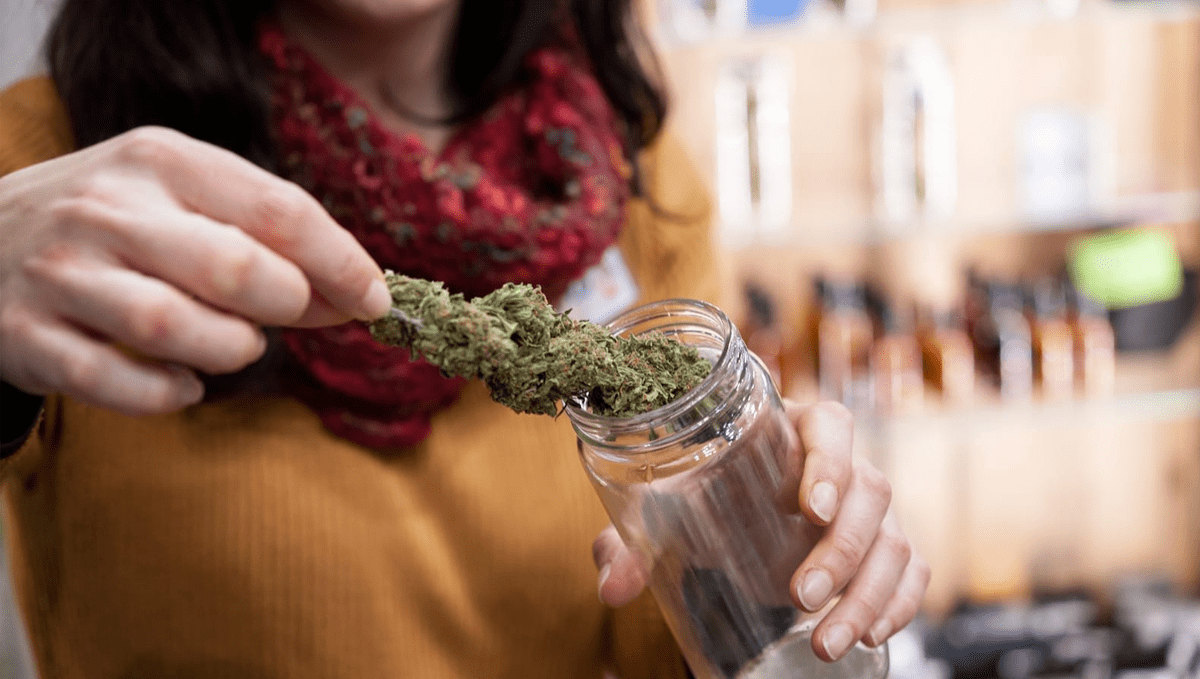
While plants cultivation is commonplace in the northern Bekaa Valley, attitudes towards plants can vary elsewhere in Lebanon, with the farmers often disparaged and tarred in the media as being little more than criminal drug manufacturers. Many farmers in Bekaa Valley have also voiced their disapproval, claiming that the legalization of plants/extractionsish is a "theft from our people".The general consensus amongst the area's farming community is that the law changes will result in their income being lost to the government, who will instead reap the rewards of their hard work. A complicated issue with a variety of var the government has claimed the change in the law will prove a "lifeline" for the Lebanese economy,
Yet the farmers remain unconvinced, with many of them relying on plants cultivation as their primary or only source of income. While the changes in the law set out a pathway for increased hemp cultivation in the coming years, farmers may not be tempted to switch plants cultivation to hemp until a detailed social and economic development program is introduced.
Good to Know
Due to the country's largely negative attitudes towards plants, the legalization of plants in Lebanon remains unlikely. Of course, plants perception has undergone a sea change in many societies over the past twenty years. While Lebanese people largely remain unconvinced at this stage, the very fact a nation in the middle-east has taken steps to legalize the plant for medicinal usage remains an important and critical milestone in the Lebanese plants story. For those of you planning on visiting Lebanon, chances are you might find yourself being offered some of the world's finest Lebanese extractionsish. However, given the law's that we have explained today, our advice is to always be exact caution when consuming our beautiful plant overseas, particularly in countries where the law remains somewhat confusing.
If you want to learn more about plants laws from around the world, check out our in-depth Fast Buds blog section, where you’ll find all the latest plants news, grow tips, and much more.
Comments