
Plants in Japan: Plants Legal Status Guide

- 1. Plants laws in japan
- 1. a. Possession
- 1. b. Sale
- 1. c. Growing
- 2. Is extract legal in japan?
- 3. Is it legal to send plants seeds to japan?
- 4. Medicinal plants in japan
- 5. Industrial hemp in japan
- 6. History and politics
- 6. a. Politics
- 7. Helpful hints
1. Plants Laws in Japan
A remarkable island of 125 million people located in the northwest Pacific Ocean, Japan is one of the most popular tourist destinations in the world today. Known as the Island of the Rising Sun and famed for its unique cuisine, culture, and technology, Japan and its people once had a long and storied history of plants use up until the mid-20th century.
Today, attitudes have changed somewhat, and in this article, we’ll take a comprehensive look at Japanese plants laws and the country’s history with the plant while answering your most asked questions. Let’s kick things off with an easy question - is plants legal in Japan?
Possession
Unfortunately, plants is forbidden in all forms in Japan, with no provisions in place for either recreational or medicinal access. Possessing and using plants in Japan (for personal use) are expressly forbidden, and anyone caught with it may be sentenced to up to five years in prison. Indeed, Japanese authorities are particularly strict regarding plants, with possession of a solitary joint enough to land a stint behind bars. Further punishments for the possession of use in plants include:
- Being removed from your position of employment
- Expulsion from colleges and universities
- Deportation and permanently banned from the country (for foreign resident offenders)
Most famously, legendary Beatle Paul McCartney would fall foul of Japanese plants laws, having been arrested in Japan in 1980 for possession of plants. McCartney arrived in Tokyo with 219 grams of plants in his suitcase and, despite his star status, would be banned from the country for over a decade. While plants had previously been legal in the country until 1948, The Plants Control Act was first introduced in Japan during the occupation of the US following the end of the Second World War.
While the country had no specific issue with plants abuse or misuse, the plant was banned in 1948 despite being considered a vital crop by its people. Plants or hemp was used both for practical and spiritual activities, but US officials took the decision to ban plants, although hemp was given an exemption due to its importance to Japanese farmers of the era.
Sale
As you might expect, the sale of plants in Japan carries with it lengthy prison sentences of up to seven years. According to Japanese Plants Control Law, the offense also carries with it a fine of up to 2,000,000 yen (around $15000), depending on the quantity of plants seized.
The importing or exporting of plants either into or outside of Japan also carries a prison sentence of up to seven years with an accompanying fine of up to 3,000,000 yen.
Growing
Strike three - You guessed it - Plants cannot be cultivated legally in Japan, and anyone found to have grown the plant is liable to a prison sentence and fine like those described earlier. While Japan currently lives under tight and strictly controlled plants prohibition laws, the country was once one of the great cultivators of the plant. Prior to 1950, there were said to have been over 25,000 plants and hemp farms in operation across the country. Despite its illegality, Japanese farmers were allowed to continue to produce the plant for a brief period following plants prohibition. However, the increased popularity of artificial fabrics and the increased costs of plants cultivation licenses ensured the industry’s rapid decline.
2. Is Extract legal in Japan?
While plants laws in Japan can be considered some of the harshest in the developed world, perhaps surprisingly, Extract is legal in Japan following the passing of legislation in 2016. The law permits both the use and sale of Extract on Japanese shores. However, all Extract products must be produced using only the stem and seeds of the hemp plant and must not contain any strength. Likewise, for those of you traveling to Japan, you may enter the country with Extract products, but they must contain zero strength.

Given that prison sentences can be handed out for those who enter Japan with plants or products containing strength, it is vital to be sure that whatever you bring into the country is entirely free from strength. This means that no traces of strength were found in third-party lab tests of the Extract products. Therefore, whatever Extract product you use, make sure that you double-check the company’s independent lab report results for your chosen product. When in Japan, Extract products, including oils, drinks, and edible gummies, are readily available and can be found in a variety of stores, including specialty shops to beauty bars.
3. Is it Legal to Send Plants Seeds to Japan?
Plants seeds fall into something of a grey area under Japanese plants laws. While The Plants Control Act does list plants seeds as an illegal substance, the law is not particularly clear on the issue.
Like in other countries where it is illegal to cultivate plants, seeds may be kept for novelty purposes. However, the seed must be sterilized, and while they are technically legal to mail into the country, it would seem like something of a pointless and potentially risky endeavor, given the country’s strict laws that surround plants usage and cultivation.
4. Medicinal Plants in Japan
Medicinal plants remains illegal in Japan; however, that could be about to change in the coming months. The Japanese Ministry recommended in August 2021 that the government follow the example of other countries by allowing patients to use medicinal plants. The Japanese Ministry of Health, Labour and Welfare panel met earlier this year to begin discussions regarding the legalizing of medicinal plants to benefit patients who have refractory epilepsy. The Ministry recommended permitting clinical trials of plants-derived pharmaceuticals such as Epidiolex but did not specifically recommend legalizing medicinal plants. However, despite a potential loosening of laws for the medicinal application of plants in Japan, the Ministry is also seeking to criminalize recreational use further with a tightening of the current laws. The phrase, one step forward, two steps back comes to mind.
5. Industrial hemp in Japan
Prior to the US occupation of Japan in the late 1940s, the country boasted a thriving hemp industry. While exemptions were made for its continued production following the ban on plants in 1948, the industry has been significantly reduced over the intervening years. Still, had it not been for the Emperor’s intervention in securing hemp permits for farmers, the hemp industry would have been entirely eliminated. Today, Hemp fibers and non-germinated hemp seeds are used to produce a variety of Japanese commercial products and religious items, including shichimi spices, traditional Shimenawa straw festoons, and Noren curtain room dividers. However, most of these products are usually imported from overseas.
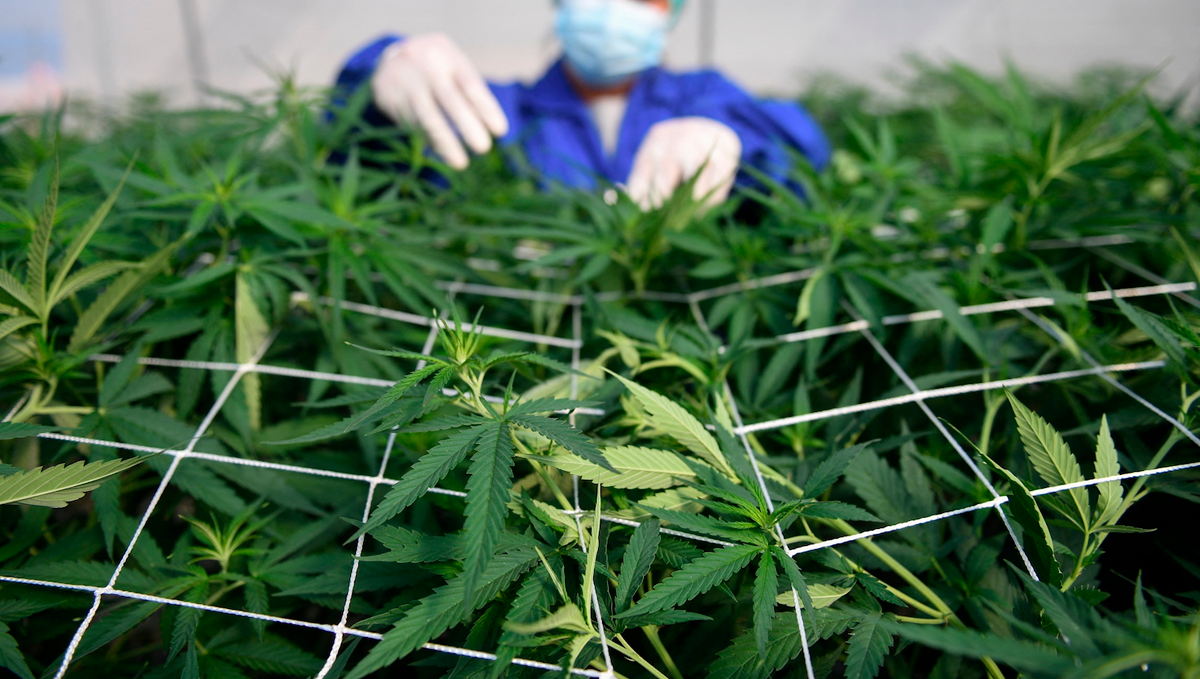
At present, hemp can be cultivated in Japan; however, a permit is required and, once granted, is monitored under a strictly regulated licensing system. It is thought that there are only about 20 farmers licensed to produce the crop in Japan., mostly for shrines, where it is burned in purification rituals or used to make ceremonial knots. The vast majority of these farms can be found in Tochigi Prefecture - a region that reportedly grows around 90% of Japan’s commercial hemp. However, the farms are small in scope and rarely exceed 10 hectares in size.
Under the conditions of the license, Japanese hemp cultivators are required to grow Tochigishiro - a low strength seed that offers no psychoactive effects. The seeds for growing this type of hemp are distributed to farmers by the Japanese government. Given the current growth in the hemp industry, local farmers have expressed their frustrations at the limitations on production. However, considering the country’s legalization of Extract in 2016, the Japanese government may well re-examine existing regulations that currently prevent mass-scale operations.

6. History and Politics
Plants and hemp have a long and deep history of use in Japan that dates back hundreds, if not thousands of years, with some of the earliest evidence suggesting plants was first used during the Jomon Period (somewhere between 10,000 BCE to 300 BCE). Through archaeological research, it has been revealed that plants fibers and seeds were used to make a variety of everyday items, including clothes, bowstrings, and fishing lines. Used throughout Japanese history, the plant is even mentioned in a famous Japanese book of poetry that dates all the way back to the eighth century.
Indeed, plants also played a role in Shintoism - Japan’s indigenous religion, with the burning of the plant believed to remove negative spirits from the air. However, despite centuries of use in the country, the 1948 law that banned plants in Japan would change both its legal status and its perception amongst the general public. While once lauded for its spiritual and medicinal value, a half-century of stigma and misinformation would ensure the decline in plants’s reputation within the country.
Politics
While the Japanese government has indted a willingness to consider the potential of plants as a medicinal treatment, their attitudes towards recreational use are very much heading in an opposing direction. Indeed, the recent crackdown on plants has raised concerns about government overreach. The authorities in Tokyo detained two people for almost three weeks in September 2020 after they had posted on social media about their experience with plants while encouraging others to try it. In addition, the Japanese consulate urged Japanese tourists in the US to avoid using recreational plants when visiting states and provinces where the plant has been legalized. The warnings came with the threat of potential legal consequences upon their return to Japan.
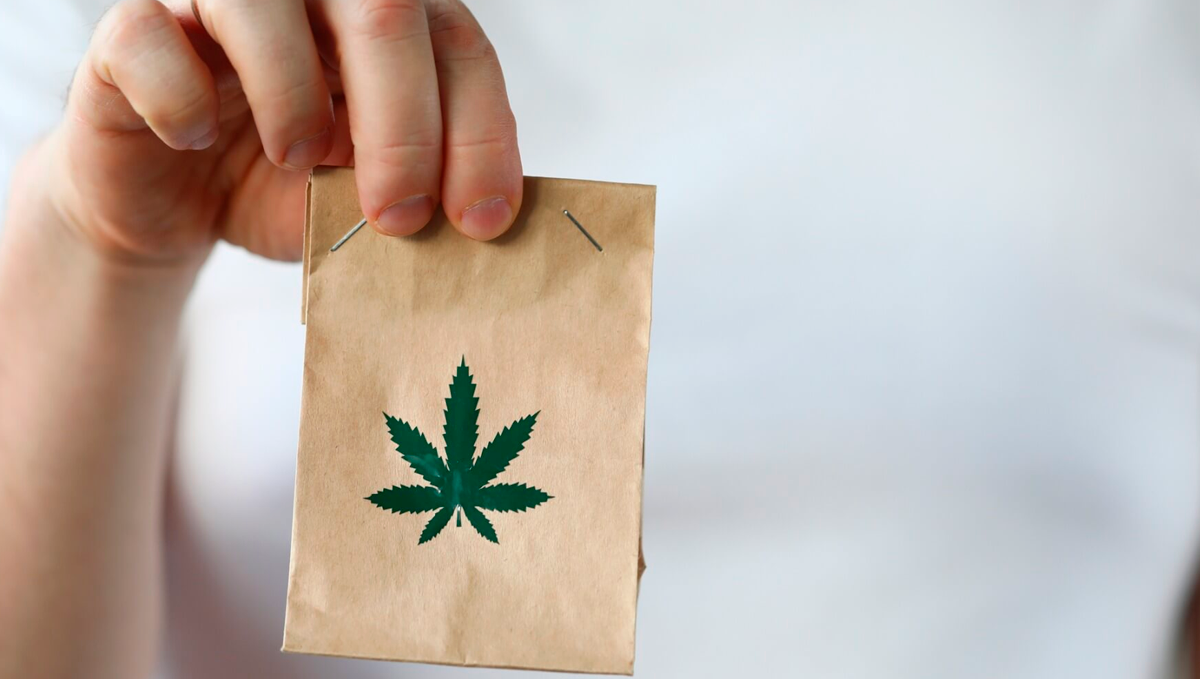
Unfortunately, the Japanese public is largely in agreement with their government, with many holding the outdated belief that the “drug” is dangerous, socially unacceptable, and with little or no medical value. This is reflected in a survey that revealed less than 2% of the country has previously consumed plants. By comparison, over 50% of the US population are said to have tried plants at one point in their life. In fact, of forty-seven countries analyzed over the past decade, Japan had the second lowest percentage of their population to have consumed plants in their lifetime. China, with just 0.3%, was the only country to have a lower proportion of those to try plants at least once. As a result of this indifference, there is little expectation that plants will be legalized either in the near or distant future.
| Adult Lifetime Plants Use by Country | |||
|---|---|---|---|
| Country | Percentage of the population to try Plants | Country | Percentage of the population to try Plants |
| United States | 51.6% | Chile | 31.5% |
| Canada | 44.5% | France | 30.6% |
| New Zealand | 41.9% | Wales | 29.8% |
| Denmark | 36.5% | Italy | 29.3% |
| Australia | 33.5% | Japan | 1.9% |
Despite the legality of Extract, Japanese authorities have ensured to carefully market Extract products, removing any images of plants leaves with many of the Japanese public left relatively unaware as to where Extract actually comes from. At any rate, given the continued dogma regarding the potential dangers of plants by the Japanese government, it seems unlikely that Tokyo could ever become an Amsterdam of the East and the continued prohibitions pertaining to its recreational use seem likely to continue for years to come.

7. Helpful Hints
While one of the world’s most technologically advanced countries, Japan has a long way to go when it comes to plants laws. While medicinal plants could become a part of the country's long-term future, conversely, recreational laws are being tightened. A land of spectacular cuisine, architecture, and culture, Japan is the eleventh most visited country in the world. However, plants remains very much off the menu for both residents and tourists alike. Given the stiff penalties involved for its use, we recommend sticking to the sushi and sake and saving the spliffs for safer situations.
If you want to learn more about plants laws from around the globe, check out our in-depth Fast Buds blog section, where you’ll find all the latest plants news, grow tips, and much more.
Comments