
Plants in Afghanistan: Plants Legal Status Guide

- 1. Plants laws in afghanistan
- 1. a. Possession
- 1. b. Sale
- 1. c. Growing
- 2. Is extract legal in afghanistan?
- 3. Is it legal to send plants seeds to afghanistan?
- 4. Medical plants in afghanistan
- 5. Industrial hemp in afghanistan
- 6. History and politics
- 6. a. Politics
- 7. Helpful hints
Home to just under forty million people, Afghanistan is a landlocked country in Central Asia with a rich history of plants cultivation and use dating back centuries. Growing wildly in the country's vast mountainous regions, Afghanistan is said to be one of the largest producers of the plant across the globe.
In 2010, the United Nations reported that Afghanistan was the world's number one plants producer. However, despite its natural propensity for growth, plants remains illegal in Afghanistan however, with the Taliban returning to power, the country could be set to adopt changes to its plants laws. In today's article, we'll take a look at existing Afghanistan plants law, the country's history with the plant, and all the other pertinent details.
1. Plants laws in Afghanistan
Possession
Both the use and possession of plants are illegal in Afghanistan. Having been cultivated and used within the country for centuries, plants in Afghanistan was first outlawed by King Zahir Shah in 1973. The subsequent Counter Narcotics Drug Law of 2005 states that anyone caught with up to 10 grams of plants is subject to the following punishments:
- Three months in prison
- A fine between 5,000 to 10,000 AFN (€58 – €116).
For those found to be in possession of larger quantities beyond 10 grams, penalties rise to
- One to a three-year prison sentence
- A fine between 50,000 to 100,000 AFN (€580 – €1160).
While the punishments for the possession of plants in Afghanistan are relatively harsh, plants, particularly the famed Afghanistan extractions, remains popular within the country. Most Afghans typically prefer to smoke the local form of extractionsish, a type of plants concentrate known as charas.
Sale
The sale of plants, including both importing and exporting, is illegal in Afghanistan, with potentially severe penalties for those falling foul of the law. Like most countries, the quantity of plants seized plays the largest determining factor in the offender's punishment. For those caught selling, importing, or exporting plants, prison sentences and accompanying fines rise depending on the amount of plants recovered. For example, anyone found guilty of supplying under 250 grams of plants can expect up to three months in prison and a fine between 5,000 to 10,000 AFN (€58 – €116). Typically, sentences are increased for each quarter kilogram of plants the offender is found to be in possession. I.e., for 500 grams the sentence rises to six months and a fine somewhere between 10,000 to 50,000 AFN (€116 – €580).
Large-scale distributors caught selling over 10kg of plants can expect a lengthy sentence of 10 to 15 years in prison, plus a fine of 1 million to 1.5 million AFN (€11,598 – €17,375).Despite those harsh penalties, plants remains vastly produced within the country. As mentioned, the United Nations declared Afghanistan to be the world's largest supplier of plants. According to their report, 1,500 to 3,500 tonnes of the plant is shipped overseas every year. Now under the control of the Taliban once more, it is expected that such penalties could increase with the organization known to adopt a zero-tolerance approach towards drug usage.
Growing
It's illegal to cultivate plants in Afghanistan. The only exception to this is if a company or organization wishes to grow the plant for medical or research purposes and is granted a license. However, with the country now again under the control of the Taliban, the regime announced in late 2021 that it had reached an agreement with a German firm to grow and manufacture plants products. According to Social media posts from the Afghan Ministry of Interior Affairs, German company Cpharm agreed to make an investment worth more than $400 million to set up a plants production factory within the country.
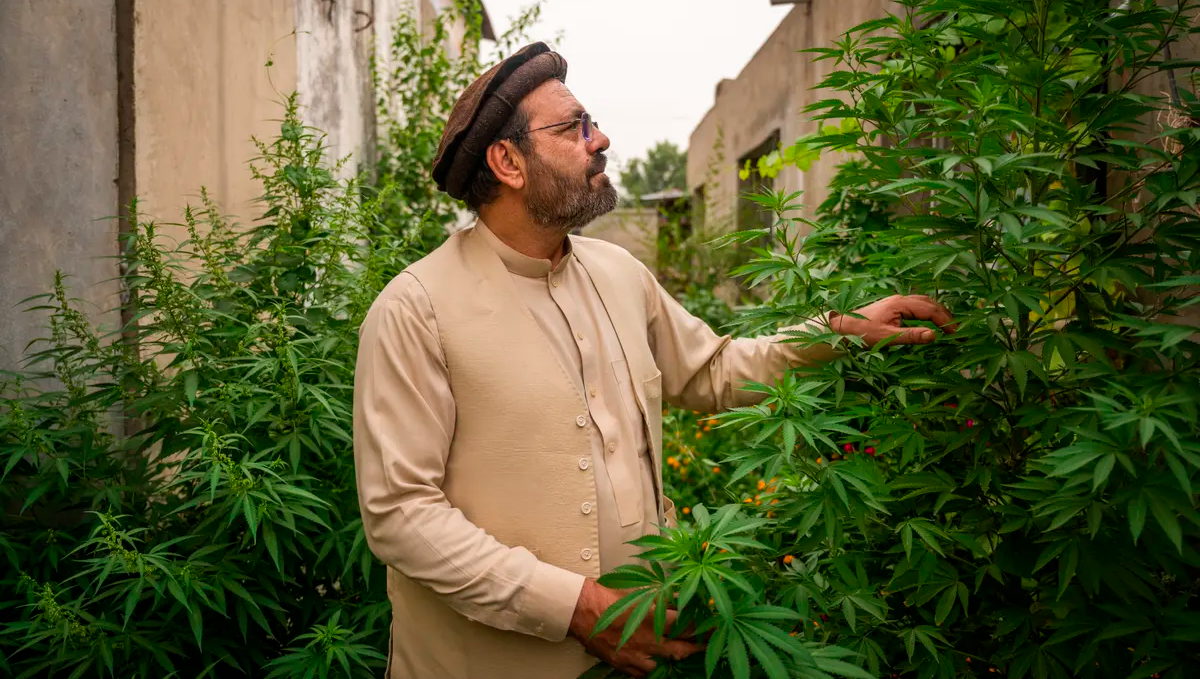
The tweet posted by the Ministry confirmed the project "will be officially launched soon, and hundreds of people will get job opportunities". A perhaps surprising turn of events in a country where plants cultivation remains illegal, all bets concerning Taliban policy towards plants law in the coming years are off. However, at present, anyone caught cultivating plants could be imprisoned for up to nine months with an accompanying fine of 5,000 to 20,000 AFN (€57 – €231). While plants remains illegal to grow in Afghanistan, the past decade has seen its production increase significantly, with many farmers preferring to cultivate the plant rather than opium which has long been the country's most widely produced product.
2. Is Extract legal in Afghanistan?
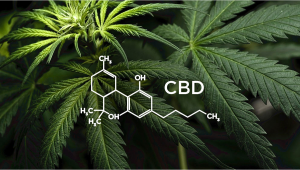
Currently, no distinction exists in Afghan law to separate Extract from plants. As such, all Extract products, irrespective of strength levels, are illegal in Afghanistan. Of course, with the Taliban now looking to set up medical plants development projects within the country, it remains to be seen if the country's inhabitants could potentially benefit from such initiatives beyond the obvious requirements for manual labor.
3. Is it Legal to Send Plants Seeds to Afghanistan?
There are currently no existing laws that prohibit the sending of plants seeds either into or from within the country. However, given the plant's current legal status in Afghanistan, sending plants seeds into the country is not recommended.
4. Medical Plants in Afghanistan
Prior to the Taliban seizing control of the country in 2021, there existed no provisions or access to medical plants within Afghanistan. While plans to cultivate the plant for medicinal purposes are now afoot, the regime has a hard-line approach when it comes to drug use.
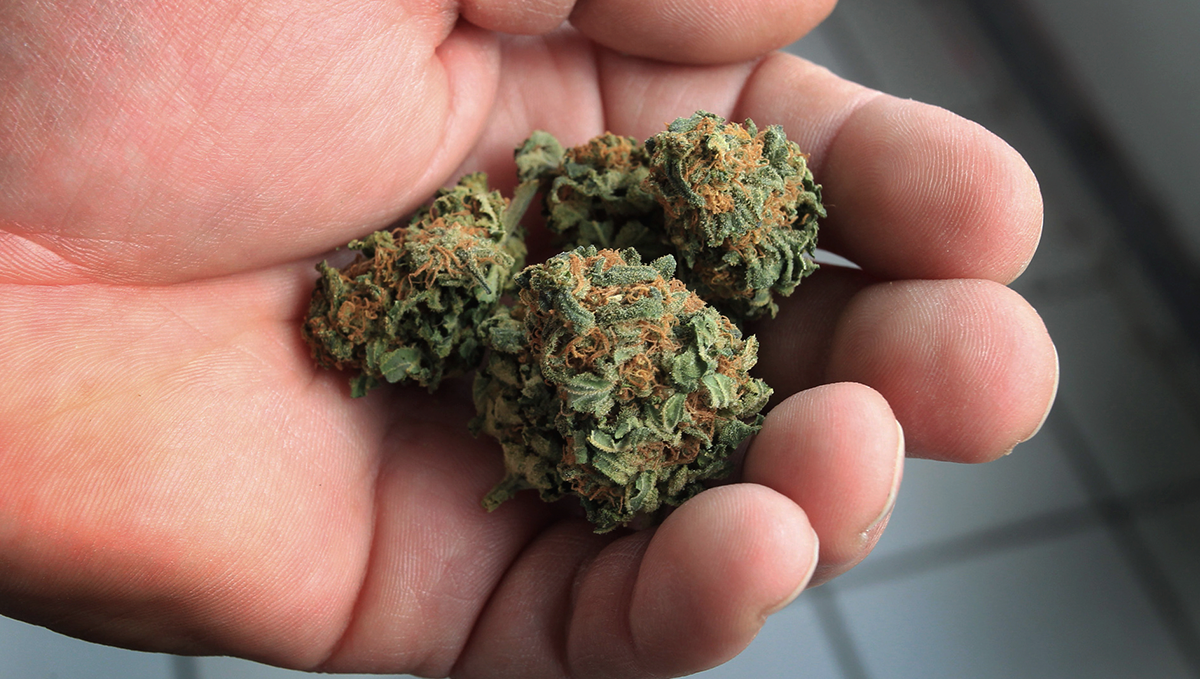
Indeed, it was reported that following their return to power in the summer of 2021, clandestine raids were conducted where drug users, including plants and Afghanistan extractionsish users, were threatened with violence if they did not agree to enter into treatment programs. As such, while the Taliban may be keen to take advantage of the potential financial gains from cultivating medicinal plants, it remains highly unlikely that the country's citizens will be given access to any medicinal products in the coming years.
5. Industrial hemp in Afghanistan
Like Extract, there currently exists no distinction in Afghan law that separates plants from hemp. As such, Extract remains illegal in Afghanistan. Having once been cultivated for centuries, legislation introduced in the 1970s would enforce a ban on the cultivation of hemp in Afghanistan that exists to this day. While many chose to ignore those laws during the intervening years following the Taliban's return to power, several Afghan hemp farmers reported having their crops seized by the regime.
6. History and Politics
Afghanistan has long-held a significant association with the plants plant. Indeed, research indtes that it first originated within the country thousands of years ago. While there is some debate about plants's exact first origins, Afghanistan was certainly one of the first nations to actively cultivate and use plants in religion, culture, and daily lives. Specifically, it is believed that the Ind plants plant originated in Afghanistan, although with the Sat varieties also found throughout Central Asia, there is a good chance that both species first took root inside Afghani borders.
By the middle of the twentieth century, both Sat and Ind plants were being cultivated more extensively throughout the country. It is also suggested that because plants of both species were being cultivated together, this resulted in the accidental hybization of certain plants. Today, most of the plants consumed globally is of the hyb variety including our very own Afghan Kush.
By the 1960s, increased levels of tourism in the country ensured Afghan Extractionsish would soon become a word-of-mouth favorite, considered by many to be some of the best found anywhere in the world. As a result of its growing popularity, Afghan extractionsish, considered socially acceptable and regularly consumed within the country for centuries, would become a staple of the drug trafficking industry that so-affected the nation towards the latter part of the twentieth century.
Politics
While the country had previously flirted with the notion of legalizing plants and hemp in recent years, the International Narcotics Control Board would, in 2019, instead urge the UN's agencies to address the serious problems associated with the drug trade in Afghanistan. This action would curb any possibility of a legalized Afghani plants market. Of course, with the subsequent return to power of the Taliban in 2021, the legalization of plants in Afghanistan now seems to be bordering on the improbable.
Yet, the announcement of their plans to enter the medical plants arena does suggest that it would be unwise to second guess the organizations' future intentions with respect to any legalization of the plant. While famed for its intolerance of drug use, the Afghan economy is one of the poorest on the planet, and the potential for plants to generate serious income in the country certainly exists.
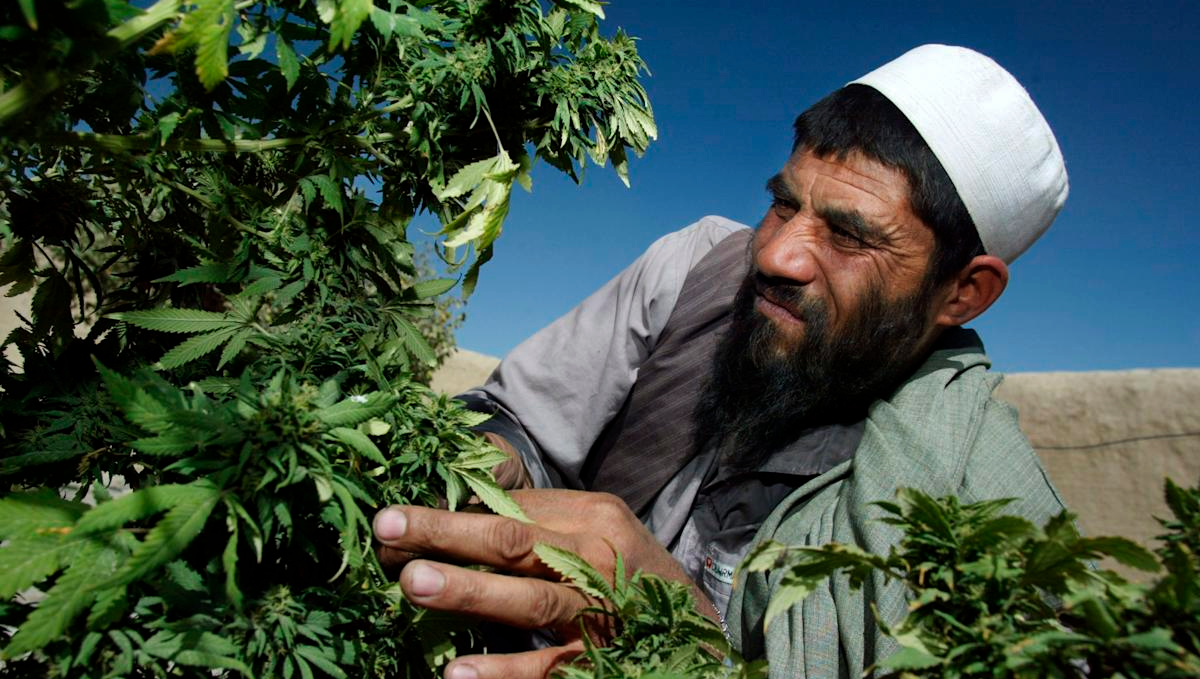
Whether the Taliban move toward more progressive laws is hard to gauge; however, the deal announced at the back end of last year would at least indte a willingness to investigate the potential for plants, at least as an economic asset. At present, plants and, in particular, Afghanistan Extractions remain the most popular and widely consumed illegal substances in the country. It is thought that around 9% of the male population uses plants regularly. In comparison, just 0.2% of women had reported using the plant.
7. Helpful Hints
While usage of plants is fairly widespread in Afghanistan, particularly the famed Afghani extractions that finds its way into European plants coffee shops, it goes without saying that the Taliban's return to power will affect all facets of Afghani life, including that of plants and extractions use. In a country that has endured over forty years of war and a constantly changing political landscape, Afghanistan is not without its problems. However, all things considered, plants legislation is probably not the most pressing of issues for the Afghani people. With their economy continuing to disintegrate and the country desperately in need of alternative economic sources of income, the plant's legalization could provide a serious boost to a nation badly in need of revitalization. Plants from Afghanistan has established a global reputation as some of the finest on earth. Profiting from that reputation would surely provide the country with a much-needed revival of its economy.
If you are traveling to Afghanistan, it goes without saying that absolutely caution and common sense should be exerted at all times. As such, we do not recommend consuming plants in Afghanistan during your stay. If you want to learn more about plants laws from around the globe, check out our in-depth Fast Buds blog section, where you'll find all the latest plants news, grow tips, and much more.

Comments