
The Potential of Triploid Genetics in Revolutionizing the Plants Industry


- 1. What is triploid genetics?
- 2. The use of triploids in traditional and modern agriculture
- 3. Triploid genetics in the plants industry
- 4. How to make triploid plants?
- 5. Benefits for the plants industry and consumers
- 6. Challenges and considerations for triploid plants breeding
- 7. Triploid genetics and auto plants
- 8. Conclusion
- 8. a. References
Right now, the plants industry is on the verge of a new revolution thanks to the introduction of triploid genetics. For decades and even centuries, this technology has been applied to many traditional crops, enhancing their productivity and allowing us to enjoy seedless fruit and vegetables. Now, it’s about to transform the plants sector. Read on as we explore the origins, development, and applications of triploid genetics, as well as its future in plants cultivation.
What is Triploid Genetics?
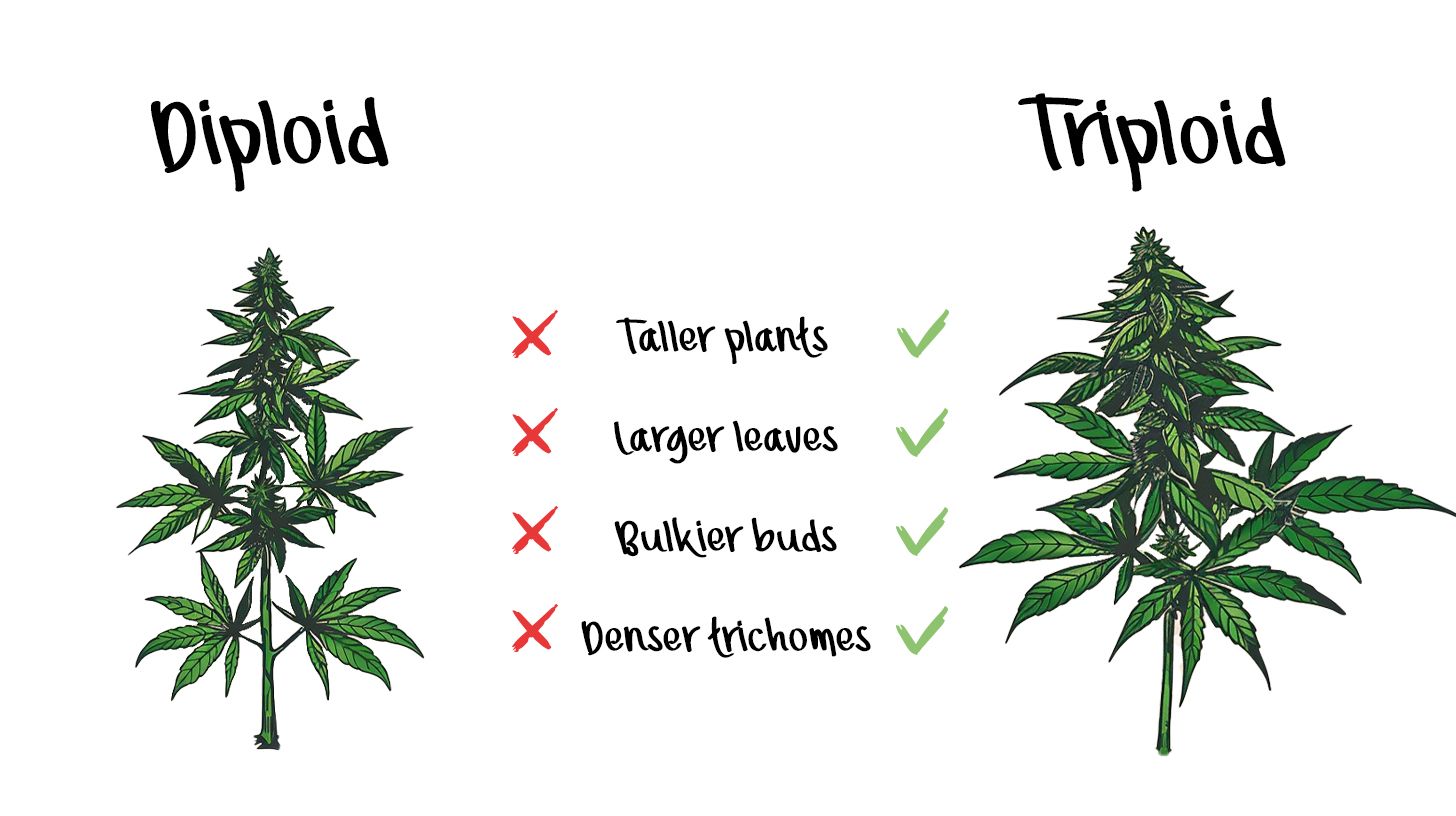
Triploid genetics refers to organisms that have three sets of chromosomes (3n) instead of the usual two (2n) found in diploid organisms. This can be a natural phenomenon, or it can be induced artificially. In plants, triploidy is often a good thing, as it lets us enjoy bigger fruit without seeds. In plants, the results are expected to be the same – larger buds with no seeds in them.
The Use of Triploids in Traditional and Modern Agriculture
You may not have heard the term ‘triploid’ before, but you definitely benefit from triploid plants on a daily basis. By simply looking around your kitchen, you’re likely to see enough examples. It's because the use of triploidy in agriculture isn't as novel an approach as one may think.
Farmers have been cultivating triploid plants for centuries – long before they started to understand the underlying genetics; in fact, long before the very word ‘genetics’ was coined. Early agricultural societies simply kept the plants they liked – more vigorous, uniform, and resistant, with bigger fruit and smaller seeds – and some of those plants displayed these characteristics because they were triploid.
The scientific understanding and deliberate creation of triploid plants began in earnest in the 20th century. Researchers discovered that they could make triploid plants using chemicals like colchicine, which disrupts normal cell division.
Colchicine, derived from the autumn crocus, interferes with microtubule formation right when the cells divide, which results in a double set of chromosomes ending up in the same cell. With this discovery, the research of triploid genetics went into high gear, and the technology became mainstream.
Examples of Triploids in Agriculture
In modern agriculture, triploid genetics are everywhere. Here are some notable examples:
- Watermelons. Triploid watermelons are seedless, making them more convenient and enjoyable for consumers. They also tend to be larger, most probably because no plant resources are diverted to seed production.
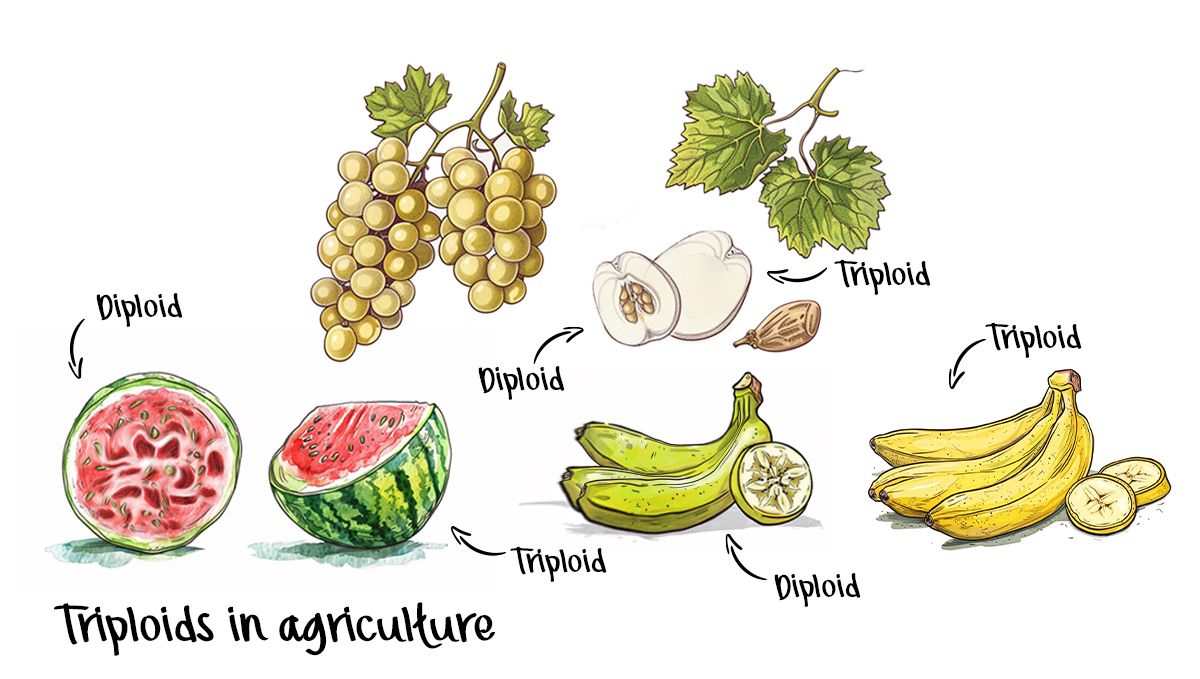
- Bananas. Historically, this is one of the first crops to have benefited from triploid genetics. Initially, triploid bananas were a lucky mutation, which farmers then stabilized by selectively breeding their plants over centuries. Triploid bananas are sterile, producing fruit without seeds, which is a significant advantage for consumers.
- Grapes. Grapes are another well-known example of using triploids to produce seedless fruit. People prefer seedless grapes both when they eat them fresh and as raisins. Another advantage of being triploid is larger, more uniform fruit clusters. Farmers create triploid grapes through selective breeding and colchicine treatment.
Benefits of Triploid Genetics in Agriculture
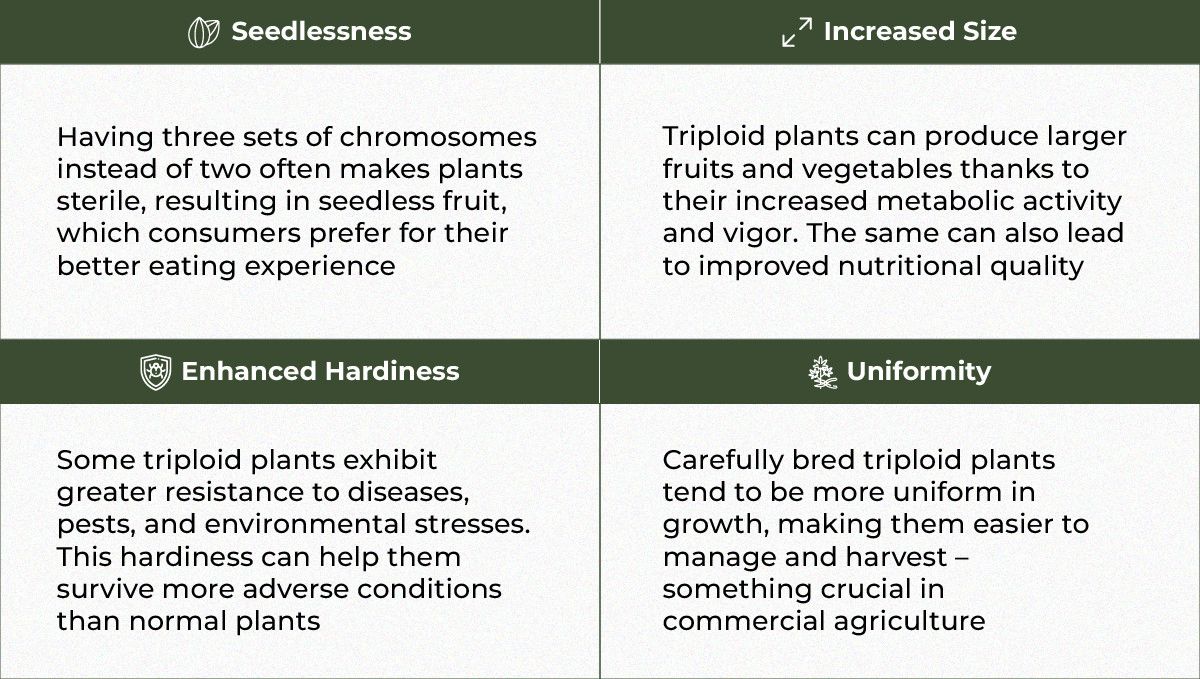
The benefits of triploid genetics in agriculture are unquestionable; otherwise, the technology wouldn’t have become so widespread. The benefits may differ from culture to culture, but the main ones are:
Challenges and Limitations of Triploid Genetics
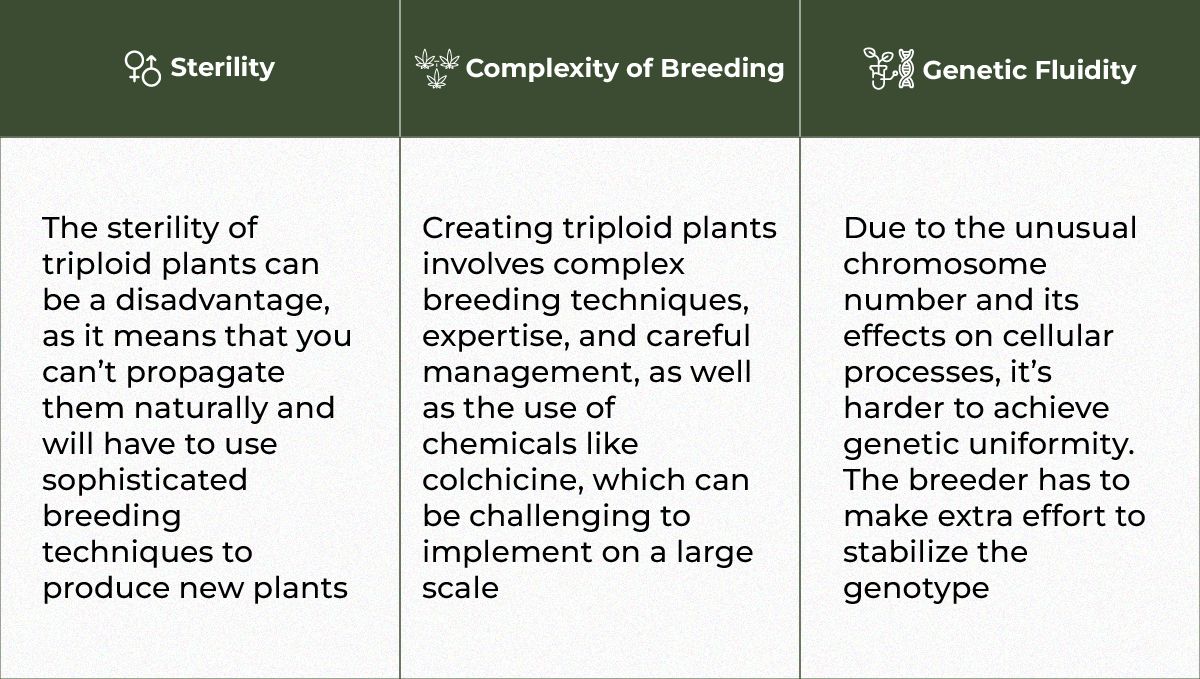
While triploid genetics offer many benefits and those clearly trump any disadvantages, there are also challenges and limitations to consider when embarking on a breeding project involving triploids:
Triploid Genetics in the Plants Industry
The application of triploid genetics in plants is a relatively new but exciting frontier. Plants growers are constantly seeking ways to improve return, potency, and overall cultivation experience, and triploid genetics could be the answer. Triploid plants plants could offer several advantages:
- Increased Ok Production
Some research suggests that triploid plants plants could produce 40% more ok than their diploid counflavorarts, leading to higher returns of valuable strength, such as strength and Extract, as well as aromatic flavor. Triploid plants seeds have up to 30% strength on average, with raised levels of flavor to match, which makes them particularly attractive for the production of concentrates and extracts.
- Sterility
Triploid plants plants would be 98% sterile, eliminating the risk of accidental pollination and seed production in all-female gardens. This sterility ensures that growers can consistently produce high-quality sinsemilla (seedless buds), which is all the consumers want.
- Increased Plant Size
Available research suggests that triploid plants has longer stocks and larger fan leaves with bigger and more densely packed stomata. This is especially valuable for hemp production, where the biomass matters the most, but in strength-rich plants, it’s also a valuable trait, as it increases metabolism and potentially leads to bigger returns.
- Uniformity
Triploid plants plants tend to be more uniform in growth, making the canopy flat and maintaining an equal distance to the grow lights in large commercial greenhouses. The resulting uniformity in the size of the finished product is just as crucial.
- Reduced Risk of Hermaphroditism
Hermaphroditism, or the presence of both male and female reproductive organs on the same plant, can be a significant problem for growers. Triploid plants are less likely to exhibit hermaphroditic traits, reducing the risk of self-pollination and seed production.
How to Make Triploid Plants?
Creating triploid plants involves several steps:
- Step 1. Creating a Stable Tetraploid Line
The first step in the complex, delicate and tedious process of breeding a triploid plants seed is the creation of a tetraploid parent. Start with germinating normal, diploid seeds, and when the cotyledons appear and the growing point is revealed, begin to treat the seedlings with a colchicine solution.
When it’s applied on the growing point, colchicine causes the young plant’s cells to divide abnormally, with each getting a doubled set of chromosomes (4n). So, from the cotyledons up, the growing shoot is tetraploid.
At least, in theory. In practice, not all plants treated this way become tetraploid, and one needs sophisticated and expensive lab equipment to identify the chromosomal composition of your plant’s cells and confirm the success of the operation.
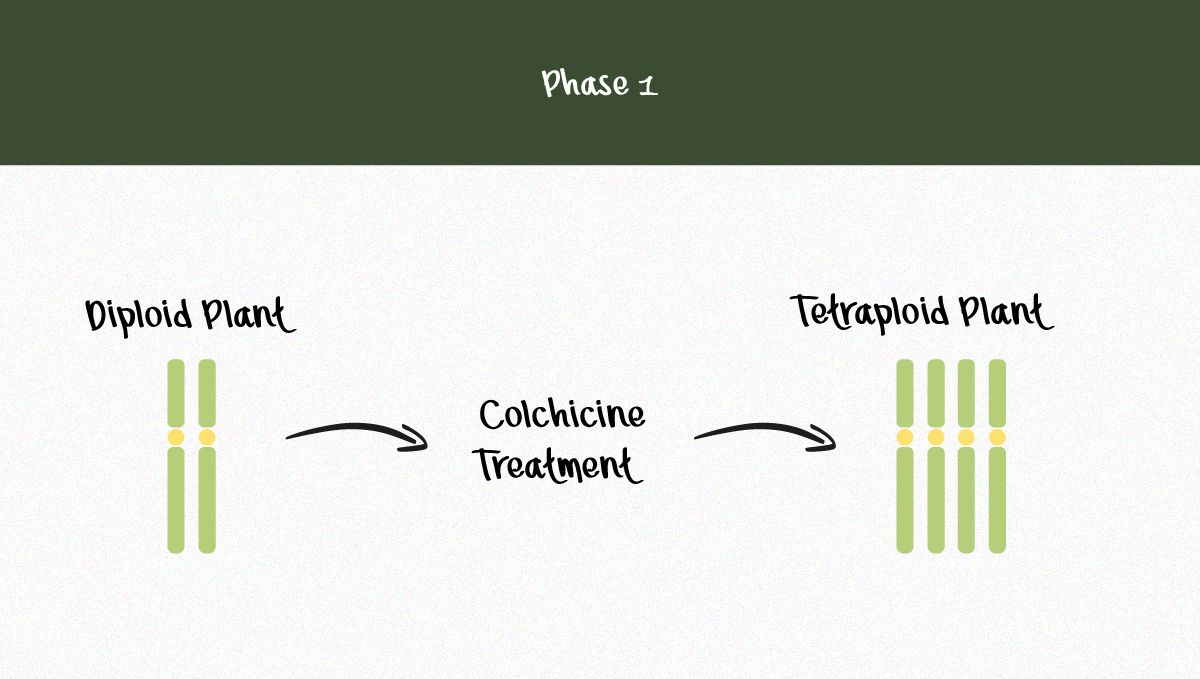
When you’ve got a large enough collection of tetraploid plants, you can start breeding them in a normal way, preferably over several generations, until you have fixed the desired traits, such as cultivation characteristics and bud quality. This will also hopefully breed out any chance mutations or irregularities, and in the end, you get a stable inbred tetraploid seed.
On the flip side, you can be sure that no traces of colchicine, which is a toxic chemical, will make their way into the next-generation triploid plants or the final product. Whether diploid or triploid, your smoke will be totally safe.
- Step 2. Crossing the Tetraploid with a Diploid
This step is no different from the normal breeding process. The breeder takes a tetraploid mother and a diploid father and crosses them to get a plant with a triple set of chromosomes. There is some variability to this process, and while the majority of offspring will in fact be triploid, you may see some diploid and tetraploid specimens as well. Again, you’ll need equipment for chromosomal analysis to identify and discard them.
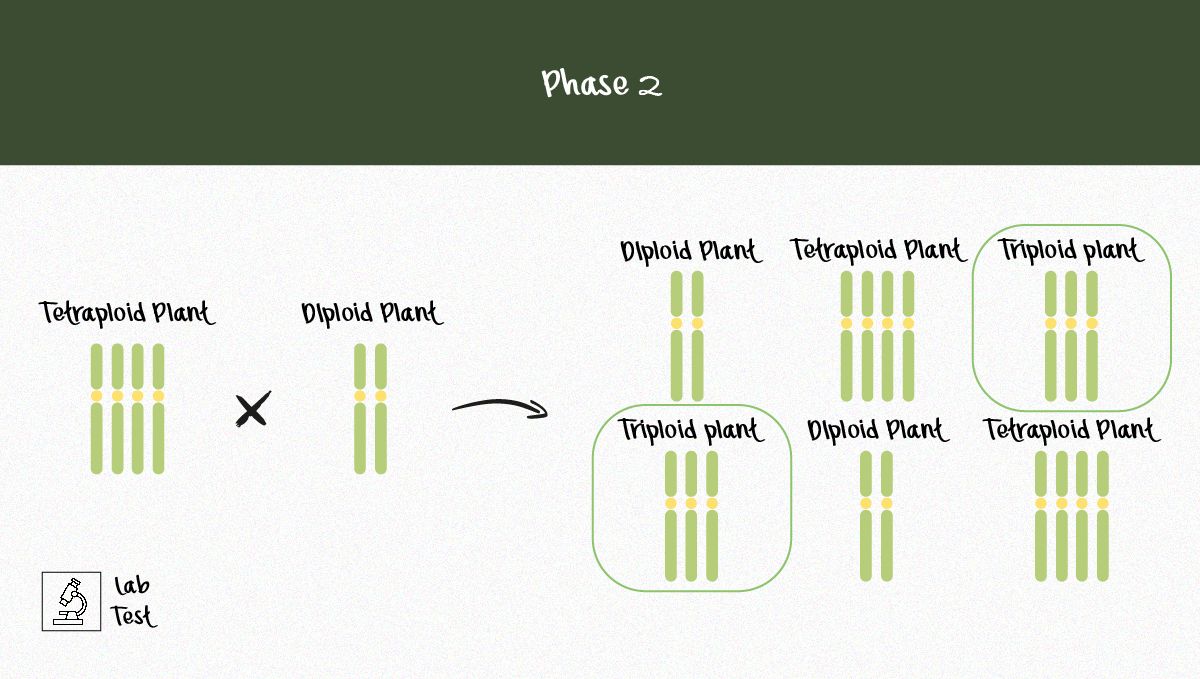
The good thing is that long before this step, no traces of colchicine, which is a toxic chemical, are left in either the seeds or the plants. Your smoke will be totally safe.
- Step 3. Selection
To be truly outstanding, plants seeds require rigorous selection, and triploid plants are no exception. One may need to pair up many tetraploid and diploid parents to get a winning combination. However, once this happens, you can keep the cross as a mother plant and use it to produce marketable tetraploid seeds of premium quality.
Benefits for the Plants Industry and Consumers
Cash-crop growers may see their cycles reduced by an average of 7 days, bringing down electricity bills and reducing the overall carbon footprint. At the end of this shortened cycle, the returns could be just the same or even more abundant (by 10-20% if following best practices), and thanks to denser frosts, you may expect a 3-5% increase in strength. The larger and denser buds of triploids will also be more appealing to the consumer.
Challenges and Considerations for Triploid Plants Breeding
While the potential benefits of triploid plants are significant, there are also challenges and considerations to address:
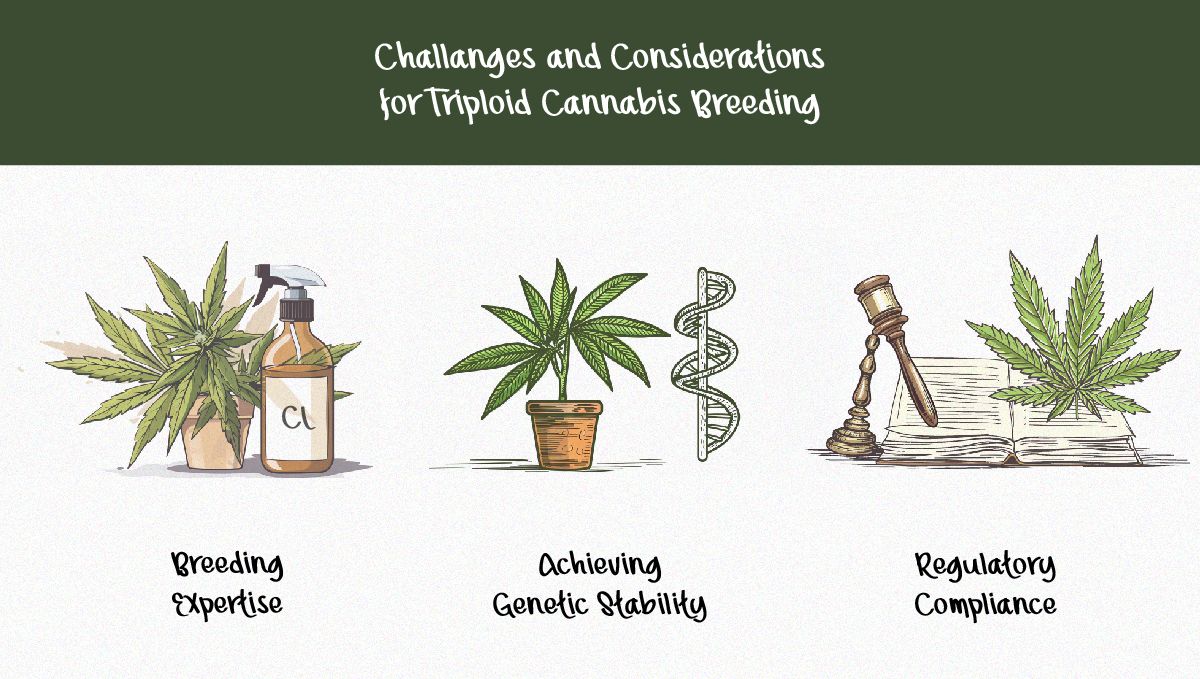
- Breeding Expertise
The process of creating and propagating triploid plants plants is complex and requires specialized knowledge and equipment. Breeders must carefully manage the use of chemicals like colchicine and employ advanced techniques, such as somatic hybization and tissue culture, to streamline the process and achieve success.
- Achieving Genetic Stability
Maintaining genetic stability in triploid plants plants is essential for ensuring consistent quality and performance. Breeders must monitor and manage genetic variations to prevent unwanted traits from emerging.
- Regulatory Compliance and Consumer Acceptance
The use of chemicals and genetic manipulation of plants raises regulatory considerations. Growers and breeders must ensure that their practices comply with local, state, and federal regulations to avoid legal issues. Consumer acceptance isn’t a given either, as consumers need to be reassured – through education and transparency – that triploid genetics are safe.
Triploid Genetics and Auto Plants
Auto plants, is another area where triploid genetics could be a breakthrough. By combining the benefits of triploidy with auto traits, we could develop plants that:
- Mature more rapidly. Preliminary research has shown that triploidy may result in a 7-days shorter life cycle on average. If this feature is stabilized, autos can consistently produce in under two months from seeds, allowing for a faster turnover and multiple returns per year.
- Are more okous and potent. Autos have already come a long way from what they were at the dawn of auto evolution. Now, the best of them are just as potent and aromatic as photoperiod seeds. The introduction of triploidy would take these traits to the next level.
- Remain sterile. While autos are usually fem and are supposed to produce unseeded female buds all the time, accidental pollination is an ever-present risk even in the best-maintained gardens. Using triploid genetics could bring this risk down virtually to zero.
- Better adapt to adverse conditions. Autos are bred from Ruderalis, a feral Siberian subspecies known for its hardiness, and the ability of autos to adapt to very harsh environments is one of their main attractions. This feature could be enhanced even further with triploidy.
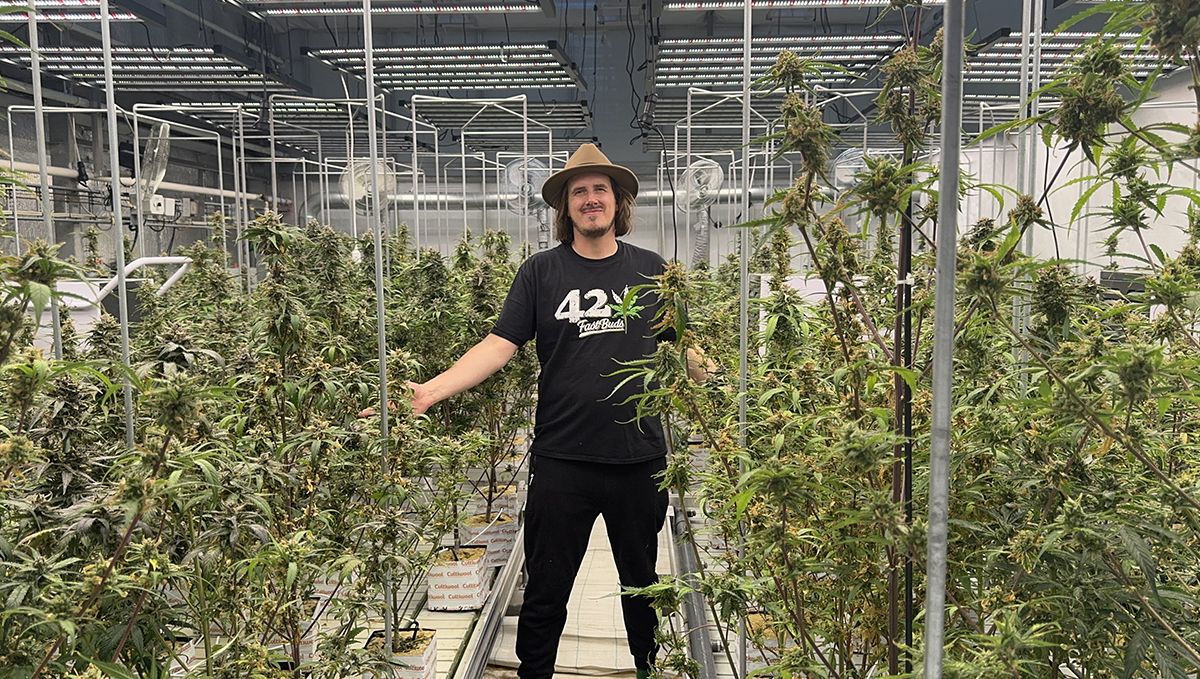
As autos make the staple of our collection, we at Fast Buds eagerly embrace this innovative yet time-proven technology that promises better results to our customers. As we extend our lineup of auto seeds and also venture into the fast-flowering and photoperiod domains, we’re focusing on triploids as the most promising way of delivering the best plants seeds on the market. This work has already begun.
Conclusion
The potential of triploid genetics in the plants industry is immense. By leveraging this technology, growers can produce plants with superior traits, benefiting both the industry and consumers. As research continues and breeding techniques advance, triploid plants may soon become a staple in modern cultivation, heralding a new era of innovation and excellence in the field. The combination of triploid and auto genetics further enhances the possibilities, offering rapid, high-quality, and consistent plants products.
References
- Novel Approach for the Accelerated Production of Triploid (Seedless) Watermelon, Mahmoud I Nasr et al., April 2004
- Origin and evolution of the triploid cultivated banana genome, Nature Genetics, December 2023
- The study of triploid progenies crossed between different ploidy grapes, African Journal of Biotechnology, July 2011
- Polyploidization using colchicine in horticultural plants: A review, Scientia Horticulturae, February 2019
- Polyploidization for the Genetic Improvement of Plants sat., Front. Plant Sci., 30 April 2019
- Effect of induced polyploidy on some biochemical parameters in Plants sat L., Appl. Biochem. Biotechnol., 2015
- The advantages and disadvantages of being polyploid., Nat. Rev. Genet., 2005
- Plants sat: Auto and Hyb Seeds, Ravindra B. Malabadi et al., August 2023
- Plants sat flavor are cannabimimetic and selectively enhance cannabinoid activity, Scientific Reports, April 2021
Comments