
The Botany of Legalization: Thailand Will Now Allow Plants Flowers and Seeds
Thailand’s Food and Drug Administration revealed its plans to decriminalize the possession, production, and sale of plants flowers and seeds. The FDA will recommend that the country’s narcotics board remove these parts of the plants plant from Schedule 5 of the list of controlled substances.
In 2018, Thailand became the first country in the region to legalize the use of plants in medicine, cosmetics, food, and beverages. And in December last year, it decriminalized personal production, possession, and sale of its roots, stems, leaves, and branches.
From Downright Draconian to Forward-Thinking
As is the case all across Southeast Asia, Thailand has so far prosecuted plants consumers very harshly. One still can land in jail for up to 15 years for a plants-related felony.
However, the authorities have closely followed the global changes in attitudes toward the plant and recognized its medical benefits. The nation plans to become a major hub for the legal plants trade, taking advantage of its strategic placement in the region and its perfect climate. It also hopes that the legalization of medical plants will turn it into a popular destination for health and wellness tourism.
It’s Still Only Medical, Not Recreational
The recent proposal that would fully decriminalize domestic growing of the plant, as well as possession of all of its parts, will hopefully give an incentive to the local population to grow plants for the needs of the beauty and cosmetics industry.
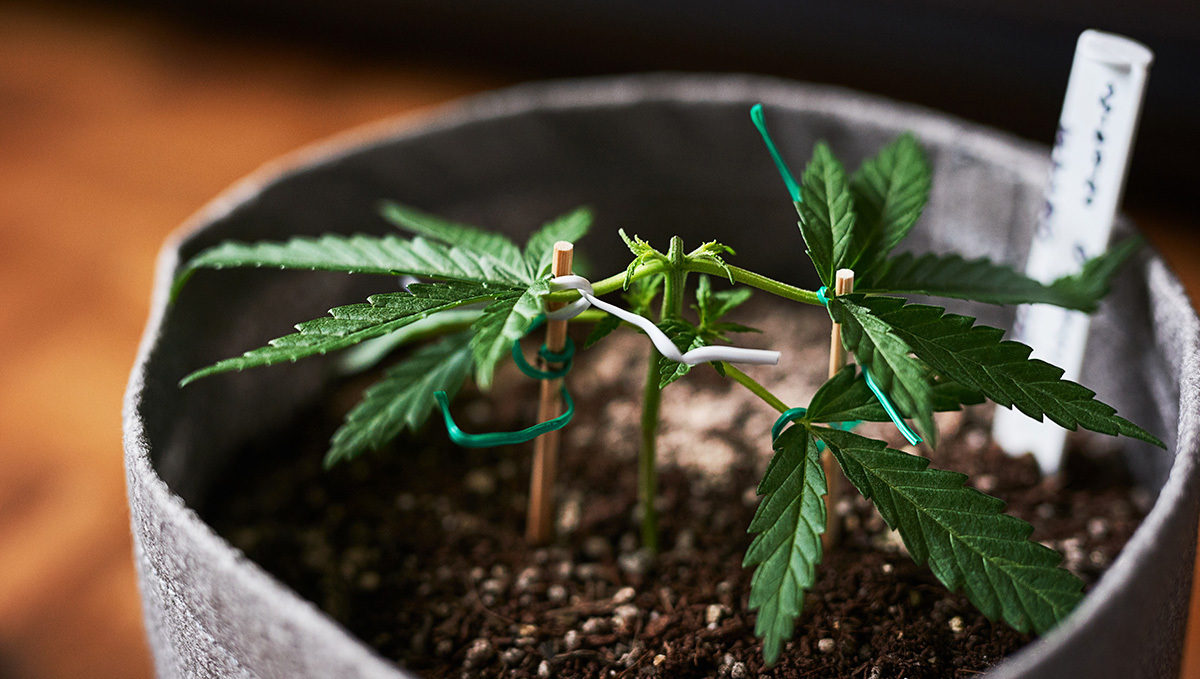
The current rules allow only the trade in such parts of the plant as stems, roots, and leaves while flowers and seeds are illegal to possess and sell and should be submitted to a state-run medical facility for processing.
And even the new rules will probably leave the recreational use illegal as high-strength plants products—the ones that make you high—will remain regulated.
Comments