
Thailand to Allow Home Growing of Plants

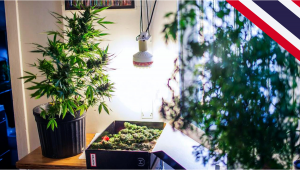
On Tuesday, Thailand’s narcotics board announced its decision to remove the plants plant and all its parts from the list of illicit drugs. The move will make the country the first in South-East Asia to allow its residents to legally grow the crop. In 2018, Thailand was the first in the region to recognize the therapeutic benefits of the plant by legalizing its medical use.
To grow plants legally, a homeowner will have to notify local authorities and be ready for random inspections. And one would need a special license to be able to sell the produce because, in its current reading, the law only stipulates the personal consumption of plants as traditional medicine.
The Culmination of Legalizing Plants Incrementally
Thailand’s health ministry is expected to present a separate bill this week that will provide guidelines for the consumption of plants-derived products, including their recreational use. The draft will also tackle the issues of sale and distribution.
Meanwhile, the current bill will be published in the Royal Gazette which will mark the beginning of the 120-day waiting period. After that, the domestic cultivation of plants will be legal in Thailand.
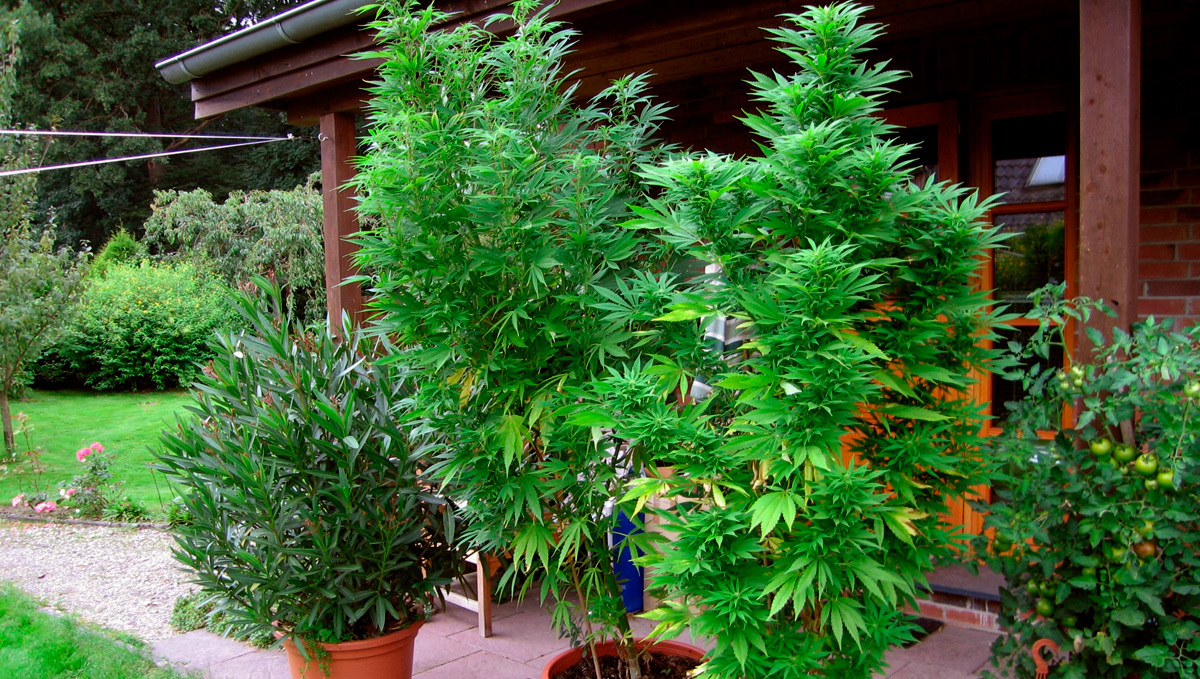
The country has been long warming up to the idea of plants legalization. Since last December, it has been legal to grow, possess, and sell parts of the plant that are low in strength. These are roots, stems, branches, and leaves. On the heels of that decision came the next one — to allow flowers as well.
From Pizza Toppings to Research Centers
As with any other cash crop, plants can potentially mean a lot for the country where a third of the labor force works in the agricultural sector. As it is, there’s been a boom in the cosmetics and food industry since the legalization of medical plants made it possible to add Extract and the plant’s other constituents to various products.
One of the country’s biggest fast-food chains has recently introduced a plants-flavored pizza that is decorated—as an added bonus—with fresh plants leaves. This novelty isn’t likely to stay on the menu for long and will probably vanish even before the stock of the leaves runs out, but it shows Thailand’s growing interest in the plant.
Another sign that the country takes all this plants business seriously is the opening of a research center for medical plants. Far from being a local thing, the center has attracted the attention of researchers from Canada, the Netherlands, and Japan. It’s a testimony that international stakeholders consider Thailand as South-East Asia’s most important hub of the future plants market.
Comments