
How To See The Difference Between Good and Bad Plants Buds


- 1. Low-quality plants buds
- 2. Medium-quality plants buds
- 3. Premium-quality plants flowers
- 4. Color
- 5. Scent and flavor
- 6. Pistils' color
- 7. Ok and crystals
- 8. Density and size
- 9. Trimming
- 10. Are expensive buds always better?
- 11. Plants buds - faqs
- 12. In conclusion
Being new in the world of plants can be exciting, although it usually comes along with some bitter surprises due to beginner's misinformation. This is because as a new user, it's hard to tell exactly what you should be looking for, and then you bump into a close friend telling you that your buds are lousy. So, in order to avoid getting ripped off with second-hand buds, let's go through some basic differences between good and bad-quality plants buds. Keep in mind that this doesn't apply only to store-bought plants, but also to returned buds after growing your own plants seeds at home.
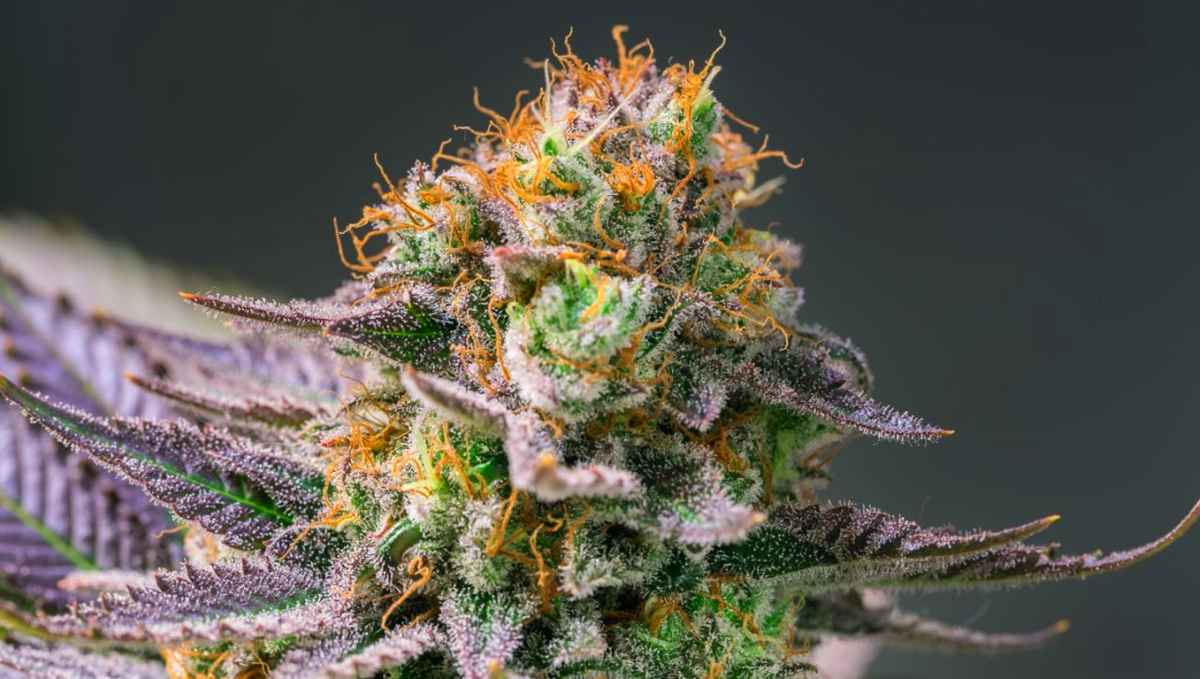
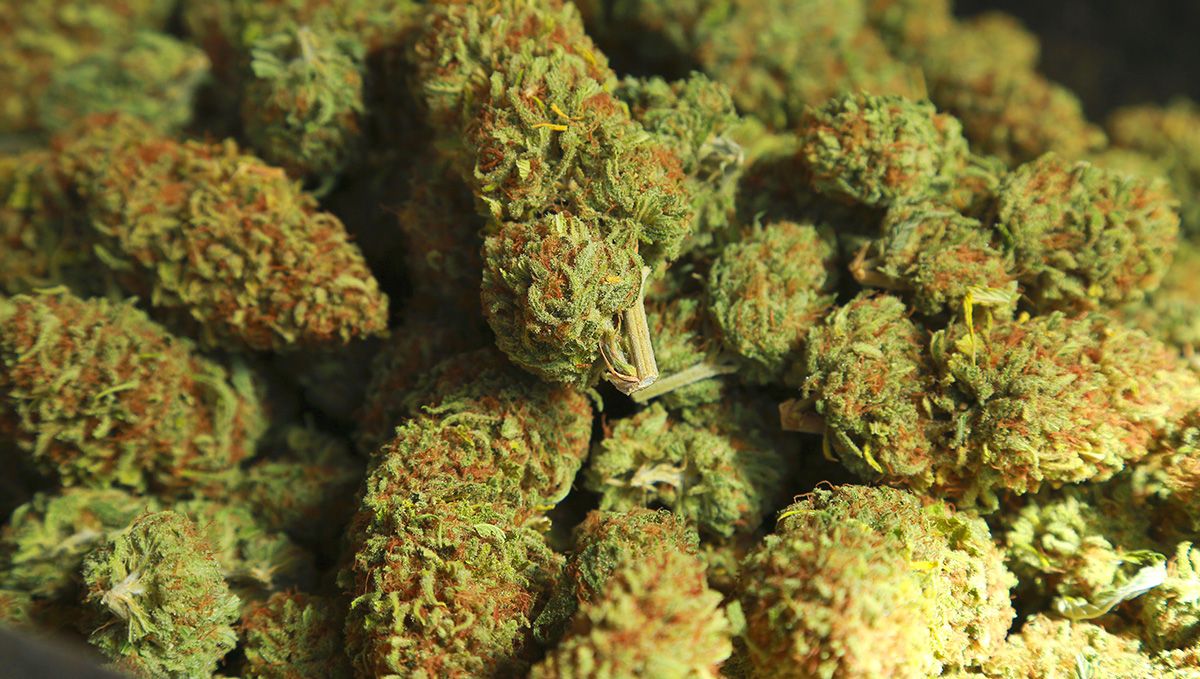
The contrast between premium and poor buds resides mainly on high effects; color; aroma and taste; crystals presence; bud density; trimming and more. Generally speaking, good quality buds will be tightly pumped and dressing shiny, well-manicured, colorful looks.
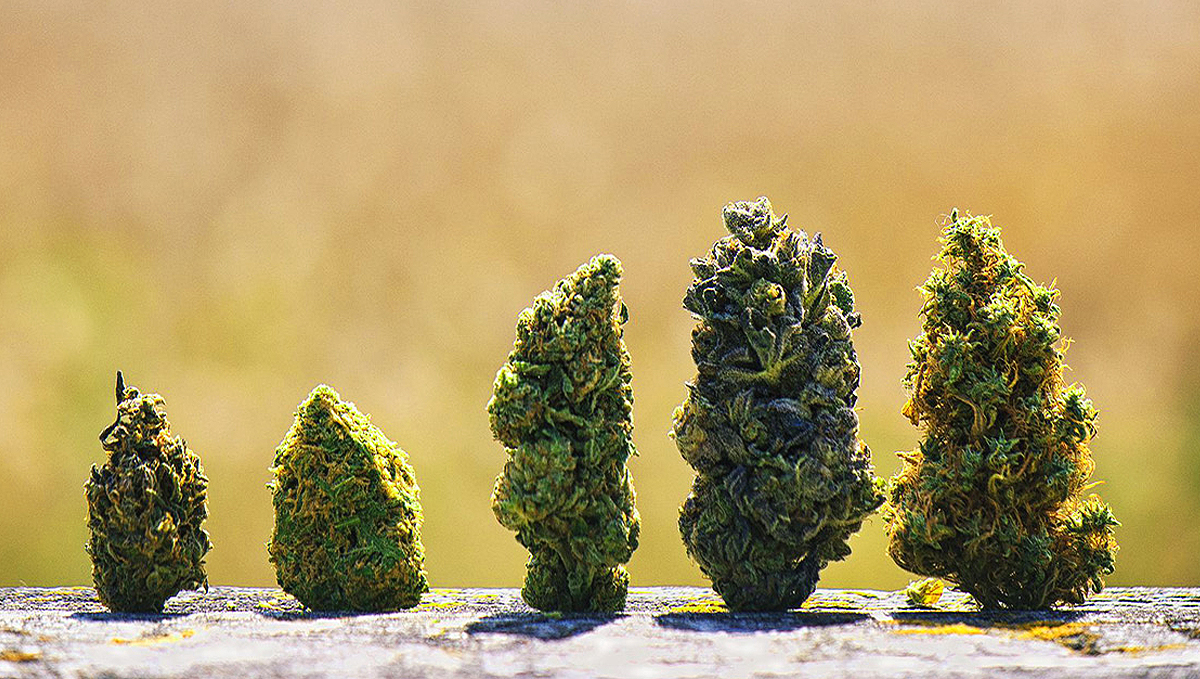
Plants buds can be categorized into three different types, almost as the good, the bad and the ugly:
- Low-quality buds;
- Medium-quality bud;
- And premium-quality buds (aka exotic plants).
Basically, every time you can, access and pocket-wise, treat yourself and go for the premium of the premium stuff. But to differentiate them you'll need to be able to identify the main characteristics of each group.
1. Low-Quality Plants Buds
Most of us have been there, we were young and new to the wonderful world of plants smoking and were desperately looking for a cheap hookup. That's when we bumped into our first brick plants sighting, a supposed-to-be promising stash of plants that would brighten your days, as long as we hadn't heard of or tasted the good life yet.
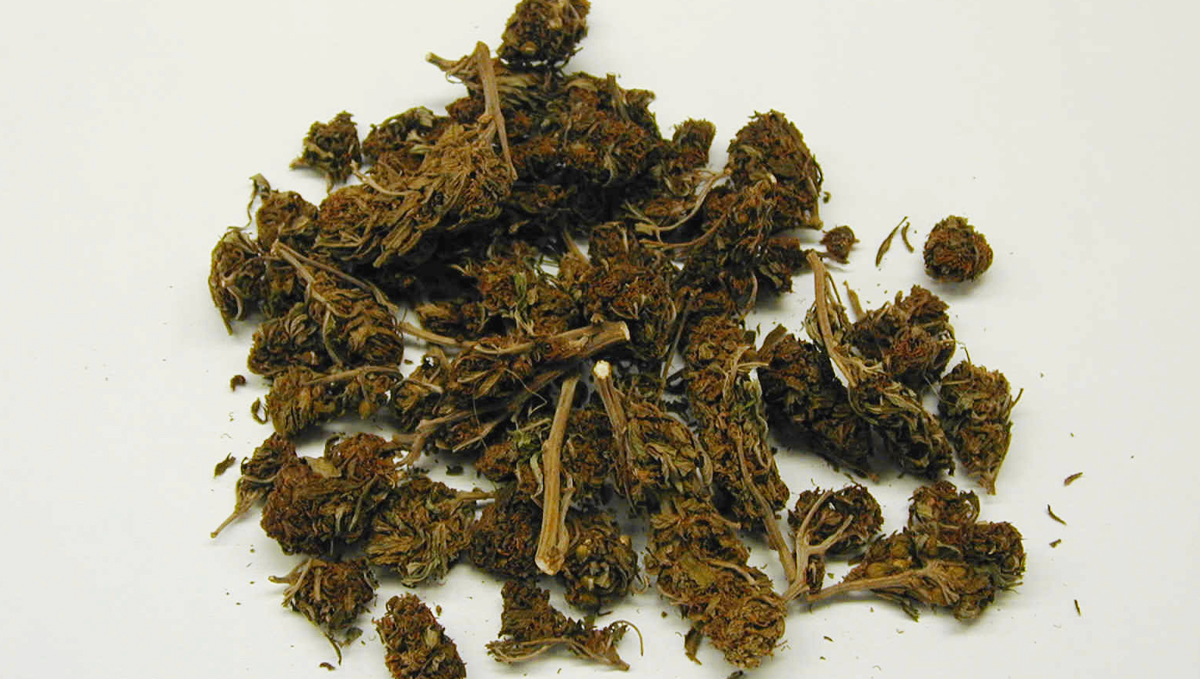
Low-quality plants buds are ones that look pitiful, tending to look as if they were extremely squeezed (because they were) and they can even come in a brick, stonish kind of form. Ridiculous amounts of seeds are commonly found in these buds, as well as lousy scents and tastes, even so, that you might not even want to smoke them. The main aspects of low-quality plants are:
|
Looks |
Brownish, dark green tones dominance; plenty of seeds; squeezed aspect. |
|---|---|
|
Density |
Flaky; airy; not sticky or improperly dried. |
|
Scent and taste |
Low on flavor, which results in lesser aroma and flavor. Raspy on the throat and definitely not a 'green' taste. |
|
Effects |
Due to the low flavor count, and likely low strength too, the high will probably not be as strong, but it will still get you high. |
The central problem with these buds is that, usually, they aren't grown with enough, or any care at all. People who grow these marihuana plants aren't focused on quality terms at all, and that's why it's so visible on their final product.
Most of the time, low-quality buds are grown for commercial purposes, exporting them illegally from one country to another stuffed in small packages, which is why they look so awful. Although they are usually a black market product, they could also be a result of first-time growers who messed up somewhere in the process, obtaining sad-looking buds. Lastly, the most evident indtor of low-quality buds is their price. Of course, their salesperson can't charge you the prices of the premium buds for these brown buddies, or at least we hope not.
2. Medium-Quality Plants Buds
Most amateur or intermediate home growers' buds fit into this category, which isn't that bad at all. The mere fact that they are already far from resembling the low-quality buds makes you worthy of a standing ovation. Medium-quality plants buds are those that already look like proper buds, with beautiful green tones, perfume, and flavor.
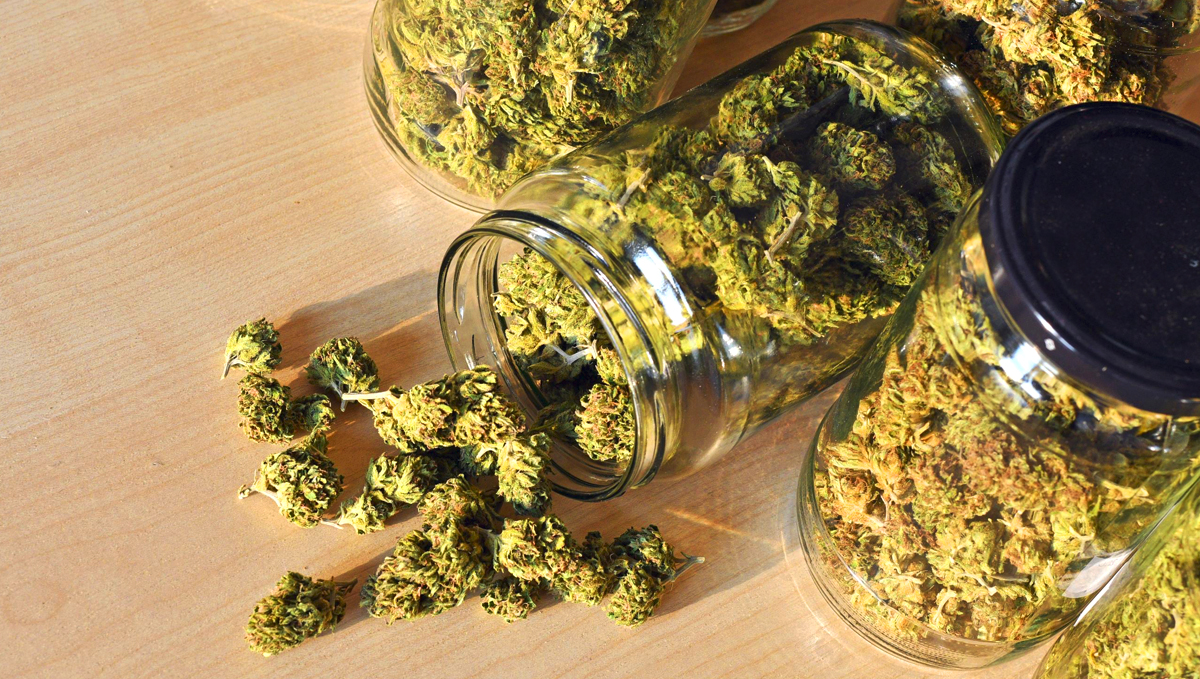
These buds result from growers who at least put some love and care into the growing process, paying attention to the watering schedule, their nutrients, and maybe even the environmental influencing factors. At this point, if you find yourself purchasing medium-quality buds, the price will already be quite higher than low-standard buds, but we can assure you it will be worth it. You can recognize medium-quality buds by checking for these characteristics:
|
Looks |
New brighter shades of green will be all over, along with a sparkling layer of frosts and orange pistils details. Small broccoli or miniature trees shapes, with a few extra leaves. |
|---|---|
|
Density |
Tighter, stickier buds, optimally no seeds inside. Good drying and curing process. |
|
Taste and scent |
Pleasant taste and aroma, but nothing too strong. |
|
Effects |
The high will be much more improved than the one of low-quality plants, given the higher frosts and strength presence. |
Although medium-quality buds are already acceptable and decent enough, we all know that one friend who will be like "yeah, it's good but I've tasted better", not that we're like that at all. This friend has probably already tasted the premium-quality heaven and its hard to get down from there afterward. This brings us to the next point.
3. Premium-Quality Plants Flowers
Is it us or does the grass look greener? Yes, you've probably just come across premium-quality plants buds (aka exotic plants), hurray! In case you haven't, then let us to describe to you what these gems look like, and excuse us if we turn into poets as we do so. These buds are the results of skilled masters, expert-level growers who have a clear idea of what they're doing. Usually, premium-quality buds can be found in big cities or common plants-growing spots, such as Spain; Northern California, and the Netherlands.
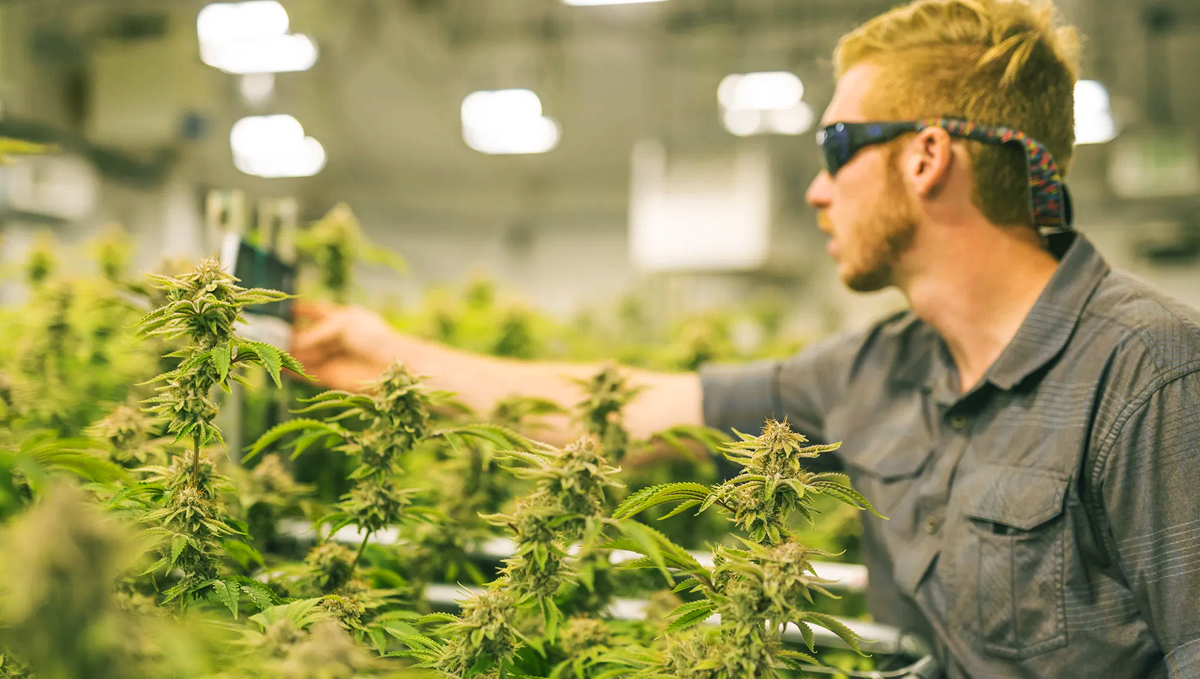
It's in places like these where such masters put full dedication into what they're growing, being aware of every single detail of the growing process to get the most out of their seeds. Yes, you'll definitely be able to tell on the scent, taste, and the high you'll get on exotic plants!
If you don't come from these plants hotspots, this doesn't mean you can't still find these green diamonds anywhere else, or even grow them yourself. Just make sure you inform yourself and learn all the sensei's procedures to master the cultivation of plants.
These small trees from heaven will likely cost way more than the previous two categories, however, we can assure that the ride will make up for it. So if you're looking to spoil yourself and get the biggest jewels in the market, what you should be looking for is:
|
Looks |
Get ready for the newest saga 50 shades of green. These premium buds will combine perfect tones from light to darker green, with a combination of deep orange pistils, and a fairy-tale shiny coat of frosts all around. |
|---|---|
|
Density |
Are they stones? No, they're just great buds, so packed and full that they feel hard as a stone. And yes, that stickiness on your fingers is because of them. |
|
Taste and scent |
Wine tasting? More like plants we'd say. Good cultivation promotes flavor production, preserving each seed's flavor notes and characteristics. |
|
Effects |
Get ready to be swept off your feet. Inexperienced users will tell you the funniest experiences with premium buds. |
Hopefully, this guide will help you differentiate good plants buds from bad ones in the future. However, it all goes a little further than that, with certain specifications on essential factors about plants quality which we'll proceed to explain.
4. Color
No one likes to admit it, but sometimes us human beings can't help but be slightly superficial when it comes to choices, it sounds ugly but looks take part in many of the decisions we make. This doesn't escape plants either. One of the biggest indtors that certain buds are good or bad resides on their color. While different seeds come in a huge variety of colors, from green to purple, orange, and red, it's not so much the hue but more of the vibrancy that tells on the quality.
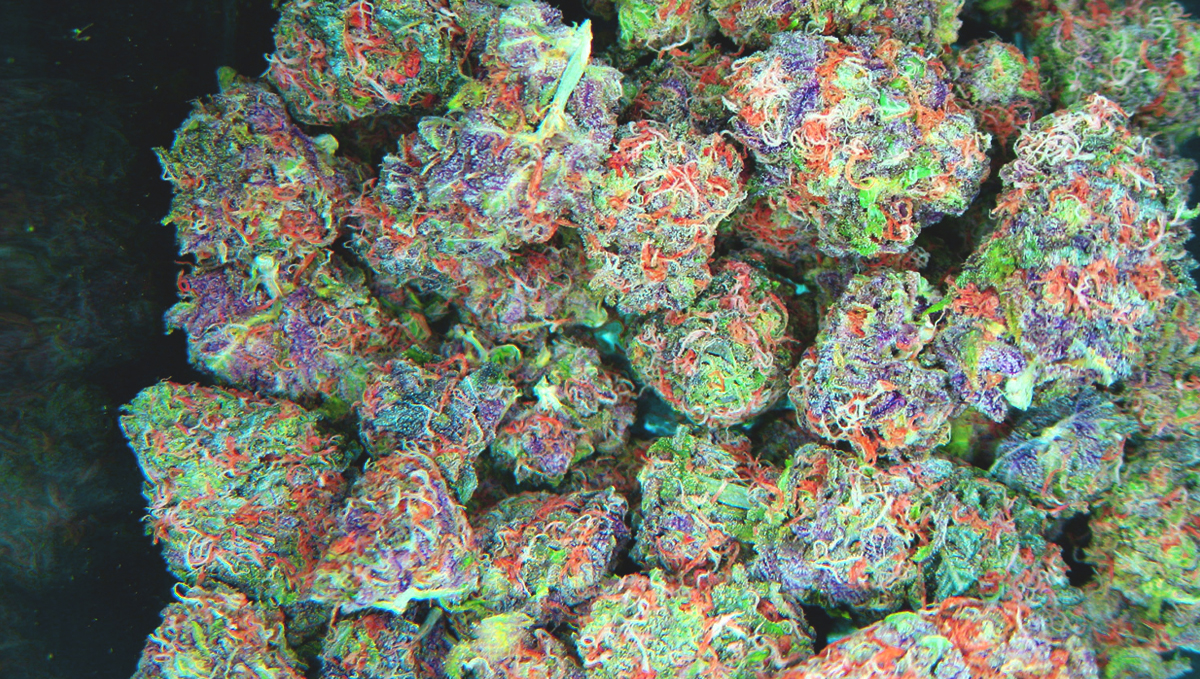
What you should be looking for is shiny and bright, pompous buds. These are all signs of nice genetics, proper growing methods, and good curing and storage. On the contrary, poor buds have a duller aspect, dressing dark green or brownish tones.
5. Scent And Flavor
The flavor in plants flowers are the ones responsible for their aroma and flavor. These molecules come from the mushroom-shaped glands on the buds called frosts, which start growing at the flowering stage, and achieve their full potential once they've reached the perfect return time.
How can scent influence the quality of your plants? Have you ever taken out your stash box and not even a second after popping it open you could smell the perfume all over the room? That's definitely a good sign.
It doesn't necessarily mean that a good smell translates into good quality as well, but it is more often than not a rule that applies. The most common aromas and flavors include touches of flowers, citrus, earth, spices, fruit, and sugar.
6. Pistils' Color
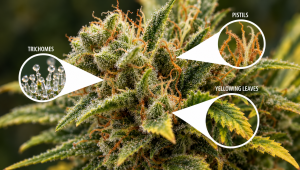
If you've ever taken a close look at plants buds, perhaps with a macro loupe, you might have noticed the hair-like tendrils all around them. These are called pistils and they're the female plants flower's sex organs, but that's not why we're interested in talking about them for now.
Pistils are great ways of identifying the plant's progress. At the beginning of the flowering stage, they'll have a white aspect, while they'll start turning into a dark orange tone once they're getting ready for return. A bud that has been returned at the right time will contain about 70% of amber-colored pistils, indting the flavor and strength have reached their fullest potential.
7. Ok And Crystals
Good quality buds will come along with big amounts of ok and crystals. Frosts are the ones responsible for these two elements.
It's in these microscopic diamonds that most of the psychoactive components of the flowers are produced, such as strength and Extract, along with some famous flavor like myrcene, limonene, and pinene.
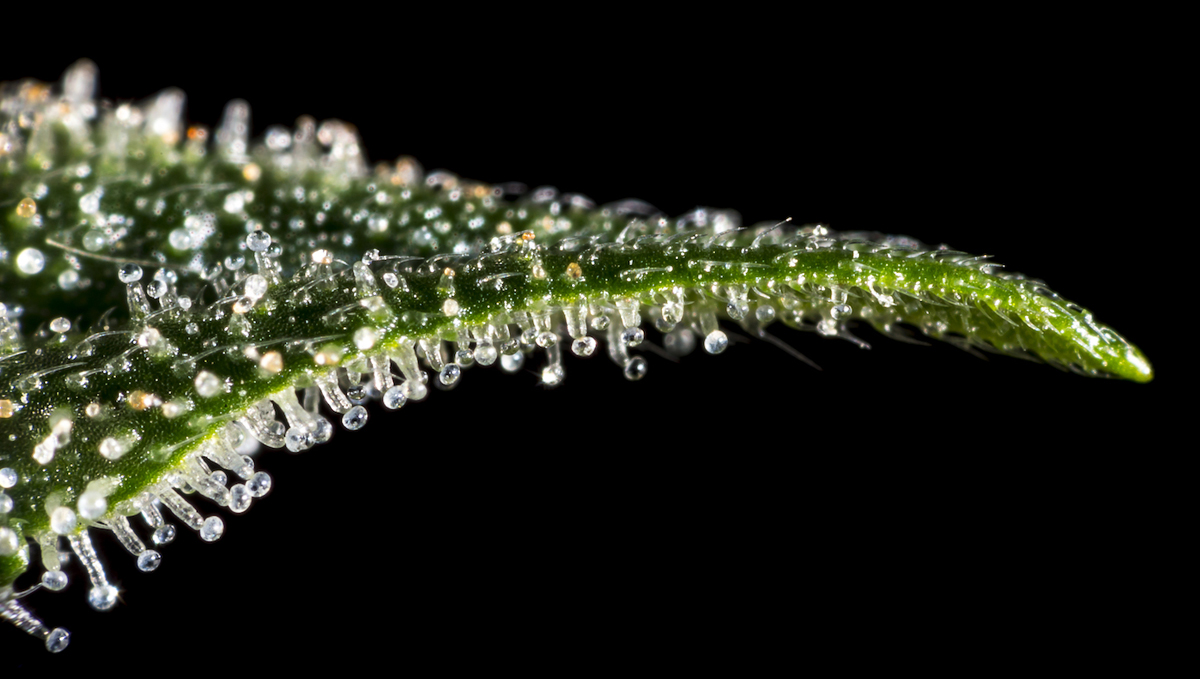
The more frosts the buds bring, the more ok produced, therefore the higher you'll get. It's easy to tell the frost and ok content of a bud just by observing it, perhaps even with a flashlight.
8. Density and Size
Shortly, what every grower hopes for is for his buds to be heavy and tight, and if they're big, better. The main difference is that when you grind a piece of a dense bud the amounts will seem to double, while fluffy buds won't live up to your expectations as much. At this point, it all relies on proper growing techniques. A lack of nutrients and light will likely result in fluffy, light buds.
9. Trimming
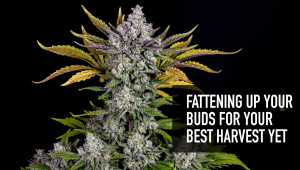
Once a plants plant is returned, the next step is trimming, which is also known as manicuring. This process refers to the part where you get rid of excess sugar leaves, the small leaves growing around the flowers. Having sugar leaves on your flowers doesn't mean that the bud is of poor quality but rather that the grower was lazy. It's all a matter of aspect firstly: a well-manicured bud looks better than a leafy one. At the same time, if you're buying your plants, when you get trimmed buds you're paying strictly for what you get -just the buds themselves- instead of excess leaf weight in the opposite case.
10. Are Expensive Buds Always Better?
Or maybe a better question is - is cheap plants always low quality? That really depends on where you live, the legality of plants in your country or state, and who you know. Personal taste also plays a huge role in answering this question. If you are lucky enough to live in an area where plants is recreationally legal, then there should be multiple dispensaries for you to choose from. Healthy business competition usually leads to great deals for consumers no matter the product, and it's no different for plants. Most dispensaries in built-up, urban areas will have some specials each day, week, or month so be sure to shop around and see what's available.
But, what if you don't live in a legal state or country? Well then, things are a little different for you poor souls. That's not to say that you cant find high-quality buds for a decent price, you just need to be more careful with purchasing, carrying, and consuming the mighty herb. Always keep your wits about you, and make sure to keep your personal safety and liberty at the forefront of your decision-making. And who’s to say you even want the strongest, stickiest exotic plants available anyway? Even the most involved pot enthusiasts go through stages where they want only the dankest bud, then decide that they want to smoke something a little lighter.
If you are just starting out on your plants journey you may want to start with a product that has a lighter strength count and see how you like the effects. With the explosion of plants culture in recent years, we have seen a huge improvement in genetics with regard to not only strength and other cannabinoid percentages, but also flavor and flavorene profiles. Are you someone who doesn't love getting blasted when having a cheeky toke? In terms of personal preference, there is also Extract to consider. Extract is one of the strength that has been boosted with modern genetics to the point where you can now purchase beautiful buds with close to zero strength content but huge Extract percentages. Its also possible to get plants that has a nice balance of both strength and Extract, which is becoming an increasingly popular choice - especially among new users.
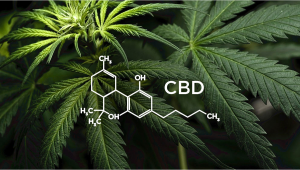
Extract has been proven to have strong anti-inflammatory, pain-relieving, and appetite-boosting properties all without any psychoactive effects whatsoever. Make sure to check out our Extract Auto 20:1 for a seed that is very low in strength but has buds bursting with Extract, or our Extract Auto 1:1 (Extract Crack) for a nice balanced mix of high Extract and mid-strength strength. Both options have huge bag appeal, with gorgeous looks, taste, and aromas.
So, all in all, it really comes down to what YOU are looking for out of your plants. Yes, plants is broken up into three main categories of quality, but let your gut make the decision and try a whole range of seeds and strength before you settle on your very own favorite sticky-icky.
11. Plants Buds - FAQs
So, there we go. Pretty much everything there is to know about how to tell the difference between top-quality sticky icky, and low-grade bu**sh**. But, as with most aspects of plants, there will always be some lingering queries. Nothing to worry about, every day is a learning day as they say! Let's quickly run through the most commonly asked questions that we get over here at fast buds, and see if we can't find a simple and straightforward answer to each and every one...
What is the Best Way to Ensure You Get Top-Shelf Buds Every Single Time?
The absolute best way to ensure that you are consistently getting the highest quality plants buds is to either buy from reliable, trustworthy sources - or, grow it yourself! If you live in a country or state that offers legal recreational plants then that's great, you should have no trouble finding the good stuff. If not, but medical plants is available to you, then you may want to look into that avenue (only for those among us with actual medical issues though, you wouldn't want to game the system in any way...).
Otherwise, you might want to consider trying your hand at growing the stuff. It's a great hobby to get into if you enjoy smoking, vaping, or any form of plants consumption. Not only is it much cheaper than buying exotic plants (in the long run, sure the setup costs can be a little daunting), but it is extremely satisfying to be able to enjoy top-shelf buds that you grew yourself.
Is One Style of Cultivation Better Than the Others?
That all depends on the outcome you are trying to achieve. If you want the biggest returns possible, with the highest cannabinoid concentrations, then hydroponic cultivation is probably going to be your best bet. Hydroponic systems usually allow for maximum control over the environment your plants are growing in, and also provide extremely efficient and dialed-in delivery of nutrients directly to the plant's roots. If you want the most flavor and aroma out of your plants, then soil-based cultivation could be the way to go. Soil provides the best medium for naturally leashing out complex flavor and strength, as it allows for more varied nutrient uptake from the wider range of nutrients that are found in soil. If you're looking for the perfect in-between, and the substrate we most often recommend for growers looking to start with hydroponics, then we suggest diving into coco-coir.
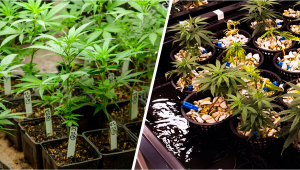
Coco-coir provides the tighter control that comes with hydroponics, but also a more forgiving environment when it comes to nutrient delivery than soilless hydroponics. At the end of the day, you will have to experiment and determine which works best for you! There are always going to be pros and cons to each option, but as long as your plants buds are well cared for at every stage of the cultivation process, you should end up with a top-shelf product.
Is Choosing Good Genetics Important for Ensuring the Crop Offers Top-Shelf Buds?
100%. In this new age of plants legality, the sheer amount of seeds on offer is almost ridiculous. And you know what else is pretty wild? The crazy amount of seed companies. If you want your greatest chance at growing the best exotic plants you've ever laid your eyes on, then you are definitely going to have to navigate the murky ocean of seed producers and find a great option.
What are the Quality Measurements of a Good Plants Bud?
The quality measurements of a good bud are, in essence, the same as any other product - potency (in terms of strength), aroma and flavor, texture, and overall appearance. When it comes to plants, potency is probably the most important factor of all, but not always, and not for everybody. In a recent study, participants were given a bunch of top-shelf seeds to try - ranging from 10% to 25% strength. The seeds that scored highest were not, in fact, the strongest seeds, but the tastiest. This goes to show that, yes, potency is important but it should not be your only consideration.
The aroma and flavor of a good plants bud are hugely important, as this can be a great indtor of the quality and is just so enjoyable for most plants enthusiasts. For example, if you get a really sweet-smelling bud that has a few diesel or fuel notes when smoked, then you know it's probably a pretty decent seed!
Is Curing a Vital Step for Smoke Quality or Can it be Skipped?
Think of curing like aging a nice whiskey - sure, a new whiskey gets you drunk but is that the point? You can 100% smoke the plants that you have grown as soon as it has finished drying, but that doesn't mean you should. Curing is one of the most important steps in the process of creating top-shelf plants.
Curing plants helps to preserve the flavor and aroma of the buds, as well as helping to turn that harsh smoke into something smooth and creamy. The curing process can also help increase the potency of your plants buds as it helps to break down and balance out the flavor. Curing does take a little bit of time (anywhere between 2 to 12 weeks for most seeds), but it is worth it in the end. You'll thank yourself later, we promise.
12. In Conclusion
The best way to make sure you aren't getting ripped off when you purchase plants buds is by being well-informed or getting help from someone who is. Never fear asking, it's always better to get rid of the doubts than regret your decisions later. Why not grow your own buds and challenge yourself to get the best, premium-quality buds you can achieve? And when you do achieve that, who said you can't reach a higher level of exotic plants? Who knows, perhaps you had some special inner talents for growing plants.
Comments