
Growing Plants Outdoors: Guerilla Growing

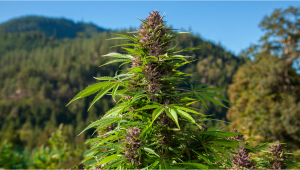
- 1. Guerrilla growing definition
- 2. Finding the perfect spot
- 2. a. Water
- 2. b. Sunlight
- 2. c. Camouflage
- 2. d. Soil
- 2. e. Bugs
- 3. Choosing the right genetics
- 4. Advantages
- 5. Disadvantages
- 6. In conclusion
1. Guerrilla Growing Definition
Guerrilla growing, or guerrilla gardening, is a method of growing that's still used in 2026, where plants seeds are planted in a secluded area. It can also be a stealth backyard grow operation, but it’s usually done away from the city, on farms or in small towns where you can easily reach the forest or jungle (depending on where you live), although it must be a place only you know because if it’s too easy to find, people may steal your plants.
This method consists of using natural resources to grow your plants from seed to return (so you don’t take the risk of getting caught when watering, for example).
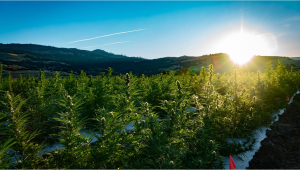
Now you have to find a perfect spot. A perfect spot is a place where the plants receive a good amount of sunlight, with a water source nearby (like a river or pond), where other plants around are growing healthy and without bugs, and obviously, where people won’t find them.
Another thing the perfect spot must have is a good amount of vegetation; this is because you need to camouflage your plants so they don’t stand out.
2. Finding The Perfect Spot
Guerrilla growing consists of camouflaging plants with the natural vegetation. The selected spot must be hard to access, with a good amount of sunlight, a water source nearby, and fertile soil because you don’t want to be seen going in multiple times. Ideally, you should only go to return your plants.

Finding the perfect spot for guerrilla gardening can be quite hard because you need to have a lot of things in mind. Just like growing plants on your balcony or in a grow tent, you must find a place that provides the following:
Water
As you may know, plants need water. When guerrilla growing plants it is very important to have this in mind because if you live in a dry climate, you will have to find a river, pond, or any source of water to plant your plants nearby.
If you live in a very humid place, try to find a place with direct sunlight so your plant doesn’t get mold. Although this can seem hard, you have to guide yourself by the looks of the plants nearby.
Sunlight
Sunlight is vital for plants to produce sugars and grow, so when looking for the perfect spot, this is the first thing you need to look for. When choosing the perfect spot, you must look for the place that gets as much sunlight as possible.
A good way to look for it is to take a walk around the place you’re thinking of growing in the morning, afternoon, and when the sun goes down. This way, you can have an idea of whether that spot gets enough light all day long.
Also, you should choose a place where the tree’s canopy allows you to see the sky. If you cannot see the sky or the sun from under the trees, then the sun will have a hard time reaching your plants.
Camouflage
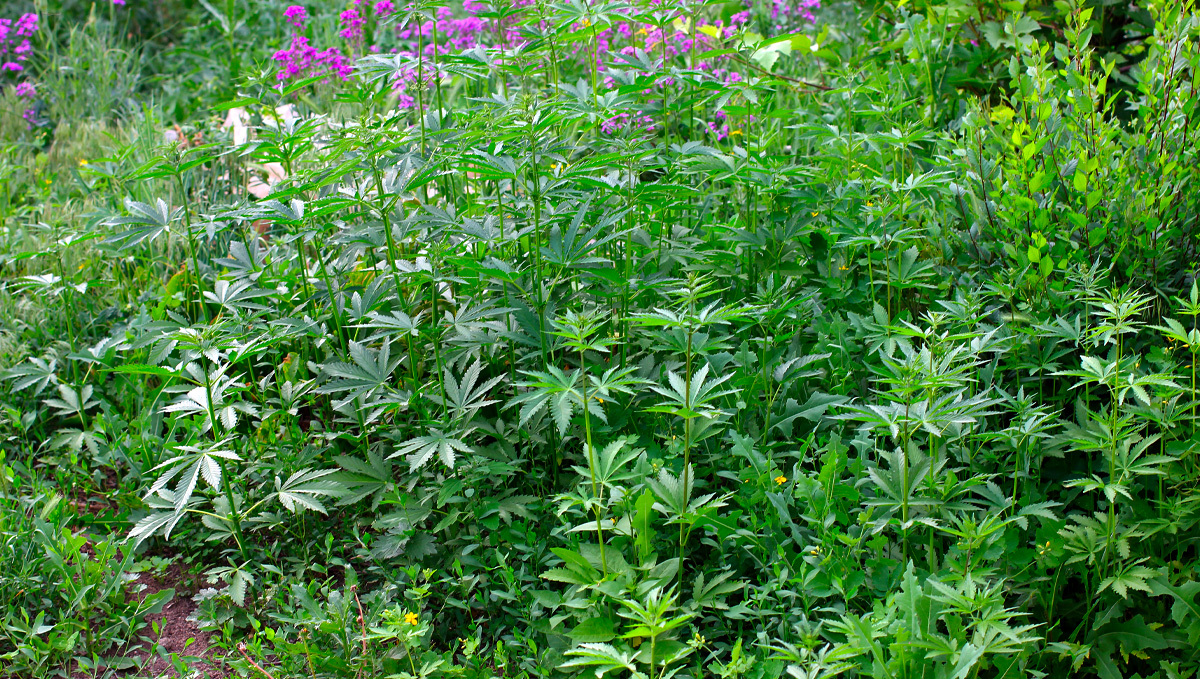
Considering guerrilla growing consists of literally hiding your plants, you need to find a spot with a lot of vegetation. Remember you don’t want your plant to be covered by the ones around, but you want to find a place where your plants plant can camouflage with the vegetation.
This is a very important aspect of this method of growing. If you choose a spot where there aren’t a lot of plants around, a 2m plants plant will stand out, especially when flowering.
Soil
If you live in a place where plants is illegal, you don’t want to be seen going in and out of the spot you chose to plant. This means you cannot go every couple of days to feed your plants.
That's why you have to find a spot with good soil. To be sure of this, you will have to check the vegetation around. If the plants around are healthy, your plants probably will grow healthy too.
You can also dig a hole to check if the soil is fertile. A good sign is when you see worms and the soil has a rich, dark color, although it's not necessary. If you see the vegetation nearby is growing well. If they appear unhealthy, then it’s likely your plant will too.
Tip: If you’re worried about nutrients in the soil, you can mix slow-release powdered fertilizers a couple of weeks before planting. This will guarantee the soil is good for your plant.
Bugs
Another thing you must look out for is signs of bugs or mold. If you see yellow spots on the leaves or webbing on the plants, then you must avoid that spot.
Also try to look for signs of animals that may eat your plants like birds, rabbits or even cats and dogs may eat your plants plants, so watch out for that.
You can protect your plants with a wire cage, but it is best you don’t, because if you do you will need to go in with tools and the wire cage itself, and people can see you. Also, the wire cage can fall on your plant and kill it. The best way is to find a good spot so you don’t have to worry about things like this.
3. Choosing The Right Genetics
Picking the right seed to grow is important for any grow op - whether it be a huge indoor facility, a small garden hobby grow, or anything in between. But finding a plants seed that suits the environment is even more important for a guerrilla plants operation. Why?
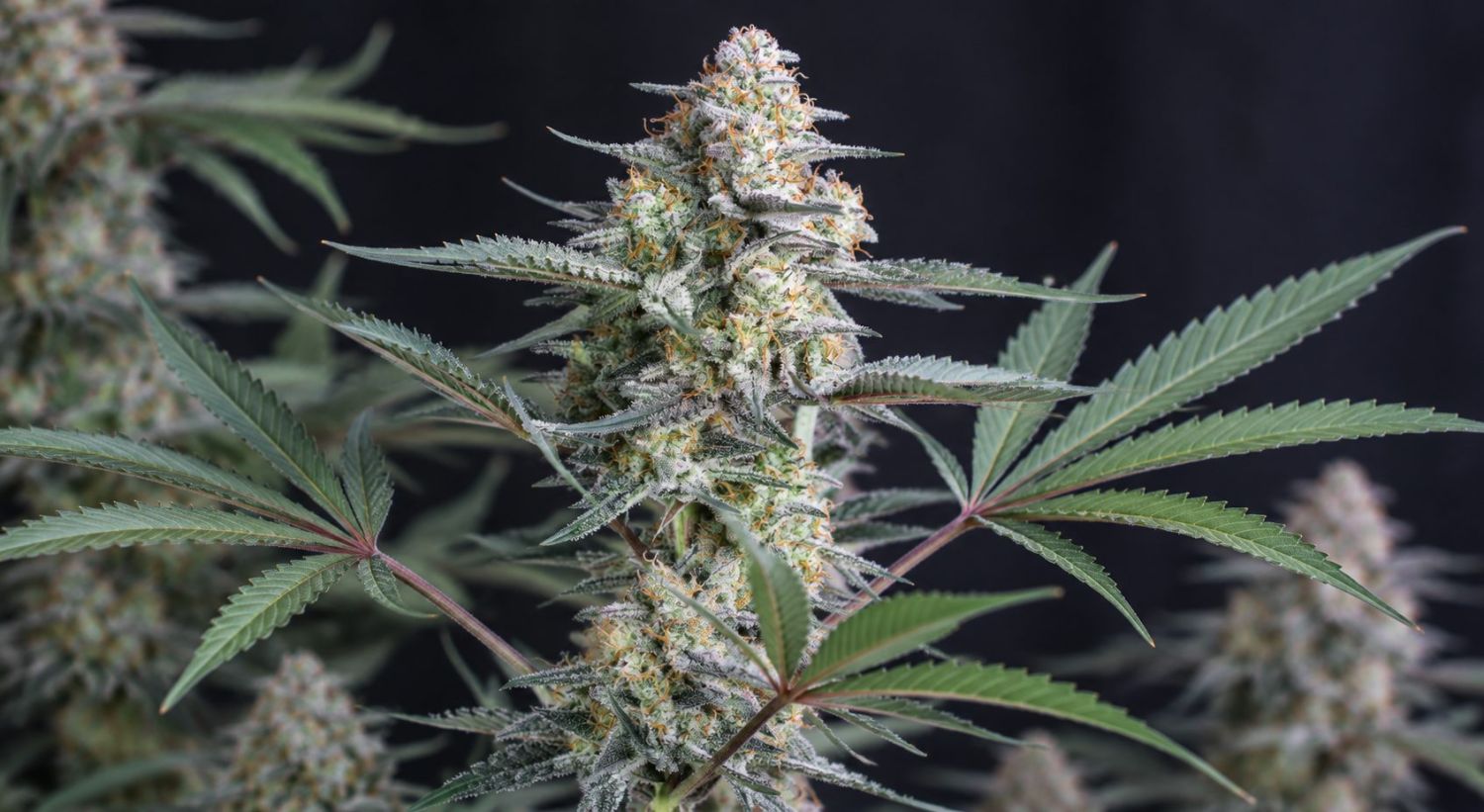
Guerrilla grows are inherently secretive, and as such, you should not be regularly checking your plants. Every time you enter the grow area, you increase the likelihood of someone spotting you, becoming suspicious of why you are accessing the grow area, and going to check what's up. Or worse, calling the cops. So what should you be looking for in terms of genetics? There are a few important factors to consider here:
Plants with short flowering periods
Every day your plants grow is another day for pests, vermin, or disease to take hold and destroy your crop. You can help combat this by finding a grow spot that is surrounded by healthy vegetation, with good access to sunlight, and with relatively low humidity levels. You are not going to be able to check your plants for these issues or apply insecticides and fungicides, so look for plants that have a strong natural immunity. The shorter the flowering period, the less time there is for the crop to be found by unwanted attention. This could make all the difference between you walking away with a bumper crop or in handcuffs.
You can speed the whole process up by starting from healthy female clones (if you can get your hands on them), which will reduce the overall grow time by about 15- 20 days depending on the seed. If starting from seed, it is advised (if possible) to germinate the seeds at home and let the plants grow for the first 2 weeks to give them the best chance of survival. Seedlings are much more susceptible to issues from fungus, insects, predators, and mold - controlling the conditions for their first few weeks can make a huge difference to the final return and quality.
Avoid tall-growing plants
The taller the plant, the higher the chance of them being spotted. Choose a seed that will blend in with the height of the natural surrounding vegetation.
Autos are perfect for guerrilla grows!
With their inbuilt timer that automatically starts the flowering cycle, their short stature, and their quick growth cycle, autos are a great choice for any guerrilla grow. Depending on your local climate, you may even be able to get 2 returns in one season if you go with an auto seed.
4. Advantages
There aren’t a lot of advantages other than the plant being far from your house. This is extremely beneficial to growers who live in a country where plants is illegal because even though you might end up without a return if someone ends up stealing your crop, you won’t get arrested.
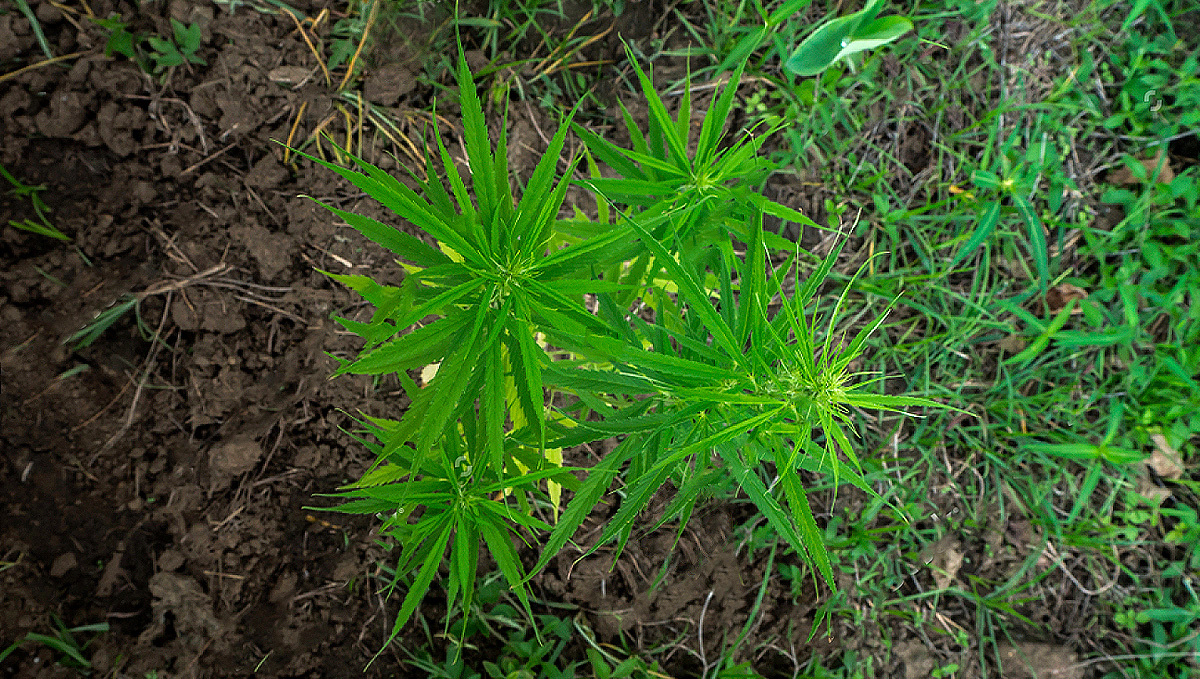
Have in mind that if you get too anxious and go check on your plant regularly, people may see you, recognize you or your car and if anything happens, they may report you to the police so you don’t have to go near the place you’re growing unless it is extremely important.
If possible, only visit your chosen spot in order to plant the seed, when you’re going to return, and a maximum of once a month if needed.
5. Disadvantages
As you may know by now, it’s recommended you don’t check on your plant until you’re nearing return. This is a huge disadvantage because your plant may die and you won’t know it until a couple of months later.
There are a lot of factors that can affect plants in the wild, like animals, storms, other people, and lack of nutrients, among others, so make sure you have the right place before you germinate your seeds.
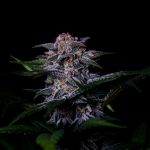
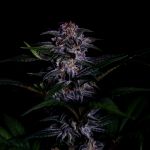
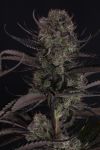
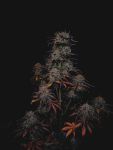
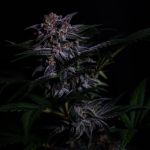
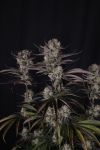
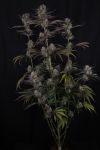
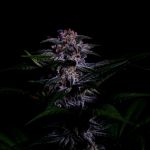
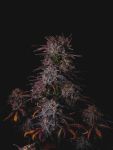
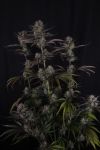
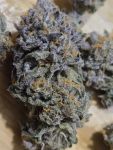
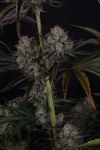
Your perfect spot will be a combination of all the elements specified above. Because of everything mentioned in the article, it’s highly recommended to grow resilient seeds that can not only finish fast, but can withstand mold and other issues, if they arise. Seeds such as the Strawberry Gorilla RF3 Auto is a great choice.
6. In Conclusion
Guerilla growing is not easy. Even though you don’t have to do anything other than germinate the seed, you cannot adjust the environment throughout the plant's life cycle. This makes finding a good spot quite hard.
FAQ
Nope. Today, the genetic smorgasbord available to growers worldwide is pretty breathtaking, so there are plenty of seeds that do great outdoors and without a whole heap of care. But, in general, you should be looking for a plant with tight internodal spacing and a smaller overall growth pattern. This not only makes them harder to spot, but they can also handle the tougher environmental conditions you will likely face. Ind-dominant seeds are the way to go, thanks to their shorter stature and flowering period, but there is nothing wrong with trying a few different seeds and seeing which works best in your environment.
Yes, or at least, they can be! A lot of the safety comes down to being careful and taking some basic steps before you even start planting. For instance, make sure you are familiar with the surrounding area and be certain that there is minimal foot traffic, if any at all. Away from main roads is always best, as is at least a few meters deep into the growth.
In general, you want plants that won't bring a bunch of attention to the area. Stick to boring, green, non-flowery, and non-fruit-bearing options.
Wherever you decide to run your grow, making sure it is secure should be paramount. Obviously, in a legal area this is less of a concern, but with guerrilla-style growing there is always the chance of your stash being discovered and stolen, if not worse, if you are in a non-legal jurisdiction. Vegetation is your best friend here. Planting other plants around your plants grow is a great way to make the area resemble a natural environment, and it will also help mask any odors. You can also use netting or plastic sheeting to make sure that no one can spot it from a distance. A good guerrilla grow area should have almost zero chance of anyone randomly walking through the area.
All the main factors that you would take into consideration with any plants garden. That is - sunlight, nutrients, water, and environmental factors like temperature and humidity. With guerrilla growing, you will have to make sure that your plants are able to survive for a period of time without direct access to all these elements, so it is best to choose a seed that is resilient and can handle harsher conditions. Remember that plants is the type of plant that thrives under as much light as it can get, so if you want a good-sized return, you'd best find a place with a lot of direct sunlight.
You should also consider pest control and taking measures to protect your plants from animals like deer or wild hogs, which can become a problem in certain areas. Spreading some natural deterrents around the edges of the grow area can help keep these pests out, but without proper netting, there's no way to be sure that the plants will be left alone.
Comments