
FF Genetics Are Back: A Breeding Project Revisited

Long before autos became what they are today, every new auto variety started with a photoperiod plant. To introduce the auto trait into a photoperiod line, breeders first cross a photoperiod line with an auto. Through multiple generations of selection, the project eventually moves toward a stable auto line. However, along the way, another type of plant appears, one that often receives less attention despite having some very interesting characteristics.
These plants are commonly known as Fast Flowering, Fast Version, Quick Flowering, or simply Fast Genetics, depending on the breeder and market.
While they remain photoperiod plants, they inherit part of their flowering behavior from their auto ancestry. The result is a seed that retains almost all of the original photoperiod genetics while typically finishing 10 to 15 days faster than the original line.
Several years ago, as part of our auto breeding work, we introduced a small collection of FF seeds. The response was overwhelmingly positive. Growers appreciated the shorter flowering times, earlier outdoor returns, and the ability to finish crops before adverse weather conditions arrived.
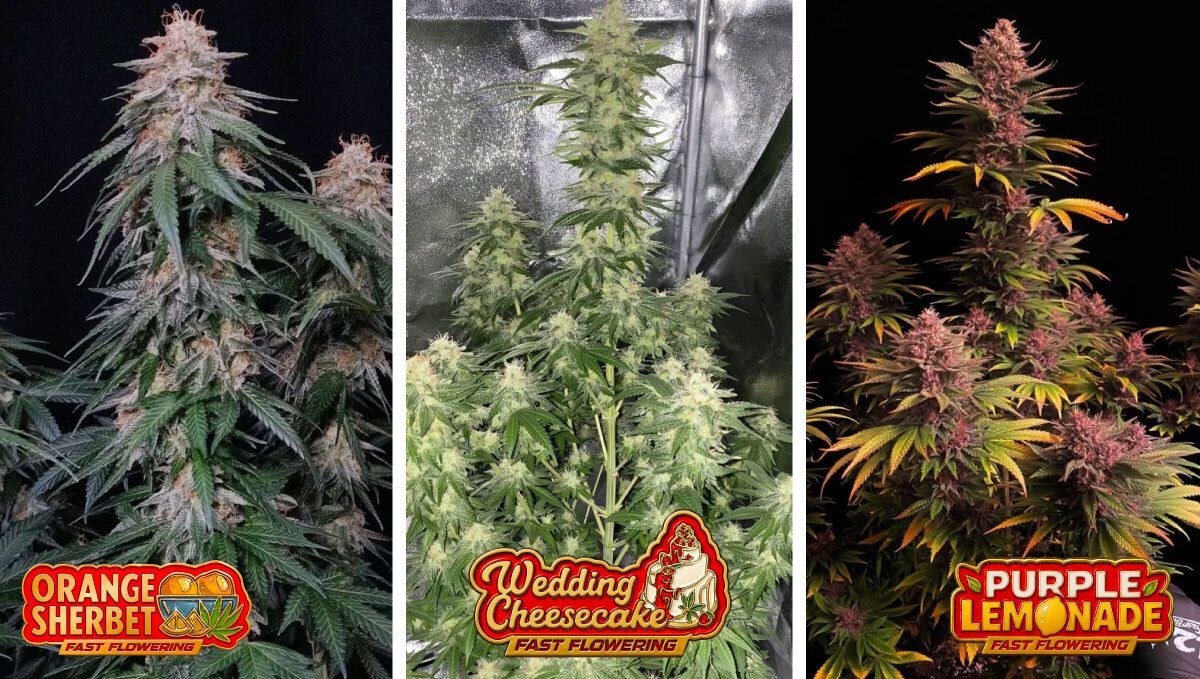
At the time, however, our focus remained firmly on developing the next generation of auto genetics. As breeding projects advanced, the FF lines naturally took a back seat while we continued working toward new auto releases.
The demand never really disappeared.
Over the years, many growers continued asking about those original FF varieties and whether they would ever return.
Today, with a significantly expanded breeding program and a much stronger portfolio of auto genetics than we had when the project first began, we decided to revisit the concept.
Because we maintain the original photoperiod mother plants used in many of these projects, we had the opportunity to recreate the FF line once again. This time, however, the work was carried out using our newer-generation auto genetics as breeding partners, allowing us to build on years of additional selection and development.
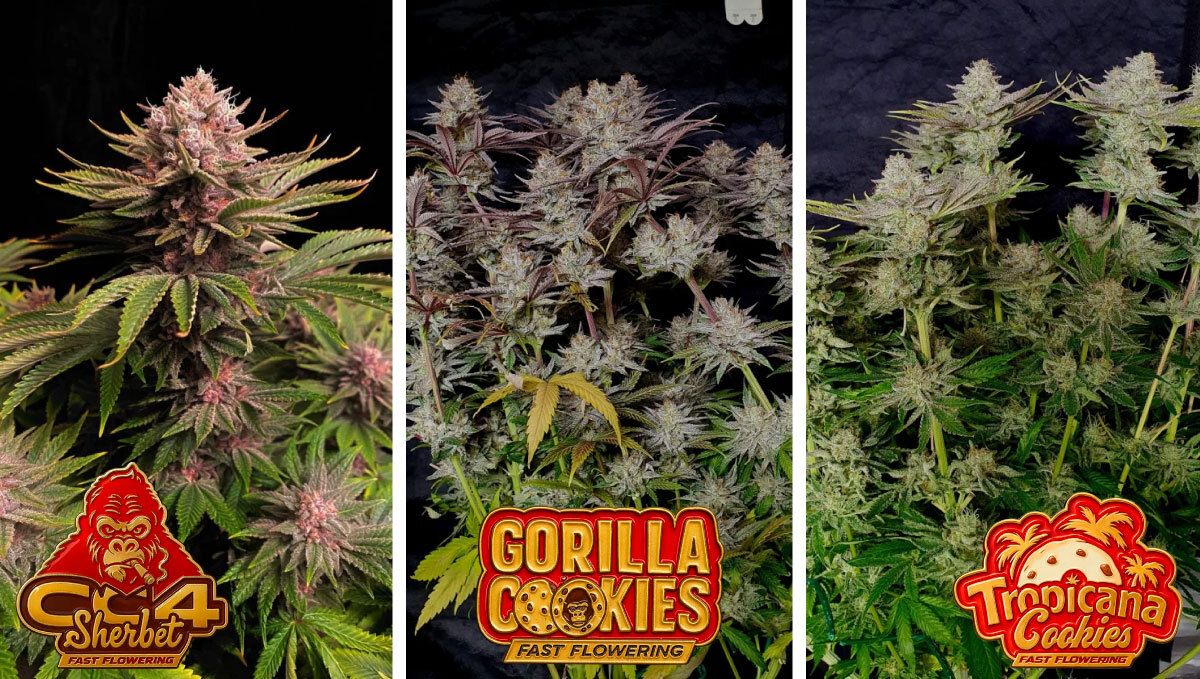
The objective remains exactly the same as before: Preserve the character, structure, flavorene profile, and overall identity of the original photoperiod line while reducing flowering time and improving finishing speed.
For growers who want the full size and flexibility of photoperiod plants, but with a faster finish and earlier return window, FF genetics remain one of the most practical tools available.
Sometimes the most interesting breeding projects aren't the newest ones. Sometimes they're the ones worth revisiting.
The wait is over. Enjoy!
Comments