
Best Ways To Boost Frost Production

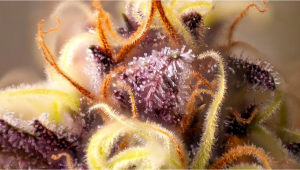
- 1. Frost stages
- 2. Frost functions
- 3. Good lights
- 4. Adjusting the environment for each stage
- 5. Plant training
- 6. Plant supplements
- 7. Genetics
- 8. Complete darkness before return
- 9. Drought stress
- 10. In conclusion
There isn't a magic formula to increase the frost production, to achieve this you need a combination of different elements. Things like genetics, an optimal growing environment, adequate full-spectrum lights, and good quality nutrients at the right time will result in more okous buds. If you want to get more frosts then you should do what you need to end up increasing frost production. Boosting frosts is an improvement that can be made when your growing environment is not optimal. If you’re growing in a good environment, your plants seeds will be able to grow to its maximum, and in this case, it will depend solely on genetics.
1. Frost Stages
It doesn’t matter if you’re having trouble increasing frost production or if your plant is super frosty; All plants frosts go through several plants frost stages, they are:
- Clear:
- Cloudy or Milky and;
- Amber.
Clear Frosts
“Young” frosts are clear because they’re not filled with strength and flavor yet. This means that they have not reached their full potential and the high won’t be as potent if you return at this stage.
Cloudy Frosts
As your plants plant grows, plants plants produce more of the chemical compounds mentioned before, so the frosts start to turn cloudy or milky. When the majority of the frosts are cloudy it’s a sign that they’re completely or almost completely filled with strength and flavor.
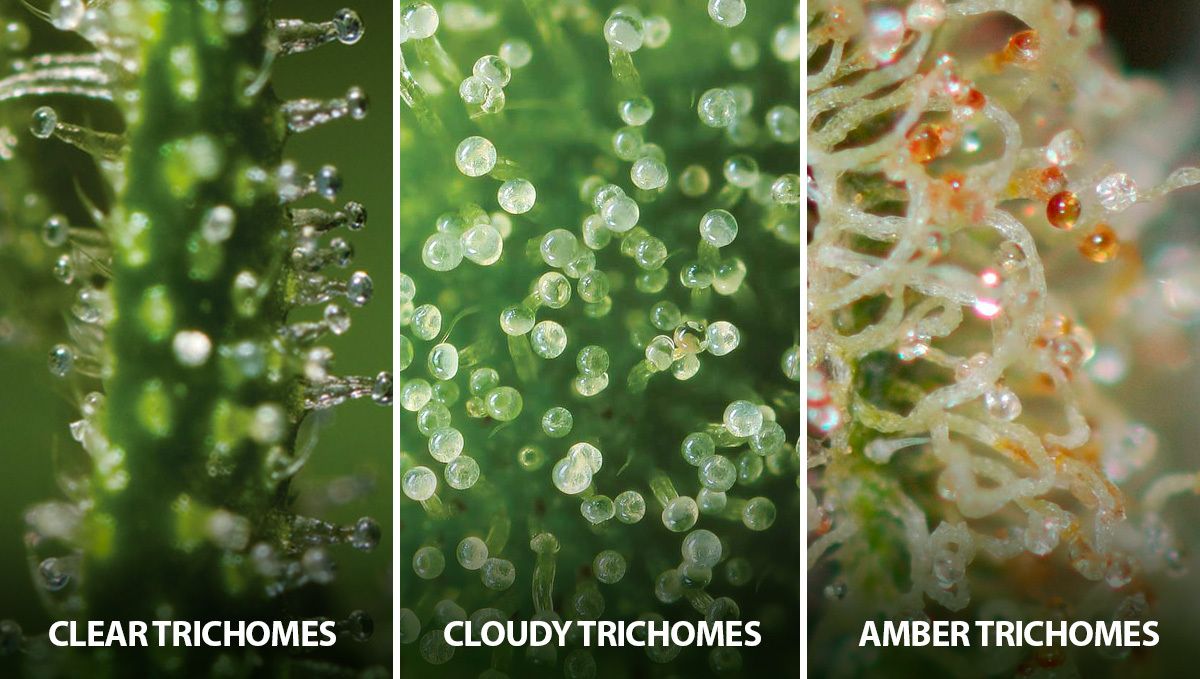
This means they’re at their peak potency and it’s when most growers prefer to return their plants plants due to the strong psychoactive effect.
Amber Frosts
Due to being exposed to oxygen, heat, and light, frosts will oxidize, which causes them to start turning amber. This happens because strength turn into CBN when exposed to the environment. Due to containing more CBN, amber frosts provide a more corporal high so if you’re not looking for this type of effect it’s essential you return when the majority of the frosts are cloudy.
2. Frost Functions
What exactly are plants frosts? The answer to this question determines exactly why plants growers are so interested in boosting their numbers. Many different plant species possess frosts. Some of them use these structures to produce secondary metabolites to assist in plant survival. Others develop as sharp hairs that help to keep predators at bay.
Plants plants produce a variety of glandular frosts. They fall into two categories: Secretory and non-secretory. The former are essentially miniature chemical factories that churn out cannabinoid acids (the precursors to strength such as strength and Extract) and flavor (the aromatic molecules that give each seed its distinctive taste and aroma.
There are three major forms of glandular frosts, these include:
Bulbous frosts
These tiny blob-shaped structures are the smallest of the ok-producing frosts found on plants leaves and flowers. They feature a small stalk with a head on top.
Capitate-sessile frosts
Although larger than bulbous frosts, capitate-sessile frosts are still invisible to the human eye (without a microscope). They produce a lesser quantity of cannabinoid acids and certain flavor than their larger counflavorarts. They possess a short stalk with a large spherical head on top.
Capitate-stalked frosts
These are the largest form of plants frosts and they produce the most strength and flavor, particularly monoflavor such as limonene and pinene. They feature a long stalk with a large bulbous head on top. Researchers believe that they are a more developed form of capitate-sessile frosts.

So, how exactly do capitate-stalked frosts produce their valuable secondary metabolites? Well, they manufacture them in 12–16 secretory discs found in the frost head. From here, they store them in clear subcuticular cavities just above the disc cells. Of course, frosts don’t produce strength and flavor for the enjoyment of humans. Rather, they create them to defend themselves from predators and UV rays.
Recent research has also revealed that frosts “farm” bacteria. These microbes exist within frosts where they fix nitrogen from the atmosphere that is then used by plants plants. In return, frost cells keep the bacteria alive by giving them sugars. They also use flavor and strength as antioxidants to scavenge free radicals that protect the beneficial bacteria. There you have it. Plants growers want to increase the frost count of their plants so that they produce more cannabinoid acids and flavor. Plus, frosts house bacteria that give plants nitrogen—a vital nutrient involved in protein synthesis.
3. Good Lights
Proper lighting is the most effective way to increase frost production. As you may know, plants produces frosts to protect the plant from UV rays, this means the more light and more spectrums you provide your plant, the more ok it will produce.

This is not really a tip but more of an advice: providing good lighting will allow your plant to develop to its maximum (the increased frost production is a consequence). If you cheap out on the light, it will reflect on the quality of the buds and can result in less potent flowers. Not everyone can provide the best lights available but be sure to provide them with the best quality lights you can.

4. Adjusting The Environment For Each Stage
As your plant grows, it will start producing more and more frosts, these tiny glands are extremely fragile and volatile. Because of this, we have to ensure our plants are growing in the proper environment (especially) in the flowering stage, where there's a higher production of frosts.
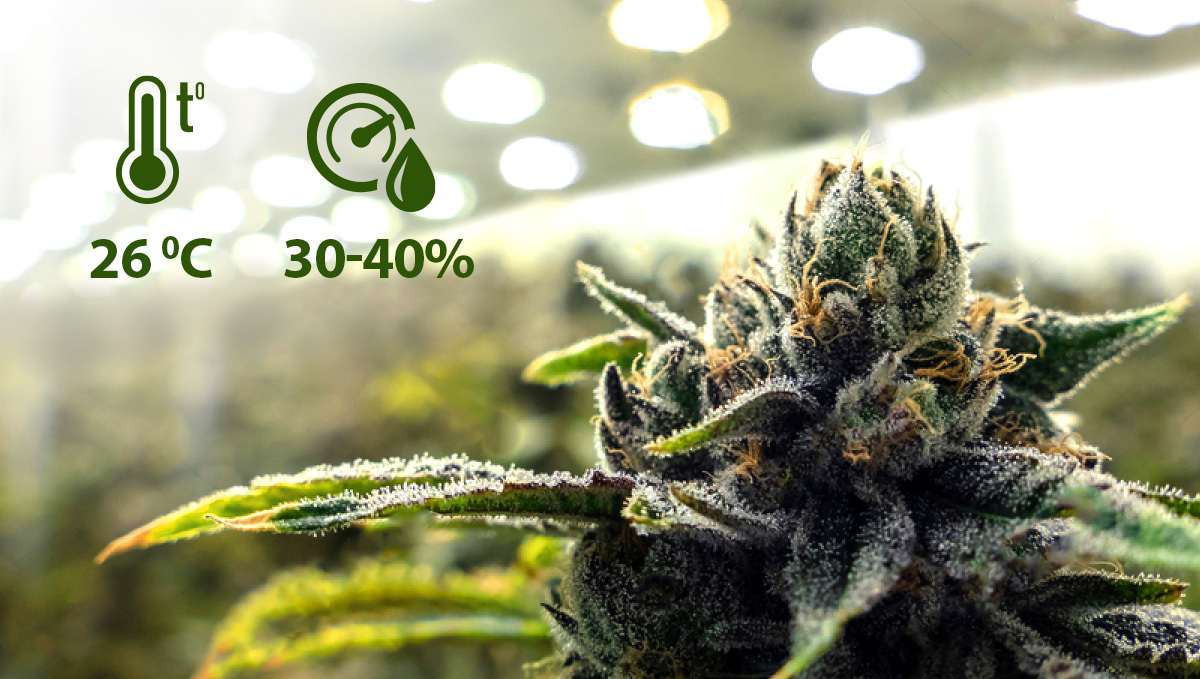
It is good to adjust our growing space to around 30-40% humidity and a temperature of around 26 celsius in the last 2-3 weeks before return. This will avoid the frosts and flavor from getting damaged or vaporized by heat and will result in an overall more potent effect and better-tasting flower.
Temperatures That Can Affect Frosts
| Chemical Compound | Temperature | Effect |
|---|---|---|
| Flavorenoids | 39°C (102°F) | Less volatile flavorenoids start to evaporate. |
| strengthA | 50°C (122°F) | strengthA starts turning into strength due to decarboxylation. |
| Extract | 66°C (150°F) | Extract melts and starts to evaporate. |
Remember to flush your plants for up to 2 weeks before returning to really make the flavor stand out.

5. Plant Training
There are two types of plant training, low-stress training (LST) and high-stress training (HST). Both of them are effective methods to increase frost production and the overall quality of our flowers. They consist of training our plants by applying force, either by tying down the branches or by cutting or mutilating the plant in very specific places to achieve a desired size or structure to allow a better air flow and the light to reach deeper. This helps us to better use our grow space, especially the lights and fans, and avoid the waste of electricity. Have in mind that plant training will not actually make the plant produce more frosts but will allow her to reach its maximum production, the amount of ok will really depend on genetics.

6. Plant Supplements
There are a number of supplements intended for increasing frost and flavorene production, although they don’t do miracles, they will provide more of the nutrients your plant needs in the last weeks of the flowering stage. Some plants need more nutrients than others and sometimes what nutrient brands provide is not enough. Supplements can provide a more specific mix of macro and micronutrients for the final weeks of the flowering stage when the plant is producing more frosts.
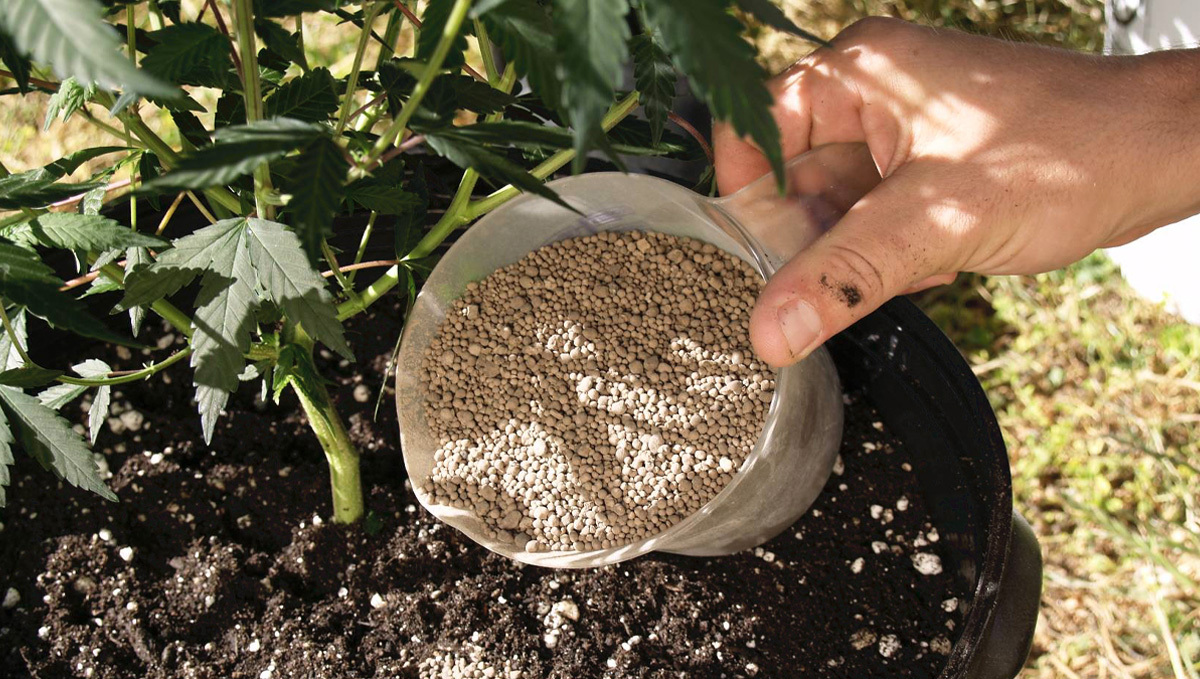
In this stage, our plant needs more potassium to develop buds properly. So most supplements will provide your plant with the exact amount it needs and some micronutrients will stimulate flavorene and cannabinoid production. Now, remember you don’t need supplements to achieve this, you can simply provide the nutrients yourself by observing and providing what your plant needs.
7. Genetics
Choosing good genetics is the way to go if you want more okous buds. By carefully choosing which genetics to grow and maybe spending a little bit more for seeds from a reputable vendor, you ensure you will grow something up to your expectations and won’t get disappointed after having wasted money, time, and growing pace.
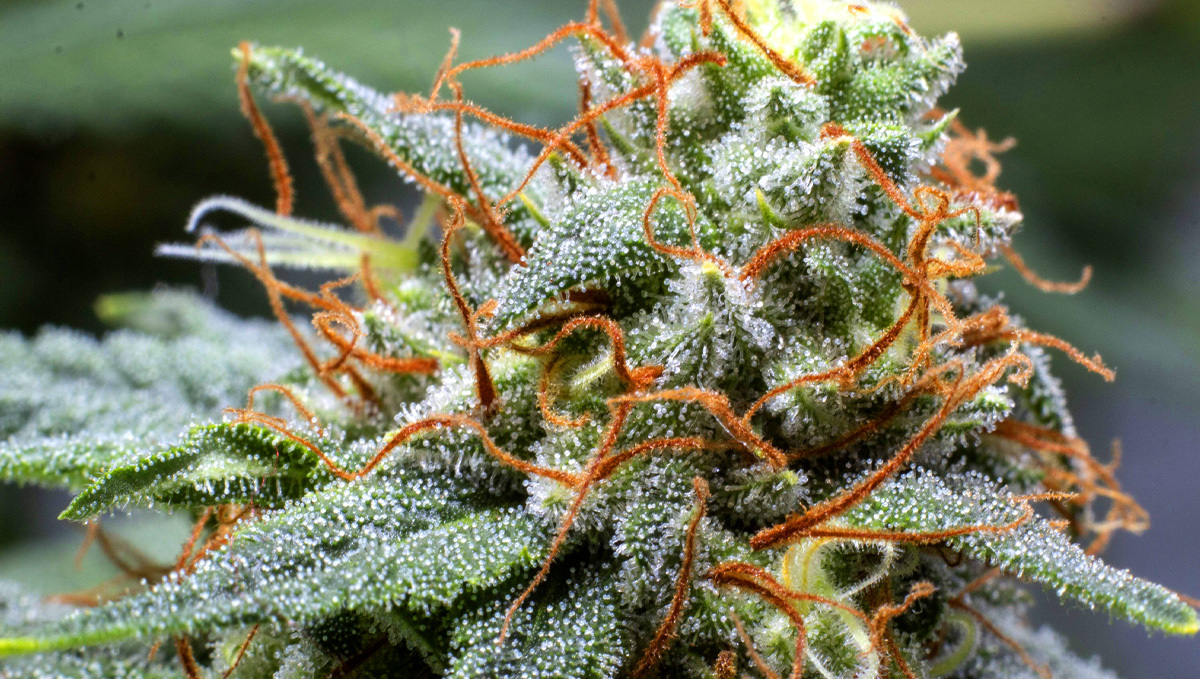
Always remember that even if you’re growing good quality genetics, you will need to provide it a good environment for it to develop properly. If you fail to do that, every plant you grow will not be up to your expectations.
8. Complete Darkness before return
Apart from everything mentioned before, there are other methods that can be used to boost frost production such as leaving the plants in 1 or 2 days of complete darkness before return. It’s said that this method does not only increase frost production but also improves flavor but there’s no scientific research on this so it’s a matter of trying and experimenting to see if it’s worth the effort. The only problem with this method is that the lack of light could increase the risk of mold, which is something you definitely do not want at the end of flowering. So make sure you have your exhaust fan ON and keep the growing conditions on point to avoid mold!

9. Drought Stress
Another unusual method used by some growers is to induce drought stress as it’s said that this can increase strength and flavor production in plants flowers. Although you should be very careful as some seeds can be more sensitive than others and could turn hermaphrodite or develop a couple of bananas if the drought stress is not controlled. Just like the other method, there isn’t much scientific research to back it up and it depends a lot on the specific plants seed and its ability to resist drought. In a study conducted a couple of years ago, plants plants that suffered from controlled drought stress showed a 50% increase in strength. But remember, it’s extremely important you first experiment before applying this method as it could have the opposite effect and cause your plants to turn hermie.
10. In Conclusion
When talking about increasing frost production, there’s only much you can do. If you’re growing in an improvised growing space, these tips will be really helpful. But if you’re growing in a fairly good growing space and cannot get your plants to produce more ok, we recommend starting to look for better quality genetics.
Good genetics are those that will deliver what the vendor offers without too much hassle. If you’re tired of growing bad seeds, we recommend our new Gorilla Cookies Auto. This cultivar will not only be up to your expectations but will leave you amazed by its extremely okous buds.
Comments