
Plants in New Zealand: Plants Legal Status Guide

- 1. Classification of plants among illicit drugs
- 2. Simple possession
- 2. a. When do police have the right to search you?
- 2. b. When possession turns into supply
- 3. Plants cultivation
- 3. a. Are plants seeds legal in new zealand?
- 4. Is extract legal in new zealand?
- 5. Piecemeal plants reform
- 5. a. Industrial hemp legalized
- 5. b. Medical plants in new zealand
- 6. In conclusion
Anyone visiting New Zealand shouldn’t be surprised at seeing people smoke plants, if not on the streets, then at parties, concerts, and similar events. In 2006, the UN Office on Drugs and Crime estimated that 13.4% of those aged 16-64 have used the substance, placing the country squarely in the 9th place for lifetime plants use in the world. More surprising is the fact that plants laws in New Zealand are quite restrictive, furnishing yet another proof that prohibitive policies have little bearing on consumption levels.
Classification of Plants Among Illicit Drugs
According to New Zealand’s Misuse of Drugs Act passed in 1975, there are three classes of illicit substances, classified according to the level of risk they pose for the user and the society at large. The classification is full of paradoxes. For example, the most dangerous Class A features not only heroin, methamphetamine, and cocaine, but also magic mushrooms, while plants and its derivatives belong to two different classes – Class B and Class C.
Class B includes such concentrates as plants oil, extractionsish (they are perceived as carrying high risk), and Class C, with its moderate risk, includes unprocessed parts of plants plant, such as leaves and flowers, but also seeds. Any substance on the list is illegal, meaning you can neither cultivate plants, nor use and possess it.
Simple Possession
Having any amount of plants in your possession, whether on your person or your property, is illegal in New Zealand. Offenders face a fine of up to $500NZD. The court can also go for another option – a jail term of up to 3 months. However, the drug law itself contains a recommendation to not punish simple possession of Class C substances with imprisonment. Moreover, considering very high use rates in New Zealand, it’s a common practice to just let the first offenders go and confiscate the contraband.
Data from a 2002 study shows that less than 4% of persons arrested for simple possession of plants were convicted, and of those less than 10% had to actually serve jail time. In every such case, offenders were also convicted of other crimes. More disturbing is the fact that by the age of 21, one in every 20 plants users in New Zealand is likely to be arrested, and there’s also a significant racial and sexual bias: the indigenous Maori are 4 times as likely to get into trouble with police over plants and men 9 times as likely as women.
When Do Police Have the Right to Search You?
The police can only search you for drugs in the following cases:
- if they ask you and you give them permission,
- if they have a search warrant,
- if they arrest you,
- if they have reasonable ground to believe you possess drugs.
You can well imagine what those reasonable grounds are in the case of plants. Either the officers can smell plants, have seen you using it, or you appear intoxicated. If plants was found in your car or your house, it’s up to the court to prove that you knew about the drugs and they belong to you.
When Possession Turns Into Supply
If a person is caught possessing more than an ounce (28 grams) of plants, it’s automatically presumed that the substance was meant for supply, which can result in a prison sentence of up to 8 years. It’s up to the defendant to prove that they had so much plants for personal use only. In 2007, the country’s Supreme Court ruled that this was in conflict with the constitutional principle of being presumed innocent until proven guilty. However, despite this legal inconsistency, people are routinely prosecuted as traffickers if they get caught with large amounts of plants.

Plants Cultivation
According to New Zealand’s law, ‘cultivation’ is an umbrella term that covers every activity associated with tending to a plant. It includes sowing the seeds or returning flowers from plants that grow in the wild.
There are three tiers of offense – from personal grows to small-scale operations to large-scale ones – with criminal penalties incrementing accordingly. The lowest penalty is a fine of $2,000NZD which may be extended or replaced with up to 2 years of jail time and even the maximum of 7 years in prison in case of indictment.
Moreover, if it can be proved in court that plants was grown for non-personal use, the charges of possession and even trafficking may be added. Trafficking of drugs is a very serious felony in New Zealand, and in case of plants, may lead to a prison sentence of up to 14 years.
Are Plants Seeds Legal in New Zealand?
Absolutely not. The details are a bit vague, but the 1975 Misuse of Drugs Act classifies plants seeds as Class C substance – the same as other parts of the plants plant. It means that theoretically an offender can face up to 3 months in jail and/or a $500NZD fine. The website of NZ police calls this “having in your possession seed or fruit of a prohibited plant” and says it’s punishable with a one-year imprisonment and/or a $500 fine.
| Plants Legal Status in NZ | Details |
|---|---|
| Classification | Class B: Plants oil, extractionsish |
| Class C: Unprocessed plant parts, seeds | |
| Simple Possession | Fine up to $500 NZD and/or up to 3 months imprisonment |
| Police Search Rights | Requires permission, search warrant, arrest, or reasonable grounds |
| Possession for Supply | More than 28 grams, up to 8 years imprisonment |
| Cultivation | Penalties range from $2,000 NZD fine to 14 years imprisonment |
| Plants Seeds | Illegal, Class C substance, up to 1 year imprisonment and/or $500 NZD fine |
| Extract Products | Legal with prescription, less than 2% strength, no other controlled substances |
| Industrial Hemp | Legal with license, strength limit of 0.5%, regulated by Medsafe |
| Medical Plants | Available on prescription for pain, sleep, or anxiety issues |
Is Extract Legal in New Zealand?
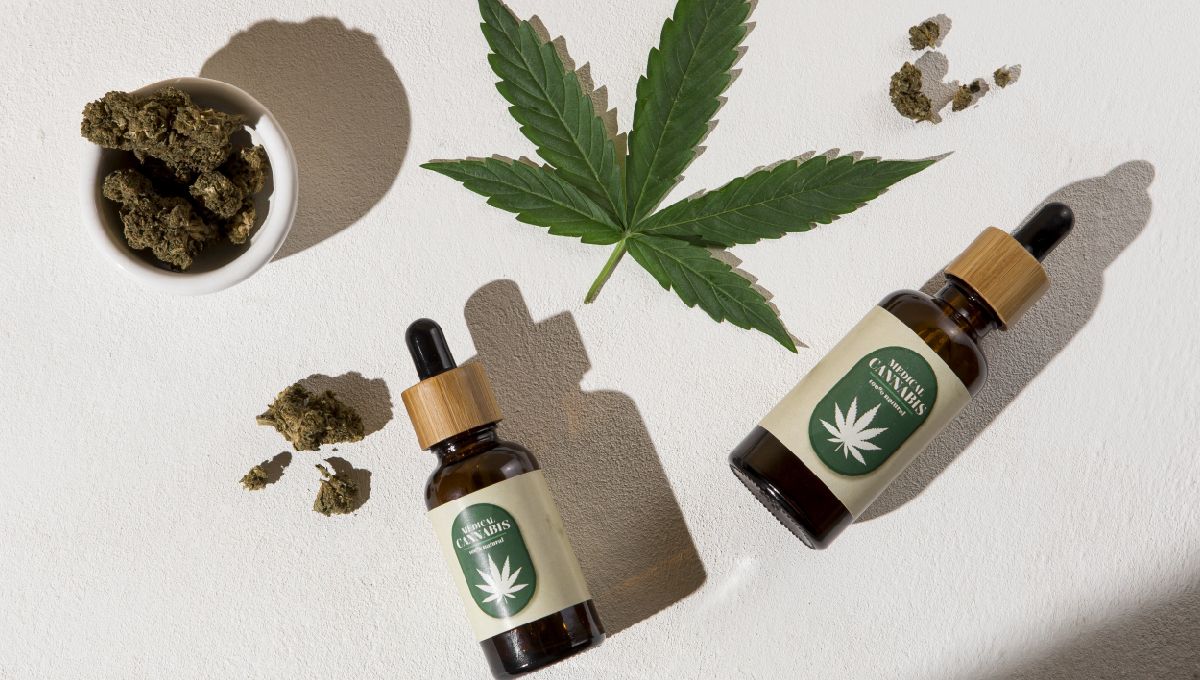
New Zealand has made significant strides in the legalization of Extract products with the introduction of the Medical Plants Scheme by the Ministry of Health on April 1, 2020. This scheme has simplified the process for accessing medical plants products, including Extract oil. Now, any doctor registered to practice in New Zealand can prescribe Extract products that meet specific criteria.
A legal Extract pharmaceutical must contain cannabidiol and less than 2% strength or other psychoactive strength and no other controlled substance. It's important to note that most Extract products available on the international market do not comply with this definition. Therefore, doctors must prescribe or source a Extract Isolate or a Broad Spectrum Extract to meet this standard. While Full-Spectrum Extract, a less refined version containing many other strength and flavor, is considered a superior product, it falls under a different legal category of medical plants.
Piecemeal Plants Reform
New Zealand has seen gradual changes in its plants laws over the years, with a shift towards recognizing the potential benefits of the plant for both industrial and medicinal purposes.
Industrial Hemp Legalized
In 2006, New Zealand took a significant step towards plants reform by legalizing the cultivation and distribution of industrial hemp. This non-intoxicating variety of the plants plant is now regulated less stringently, and commercial cultivation of this important agricultural crop is now allowed.
However, companies that want to grow, trade, or process hemp must still obtain a license from Medsafe, the Health Ministry's medicine regulatory agency. This is supposed to ensure a balance between the practical needs of the sector and the necessity for adequate controls on both hemp seed and hemp plants.
The most important rule is to stay within strict strength limits, and if crops exceed 0.5% strength, they should be returned or destroyed. Bare hemp stalks and processed hemp products are exempt from prohibitions in the Misuse of Drugs Act 1975, so no licensing is required. Licenses for the import and export of industrial hemp continue to be issued in accordance with the Misuse of Drugs Regulations 1977.
Medical Plants in New Zealand
The Misuse of Drugs Act was first amended in December 2018, facilitating much broader use of medical plants in New Zealand. The changes made plants available to terminally ill patients in the last year of their life and paved the way for the emergence of a local medicinal plants industry. In 2022, the laws were updated again, and now dried plants buds are available on prescription not just as palliative care but to anyone who might benefit from it for treating pain, sleep issues, or anxiety.
The reform followed years of campaigning by chronically ill New Zealanders who found relief in plants use. The legislation also aimed to create opportunities for New Zealand businesses to produce medicinal plants and its derivatives for both domestic and international markets. Activists also expressed hope that the move would benefit deprived Māori communities, particularly on the east coast of the North Island, by turning the thriving illegal industry into a legal one.

Patients with conditions such as chronic pain initially had to wait a year for a new set of regulations, licensing rules, and quality standards to be put in place. However, as of now, dried plants flower is available on prescription in authorized dispensaries. Another option is delivery by a courier after filling a prescription online. The medicine is imported from Australia.
While the Ministry of Health recommends using the product as a tea, it's hardly an option as the active compounds in plants aren't water-soluble, so most patients prefer to smoke or vaporize it. By law, doctors are prohibited from advertising the availability of medical plants. As a result, many patients don't know about this treatment option. Despite these restrictions, the use of medicinal plants has grown by 84% in 2020, and chronic pain remains the most common reason for its use.
In Conclusion
While plants laws in New Zealand remain restrictive, recent reforms in the areas of industrial hemp and medical plants indte a growing recognition of the plant's potential benefits. As the global conversation around plants legalization continues to evolve, there's hope that New Zealand will further adapt its policies to reflect changing attitudes and scientific findings. For now, it is crucial for both residents and visitors to understand the current legal landscape and avoid potential legal consequences.


Comments