
Plants in Virginia: Plants Legal Status Guide

- 1. Prohibition and decriminalization
- 2. Adult-use legalization of plants in virginia
- 2. a. So, are there recreational dispensaries in virginia?
- 2. b. What about delta-8 products? are they legal?
- 2. c. What are the options of getting legally high in virginia?
- 3. Virginia’s medical marjuana program
- 3. a. Who can get a medical plants card in virginia?
- 3. b. What conditions qualify for medical plants in virginia?
- 3. c. How much plants can a patient buy at a dispensary in virginia?
- 3. d. Can you buy edibles in virginia?
- 4. Things that remain illegal
- 5. Final thoughts
Virginia is the first state in the US south to legalize both medical and recreational plants, but the medical dispensaries remain quite expensive and the recreational ones have yet to open their doors to the customers. As of 2024, recreational smokers in Virginia still rely on black market, home cultivation, and out-of-state businesses for the supply of their plants. Read on to find out more.
Prohibition and Decriminalization
Although Virginia participated in the federal prohibition of plants just like the rest of the states, its laws have never been especially draconian. The commonwealth adopted a clause that would allow plants use for glaucoma and cancer as early as 1979. The first-time possession offense was treated as only a misdemeanor that could also be dismissed in certain cases, and the cultivation for personal use was punished the same way as simple possession.
A more serious consequence was the loss of driving privileges (according to the “smoke a joint, lose the license” law that was imposed on the states by the federal government). In 2017, this rule became optional for adults but remained mandatory for juveniles.
A 2015 bill to decriminalize plants in Virginia failed, but in 2020, when the Democrats began to control both the House of Representatives and the Senate, similar bills were passed by both chambers, and plants became decriminalized in the state in July 2020. In practical terms, this meant that any adult caught with 28 grams of dry flowers or less was only facing paying a token fine of $25.
Adult-Use Legalization of Plants in Virginia
In 2020, the same year the lawmakers decriminalized possession of recreational plants, the Governor's office commissioned a report from a group of legislators whose task was to run a cost-benefit estimate of plants legalization in Virginia.
The group found out that even in the short term, the proceeds from licensing would cover the costs of legalization, including such things as equity programs and youth-protection programs, and based on their report, the Governor said he was willing to proceed with the legalization plan.
In 2021, both chambers voted to legalize recreational use of plants. The plan was to establish a working system of adult-use dispensaries by 2024 and remove all possession penalties by the same date. However, this raised a concern that in the meantime, the civil rights of plants smokers would continue to be violated.
What the then Governor ended up signing into law in 2021 was a revised version that would immediately allow possession of up to 28 grams and personal cultivation of up to 4 plants per household but would postpone the question of legal sales if the legislators decided to re-enact the relevant clause. However, as of 2024, both legislative bodies of Virginia are controlled by the Republicans who are unwilling to proceed with this policy. The Republican Governor Glenn Youngkin is likewise opposed to plants reform.
So, Are There Recreational Dispensaries in Virginia?
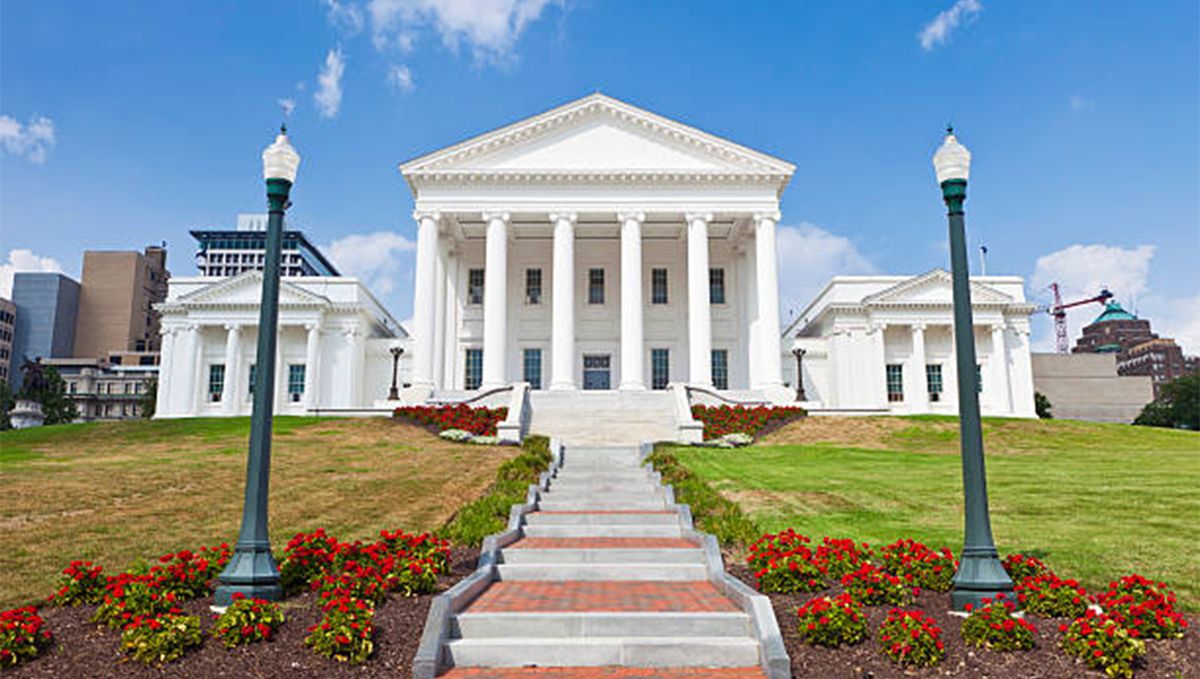
Not yet. A recent bill proposed by the Democrats was vetoed by the governor, who also said he would never sign such a proposal as long as he remains in office, so the start of plants sales in recreational dispensaries in the nearest future is unlikely.
A 2023 report estimated that the plants market in Virginia is worth $2.4 billion annually, but only 1% is sold through legal channels. Nevertheless, the decision makers don’t seem to be interested in taking this money from the black market and allowing legal businesses to take over.
What About Delta-8 Products? Are They Legal?
For some time, hemp stores selling intoxicating high-strength plants were a common sight in Virginia. They were taking advantage of a loophole that allowed producers to make concentrated products from low-strength hemp. However, this loophole was later closed, and now, hemp-based products cannot have more than 0.3% strength and the Extract:strength ratio in them must be at least 25:1.
What Are the Options of Getting Legally High in Virginia?
Despite a lack of a legal recreational market, there still are some legal channels for getting plants in Virginia. One is to grow your own at home, as the current law allows you to have up to four plants per household. The other is to ask someone to give you up to an ounce of plants. It’s legal if no money changes hands and if the whole affair happens in private.
Virginia’s Medical Marjuana Program
As we mentioned before, some very limited use of medical plants was permitted in Virginia as far back as 1979. In theory, patients could get plants to treat the symptoms of glaucoma or alleviate the side effects of chemotherapy, although the program hardly actually worked as the plant and its products were still illegal under federal laws. In 2015, after the use of high-Extract plants for seizures was popularized by mainstream media, Virginia’s Senate legalized Extract oil for epilepsy.
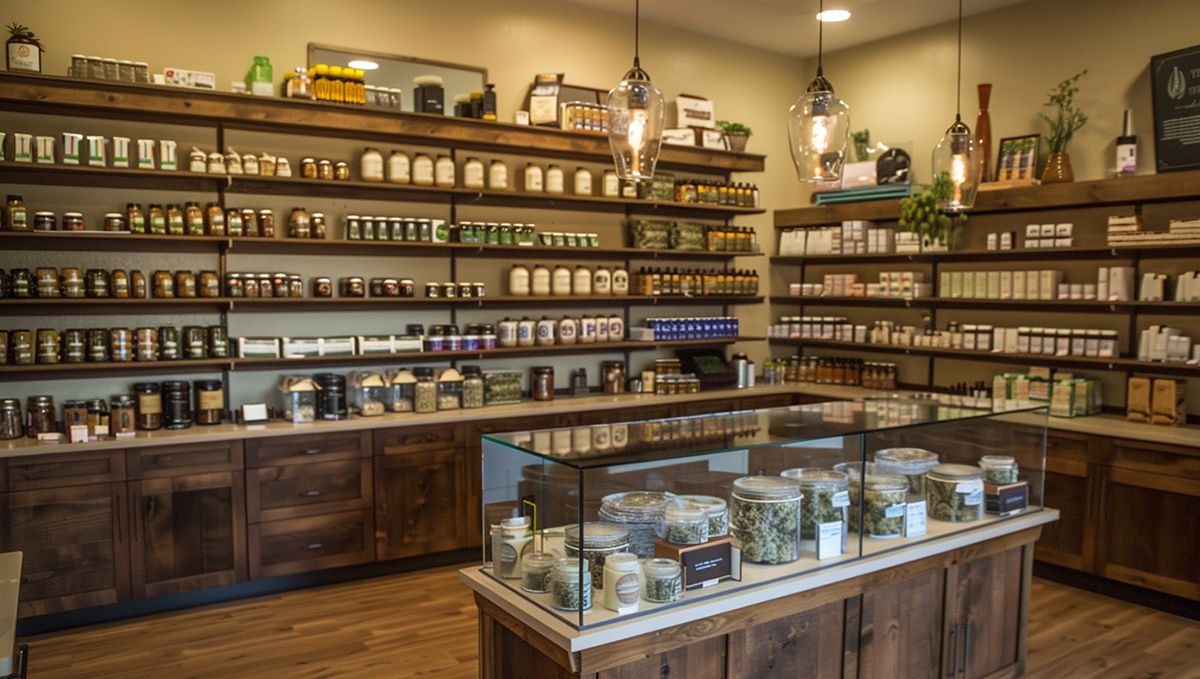
Three years later, the first dispensary licenses were issued by the state, and as of now, at least 21 dispensaries operate in Virginia, catering to about 50,000 registered patients. The law allows the sale, purchase, possession, and use of botanical plants (buds) and plants-derived products with up to 10 mg of strength per dosage.
Formerly, both patients and medical practitioners had to register with Plants Control Authority (CCA) to be a part of the state’s medical plants program, but that’s no longer required. Now, the following categories of medical professionals can recommend plants to their patients:
- a medical practitioner,
- an osteopath,
- a physician assistant licensed by the Board of Medicine,
- an advanced practice registered nurse jointly licensed by the Board of Medicine and the Board of Nursing.
Who Can Get a Medical Plants Card in Virginia?
It’s no longer required to have a medical plants card. A properly registered certification issued by a medical practitioner is enough. Patients that are 18 years or older can ask their doctor for a certification themselves. As for minors, the request must be made (or a consent given) by their parent or legal guardian. The same goes for vulnerable adults.
Besides, the patient (or their legal representative) must have a valid ID and be a resident of Virginia, providing proof of that, such as a utility bill, rental contract, etc. It’s not even necessary to be physically present for the doctor’s appointment – telemedicine is allowed too.
The certification for medical plants is valid for one year unless the doctor has specifically said that it should expire sooner. The certification is registered online, from where the patient can print it out or download it on their phone. This is enough proof to buy medical plants at a dispensary.
What Conditions Qualify for Medical Plants in Virginia?
Besides glaucoma and the alleviation of the side effects of chemotherapy, the list of eligible conditions includes epilepsy, chronic pain, multiple sclerosis, HIV/AIDS, PTSD, ALS, Parkinson’s disease, and Crohn’s disease*. However, this list is by no means exhaustive, as doctors can recommend medical plants for any condition if they think it will be beneficial.
| *Please note that this is by no means medical advice to self-administer plants. However, if you're a resident of Virginia and have one of these conditions, you may speak with your doctor about trying plants as a form of treatment. It's up to the medical professional to decide if the use of medical plants in your case is warranted. |
|---|
How Much Plants Can a Patient Buy at a Dispensary in Virginia?
A patient can buy a 30-day supply of medicine, which is set at 4 ounces of dry flowers. As for plants-derived products, a patient can buy a 90-day supply of them, and they may contain up to 10 mg strength per single dose.
Can You Buy Edibles in Virginia?
There are no recreational dispensaries operating in the state just yet, but if you’re a medical patient, you can buy edibles at a medical dispensary, as the medical plants law allows the sale of any form of plants, including inhalants, extracts, topicals, and edibles.
Things That Remain Illegal
The current plants laws in Virginia are liberal enough to accommodate most users, even heavy habitual smokers. They allow one to legally have up to an ounce of buds in public and an unlimited amount at home. Public use is still prohibited, however, and landlords may impose restrictions on plants use on their property. Employers are also within their rights when they prohibit plants use during work hours.
Home cultivation of up to 4 plants per household is legal, but the plants must be properly tagged, hidden from the public view, and inaccessible to those under 21. The following table summarizes some low-level offenses and penalties that one may face when going beyond the established legal limits for possession and cultivation.
| Offense | Jail Time | Fine |
|---|---|---|
| Possession in Public | ||
| 1 oz - 4 oz | None | $ 25 |
| 4 oz - 1 lb (first offense) | None | $ 500 |
| Cultivation for Personal Use | ||
| Plants Visible to the Public | None | $ 25 |
| 5 - 10 plants (first offense) | None | $ 250 |
| 11 - 49 plants | 1 year | $ 2,500 |
Driving under the influence of plants in Virginia remains illegal. The regulations don’t specify any threshold levels, but if the road police think you’re intoxicated enough to be impaired, they will arrest you and charge you with DUI.
Final Thoughts
The Commonwealth of Virginia chose to ignore the fact that it keeps losing dozens of millions of dollars or revenue by failing to create a working system of licensed recreational dispensaries. This also spells trouble for those smokers who don’t want to grow plants plants themselves as they still have to rely on illegal channels to obtain their buds. However, the days when plants enthusiasts were facing dire consequences for low-level plants offenses are finally over, and they can now enjoy their favorite method of relaxation without fearing the police.

Comments