
Plants in Nevada: Plants Legal Status Guide

- 1. Is plants legal in nevada?
- 1. a. Possession
- 1. b. Sale
- 1. c. Growing
- 2. Is extract legal in nevada?
- 3. Is it legal to send plants seeds to nevada?
- 4. Medicinal plants in nevada
- 5. Industrial hemp in nevada
- 6. History and politics
- 7. Good to know
Home to the Entertainment Capital of the World, Las Vegas, and one of the world’s most popular tourist destinations, the state of Nevada hosts millions of tourists every year. Famed for its reputation for bright lights and an anything-goes culture, the desert state was once known for its harsh plants penalties. However, much has changed in recent years. While once highly illegal in the state of Nevada, plants law has altered dramatically over the past twenty years. So, with that being said, let’s start with the basics for plants in Nevada...
1. Is Plants Legal in Nevada?
Nevada became the latest state to legalize the use of recreational plants in 2017, having first legalized its medical use all the way back in 2000. The recently adopted law allows anyone 21 years old or older to buy, possess and consume plants in Nevada for recreational use.
Possession
Prior to the legalization of recreational plants in 2017, anyone found to be in possession of up to one ounce of plants would be subject to a fine, although no criminal record would be attached to the offense unless for multiple offenders. However, the state was once particularly intolerant of plants usage prior to 2001, with anyone found to be in possession of the plant within the state liable to be charged with a felony crime. Thankfully, those days are now behind us, with Nevada State law now permitting the possession of up to one ounce of plants for persons aged 21 or over.
However, public consumption remains illegal, and any plants purchased from a local dispensary must be consumed in a private residence. If living in rented accommodation, permission from the owner must be first obtained before consuming plants on the property. Those falling foul of the law can expect a fairly substantial fine of up to $600.
Sale
Following the legalization of recreational plants in Nevada in 2017, the sale of plants began later that summer. Nevada plants retailers may sell plants or plants-infused products but only if they have been awarded a state-issued license.
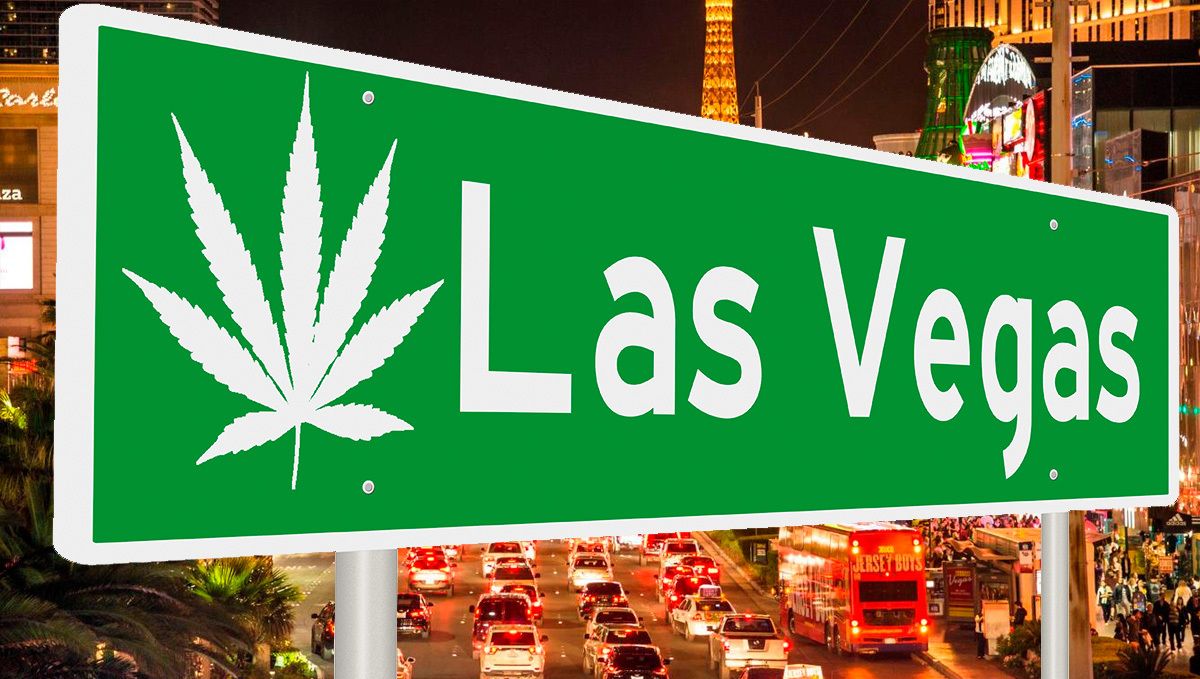
Since recreational legalization was enacted five years ago, the state has posted some impressive returns on plants sales. Indeed, in the first six months alone, sixty-one licensed dispensaries reported close to $425 million in recreational plants sales. This period generated over $70 million in state taxes. Despite controversy over the award of the licenses to sell recreational plants, the state continues to return significant yearly profits, and as of 2021, Nevada is now home to 86 licensed plants dispensaries.
Growing
As part of the recreational legalization that occurred in 2017, it is also now permitted for adults to grow plants plants from the comfort of their own homes. Of course, there are plenty of rules that need to be adhered to before residents can get their green fingers at the ready:
- Growers must be aged 21 or over
- Plants must be used for personal use only.
- Up to 6 plants can be grown per person.
- No more than 12 plants can be grown per household.
- Plants must be grown in a secure, enclosed, lockable area, such as a greenhouse or storage room.
- Plants may only be grown if there is no state-licensed plants retailer within 40 km of the home.
- They must not be visible to the public.
- The grower must be the homeowner. If not, they must have permission to grow plants from the owner of the property.
2. Is Extract legal in Nevada?
In Nevada, it is legal to purchase Extract products (including foods containing Extract) manufactured and/or sold only in Nevada licensed dispensaries. These establishments are regulated by the State of Nevada Department of Taxation. Extract products must be derived from hemp (which is low in strength) rather than plants. Back in 2018, changes to federal law ensured that Extract’s ridiculous classification from a Class I drug was altered to a Class V substance.
3. Is it Legal to Send Plants Seeds to Nevada?
Yes - thanks to the legalization of recreational plants, the purchase, use, and sale of plants seeds is entirely legal within the state of Nevada. However, it is important to note that as plants laws vary from state to state, seeds should remain inside Nevada’s borders.
As a result, some seeds sent either in or out of Nevada could be confiscated by customs officials; however, further penalties are extremely rare. If you are looking to purchase plants seeds internationally from within Nevada, the most reputable seed banks (like Fastbuds) provide stealth shipping in which the seeds are packaged discreetly so as to avoid any possible customs inspection.
4. Medicinal Plants in Nevada
One of the first states to legalize the use of plants for medicinal purposes, medical plants was first introduced to Nevadans over twenty years ago in 2000. However, access to medical plants is restricted to those with one of the following conditions.
- Cancer
- Glaucoma
- HIV/AIDS
- Muscle spasms/seizures
- Severe nausea
- Chronic or severe pain
- Post-traumatic stress disorder
- Anorexia or Cachexia
- Anxiety disorders
- Autism spectrum disorders
- Opioid addiction
- Neuropathic conditions
- Other conditions (subject to approval)
In order to access medicinal plants in Nevada, a Medical Plants card must first be obtained in order for a patient to have access to medicinal plants products. In addition, a doctor must carry out an evaluation before anyone is provided with a Medical Plants card. Those able to obtain a prescription for medical plants are allowed to possess a maximum of up to 2.5 ounces of plants flower. In addition, medicinal consumers may also possess plants-infused products like edibles.
Those obtaining access to medical plants in the state of Nevada are also permitted to cultivate up to twelve plants in the privacy of their home. This is only permitted under the stiùlation that no dispensary is available within 40km of their property. In addition, if a patient requires a particular seed of plants that is not offered by a dispensary, it is permissible for them to grow this seed at home. Irrespective of the distance of the dispensary to their property.
5. Industrial Hemp in Nevada
A piece of legislation introduced in 2015 legalized the cultivation of hemp for research and pilot projects in Nevada. Three years later, following the passing of the 2018 Farm Bill, which legalized the cultivation of industrial hemp across the US, many states, including Nevada, began to introduce more opportunities for local farmers to have the possibility to cultivate hemp. Developed to highlight the benefits of growing hemp, Nevada’s Industrial Hemp program ensures that all growers stay compliant with the law. According to federal law, all hemp grown in Nevada must conform to the following definition:
“Callus Sat L. and any part of such plant (…) with a [strength] concentration of not more than 0.3 percent on a dry weight basis.”
Through state and federal regulations, Nevada’s hemp industry is regulated, supported, and promoted through the NDA Hemp Program. In accordance with NRS 557 and NAC 557, all hemp produced in Nevada must be approved and overseen by the Department of Agriculture. Like many states, demand for hemp continues to rise, with supply chains unable to meet the growing need for high-quality hemp products.
6. History and Politics
For over 100 years of America’s existence, hemp was not only legal, but actually a successful and widely used plant, but in the 1920s, both attitudes and laws quickly began to change. Both the U.S. government and mainstream media began a campaign of anti-hemp propaganda that was specifically designed to change the mindset of the wider general public in preparation for its eventual prohibition. Indeed, prior to the 1920s, Nevada, like much of the country, had no laws prohibiting either the use of plants or hemp.
Widely grown and versatile, hemp had an outstanding reputation in the cultivation community with its versatility allowing its use for a variety of purposes, including the production of rope, papers, and textiles. Sadly, the introduction of the Marihuana Tax Act in 1937 ensured plants prohibition across the country, and with it, the hemp industry would quickly disappear. Sixty years on from those pre-historic attitudes, Nevada led the way in the cultural shift now so apparent in the US in 2022.
By 1998, the medicinal value of plants was now being recognized in Nevada, with the state’s residents voting to approve the Nevada Medical Plants Act, which legalized plants for medicinal purposes. Following an amendment to the law in 2000, Nevada finally began to offer medical plants access to patients who meet the criteria discussed earlier in this article. Following a largely successful period of medical legalization, in 2016, Nevada residents would once again say yes to legal recreational plants, thus completing a near-century about turn from the prohibition first introduced in 1922.
| U.S. Recreational Plants Legalization by Year | |
|---|---|
| State | Year Legalised |
| Washington | 2012 |
| Colorado | 2012 |
| Oregon | 2014 |
| Alaska | 2014 |
| California | 2016 |
| Maine | 2016 |
| Massachusets | 2016 |
| Nevada | 2016 |
| Michigan | 2018 |
Thankfully, despite decades of propaganda, misinformation, and dangerous stigma, plants attitudes in Nevada have shifted dramatically, with a large majority of the state in agreement with the decision to legalize the plant both medically and recreationally.
7. Good to Know
Like many states and countries across the world where plants has been legalized, there remain plenty of teething problems for those establishing new legal criteria for its access, particularly regarding Nevada plants laws for tourists. In a state like Nevada, where tourism plays such a massive role in their economy, the legalization of recreational plants was always going to bring about some headaches for lawmakers. Indeed, while recreational plants laws are far more progressive than most states, plenty of issues have arisen as a result of plants tourism which is now beginning to propagate. While a tourist may legally obtain plants in Nevada from a retailer, the issue of where to consume it legally is one that, up until recently, had no simple answer. Unless you were living in a private residence, consumption was strictly forbidden in public areas. With federal law dictating that both plants sales and consumption remain illegal, anyone caught consuming in public could face some serious legal consequences.
However, thankfully common sense has brought a solution for tourists looking to consume plants in Nevada, with the Las Vegas City Council voting in favor of allowing existing dispensaries to open ‘plants lounges’, where people can legally consume the plant. As of October 2021, plants lounges in Nevada can begin to operate either as stand-alone independent businesses or attached to existing dispensaries. Under the new law, it is stated that no recreational plants consumption lounges can be located near to or next to casinos, bars, and/or any gaming machine areas. With 23 licensed casinos and 200,000 slot machines in Las Vegas alone, that might be easier said than done! Still, as of today, Las Vegas plants laws remain some of the most progressive in the US, and while the state is continuing to find its feet, tourists can now safely and legally consume plants in a comfortable and relaxed environment.

Comments