
What Is Plants Pollen And How To Use It

- 1. Male plants plants
- 2. What is pollen?
- 3. What is pollen used for?
- 4. How to collect and store pollen?
- 5. How to use pollen?
- 6. Why you should collect pollen
- 7. Can you pollinate auto plants seeds?
- 8. Plants pollen faqs
- 9. In conclusion
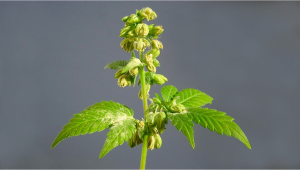
Just like female plants plants, male plants also flower but they don’t produce buds. Male plants plants develop pollen sacs that release pollen when they reach maturity. Male plants are vital in the production of new plants seeds but can be a nightmare for home growers because they can pollinate your female plants, filling the buds with seeds. If you’ve ever grown plants before, you’ll be well aware that the plant is dioecious—that is, the male and female flowers occur on completely separate plants. As far as the plant kingdom goes, this fact makes plants rather unique; around 95% of plants contain both male and female reproductive structures on the same specimen. It helps to know this as a plants grower. Why? Because it means your female plants are incapable of fertilizing themselves (unless they start to develop male reproductive parts as a response to genetic factors to environmental stressors). If you plan on breeding plants, then you’ll need both male and female plants in your offspring to obtain seeds. If, however, you want nothing but dank buts, you’ll need to keep male plants well away from your growing space to achieve the strongest and most okous inflorescence possible.
1. Male Plants Plants
Plants can be Monoecious or Dioecious. Dioecious plants are those which have distinct female and male plants, meaning a plant will be male or female and the male needs to pollinate the female to produce seeds. Monoecious plants are those which have both female and male parts and are known as hermaphrodites. The plants plants can be both Monoecious and Dioecious, although it is mostly found with separate sexes, you can and you will see Monoecious plants (hermaphrodites) in nature and even in your growing space. Hermaphrodites happen when the plants plant gets stressed. If she senses death is near, she will start developing the other sex to guarantee the survival of her species. This allows her to pollinate itself, producing seeds without the need for another plant.
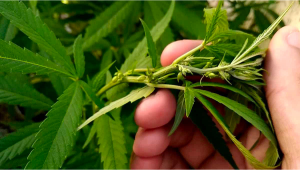
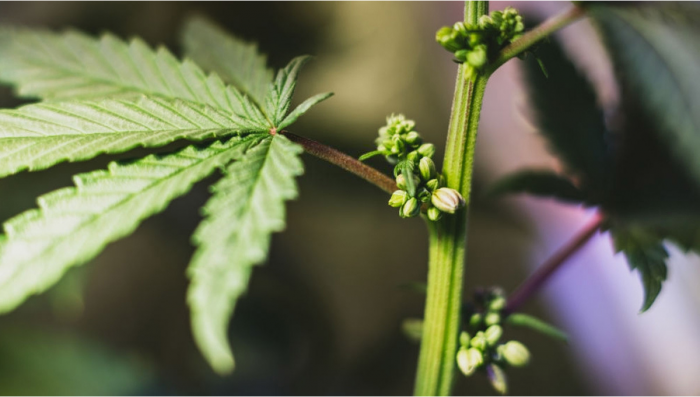
Ultimately, male plants plants are those that inherit XY sex chromosomes from their parents. This genetic foundation codes for plants that express male flowers. These appear at the nodes (the point at which branches meet the main stem) as small spherical balls—as opposed to the teardrop-shaped female pre-flowers. Instead of developing into large buds spattered with frosts and stigmas, these balls simply swell to the point that they open up and disperse pollen. Male plants are commercially viable simply for the fact that they produce pollen that's able to fertilize female plants in the context of breeding. Outside of this function, their lack of frosts, strength, and flavor makes them undesirable for most growers.
2. What Is Pollen?
As you may know, buds are the flowers of the female plants plant. Male plants also flower, but unlike female plants, they produce pollen sacs. Pollen sacs are small balls that open up when they’re fully mature, releasing pollen.
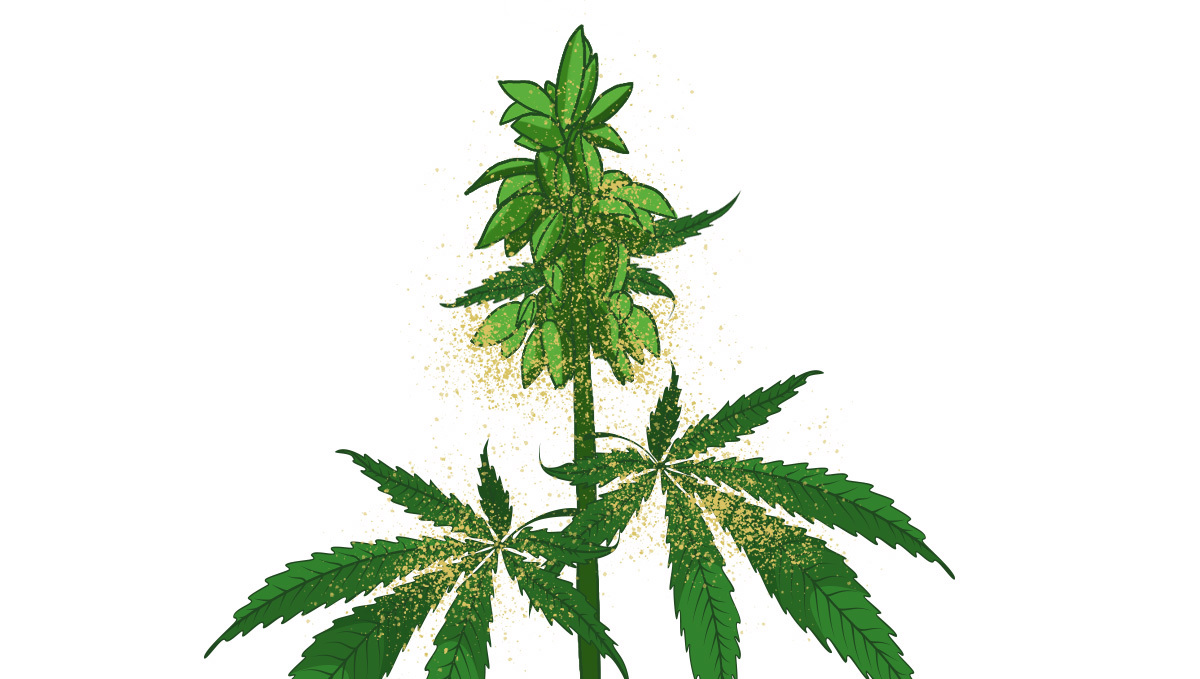
The tiny pollen grains hold the male plant’s DNA information which combines with the female gametes that contain its DNA information, resulting in plants seeds. Pollen is produced by male plants plants and contains the male gametes. To produce seeds, a male plant needs to pollinate a female plant. This is how breeders produce new genetics, this way new flavorene profiles and types of high can be achieved. Plants pollen will usually have a powdery-like appearance, and a consistency finer than sand. It will most often have a yellow or gray color and can be tricky to return without accidentally contaminating any nearby female plants.
3. What Is Pollen Used For?
Pollen is used to create seeds. In nature, pollen allows plants plants to perpetuate their species. For breeders, this allows the creation of new seeds. By crossing two different seeds, breeders can come up with distinct and unique colors, flavors, and aromas.
For example, our new Gorilla Cookies Auto is a cross between our Gorilla Glue Auto and Girl Scout Cookies Auto. This is achieved by collecting the pollen from one seed and pollinating the buds of the other one.
4. How To Collect And Store Pollen?
Collecting pollen isn’t too hard but you will need to be careful, it is super light and the slightest breeze can spread it all over, it can also stick to your hands, clothing, and hair, so you should be super cautious if you have female plants around.
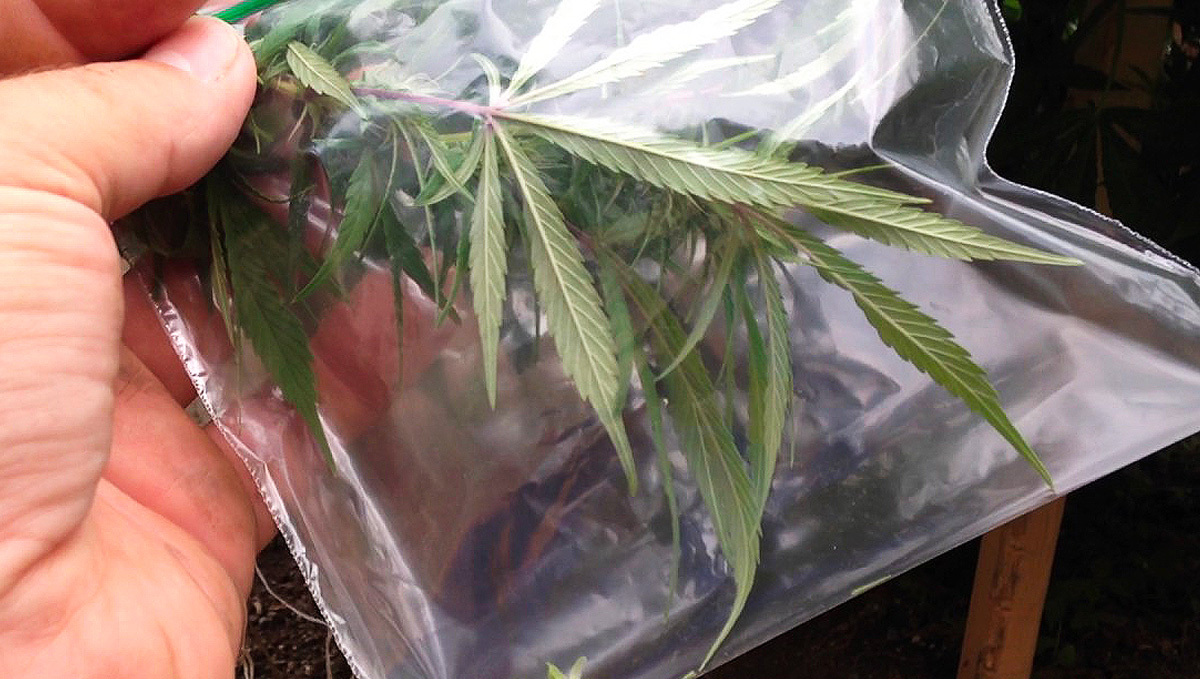
The best way to collect it is to check every day and be aware of when the male flowers are reaching maturity. When they’re about to open you should have a ziplock bag, a container, or any other way to hold it without it being able to get away. Have in mind that pollen is extremely sensitive to light and moisture so you should keep it in a dry cool place, if you’re gonna store it for more than just a few weeks, keep it in the refrigerator. A good tip is to use silica gel sachets to make sure the pollen is kept dry.
If you are planning to use the pollen straight away, it's best to take the whole flowering head and shake it over a fine mesh filter with some baking or parchment paper underneath. Once it has been returned, let the pollen sit in a dry, shaded, warm area for 1 to 2 days to let it release all moisture.
| Pollen Viability | |
|---|---|
| Conditions | Can be stored for |
| Room temperature | 1 - 3 weeks |
| Fridge | 2 - 3 months |
| Freezer | Up to 12 months |
Remember that this table is just a guideline. As mentioned, you should try to remove the moisture from the plants pollen before storing it, if you fail to do so, the plants pollen may not last as long as the periods mentioned in the table because moisture can attract mold and end up ruining the plants pollen. Also, pollen doesn’t have a protective layer so it’s exposed directly to the conditions, so in order to last up to 12 months in the freezer, for example, you should mix the pollen with regular flour or place a silica gel pack while keeping it in a dark airtight container, this will maximize storage life.
A study conducted at the University of Lethbridge, Alberta found that by mixing the collected pollen (that had all moisture removed) with baked whole wheat flour and preserving agents, and then freezing it in liquid nitrogen the pollen would stay viable for “4 months, suggesting potentially indefinite preservation of plants pollen.” This could have huge implications in the world of plants genetics, as there has long been an issue with keeping genetic linages strong and stable over long periods. They also concluded that the best time to collect pollen was in the 4th or 5th week of the flowering cycle. Remember, do not refreeze pollen. Only take it out of the freezer when you are sure you are ready to use it, as temp swings will reduce the viability of the pollen

5. How To Use Pollen?
Pollinating your female plants is super easy, you just need to get the pollen to stick onto the buds, either by shaking the male plant, spreading pollen all over, or by carefully applying the stored pollen on the buds with a brush. It really is that easy. However, most plants growers appreciate more than the basics. Growers often start off as hobbyists and, before long, find that they’ve developed a rather deep fascination with botany, plant physiology, and genetics. So, let’s dive into the act of pollination with a bit more depth. Most novice plants growers make the mistake of labelling buds as plants flowers—this isn’t true. Buds are in fact large clumps of true pistillate plants flowers. Because they contain flowers, leaves, and branches, plants buds are actually known to botanists as inflorescences.
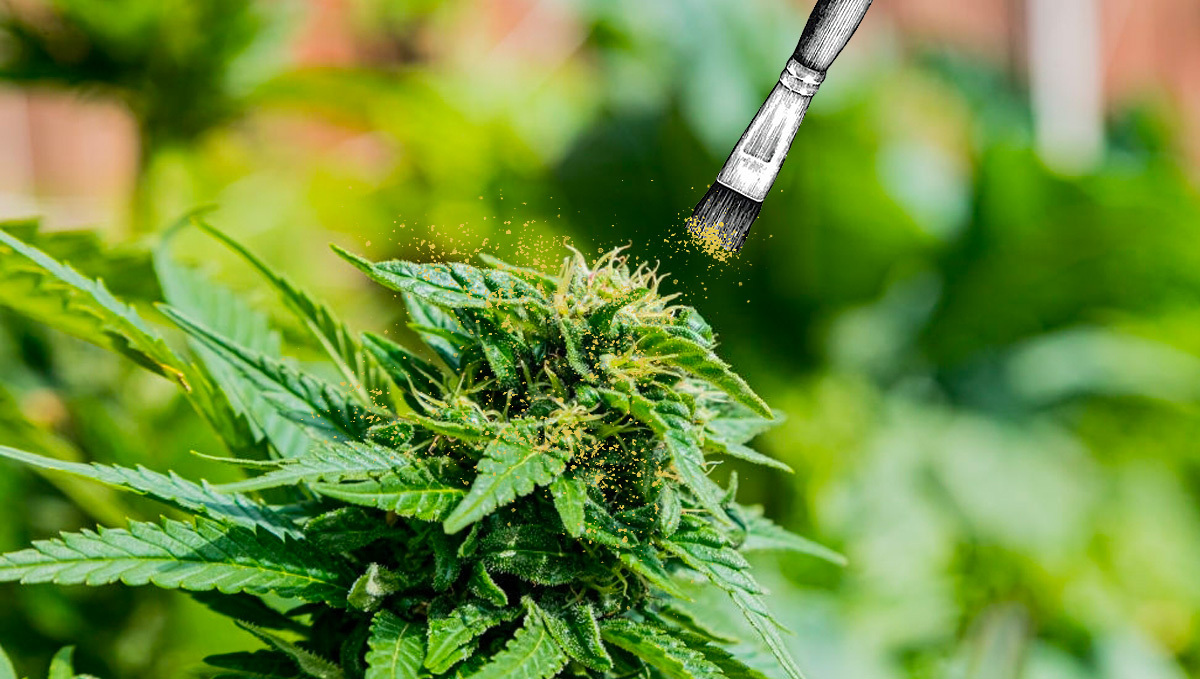
If you take a closer look at a bud, you’ll notice many small tendril-like structures emerging from the surface; these hairs are typically white during early flowering and turn dark orange towards the end of bloom. Well, each individual flower within the clump possesses two of these hairs, known as stigmata. Each of these hairs possesses even smaller hairs, known as stigmatic papillae, on their surface. These are designed to catch pollen floating around in the air. Once the pollen makes contact with the stigma, the hair-like structure carries genetic material down into the leafy bract below. Within this vegetative shell sits the ovule—the equivalent of an animal’s ovary. Once fertilized, this reproductive structure turns into a seed within the protective casing of the bract. Just remember that to produce good seeds you need to pollinate when the pistils are fully formed, which is around 3-5 weeks into the flowering stage.
6. Why You Should Collect Pollen
There are a few key reasons why a plants cultivator might want to collect pollen, but the main reason for creating new seeds from their own crop. Sure, you could keep a mother plant going for an almost indefinite amount of time, but this requires a ton of care and resources. Collecting pollen can take a heap of that hassle out of the equation, and it is also much more versatile. The pollen from a single male plant can be used to germinate any single seed you grow, whereas with a mother plant you are locked into her genetics and have to find the pollen from a range of male plants.
In this day and age of plants legality, it is possible to source high-grade pollen from reputable sources in certain regions of the world, it is hard to know exactly what genetic traits you are getting. This pollen can also be quite expensive. If you are passionate about plants cultivation and want to try and start breeding your very own seeds. Then we recommend trying to return your own pollen - it's cheaper, easier, and way more fun than simply buying it.
7. Can You Pollinate Auto Plants Seeds?
Yes, without a doubt you can pollinate female auto seeds. Maybe a better question is will these seeds be auto? That really depends on the genetics of the father plant. If it is a photoperiod plant, then you will have to continue with cross-breeding the offspring of these two plants for a few generations before you produce higher than 50% auto seeds. If you are keen on getting your hands on the very best auto seeds available right now, head over to our catalog to see our whole range. FastBuds seeds regularly take out the top prizes at worldwide plants cup events, and we are one of the oldest auto seedbanks in the world! Our top picks right now are Gorilla Punch Auto, Strawberry Gorilla Auto, and Bruce Banner Auto. If a Extract-heavy flower is more your thing then check out Extract Auto 20:1, or Extract Auto 1:1 (Extract Crack).
8. Plants Pollen FAQs
-
For how long is plants pollen viable?
In normal conditions, plants pollen is viable for one to three weeks after it has been collected from the plants pollen sacs. However, if you seal it and freeze it it can last up to a year. This happens because pollen doesn’t have a protective layer like seeds, for example, so make sure you check the plants pollen storage topic above and store your plants pollen correctly. Also, if you freeze it, make sure you only remove it from the freezer once you’re ready to use it because temperature fluctuations and moisture will ruin the pollen.
-
How long until plants plants produce pollen?
Your male plants need to mature sexually in order to start developing the pollen sacs but they usually mature one to two weeks before female plants. This means that you’ll have to wait at least four to six weeks before your plant matures sexually and then around two to three weeks for the pollen sacs to finish developing and release the plants pollen. Obviously, it depends from seed to seed so it can take a bit longer but in most cases, it can take a minimum of six to seven weeks (from seed) for your plant to produce and release plants pollen.
-
Is male pollen the same as extractions pollen?
No, despite both being called pollen, extractions pollen is slang for kief. Kief is made by sifting plants frosts from female plants with a fine screen which can then be pressed into extractions or consumed in pollen form while male plants pollen is the male gametes that are produced inside the male pollen sacs which are then used to produce seeds and cannot be consumed.
9. In Conclusion
Even though they’re not so popular nowadays, male plants plants are essential to perpetuate the plants plant, for the creation of new seeds and the discovery of new combinations of flavor. Although home growers won’t usually cultivate male plants, they’re extremely important for plants in general. Despite being laborious, collecting plants pollen from male plants is the best way to make your own seeds.
You can also revert a female plants plant’s sex but breeders claim that the offspring will have a tendency to turn hermaphrodite so, if you want to experiment with making your own crosses or just want to stock plants seeds for your next grow cycles, it’s highly recommended that you do it by crossing a male and female plant. Also, make sure you store the pollen correctly because pollen starts degrading as soon as you take it off the pollen sacs, so use it as soon as you can to increase the chances of success.
If you are more experienced with male plants plants, feel free to share your knowledge with fellow growers by leaving a comment in the comment section below!
Comments