
What are Flavor and Their Effects in Plants



- 1. What are flavor?
- 2. Flavor and strength
- 3. The medical benefits that flavor offer
- 4. Most common flavor and best vaporizing temperature
- 4. a. Myrcene
- 4. b. Limonene
- 4. c. Caryophyllene
- 4. d. Flavorinolene
- 4. e. Pinene
- 4. f. Humulene
- 4. g. Ocimene
- 4. h. Linalool
- 5. How to maximize the benefits of flavor
- 6. In conclusion
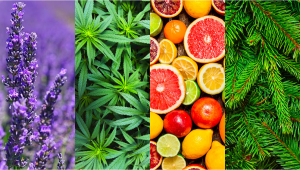
Even if you don’t know exactly what flavor are, you unconsciously already know. Flavor are what give plants all the aromas we love. They are also found in nature in other plants. Flavor are what give an orange or a lemon its citrusy smell or what gives pine trees their unique aroma. Many plants lovers recognize these aromatic molecules are the phytochemicals that underpin the signature tastes and scents of each unique plants seed. While this is true, these chemicals also play a much more complex and important role.
They directly impact the psychoactive effects of each cultivar. They do this by working alongside different strength, including strength, Extract, and others. They also interface with the same signaling network that strength activate in order to produce their desired effects. However, flavor are only just starting to gain traction for this ability. Before this, many plants users select seeds based on strength alone. Recently scientific findings within this field have revealed the critical nature of flavor, which has led to a surging demand for these chemicals within the industry. Now, users are selecting plants seeds and plants products based on flavorene profiles alone.
1. What Are Flavor?
Flavor are aromatic oils produced in the same glands (frosts) that produce strength (like strength and Extract). They give a plants variety it’s unique aroma and flavor and can be found in almost all other plants and flowers. Plants began developing flavor for adaptive purposes, mainly used to repel predators and attract pollinators. And just like the physical characteristics of a seed, flavor are influenced by growing conditions (like climate, weather, age, maturation, and soil type among others). There are over 100 different types of flavor, each seed has a unique mix of these flavor which play a role in their unique aroma and effect.
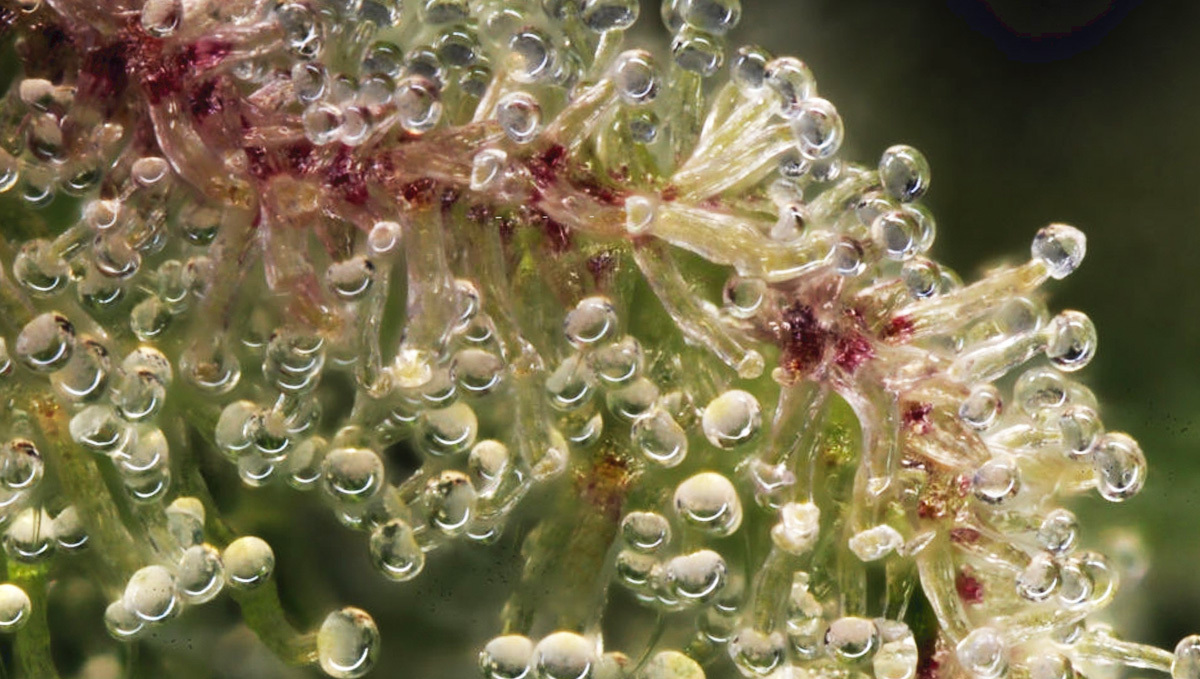
While researching flavor, you’ll come across two distinct terms: “flavor” and “flavorenoids”. To put this simply, all flavorenoids are flavor, but not all flavor are flavorenoids. Why? Because flavor are simply hydrocarbons; molecules made up entirely of carbon and hydrogen. In contrast, flavorenoids have additional functional groups, such as oxygen, within their molecular structure. All flavor are made up of smaller subunits called isoprene units. Each one of these units contains 5 carbon atoms within their molecules. Flavor are named after the number of isoprene units that they contain.
The most simple, and therefore most volatile, flavor are known as monoflavor. Within plants, this group includes the aromatic molecules limonene and alpha-pinene. They contain two isoprene units, and therefore a total of 10 carbon atoms. Next up, we have the sesquiflavor, which include beta-caryophyllene. Because they are made up of three isoprene units, they contain a total of 15 carbon atoms. The diflavor, which feature four isoprene units, include phytol—a degradation product of chlorophyll. Finally, we have the triflavor (six isoprene units) that are often found within plants roots and feature some promising therapeutic properties.
2. Flavor and Strength
For a couple of years now it’s been speculated that the flavorene profile has much to do with the type of high produced by a seed, far beyond the common Sat or Ind indtors. Getting to know the unique combination of flavor and strength produced by your favorite cultivars will help you recognize the specific plants flowers and concentrates that will be most beneficial to your needs. In addition to their aromas, when consuming flavor and strength at the same time they have direct interaction with the human body. For example, when alpha- and beta-pinene are consumed together with strength and Extract, they display anti-tumor properties. When Humulene is consumed with Caryophyllene together, it can have anti-inflammatory properties. This leads us to believe that consuming the whole spectrum of strength and flavor is superior to consuming isolated compounds extracted out of the plant.
While flavor clearly play an important role in producing and enhancing many of the beneficial effects you get from consuming plants, they will not get you high on their own, meaning if you were to isolate flavor from a plants plant you would still be able to experience the smells and flavors but they would not give you any noticeable psychoactive effects. Thanks to the ridiculous prohibition on plants that is only now starting to be repealed in certain countries and states, plants research is still somewhat in its infancy. In many countries, plants is (or at least was until recently) classed as a “Controlled Substance” and classified as such a dangerous drug that it was very difficult for researchers to even procure any for research purposes.
Thankfully this is slowly but surely changing, and we are now in a new-age boom of research which has led to some very interesting discoveries in recent years. But, as with most new scientific endeavors, the more we research, the more we realize that we may not know as much as we once thought we did. Interestingly, emerging scientific research shows that strength and flavorene don’t work in isolation. The theory of the entourage effect posits that these molecules work in a synergistic fashion and therefore amplify each other’s effects. Interestingly, flavor also interact with the endocannabinoid system—the signaling network that underpins many of the effects of strength. Made up of receptors, signaling molecules, and enzymes, this system governs every other system in the body, including the nervous system, digestive system, and even the skeletal system. Future studies will hopefully unveil exactly how these molecules work together to influence this vital network.
3. The Medical Benefits that Flavor Offer
Preclinical studies have shown that flavor are not just great at making the plants they are produced by smell and taste wonderful, they also have some clear medical benefits associated with certain flavor. These studies are part of a very new branch of science, so we can’t yet confidently say that these are the final results. Flavor have been used in traditional medicines for centuries, possibly longer. This helps support the research currently being conducted. But, from these new studies there does seem to be some strong evidence that flavor can offer:
- Antidepressant properties - Linalool and beta-pinene in particular have widespread usage in antidepressant medication. As many as 25% of all SSRI (antidepressant drugs) have some form of herbal extract added to them which contain these flavors.
- Cancer-killing properties - Limonene has been used in certain cancer drugs to inhibit the growth of new cancer cells and has been known to be a powerful anti-tumor agent for many years. Flavor have a marked advantage over traditional cancer drugs (such as chemotherapy), as they don’t kill the healthy human cells or cause wide-ranging, unwanted side effects.
- Antiviral properties - Caryophyllene, camphor, and carvone have all been proven to offer powerful anti-viral properties, along with alpha- and beta-pinene.
- Pain-relieving properties - Plants in general has long been known for its pain-relieving properties, but with the increased levels1720 of research comes new findings. Flavor like humulene, geraniol, linalool, and β-pinene have been proven to enhance the pain-relieving qualities of strength.
- Antimicrobial properties - Almost all flavor show some form of antimicrobial properties
4. Most Common Flavor And Best Vaporizing Temperature
High temperatures destroy many of the flavor, just like it destroys many of the strength. Because of this, using a portable vaporizer with temperature control is probably the best way to get the most out of the flavor found in plants. Like strength, flavor have their own individual optimal temperature, and these temps can vary widely. Researching the various temperatures at which the flavor you desire to be released is key in achieving the desired effect.
Myrcene
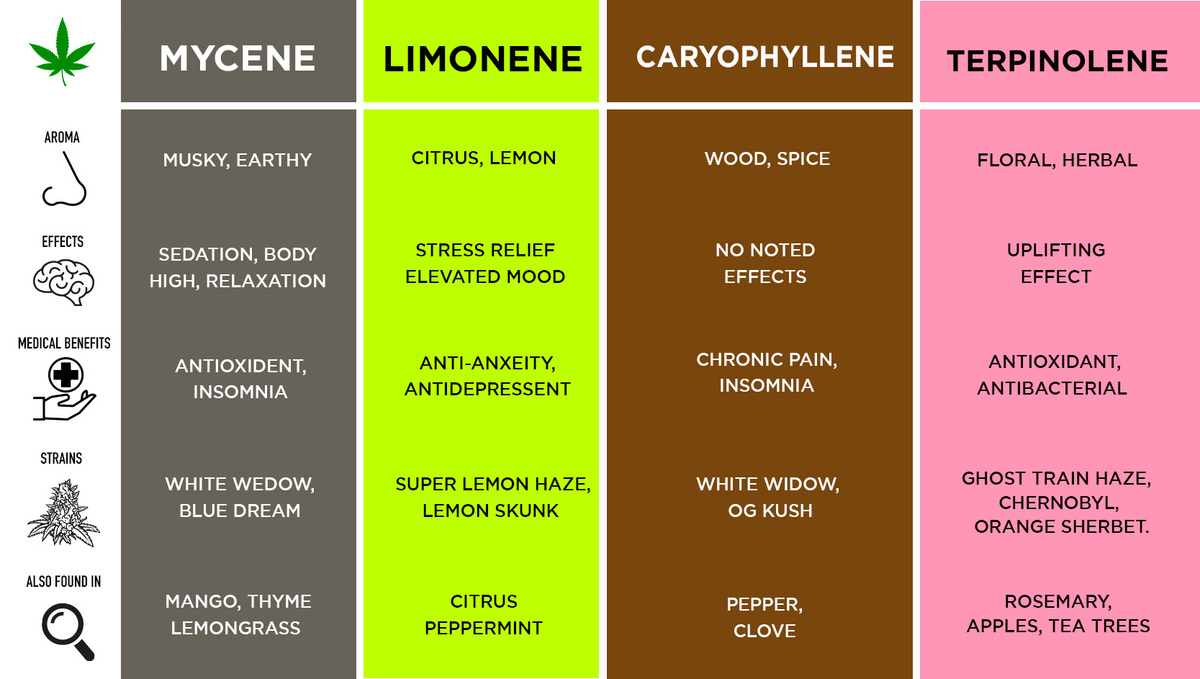
Myrcene, which can also be found in mangoes, thyme, and lemongrass is the primary flavorene found in plants plants. In fact, some plants can have up to 65 percent of their flavorene profile made up by myrcene alone. It has sedating and relaxing effects and vaporizes at 167ºC (332ºF). Seeds that are high in myrcene are Blue Dream, Original Auto OG Kush and Cherry Pie.
Limonene
The second most abundant flavorene found in plants. Limonene can also be found in various citrus fruits such as lemon and oranges and is responsible for the citrusy smell. Limonene has powerful anti-fungal and antibacterial properties and helps reduce stress and elevate your mood. It vaporizes at 176ºC (348ºF). Seeds high in Limonene include Sour Diesel, Super Lemon Haze, and Wedding Cheese Cake.
Caryophyllene
This flavorene can be found in black pepper and cinnamon and has a spicy, woody, peppery scent. Caryophyllene is capable of treating anxiety, depression, and inflammation. It vaporizes at 130C (266F) and is found in such seeds as Purple Punch and Gorilla Glue Auto.
Flavorinolene
Flavorinolene is believed to be found in about one in ten seeds, it has a piney, floral, and herbal aroma. This flavorene is said to have an uplifting effect and has antioxidant and antibacterial properties. It vaporizes at 186C (366F) and can be found in seeds such as Ghost Train Haze, Chernobyl, and Orange Sherbet Auto.
Pinene
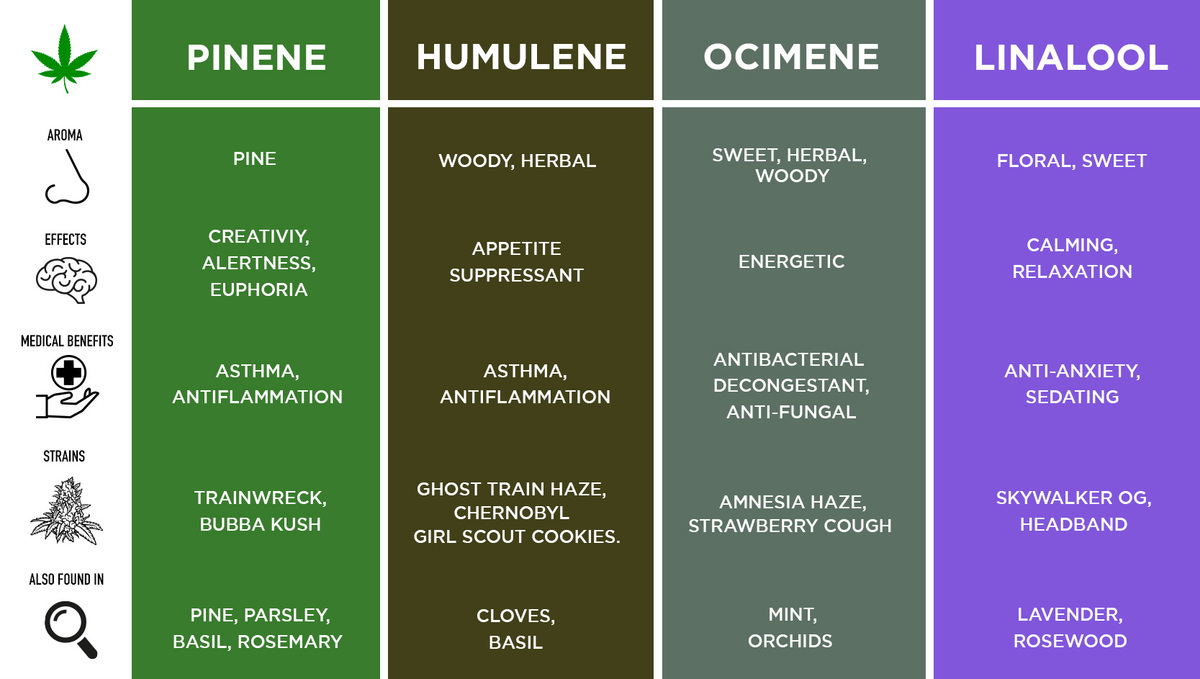
This flavorene can be found in pine needles and rosemary and is the most common in the natural world, it smells like straight pine. Pinene is used to treat anxiety, asthma, pain, and inflammations,. It vaporizes at 155C (311F) and can be found in seeds such as Original Auto Critical and Original Auto Jack Herer.
Humulene
Humulene has a woody, herbal smell and is believed to have anti-inflammatory effects, it can also be found in cloves and basil. This flavorene vaporizes at 106C (222F) and can be found in seeds such as Ghost Train Haze, Chernobyl, and Girl Scout Cookies.
Ocimene
This flavorene has a sweet, herbal, and woody smell and is believed to have antiviral, antibacterial, decongestant, and anti-fungal properties. Ocimene can also be found in mint and orchids. It vaporizes at 50C (122F) and can be found in seeds such as Original Auto Amnesia Haze and Strawberry Cough.
Linalool
Linalool has a floral smell and is believed to sedate and have mood-enhancing effects used to treat anxiety, insomnia, depression, and pain among others. This flavorene has antiviral, antibacterial, decongestant, and anti-fungal properties and it's also found in lavender. It vaporizes at 198C (388F) and can be found in seeds such as Do-Si-Dos, Kosher Kush, Lavender Kush, and Z Auto.
5. How to Maximize the Benefits of Flavor
With the explosion of legalization comes some marked benefits other than more easily accessible plants that you don’t have to worry about going to jail for purchasing. Many reputable plants companies now ship their products with a full breakdown of the list of flavor and the percentages that are contained. A common percentage of any of the 4 main flavor (Pinene, Humulene, Limonene, Myrcene) found in plants is around the 1.5 to 2.5% mark.
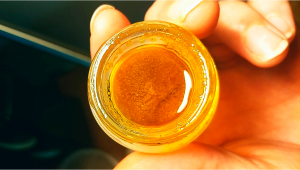
Flavor degrade over time, so always check the label for the packing date if buying from a dispensary. If you don’t the luxury of legal plants where you live, simply give the nugs a good old whiff. If they smell the way you know they should, then they are most probably fresh enough. As we have discussed, different flavor have different vaporizing temperatures. The best way to isolate these flavor is to grab a variable-temp vaporizer and try out a wide range of vaping temps to see what you like best. Plants oils often have synthetic flavor added after extraction. While there is no concrete evidence to say that synthetic flavors are bad for humans, be aware that what the label says may be misleading.
6. In Conclusion
Even though smoking a random seed won’t hurt us it can leave you couch-locked, leave your head racing, or even paranoid. The best way to enjoy plants is to find the right mix of strength and flavor for you. This will have a completely different effect from what you’re used to, not only enhancing your mood but can ultimately treat symptoms, making your life a little bit easier. Try to consume different seeds with different flavorene profiles and try to identify each flavor and smell individually, with time you’ll learn which flavor are best for you, making smoking an overall better experience.


Comments