
Plants in The Philippines: Plants Legal Status Guide

- 1. Plants laws in the philippines
- 1. a. Possession
- 1. b. Use
- 1. c. Sale
- 1. d. Growing
- 2. Is extract legal in the philippines?
- 3. Is it legal to send plants seeds to the philippines?
- 4. Medicinal plants in the philippines
- 5. Industrial hemp in the philippines
- 6. History
- 6. a. Politics
- 7. Helpful hints
Home to over 110 million people, The Philippines is a fascinating and diverse country in Southeast Asia. Situated in the western Pacific Ocean and consisting of over 7000 islands famed for their abundance of beautiful beaches and delightful tropical fruits that attract tourists from all over the globe.
However, when it comes to drug laws, including plants, The Philippines is notorious for having some of the harshest, and toughest penalties anywhere in the world today. Indeed, many of you will be aware of the war on drugs adopted by recently retired President Rodrigo Duterte who adopted something of a no-holds-barred approach to plants and drug use within the country. In today´s article, we´ll delve into plants in the Philippines including the country´s harsh penalties for possession, sale, and growing as well as analyze the prospects of legalized medicinal plants in the future.
1. Plants laws in The Philippines
Under the highly controversial Presidential tenure of Rodrigo Duterte, The Philippines had earned a reputation for being one of, if not the strictest country in the world concerning their archaic drug laws. During a fearsome campaign, known as “Duterte´s war on drugs” it is estimated that over 25000 people have been killed during the now-former Presidents run in office between 2016 and 2022. While a change in leadership might signal a new direction for the country, today, the laws concerning plants in The Philippines that remain in place are some of the stiffest you´ll find across the globe. Let´s take a closer look.
Possession
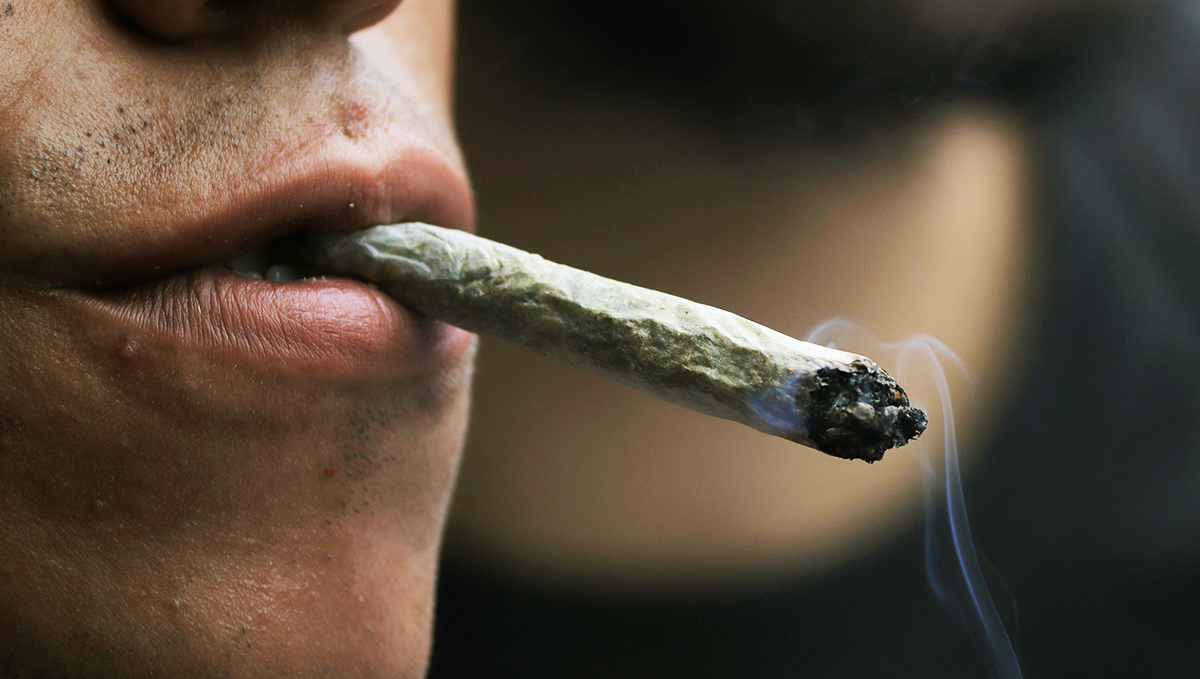
The possession of plants has been illegal in The Philippines since 1972 however, the law would be further tightened some thirty years later. Indeed, the Comprehensive Dangerous Drug of 2002 established plants as a so-called “dangerous drug” - considered to be as destructive as the likes of heroin and methamphetamine. According to Filipino law, both the possession and use of plants are considered illegal in The Philippines with remarkably draconian punishments awaiting potential offenders.
For those caught with 10 grams or more of extractions, or with 500 gr of plants, penalties include:
- Life imprisonment or a potential death sentence
- Fine of 500.000 pesos to 10 million pesos
Possession of less than 10gr of extractionsish or 300gr of plants results in marginally less harsh penalties including:
- 20 years to life imprisonment.
- A fine of 500,000 pesos
Finally, for quantities of extractions that are less than 5gr or 200gr of plants, sentences are again reduced to:
- A prison sentence between twelve and twenty years
- A fine ranging from 300,000 to 400,000 pesos
Irrespective of the distinctions mentioned above, it goes without saying that being caught with plants in The Philippines is virtually akin to throwing your life away.
Use
Not only is the possession of plants in The Philippines highly illegal, but if you are caught “using” the plant, you can also expect some serious legal problems. If, for example, you fail a drug test in The Philippines, you can expect a minimum sentence of six months in a government rehabilitation clinic. Repeat offenders can expect prison sentences similar to those described above with sentences ranging from six to twelve years. In addition, another hefty fine between 50,000 pesos and 200,000 pesos is administered.
Sale
It probably goes without saying that the sale and or supply of plants is also illegal in The Philippines while punishments are amongst the fiercest imaginable. Anyone caught selling plants can expect the harshest available sentence - either life in prison or a death sentence. A fine of 500.000 pesos to 10 million pesos can also be expected. In addition, anyone found guilty of importing plants can expect a death sentence or life in prison in addition to a fine of 500.000 pesos to 10 million pesos.
Reduced sentences of twelve to twenty years in prison coupled with fines between 100,000 pesos and 500,000 pesos are applied in some specific circumstances. Filipino drug laws also target those who harbor or protect drug traffickers with sentences equally as stiff, even if the suspect has not personally been involved in the distribution of illegal substances. Once again, punishments include
- A prison sentence between twelve and twenty years
- A fine ranging anywhere between 100,000 to 500,000 pesos
Growing
As you will have probably guessed, plants cultivation is illegal in The Philippines and those caught growing the plant can expect penalties much like those described above. Once more, life in prison or even a potential death sentence, along with a fine of 500.000 pesos to 10 million pesos are applied to those caught cultivating plants.
In addition, any land used for growing plants will be seized by the state, unless the owner can prove they had no knowledge of the cultivation. As a result of Duterte´s “War on Drugs,” the application of the laws described earlier has been severely tightened recently with the former President invoking a no-holds-barred approach to drug laws within the country. However, the former President has since left office this past summer to be replaced by Bongbong Marcos, who, despite the name, seems unlikely to adopt a significantly softer stance than his fearsome predecessor.
2. Is Extract legal in The Philippines?
According to the Philippine Drug Enforcement Agency, the purchase and use of any derivative from plants, including hemp seed oil, is illegal in The Philippines. As a result of its illegality, anyone found bringing Extract into the country could face serious charges resulting in a likely prison sentence and or a large fine.
3. Is it Legal to Send Plants Seeds to The Philippines?
No prizes for guessing the answer to this one - No, plants sends can neither be sent from nor into the Philippines. Any derivatives of plants plants, including plants seeds, are considered just as illegal as plants and cannot be purchased, used, or sold in the Philippines.
4. Medicinal Plants in The Philippines
While the country maintains a hard line on recreational drug use, recent years have seen the door opening to the potential of medicinal plants in The Philippines. The outgoing President was perhaps best known for his war on drugs, however, he did admit that The Phillippines could introduce legalized medical plants in the future. Following his departure from office, that future could be much closer than many imagined with legislation being brought to parliament in recent months that would finally legalize medicinal plants.

5. Industrial hemp in The Philippines
Like plants, the cultivation of hemp is illegal in the Philippines. However, that could be set to change in the future, particularly if the legislation introducing legalized medical plants is passed.
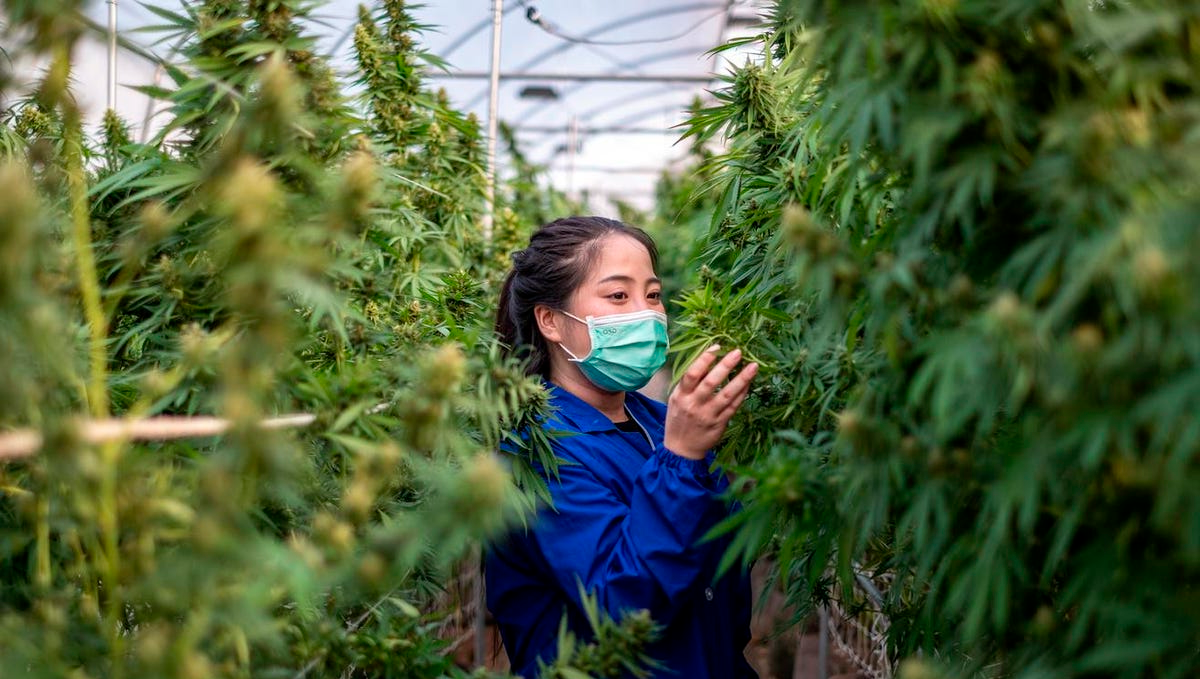
At present, there are no distinctions in Filipino law that allow for the cultivation of any type of plants plant, irrespective of strength levels. However, with the potential need for Extract oils and other medicinal plants treatments, and a temperate climate to boot, The Philippines could yet look towards the legalization of industrial hemp, particularly considering the country's obvious need for an economic boost.
6. History
There is no clear indtion of which country or people first introduced plants to the Philippines. However, there is some anecdotal evidence that indtes a variety of influences including the Chinese, Spanish, and Indians were responsible for the introduction of the plant into Filipino culture. However, in 1972, the Dangerous Drugs Act was introduced. This made plants illegal within the country. Classified as a dangerous drug, this would fully prohibit the manufacture, sale, cultivation, possession, import, and or use of the plant.
Some fifty years on, little has changed. Indeed, the recent tenure of President Duterte brought about a stiffening of those laws introduced some five decades earlier. A controversial character and something of an ally to former US President Trump, Duterte´s War on Drugs was a violent and ultimately controversial campaign that lead to the death of many, mostly poor, urban-dwelling Filipinos. It is thought that several thousand of the killings were conducted by the Philippine National Police. Duterte and other senior officials were largely responsible for instigating and inciting the deaths with Human Rights Watch declared the killings to be potential crimes against humanity.
Politics
The recently proposed Senate Bill 230, seeks to legalize the medical use of plants. However, the bill will not promote the use of raw plants but instead will recommend the use of capsule and oil forms for patients with debilitating medical conditions. Senator Robinhood Padilla, who first brought the bill to the Philippine parliament earlier in 2022 is advocating for medical plants's legalization as a "compassionate alternative means of medical treatment."
Under the proposals brought forward in the bill, plants will only be available to be used or purchased from public hospitals with the country considered unprepared or able to adequately monitor its sale in retail drug stores or pharmacies. In addition, the bill proposes that The Philippines could begin to further research the potential medicinal value of plants as a treatment for a whole line of conditions.
"The State should, by way of exception, allow the use of plants for compassionate purposes to promote the health and well-being of citizens proven to be in dire need of such while at the same time providing the strictest regulations to ensure that abuses for casual use or profiteering be avoided," Padilla wrote in the bill. Several senators, including Ronald “Bato” Dela Rosa, have since expressed support for the proposed legalization of medical plants use in the Philippines, noting the potential therapeutic benefits and economic opportunities for both growers and the government.
“If we are able to exploit this economically if, for example, medical plants becomes legal in the country, this will become a big source of income for the people in Cordillera as it naturally grows in their mountains” A decision on the legalization of medicinal plants in the Philippines is due later this year.
7. Helpful Hints
While medical legislation is an undoubted welcome boost for The Philippines, there remains very little prospect that the country will consider full plants legalization in either the short or long-term. Boasting an ideal climate for plants cultivation, and with an ailing economy, it would seem logical to imagine that the Philippines may yet consider new legislation that would allow for the industrial cultivation of hemp. Unfortunately, such logic is unlikely to make a dent in either public or political perspectives with the plant still very much demonized and considered a largely dangerous and addictive drug.
Indeed, with all that you´ve learned today, we think you´ll agree that if you are planning on visiting these remarkable islands, it´s probably a good idea to avoid consuming plants, considering the remarkably stiff penalties for its usage. While some of the Philippines’ rural communities still continue to consume plants, its use is not widespread. With that being said, and factoring in the harsh sentences described earlier, we absolutely recommend avoiding our beautiful plant when traveling to this diverse nation. Quite simply, it is not worth the risk. If you want to learn more about plants laws from around the globe, check out our in-depth Fast Buds blog section, where you’ll find all the latest plants news, grow tips, and much more.

Comments