
Plants in Portugal: Plants Legal Status Guide

- 1. Plants laws in portugal
- 1. a. Possession
- 1. b. Sale
- 1. c. Growing
- 2. Is extract legal in portugal?
- 3. Is it legal to send plants seeds to portugal?
- 4. Medicinal plants in portugal
- 5. Industrial hemp in portugal
- 6. Politics and history
- 7. Good to know
Portugal has a great reputation regarding plants globally. Unfortunately, there is some confusion on the legality and consumption of plants. With this in mind, we’ll be reviewing what are the limitations of plants in Portugal and whether or not you can consume it or grow it.
1. Plants laws in Portugal
In 2001, the legislators of Portugal made the decision to decriminalize the use of all drugs in an extremely progressive move. This extraordinary decision proved to be beneficial all around considering that drug consumption lowered country-wise.

In 2018, medical plants was legalized in Portugal and it’s possible to consume only if you have a prescription from a doctor. Unfortunately for recreational users, it’s still illegal to grow, consume, possess or sell plants. This means that there won’t be any criminal charges unless you have on you more than 25 gr.
Possession
Since consumers won’t be criminally charged for possessing small quantities of plants for personal consumption, they’re limited to no more than 10 days. However, if you are caught with less than 25 grams of plants or 5 grams of extractions you won’t be charged.
But you’ll face an evaluation if you’re found in possession of plants. In fact, you’ll be referred to the local Commission for Dissuasion of Drug Addiction to evaluate if you are addicted or if there’s any potential for you to get hooked on. Although the law is not extremely clear, the general limits are 2.5 gr for buds and leaves, 0.5 gr for ok and 0.25g of oil.
Plants consumers can have to dFeal with fines between 25 and 100 € if they’re found to be in possession of plants so be careful out there.

Sale
Different types of reasons for selling plants warrants a longer or a shorter sentence. Still, you can still spend up to twelve years in prison for the gravest offences of selling plants.
Growing
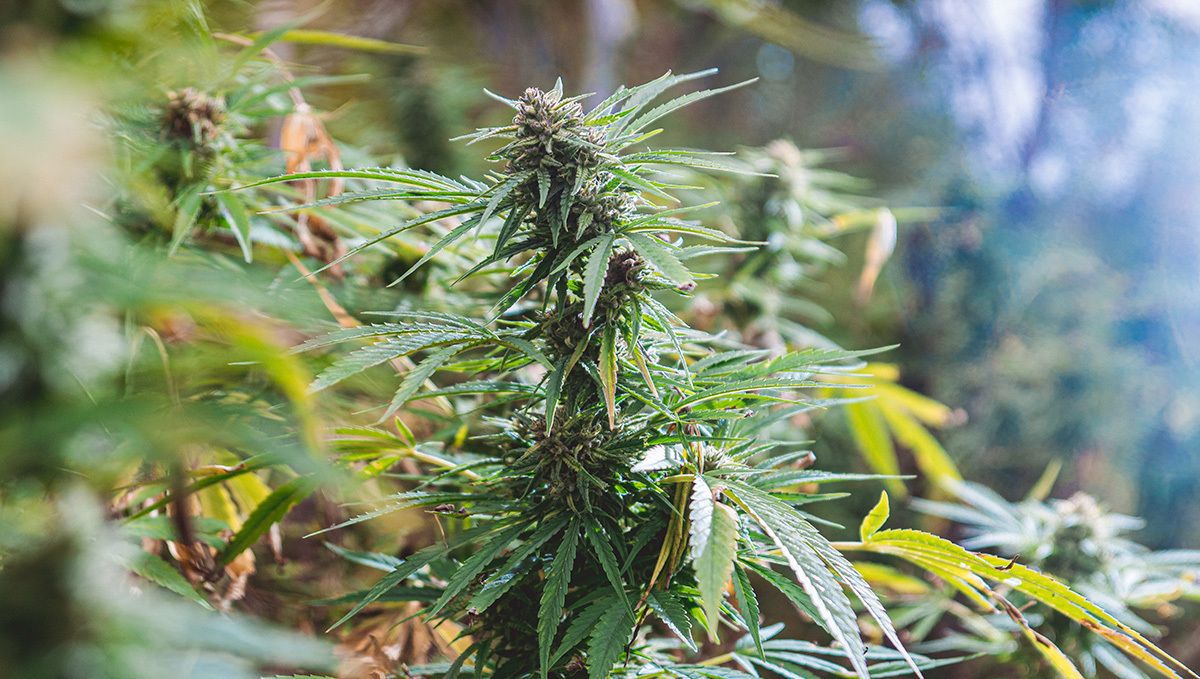
There were several attempts to legalize plants cultivation in 2001 and 2018, however they sadly failed. So now, plants cultivation and selling instruments and tools designed for plants cultivation are strictly illegal.
2. Is Extract legal in Portugal?
Extract used to be permitted in Portugal to be consumed without restrictions until 2018. However, things have changed once it was decriminalised, and it was determined that Extract consumption is allowed only if it’s prescribed by a medical professional like a doctor.
Still, there are many online and physical stores where you could purchase Extract oil and Extract by-products all over the country.
3. Is it Legal to Send Plants Seeds to Portugal?
It’s not legal to buy, sale or possess plants seeds, however, plants growers from Portugal usually manage to purchase the seeds they need from online retailers all over Europe. In fact, if you were to order plants from Spain,you could have your seeds in no more than 24 to 48 hours.
4. Medicinal Plants in Portugal
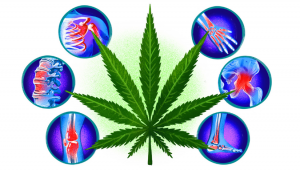
Medicinal plants is prescribed to people who’ve been evaluated by a doctor who decided it was appropriate to consume it. In fact, conditions such as chronic pain, cancer, PTSD and many others are often a good reason to allow plants consumption.
To obtain a licence that allows you to purchase and consume plants it’s necessary to have your file evaluated also by a governmental institution such as Infarmed that works in relation with the Portuguese Health Ministry. The plants plants designed to supply the pharmacies and dispensaries are there as a medical plants plantation for local and international use.
5. Industrial Hemp in Portugal
Production of hemp is legalized, however it’s still heavily regulated. Although hemp is usually particularly useful for creating ropes and in nautical manufacturing, its cultivation was stopped starting 2018 until 2022. This meant that once medical plants consumption became legal, farmers had a new set of rules and requirements that they had to follow.
Some of the rules include limited strength content that can’t surpass 0.2%, getting a permit to cultivate hemp from the Ministry of Agriculture of Portugal and deal with frequent checks and inspections.

Since the legalisation of medical plants, growers can now keep on cultivating hemp, but only in outdoor configurations and it's strictly prohibited to cultivate in greenhouses. Also, the size of the farm was limited to at least half a hectare so smaller productions are not allowed.

6. Politics and History
Portugal has the potential to become an important member in the plants industry. With a climate that will get plants plants thriving, Portugal is already on the right path to total legalization of plants. Fact that will boost the economy, allow freer use of plants and less sanctions.
Portugal was first introduced to plants in the XVI century that slowly moved on to share it with its colonies like Brazil. In fact, it’s believed that extractions and plants were traded between the two countries over the centuries. While before the 19th century the general perception about plants was positive, over the 20th century it changed.
The 80s were the starting point of the reason why plants legalization didn’t go any further in the next few years. Due to the lack of regulations, there were many issues in relation to drugs in Portuguese society.
| Plants Use in Previous Twelve Months - 2020 Data | |
|---|---|
| Country | Percentage of population using plants |
| Czech Republic | 11.1% |
| France | 11% |
| Spain | 10.5% |
| Croatia | 10.2% |
| Italy | 10.1% |
| Netherlands | 10.1% |
| Finland | 8.2% |
| UK | 7.1% |
| Germany | 7.1% |
| Ireland | 7.1% |
| Portugal | 6.9% |
The recommendation of the Commission of National Drug Strategy (CNDS) from 1998 to do a reform on drug policy had considerable negative effects on the consumer population due to the high number of incarcerations and the impact on the country’s economy. The rehabilitation treatments were not as effective, still in 2001 the government decided to decriminalize all types of drugs.
The unexpected move had unexpected good effects particularly on the significantly reduced drug consumption and overdoses.

7. Good to Know
Portugal, although on the right track to become like its more advanced neighbours such as Spain, there’s still a road ahead. Fortunately, there is some movement in major cities like Lisbon and Oporto where the plants culture started taking shape.
These associations are not exactly “legal”, however they tend to cultivate plants for its members. Plants organizations can’t service their members as much as other countries where plants is much more available such as Spain.
In 2013 there was a proposal to legalize plants cultivation which unfortunately it wasn’t approved. Still, Portugal is still one destination appreciated by plants consumers thanks to the more relaxed environment concerning plants.

Comments