
Plants in Jamaica: Plants Legal Status Guide

- 1. Is plants legal in jamaica?
- 1. a. Possession
- 1. b. Sale
- 1. c. Growing
- 2. Is extract legal in jamaica?
- 3. Is it legal to send plants seeds to jamaica?
- 4. Medicinal plants in jamaica
- 5. Industrial hemp in jamaica
- 6. History and politics
- 7. Politics
- 8. Helpful hints
Home to Bob Marley, one of the most famous plants consumers of the 20th century, Jamaica has quite a reputation when it comes to plants. Famed as an island where plants is readily available, it might surprise you to learn that Jamaican plants laws are not quite as relaxed as their popular culture would seem to suggest. In today’s article, we’ll take a deep dive into plants in Jamaica, Jamaica's plants laws, the country’s long history with the plant, and all the other pertinent details!
Is plants legal in Jamaica?
Despite perceptions and assumptions, plants in Jamaica has not been fully legalized, and prior to 2015, it was illegal to use or possess plants in Jamaica. Indeed, until recent changes to Jamaica plants laws, those found in possession of plants could expect to face a potential prison sentence and a fine of up to $100 per ounce. Prison sentences typically range between one and five years, depending on the specific nature of the offense.
Possession
Despite being intrinsically associated with one another, plants in Jamaica is not yet as legal as in other countries like Canada or Uruguay. However, in 2015, Jamaica’s government made the decision to amend its Dangerous Drugs Act, which effectively decriminalized the possession of plants for personal use. Under the new laws, anyone caught in possession of two ounces (or less) of plants would no longer be subject to arrest, taken to court, or handed a criminal record. Instead, a small fine can be expected under a system similar to that used for driving offenses. Offenders have up to thirty days to pay the J$500 fine to any tax office.
Unfortunately, anyone found in possession of more than two ounces is still subject to the same criminal proceedings of years gone by. Indeed, even if only for personal consumption, any found with more than two oz can expect a hefty fine and a potential prison sentence. The offense would also be retained in the offender’s criminal record. In addition, consuming plants in public areas or within five meters of such an area is forbidden. Such locations include bars and restaurants, tourist establishments, workplaces, government offices, and other places considered “accessible to the public”. There is one exception to the law, though, with Rastafarians legally allowed to use plants for religious reasons. However, they may only consume plants in areas that have been registered as places of Rastafarian worship.
Sale
Despite its decriminalization for possession, the sale and supply of plants for recreational purposes remains prohibited in Jamaica. While the 2015 amendments to the Dangerous Drugs Act decriminalized plants for personal use, the government also took the opportunity to increase fines for those involved in the sale or trafficking of plants. However, if for medicinal, scientific, or research purposes, Jamaican companies may apply for a retail license with applications requiring approval by the Plants Licensing Authority (CLA).
As part of the government’s amendments to the Dangerous Drugs Act and Jamaica plants laws, the CLA was established to oversee and regulate the medical plants industry. An agency of the Ministry of Industry, Commerce, Agriculture, and Fisheries (MICAF), the body is also responsible for the management of plants cultivation for research purposes and the country’s hemp industry.
Growing
As part of the 2015 legislation, the Jamaican government also legalized the cultivation of plants for personal use. Under the updated laws, each household is legally permitted to cultivate up to five plants plants. However, while it might be legal to cultivate small quantities of plants, large-scale or commercial operations remain illegal without a license as described earlier.
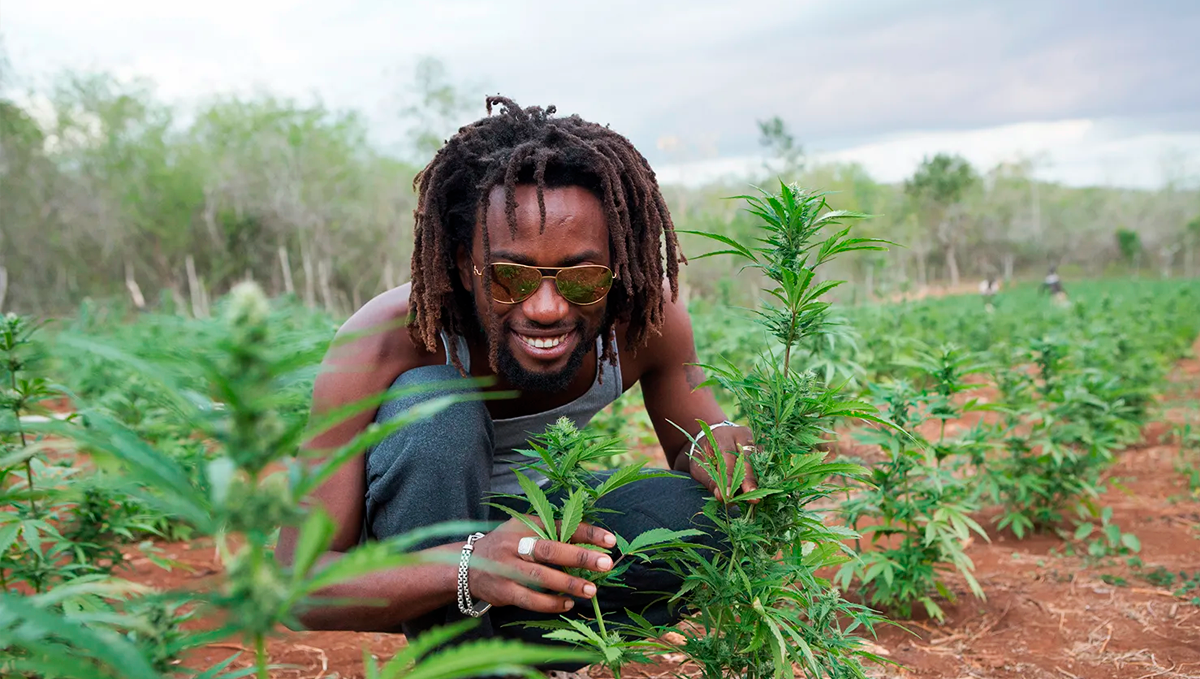
Still, despite its illegality, plants cultivation in Jamaica remains rampant, with up to 5,000 hectares or more of illegal plants grown or returned every year. To transition current plants horticulturalists into the legal, licensed industry, the government launched its so-called “Alternative Development Programme” in 2017.
While there is undoubtedly a desire to reduce the illicit growing of plants within the Jamaican government, progress on the issue has been disappointingly snail-paced. As of last year, the CLA has issued fewer than 100 cultivation licenses, with several hundred more still only at the conditional stage.
Given the country’s cultural heritage of plants growth and usage, it remains to be seen how successful the government will be in countering the illegal cultivation of the plant on the Island.
Is Extract legal in Jamaica?
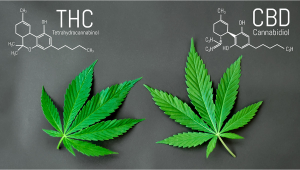
Yes, Extract and hemp-derived Extract products are considered to be legal, as long as the strength does not exceed a significant amount. However, the Jamaican government does not explicitly specify this percentage. As it stands, Extract products are usually expensive and difficult to source in Jamacia, with the industry still very much in its infancy on the Island.
Is it Legal to Send Plants Seeds to Jamaica?
Yes, plants seeds can be sent legally into the country via postal services. While previously illegal, under the changes made in 2015, seeds were legalized to allow the home cultivation of up to five plants plants.
Medicinal Plants in Jamaica
Like much of the world has begun to realize, there is significant and valuable medicinal efficacy in the use of plants for a variety of medical conditions. While previously illegal, the 2015 amendments to the Dangerous Drugs Act now allow for the import of plants products for medicinal purposes. As such, medical plants in Jamaica is now accessible for some patients. Under the law changes, medical plants can be accessed by anyone suffering from:
- Cancer
- Terminal illness
- Severe chronic illness
In order to qualify for access to medical plants, patients must receive an official certification from a registered medical practitioner confirming their illness. A practitioner must also recommend medical plants specifically for the illness, and all imports must comply with local laws. As a result of the increased access to medical plants, Jamaica opened its first medical dispensary and 2018, with several more now operating across the Island. Indeed, Jamaica is actually responsible for the opening of the world’s first resort-based plants dispensary at the acclaimed Hedonism II Resort in Negril.
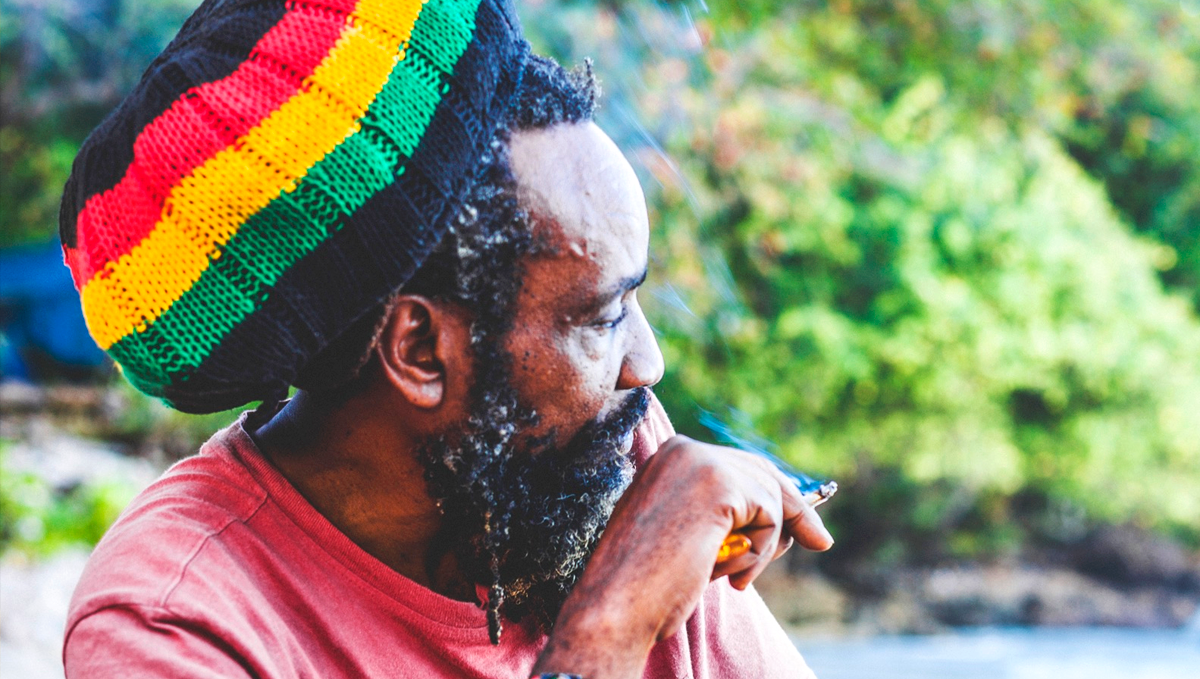
Having once been demonized, the inclusion of a medical plants dispensary at a world-famous resort only serves to illustrate further the radical seachange undertaken by plants over the past 10-15 years.
For those visiting Jamaica, it is possible to use medical plants; however, an application for a permit must be submitted before your arrival. In order to acquire the permit, a prescription or proof of recommendation for medical plants use is required. Failing that, a voluntary declaration can be made that verifies your condition. Once acquired, consumers can then purchase up to two ounces of plants that should be used for medical purposes only.
Industrial Hemp in Jamaica
While hemp in Jamaica is legal to grow, an active hemp industry is not present on the Island, with Jamaican farmers more skilled in the cultivation of plants.
Following the amendments to the Dangerous Drugs Act in 2015, hemp was defined as being a plants plant where the strength content is below 1%. Regulated instead as a practical fiber that can be used for a variety of purposes, hemp cultivation, sale, import, export, and processing is overseen by the CLA. Yet, despite that legality, there are no plans afoot to introduce mass hemp cultivation across the country, with production limited to a few small farms.
History and Politics
The image of Bob Marley, perhaps the Island’s most famous son, draped in Jamaican colors while smoking a fat one is one we’ve all seen at least once in our lives. Yet, despite the Island’s synonymity with plants culture, plants’s arrival in Jamaica is said to have occurred as recently as the 19th century.
Indeed, an overseas reputation as being an island of stoners is a stereotype the country has fought for years. This would perhaps explain the strict plants laws that existed in Jamaica until as recently as seven years ago. In the earlier part of the 20th century, plants had certainly become somewhat rooted in Jamaican society. This coincided with the arrival of the religious consciousness movement known as “Rastafari” to the islands.
In 1913, however, the country’s ‘white elite’ and evangelical worshipers passed the Ganja Law in a bid to curb plants consumption. As well as prohibiting plants use, the law also gave enforcement officers the right to use force against violators. Despite the law’s passing, however, plants use continued, with the majority of Jamaicans seeing it as merely a further example of their colonial oppression. As mentioned earlier, it was only in 2015 that the country would finally decriminalize the plant, in part to finally allow the local Rastafarian population to legally use the plant in their religious ceremonies.
Thankfully, the dark days of Jamaican plants persecution are beginning to become a thing of the past, at least in a country where the decriminalization of the plant has seen attitudes towards its usage soften significantly across both the public and political spectrums.
Politics
With those softening attitudes, particularly towards the medicinal application of plants, Jamaica now seems likely to utilize the potential that exists within the country for more extensive plants cultivation.
In recent years, the Jamaican government has moved towards developing and expanding relationships with other nations, including canna-friendly Canada. Given the knowledge and experience of local farmers, and the temperate climate for growing plants, this would seem an inevitability for a country that suffers tremendous issues with poverty and inequality.
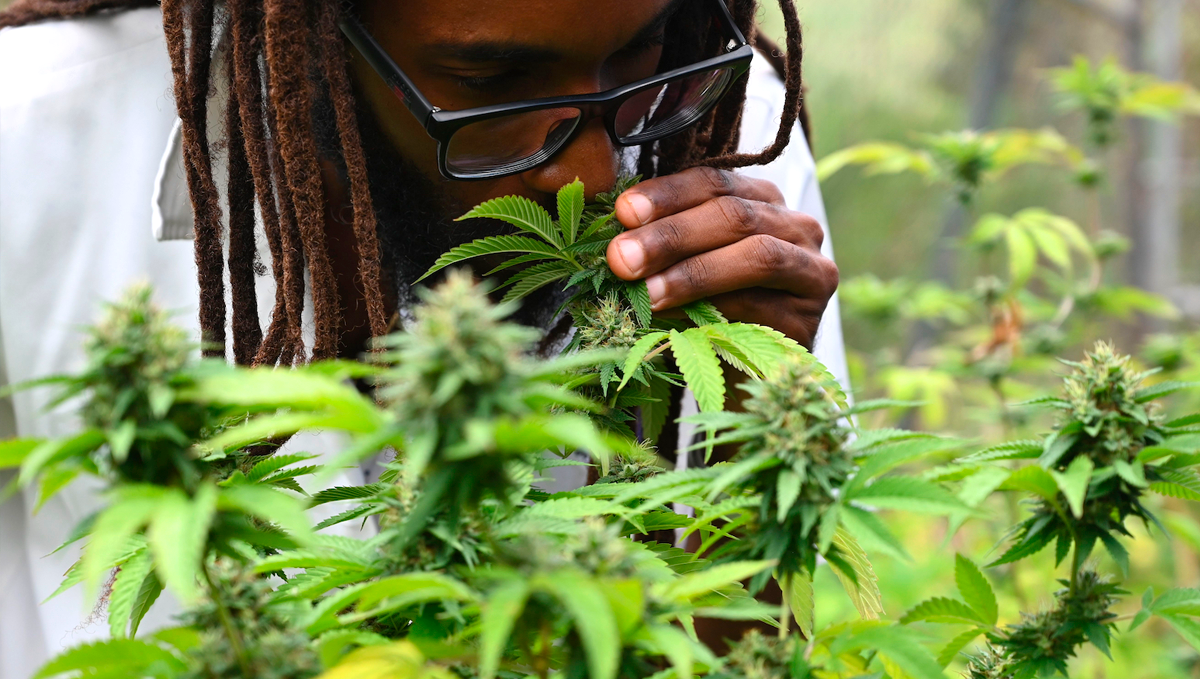
Indeed, in a country once polarised by the plants issue, attitudes towards the plant are now broadly tolerant and progressive, suggesting that full legalization could occur in the not-too-distant future. Additionally, the introduction of medical plants and the permitting of home cultivation would seem to be broad indtors of the likely future legalization of recreational plants in Jamaica.
While previously being somewhat intolerant of its image as a canna-friendly island, Jamaican plants laws have evolved significantly to a level that could even be considered progressive, certainly by global stands.
Helpful Hints
Often perceived as the home of plants, consumption is not as typical as you might imagine, with the nation ranking well below other heavy hitters like the US and France for the percentage of regular users. Indeed, as the table below demonstrates, Jamaica doesn´t even make it into the top 10, with a comparatively low 7.2% of the country consuming regularly.
|
Office of Drugs and Crime’s List of the Top 10 Countries in the World for Plants use. |
|
|---|---|
| Country | Percentage of population that consumers plants regularly |
| Iceland | 18.3% |
| United State | 16.3% |
| Nigeria | 14.3% |
| Canada | 12.7% |
| Chile | 11.83% |
| France | 11.1% |
| New Zealand | 11% |
| Bermuda | 10.9% |
| Australia | 10.2% |
| Zambia | 9.5% |
If you are traveling to Jamaica (or currently live there), it’s something of a local secret that plants is broadly available and known locally as a ‘fifty bag’ (about EUR 0.33 per gram) at any local bar or shop or even on the beach. To date, Jamaica has just a few dispensaries located at popular tourist spots on the Island, including
- Montego Bay
- Negrils
- Ocho Rios
- Kingston.
The only way to buy plants legally is through the licensed medicinal dispensaries found at these locations.

Smoking in public is also prohibited; however, it is possible to consume at your hotel in designated areas. Other options include plants tours in some of the Island’s most spectacular nature havens. Yes, really. Jamaica has not yet fully legalized plants to the levels of countries like Canada, the US, and Uruguay. Yet, we feel confident that anyone planning on visiting the Island should find themselves experiencing some of the world’s finest herbs in some of the land´s most breathtaking locations.
Don´t forget to check out the Fastbuds blog, where we delve into all the plants rules and regulations from other nations across the globe.
Comments