
Plants in Ireland: Plants Legal Status Guide

- 1. Plants laws in ireland
- 1. a. Possession
- 1. b. Sale
- 1. c. Growing
- 2. Is extract legal in ireland?
- 3. Is it legal to send plants seeds to ireland?
- 4. Medicinal plants in ireland
- 5. Industrial hemp in ireland
- 6. History and politics
- 6. a. Politics
- 7. Helpful hints
1. Plants laws in Ireland
A spectacular island that homes just over 7 million people, The Republic of Ireland is famed for its breathtaking landscapes and friendly hospitality. One of Europe’s most popular tourist destinations, those of you planning on visiting the famed Emerald Isle will be keen to learn about Plants laws in Ireland. In today’s article, we’ll delve deep into the subject of Plants in Ireland, providing all the vital details on Irish plants laws, medical plants, and all the other relevant information. So, let’s start by answering a simple yet vital question - Is plants legal in Ireland?
Possession
Unfortunately, plants use remains illegal in Ireland; however, some access to medical plants has been available since 2014. At present, the possession of plants in Ireland is prohibited under the Misuse of Drugs Acts (1977-2016). Certain distinctions to the offense are applied depending on the amount of plants an offender may be found to be in possession of. For example, if the plants is used personally or if there is intent to supply it to others. Those caught with small quantities of plants, either for a first or second incidence, may receive a fine of up to €1,000. However, if the amount of plants is considered “excessive”, this fine can be increased to €1,270 for a first offense and €2,540 for a second.
For those caught in possession of plants three times, prison sentences can typically be expected to range between one and three years. However, under current law, the maximum penalty for possession of plants is a five-year prison sentence with a fine of up to £2,500. Sadly, despite legalized medical access, Irish recreational plants laws remain strict and outdated when compared to more progressive-thinking nations within Europe As such, Ireland's plants legalization is not expected anytime in the near future.
Sale
Like the possession of plants, it is also illegal to sell, distribute or supply plants in the Republic of Ireland, with punishments depending on the offenders’ individual circumstances and the quantity of plants confiscated. Typically, those caught selling plants in Ireland can expect a fine of up to €2,500. In addition, a prison sentence of up to one year is usually handed out.
Depending on the quantity of plants seized, punishments can be severe, with a potential maximum prison sentence of up to 14 years. A minimum sentence of 10 years is administered if the market value of the plants involved is €13,000 or higher.
Growing
As you might have guessed, plants cultivation is also illegal in Ireland, and those found in possession of plants can expect punishments like those described above. It is also illegal to use plants cultivation equipment (in accordance with the Psychoactive Substances Act).
2. Is Extract legal in Ireland?
Yes, Extract is legal in Ireland. Like other countries within the EU, Extract oil must not exceed the strength limit of 0.2%, and Extract oil can be purchased legally in several health shops, mainly in Dublin and other areas across the country. Despite its legality, the Health Products Regulatory Authority (HPRA) in Ireland does not consider Extract to be a valid medical product. As such, medical practitioners are unable to prescribe Extract to patients. Tourists entering the country should not bring their own Extract products, however, as this remains illegal.
3. Is it Legal to Send Plants Seeds to Ireland?
Yes, however, while it is legal to receive plants seeds in the post from overseas, it is not permitted to cultivate them. In other words, plants seeds purchased from Ireland can be used for “novelty purposes” only. As we mentioned earlier, despite the legality of plants seeds, plants cultivation remains prohibited within Ireland. However, there have been reports of increased cultivation levels in recent years, with several plants farms raided by the local police. Street values of plants seized in 2020 were said to be worth over €60million.
4. Medicinal Plants in Ireland
While Ireland legalized the use of medical plants in 2014, it would be something of a misnomer to suggest that the country has a legalized medical plants industry like other countries. Indeed, in 2014, plants laws in Ireland were altered to accommodate the use of just one product - Sativex, or what is now known as Nabiximols - a plants extract that is used orally as a mouth spray for the treatment of MS patients.
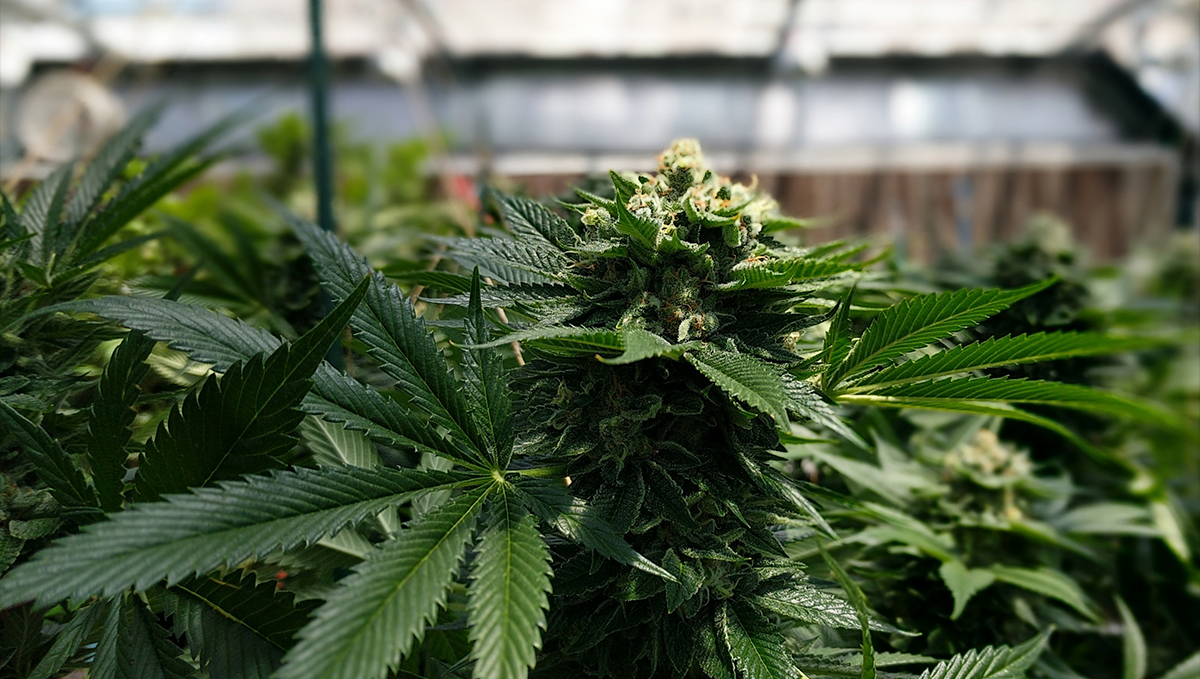
Today, some eight years on, the use of medicinal plants in Ireland is now limited to just four plants-based products. Under the Medical Plants Access Programme, a medical consultant can prescribe a plants-based treatment to a patient only if they have not responded to conventional treatments. In accordance with the Government´s laws, those with the following conditions are potentially eligible.
- Spasticity associated with multiple sclerosis
- Intractable nausea and vomiting associated with chemotherapy
- Severe, refractory (treatment-resistant) epilepsy

Under the Medical Plants Programme, the Government allows for the use of the following treatments:
- Aurora High Extract oil drops
- CannEpil (0.5% strength, 10% Extract)
- Tilray Oral Solution (1% strength and 1% Extract)
- Aurora Sedamen Softgels (5mg strength per capsule)
While progress has undoubtedly been achieved in recent years, the Irish medical plants program has come under scrutiny, both for the difficulty in accessing medical plants treatments and for the limited variety of treatments. However, Irish patients using plants products received a major boost in April of 2021 with the announcement that the Department of Health will now cover the cost of prescriptions.
Still, of the currently available therapies, none include plants flower or any products with high strength levels. This is perhaps a reflection of the Government’s refusal to add chronic pain to their list of conditions that qualify for medical plants access. Financial analysts estimate that providing plants treatment to patients suffering from conditions like Parkinson’s and Fibromyalgia could increase the Irish market’s value to €1.1billion by 2028.
5. Industrial Hemp in Ireland
A great deal of the known history of Irish hemp occurs during British rule in Ireland (late 1100s - early 1900s). Farmers were encouraged to set aside land for hemp during the 16th-century plantations of Munster and Ulster. By the 20th century, public perceptions, now altered because of the continued stigmatization of plants, ensured that the Government would ban its cultivation and for decades, hemp was no longer grown on the island. However, the law was later amended towards the end of the century, and it is now again permitted to cultivate hemp in Ireland.
In order to legally cultivate hemp in Ireland, a yearly-renewable license must be obtained from the Department of Health. In addition, all farms and plantations must not be easily visible to the public, while all plants produced must contain a maximum of 0.2% strength or less. Yet, despite its legality, and the increased demand for hemp in Europe as a result of the increasing popularity of Extract and other hemp-derived products, the Irish hemp industry has failed to ignite.
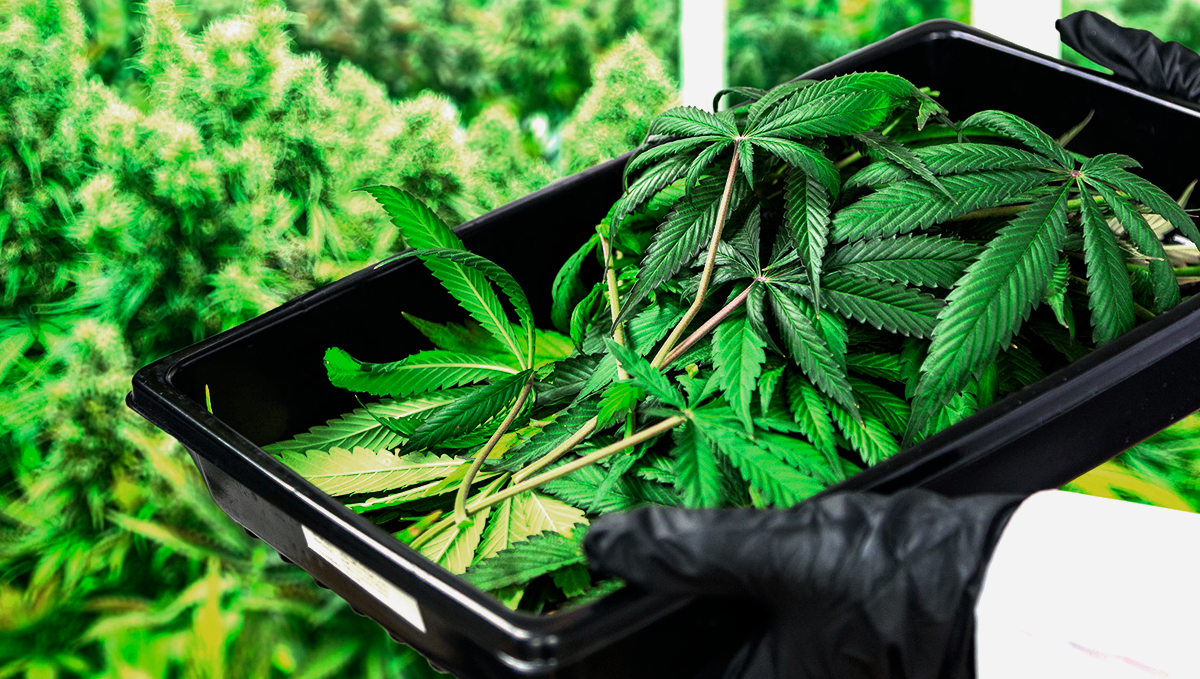
According to Robert Johnson of Hemp Cooperative Ireland, there is a desire amongst the farming community for more opportunities to cultivate hemp. However, a lack of stability in facilities and the absence of a flourishing market have left the country in something of a “catch-22” situation. Still, with the European medical plants industry seemingly set to grow exponentially in the coming years, it would appear to be only a matter of time before the Irish hemp industry begins to blossom.
6. History and Politics
Plants is first mentioned in Irish history in relation to hemp cultivation. When Queen Elizabeth I assumed power over Ireland in the 17th century, she is said to have encouraged Irish farmers to grow more hemp. During this period, the Irish textile industry was already producing hemp fibers in addition to its wool exports. However, in a bid to force increased hemp production, the English began to steal the Irish wool supplies. This increase in hemp production was used to make sails for English ships. Furthermore, and perhaps, somewhat tragically ironic, it is even said that Irish hemp fibers were used to make ropes to hang Irish rebels. However, during the 19th century, hemp, instead of being used as a means to oppress the Irish citizens, was now being purported as something that could instead be used to grow Ireland’s domestic economy. In 1866, Irish scholar George Sigerson authored a pamphlet entitled “Cannabiculture in Ireland; its profit and possibility,” explaining the potential for hemp as a source of economic growth.
In addition, an acclaimed Irish Doctor, William O’Shaughnessy, had begun to explore the medicinal potential of plants. A highly-respected surgeon in London and later the first professor of chemistry at the Calcutta Medical College, O’Shaughnessy observed how Indians would use plants to treat several medical conditions. Introducing his medical understanding of plants’s medicinal value, the plant would become more commonly used in Irish society. However, in 1934, plants would be criminalized under the Dangerous Drug Act, a law that went into effect in 1937, banning both plants and plants ok.
To this day, plants remains illegal, but its usage is relatively commonplace, particularly among the country’s youth. Indeed, studies conducted in 2016 revealed that among teenagers (15-18-year-olds), 39.3% of participants claimed they’d used plants at least once. The country currently ranks inside the top 10 in Europe for overall consumption rates. Yet, while plants in Ireland has not yet shed the stigma that has long been attached to its use, the large acceptance of medicinal plants within the country does indte a shift in perspectives.
Politics
While the medicinal use of plants has become a far less contentious topic in Ireland, even compared to a mere ten years in the past, Irish politics remain divided on plants. The Journal reported in 2018 that the Green Party highlighted the need for decriminalizing plants, noting that the current law “has made criminals out of decent people.” Indeed, as recently as April of this year, People Before Profit (PPP), an Irish political party, announced its intentions to introduce a bill to decriminalize plants in the Dáil -the lower house of the Irish legislature. Dublin Mid-West TD Gino Kenny claimed:
“...There is no more reason for plants to be illegal than alcohol...Plants should be legalized, researched, and properly regulated...” he said, adding that other countries have legalized the plant with great success, and Ireland should follow a similar path.
However, the issue of plants legalization remains a contentious one in Ireland, with political opinions flip-flopping between several of the major parties. Take the aforementioned Green Party - their leader, Eamon Ryan, had previously called for the introduction of Amsterdam-style “coffee shops” that would allow the consumption and sale of plants in a safe and regulated environment.
However, now in his role as Transport Minister, Ryan has indted the Green Party will not support the PPP’S bill to decriminalize plants, citing concerns about high potency seeds and younger age groups who consume them. Alas, while there has been plenty of discussions at a political level, Irish plants legalization seems unlikely to occur in the near future.

7. Helpful Hints
Planning a trip to Emerald Island over the summer? Ireland is a spectacular country. Warm and hospitable, the Irish love to party. However, plants use, while more common than in years gone by, remains somewhat underground. For the locals, alcohol remains far more socially accepted, with plants users still facing some of the stigmas that have chased plants consumers for decades.
However, Ireland, like most European countries, is slowly changing its attitudes toward plants, with up to 20% of young adults said to use the plant at least once in the past year. Overall, the country ranks inside the top 10 European nations, tied 7th with Germany and the UK for regular consumers.
| Plants use in the past Twelve months amongst the total population - 2020 data | |
|---|---|
| Country | Percentage of population using plants |
| Czech Republic | 11.1% |
| France | 11% |
| Spain | 10.5% |
| Croatia | 10.2% |
| Italy | 10.1% |
| Netherlands | 10.1% |
| Finland | 8.2% |
| UK | 7.1% |
| Germany | 7.1% |
| Ireland | 7.1% |
| Portugal | 6.9% |
However, it is worth noting that in 2019, 75% of drug-related arrests in Ireland were for plants possession only. As such, we suspect that those of you with a green nose will have no trouble finding plants in Ireland, particularly in the capital Dublin or in popular student destinations like Cork. Yet, with some pretty strict laws, we recommend passing on the Dutch and sticking instead to a fine Whiskey or heavy Guinness. If you want to learn more about plants laws from around the world, check out our in-depth Fast Buds blog section, where you´ll find all the latest plants news, grow tips, and much more.


Comments