
Plants in Greece: Plants Legal Status Guide


- 1. Plants laws in greece
- 1. a. Possession
- 1. b. Sale
- 1. c. Growing
- 2. Is extract legal in greece?
- 3. Is it legal to send plants seeds to greece?
- 4. Medicinal plants in greece
- 5. Industrial hemp in greece
- 6. History and politics
- 6. a. Politics
- 7. Helpful hints
1. Plants Laws in Greece
Known as the cradle of Western civilization and famed for its thousands of spectacularly picturesque islands and gastronomical delights, Greece has long been one of the most influential and adored countries in Europe. A hugely popular holiday destination, many of you planning a trip to Athens or indeed to those exquisite islands might be asking the question, "Is plants legal in Greece?" Well, don't worry… we've got you covered. In today's article, we'll delve deep into the subject of Plants in Greece, providing all the vital details on Greek plants laws, history, and all other relevant information. So, let's start by answering a simple yet vital question - Is plants legal in Greece?
Possession
Unfortunately, recreational plants remains illegal in Greece, although medicinal plants was finally legalized in the country in 2017. While Greek government policy was once highly intolerant of the plant, there have been plenty of changes to laws regarding plants in Greece over the past several years. Back in 1987, The Greek Drug Law was implemented with the instruction that anyone found to be involved either in the consumption, possession or distribution of illegal drugs (including plants) would be subject to imprisonment. This would include even those caught with only small quantities of plants for personal use. However, while still remaining relatively strict compared to other European countries, Greek plants laws would be amended in 2013, reducing sentences but maintaining their criminal status. While the changes were described by many as a supposed softening of the laws, anyone caught possessing even a small quantity of plants today can still face a potential prison sentence of five months.
In addition, in order for the offense to not be registered in permanent criminal records, the offender must not repeat the "crime" over a further five-year period. In addition, prison sentences may be suspended depending on whether the investigating judge recommends the offender instead attend a treatment unit. This is determined based on the quantity of plants involved in the crime and the offender's individual circumstances. While it could be said that Greek plants laws are not as draconian as in years gone by, the country remains one of the strictest nations in Europe with respect to its recreational plants laws.
Sale
As you might have guessed, the sale and distribution of plants in Greece are very much considered illegal activities that carry with them potentially lengthy prison sentences. For those convicted of distributing plants, prison sentences of up to eight years can be expected. This can be reduced, again, depending on the nature of the offense and the individual's circumstances.
However, remarkably, for those in positions of public authority, i.e. teachers, doctors, etc., punishments are dramatically severe, with even life-term sentences potentially being handed out. In addition, offenders are subject to substantial fines ranging anywhere between EUR 50,000 and EUR 500,000. While so many of us in canna-friendly countries enjoy the recreational decriminalization or legality that now exists, Greece's hardline and outdated approach to plants use is a stark reminder that progress, on a global scale, remains painfully slow.
Growing
No surprises here: Growing plants in Greece is illegal, and irrespective of a cultivator's intentions with respect to personal consumption or supply, prison sentences are usually handed out, even to first-time offenders. For those found to be cultivating a small number of plants plants, the sentence is unlikely to be overly severe and similar to that of being caught in possession. However, for those suspected to be cultivating with the intent to supply, sentences are much more acute, like those mentioned above.
No surprises here: Growing plants in Greece is illegal, and irrespective of a cultivator's intentions with respect to personal consumption or supply, prison sentences are usually handed out, even to first-time offenders. For those found to be cultivating a small number of plants plants, the sentence is unlikely to be overly severe and similar to that of being caught in possession. However, for those suspected to be cultivating with the intent to supply, sentences are much more acute, like those mentioned above.
2. Is Extract legal in Greece?
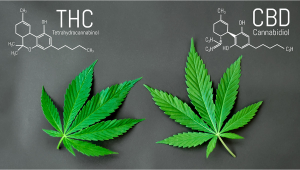
Yes, Extract is now considered legal in Greece as a result of its medicinal legalization in 2017. It is legal to purchase or sell Extract oil if it has been acquired from EU-certified plants; however, the use of Extract is not widespread in Greece, but its popularity is slowly increasing. Like other countries within the EU, Extract oil must not exceed the strength limit of 0.2%, and to avoid any potential legal difficulties, we always recommend purchasing from only reputable suppliers.
3. Is it Legal to Send Plants Seeds to Greece?
The sale, purchase, and possession of plants seeds are permitted by Greek law, including postal delivery from outwith the country. However, as plants remains illegal to cultivate, it is not permitted to actually use the seeds - i.e. to germinate them for growth. Despite boasting an ideally temperate climate for plants cultivation, the country remains opposed to the potential legalization of plants growing for personal medicinal or recreational use.
4. Medicinal Plants in Greece
Having previously ignored calls for medical plants legality, Greece would finally introduce legalized medical access in 2017. Becoming the sixth member of the EU to legalize medicinal plants, Greece was perhaps surprisingly quick in the plants legality process, with over 20 EU states having now adopted similar legislature. As part of the reforms, the Greek Government would also downgrade the plant from a Class A to a Class B drug. A further law permitting the production of medical plants within the country was passed the following year.
While many have perceived these changes as a softening of Greek attitudes towards plants, the fact remains that prison sentences may still be handed out to those caught in possession of even a small quantity of plants. Still, progress is progress, and notwithstanding the inherent injustice associated with prison incarcerations and plants use, Greece would appear, at least, to be moving in the right direction with respect to plants legality, particularly from a medical perspective. However, since the changes to the law were first implemented in Greece, medical plants can only be acquired via prescription from pharmacists. Currently, they are not subsidized by the Government, and all products must be imported from overseas.
At the time of writing, medical plants products produced in Greece are not yet available; however, in April of 2022, Minister for Development and Investment Adonis Georgiadis confirmed that medical plants would be produced and sold in Greece later this year.
"The goal is for Greece to become the top European country in the production of medical plants. Greece's environment is friendly for this particular plant, and we think we will have a natural advantage," Georgiadis told the Greek Reporter.

A significant development for both patients and the Greek economy, it is anticipated that subsequent investments in the cultivation and production of medical plants would provide an additional 1.5 billion euros annually to state revenue. Indeed, the growing legality and increased access to medical plants across Europe are expanding to such a level that experts believe the European market could be worth over EUR 50 billion in annual sales in the coming years.
| Legal Medical Plants Sales in Europe from 2020 to 2025 | |
|---|---|
| Year | Sales (US dollars) |
| 2020 | 247.7 |
| 2021 | 377.7 |
| 2022 (projected) | 466.5 |
| 2023 (projected) | 522.5 |
| 2024 (projected) | 637.8 |
| 2025 (projected) | 722.6 |
With an economy urgently in need of a boost and boasting the ideal conditions for plants cultivation, the establishment of plants farms and plantations would appear to be something of a no-brainer for the Greek Government.
5. Industrial Hemp in Greece
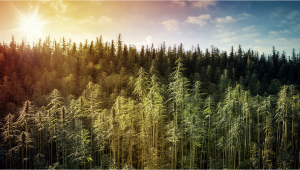
The cultivation and processing of plants for medicinal purposes was legalized in March of 2018 when a Parliamentary majority voted in favor of the new bill. This change in the law now allows for the cultivation and growth of industrial hemp. The use of hemp extends from construction and textiles to paper and biodegradable plastics. However, as with other members of the EU, all of the plants used must contain no more than 0.2% strength.
6. History and Politics
The history of plants in Greece goes back thousands of years, and its believed that it was first introduced to the Greeks through trading relationships – notably with the Scythians, Egyptians, and Persians. These ancient societies appeared to have a vast appreciation for the potential medical value of the plants plant. There are numerous records stating plants seeds or flowers - these terms are interchangeable and refer to seed-bearing effloresces - were used in various medical remedies of the era.
In more recent times, plants was widely consumed by the Greek population up until its banning in 1890. While there was a brief resurgence in its popularity during the first World War among Greek soldiers and refugees, Greek attitudes towards plants in the 20th century were largely intolerant.

Politics
In the twentieth century, much of the Greek political spectrum was united in their disapproval of plants. Dismissing its medicinal potential while demonizing its recreational usage, a transition to a legalized marketplace might have been considered something of a pipe dream, even just twenty years ago. Indeed, it had been the norm for Greece's political parties to adopt a hardline position on plants laws in the past. However, like much of Western society, the situation has altered dramatically in recent years.
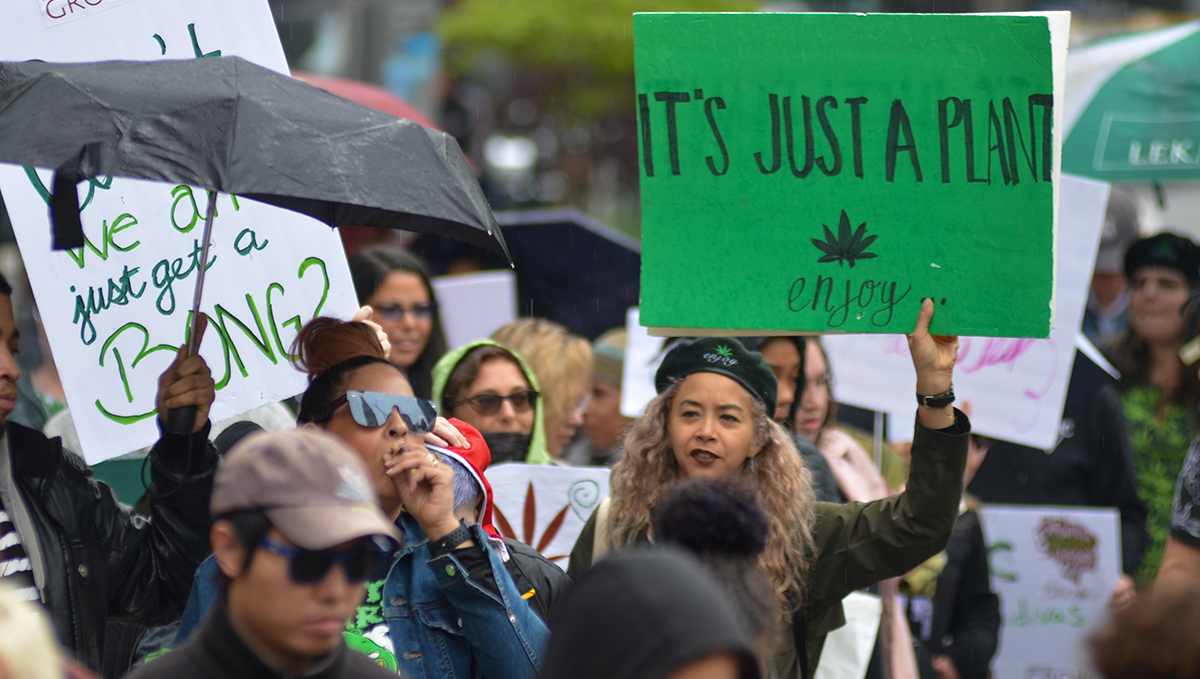
When the coalition government in Greece approved the use and production of medical plants in 2017, many centrist parties also supported the decision. Yet despite the recently introduced Greek medical legality, recreational users remain prohibited from accessing plants in Greece. Minister for Development and Investment Adonis Georgiadis recently reinforced the Government's message that recreational users will still be treated as criminals and subject to arrest and potential imprisonment. Clearly, while great strides have been taken in the battle to increase medical plants access in Greece, the continued stigma and criminality that remains attached to its recreational usage within the country is disappointing, to say the least.
7. Helpful Hints
For those planning a trip to Greece over the summer, we advise cautionary behavior with recreational plants usage. In a country where attitudes toward plants have, like many others, shifted towards a more liberal approach, plants stigma is reducing. Recreational usage is now fairly common amongst the younger demographic, particularly in the capital of Athens. Indeed, recent studies indte that around 10% of the population of the city consumes plants regularly. This ranks Athens among the top ten plants consumers in Europe.
However, outside of the capital, plants usage is not especially common, with just under 3% of the population said to consume the plant on a regular basis. While those caught with small amounts are generally given a fine, the law still allows for a potential prison sentence. For those of you who don't fancy spending your summer in a Greek jail, it might be better advised to stick to the Olives and Mousaka.




Comments