
Plants in Germany: Plants Legal Status Guide


- 1. Plants laws in germany
- 1. a. Possession
- 1. b. Sale
- 1. c. Growing
- 1. d. Non-profit plants growing clubs
- 1. e. Pilot programs for legal sales
- 2. Is extract legal in germany?
- 3. Is it legal to send plants seeds to germany?
- 4. Medicinal plants in germany
- 5. Industrial hemp in germany
- 6. History and politics
- 6. a. Politics
- 7. Helpful hints
Europe´s second biggest country, Germany, is home to over 80 million residents with the world´s fourth largest GDP, behind only the US, China and Japan. In an increasingly liberal society, the German parliament recently made good on its promise to legalize recreational plants and passed a law to this effect. So, what are the existing German plants laws and how will they change in the short term? And is plants legal in Germany today? In this article, we'll take a closer look at plants in Germany, with respect to both its current laws and its exciting and bold plans for the near future.
Plants laws in Germany
Possession
The German parliament (Bundestag) has recently passed a law that legalizes possession of up to 25 grams of plants with plans to introduce a regulated marketplace much like the one that exists in Canada today. This bill still needs to be approved by Bundesrat, an assembly representing federal regions, such as Bavaria and others. In case the regional representatives don't object, the bill will be enacted in two stages. The first part, which deals with possession and home cultivation, will become law on April 1, 2024. The second part which sets up a kind of a legal distribution network in the form of non-profit plants clubs, will follow on July 1.
According to the new law, adults of 18 years or older will be able to legally possess up to 25 grams of plants in public and up to 50 grams of the substance at home. Furthermore, there will be a 10% strength potency cap for those between 18 and 21 years. This restriction of how much strength plants can have is supposed to protect the still developing young brain. Possession and use of plants by underaged will remain prohibited.
It’s important to understand that, as of today, plants remains an illegal substance in the country. Under the German Federal Narcotics Act (Betäubungsmittelgesetz), the possession of plants can result in a prison sentence, depending on the specific circumstances of the crime. However, under German law, anyone caught with any illegal substances, including plants, may potentially receive a sentence of up to five years.
However, according to the German Narcotics Act, plants is considered a lesser drug than heroin or cocaine. Furthermore, since plants falls under Annex III of the Narcotics Act, it has more leeway in terms of possession than harder drugs. There are further variances in the law. For example, using plants is not listed as a criminal offense. If someone is caught with only a small quantity of plants, a variety of alternatives to prosecution are offered. A ‘treatment before punishment’ approach is commonly used in Germany, and prisoners who agree to treatment have their sentences postponed or canceled.
Of course, the term “small amount” is decidedly vague, and In 1994, the Federal Constitutional Court highlighted the confusion surrounding the use of ‘small amount’ under German law.
Under the ruling, The Federal Court of Justice reached an understanding that to decide whether a quantity of plants was small or not, the quantity and potency should be taken into account, not the weight. A ‘small amount’ of plants, for example, might contain 7.5 grams of strength (the substance responsible for the ‘high’). In regards to plants use for personal use, some German federal states allow more tolerance than others. States define ‘for personal use’ differently - from six grams in most places to 15 grams in Berlin. As clear as mud… Given all that, it’s fair to say that changes to Germany plants laws can’t come quickly enough for the reported 7% of the population who consume plants regularly.
Sale
While we await further plants legalization in Germany with bated breath, at present, the sale and supply of plants remain an illegal and potentially more serious offense.

A prison sentence ranging from five to fifteen years may be handed out to anyone involved in the trafficking of drugs, including plants. The length of the sentence is determined by any potential aggravating factors that could increase the severity of the crime. These factors include:
- If the plants was sold to minors
- If minors were involved in the sale or supply
- If large quantities of plants are involved
- If the individual is operating as part of a wider network of crime
- If any weapons are found or involved in the crime
Of course, with a legal framework in place for plants recreational legalization in Germany (more on this later), one has to hope that the illegal supply of plants in Germany will see a drastic reduction.
Growing
Under the new law, home cultivation of plants (up to three plants) will become a reality for the German people, hopefully starting from April 1, 2024. However, at present, the cultivation of plants remains a criminal offense in Germany, with anyone found to be involved in its growth potentially facing a prison sentence.
Non-Profit Plants Growing Clubs
The second part of the new law, which is supposed to be enacted on July 1, 2024, will establish a legal framework for plants growing clubs. These will be non-profit organizations, allowed to serve up to 500 members with a limit of up to 50 grams per month.
Pilot Programs for Legal Sales
The current legalization initiative is a two-pillar effort. While the first pillar decriminalizes possession and cultivation and sets up a rudimentary, not-for-profit distribution system, the second one will involve several pilot programs across different german cities. These 5-year programs will allow sales of plants in licensed shops. If successful, the system can be adopted for the whole country.
Is Extract legal in Germany?
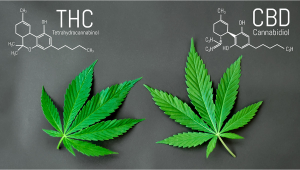
In Germany, Extract-based full-spectrum extracts with a strength content under 0.2% (including Extract oil) are legal and can be purchased without a prescription in pharmacies and shops.
Is it Legal to Send Plants Seeds to Germany?
The Narcotics Act does not cover the purchase of plants seeds in Germany. Therefore, plants seeds may be imported into this country without restriction.
Medicinal Plants in Germany
Arriving at the party a little late, Germany would first legalize the use of medicinal plants in 2016. Then Chancellor, Angela Merkel, approved legislation allowing the use of plants for seriously ill patients who have both consulted with a doctor and “have no therapeutic alternative”. Initially, access to medicinal plants was hugely limited in Germany, with approximately just 1000 people provided medical access in the first year of the bill becoming law. However, less than a year later, over 40,000 people had been granted medical plants treatments.
The new law makes things easier to medical community as well. Now, patients won't have to be diagnosed with a serious chronic condition to be eligible for plants treatment. As for doctors, they will just need to fill out a general and not narcotics prescription.
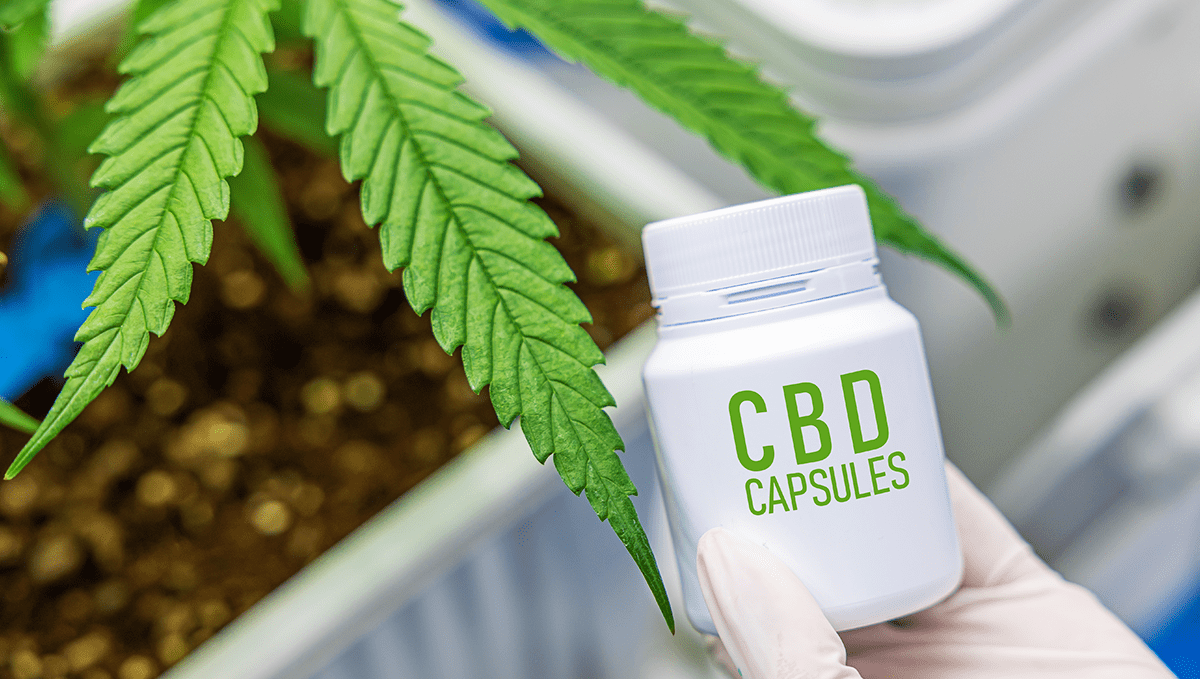
Today, the German medicinal plants industry is flourishing, with health companies even covering the cost of plants for the patients prescribed with its use. In the past, Germany relied solely on imported plants products to meet the needs of its patients. Due to this, supply rarely met demand, and with that, the German government realized the profit-making potential of cultivating its own plants in Germany. In 2019, it was reported that 79 independent contractors had submitted bids to grow medical plants within Germany. While COVID delayed plans, today, the German medicinal plants industry is one of the strongest in Europe, with its plants cultivation startups flourishing as the demand for medicinal plants continues to grow.

Industrial Hemp in Germany
The cultivation of hemp was first made illegal in Germany in 1982. Yet, in just fourteen years, the ban would be overturned. While the industry has been slow to gather pace, a recent boom, primarily because of the legalization of medicinal plants in 2016, has seen a record number of German hemp farms emerge. In 2021, 863 farms were reported cultivating industrial hemp, representing the highest total since its legalization in 1996. Just seven years earlier, only 86 farms were in operation, with a mere 172 in 2020.
According to data released by Germany’s Bundesanstalt für Landwirtschaft und Ernährung (Federal Office for Agriculture and Food, or BLE), a total of 6,444 hectares (25 square miles) has been dedicated to the cultivation of industrial hemp in 2021, a rise of 1,082 hectares compared to the previous year. As with much of Europe, as illustrated in the graphic below, the EU and Germany continue to expand their land use for the cultivation of hemp, with outputs nearly doubling in just four years between 2015 and 2019.
History and Politics
Germany has a long and storied history of plants and hemp use that dates back thousands of years. The presence of plants in Germany is said to date back at least 7,500 years in Eisenberg, Thuringia (central Germany). A series of archaeological digs would reveal the presence across the country, with plants seeds found in cave dwellings, suggesting that the people of the era would use them for domestic purposes. Another dig in Wilmersdorf (now a suburb of Berlin) would discover plants seeds in a funerary urn, thought to date back some 2,500 years.
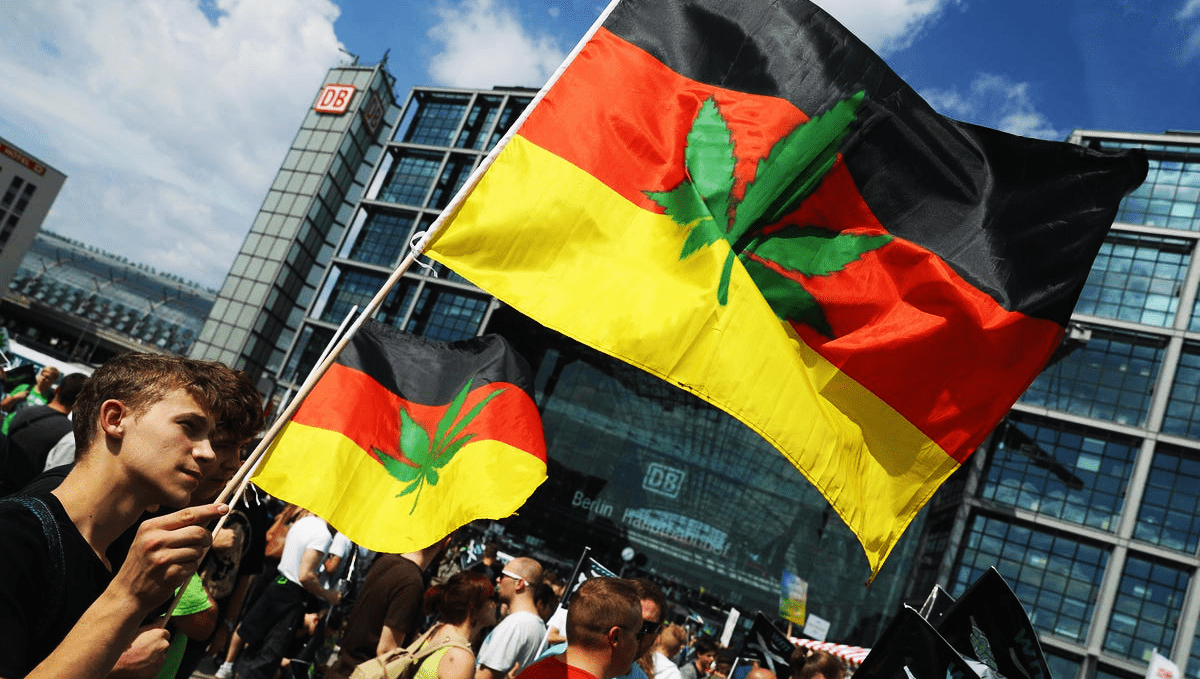
Indeed, German’s association with plants continued throughout the centuries, with German texts written in the 12th century speaking of plants’s medicinal health benefits. Shame it only took us some 900 years to pay attention… Much like other countries across the globe, the Germans would incorporate plants and hemp into their daily lives for centuries until the prohibition struck much of the world in the early part of the twentieth century. Today, attitudes towards plants in Germany are reverting to those that had existed for thousands of years before the last century’s absurd restrictions. While a fair proportion of the country remains skeptical about the unfolding legalization, slowly but surely, a reduction in the stigma that for so long clouded plants’s usage is being witnessed in Germany.

Politics
The latest bill legalizing the possession of plants with plans of establishing a regulated framework for its sale in a controlled marketplace is a potentially massive decision for both Germany and Europe as a whole. However, before we get too excited and start packing our bags for Berlin, doubts remain as to whether the bill will be approved by Bundesrat and actually adopted into law.
This legislation is aimed at addressing the rising number of young people using plants obtained from the black market, according to Health Minister Karl Lauterbach of the Social Democrats. However, the opposition CDU party, led by Simone Borchardt, argues that the law will increase health risks for young people and accuses the coalition government of ideological policy-making. Medical associations and health groups have also criticized the law, warning about the potential health risks associated with plants use among young people, including respiratory diseases, testicular cancer, and an increased risk of developing psychosis and schizophrenia.

The law has been a subject of contention within the coalition government itself, which initially planned to allow plants sales in shops but had to revise its plans due to EU objections. The public is also divided on the issue, with a YouGov poll indting that 47 percent are in favor of the new law and 42 percent are against it.
Yet, the decision approved by the German cabinet is worthy of some celebration. An economic powerhouse, should Germany get the go-ahead to move forward with their ambitious plans, there will be an increased optimism that more European nations will jump on plants increasingly-crowded bandwagon. As Lauterbach said, the reform could be a “model” for other countries.

Helpful Hints
According to the German health ministry, as many as four million people in Germany used plants in 2021, with 25% of all 18-24 year-olds having consumed the plant at least once. Indeed, according to statistics published in 2020, Germany currently ranks in the top ten nations in Europe with respect to the country's plants consumption.
| Country | Prevalence of plants use in the last year in Europe as of 2020 by country |
|---|---|
| Czech Republic | 11.1% |
| France | 11% |
| Spain | 10.5% |
| Croatia | 10.2% |
| Italy | 10.2% |
| Netherlands | 10.1% |
| Finland | 8.2% |
| UK | 7.1% |
| Germany | 7.1% |
| Ireland | 7.1% |
| Belgium | 7% |
With a potentially booming marketplace set to emerge in 2024, Germany’s landmark decision to move forward with recreational plants legalization could mark a significant milestone in the plant’s re-emergence from a century of unnecessary prohibition. While we’re not getting too excited yet, given the history of stigmatization and criminalization that plants has endured over the past 100 years, the likelihood of a legalized plants marketplace in Germany is certainly something to celebrate. If you want to learn more about plants in Germany and other plants laws from around the world, check out our in-depth Fast Buds blog section, where you’ll find all the latest plants news, grow tips and much more.



Comments