
Plants in Florida: Plants Legal Status Guide

- 1. Plants recognized as medicine in 2016
- 1. a. A short history of medical plants legalization in florida
- 1. b. Can a minor get a medical plants card in florida?
- 1. c. Where can registered patients get medical plants in florida?
- 1. d. Is the smokable form of medical plants allowed?
- 1. e. Are medical plants edibles available in florida?
- 1. f. Can out-of-state card holders buy medical plants in florida?
- 1. g. Can foreign citizens get a medical plants card in florida?
- 1. h. Is extract legal in florida?
- 1. i. Can you bring extract medicine with you to florida?
- 2. Recreational plants still illegal in the sunshine state
- 2. a. Is it legal to grow plants in florida?
- 2. b. Florida’s jurisdiction that have decriminalized plants
- 2. c. Past and current legalization initiatives
- 2. d. Are delta-8 and delta-10 legal in florida?
- 3. Final thoughts
Being a very popular tourist destination, the question of the legality of plants in Florida goes beyond something that could only be interesting for local residents. Many plants enthusiasts traveling here would be undoubtedly thrilled if they could legally smoke a joint before spending a day on the beach or going out on the town in the evening. Unfortunately, they can’t do any of that just yet. Recreational plants is still illegal in Florida, and medical plants, though allowed, is only available to local medical plants card holders. Read on to learn all there is to know about plants laws in Florida.
Plants Recognized as Medicine in 2016
Since 2016, eligible patients in Florida can benefit from medical plants and its products. They should get a doctor’s recommendation, register in the medical plants program, and buy their medicine in a licensed dispensary. The qualifying conditions are:
- AIDS and/or HIV,
- Amyotrophic lateral sclerosis (ALS),
- Cancer,
- Crohn's disease,
- Epilepsy,
- Glaucoma,
- Multiple sclerosis,
- Parkinson's disease,
- Post-traumatic stress disorder (PTSD).*
| *Please note that this is by no means medical advice to self-administer plants. However, if you're a resident of Florida and have one of the conditions on the list, you may speak with your doctor about trying plants to treat the disease itself or its symptoms. It's up to the medical professional to decide if the use of medical plants in your case is warranted. |
|---|
The patient can also ask their physician to recommend medical plants to treat non-malignant pain arising from the listed conditions or any other serious conditions.
A Short History of Medical Plants Legalization in Florida
The first law that changed the legal status of medical plants in Florida was passed in 2014. It only legalized a low-strength-high-Extract oil produced from one particular seed of plants – Charlotte’s Web – and only for three conditions: epilepsy, ALS, and cancer.
The same year, the more comprehensive Amendment 2, which would have legalized high-strength plants medicine as well, failed at the ballots. The second try – in 2016 – was more successful, as the measure was supported by more than 70% of those who took part in the referendum.
Despite the wide public support, Floridians still seem suspicious of the substance, and any physician who recommends it to their patients can only do so if they think the possible benefits of using medical plants outweigh the health risks.

Can a Minor Get a Medical Plants Card in Florida?
Yes, while persons 18 and older can apply for a card on their own, in case a patient is a minor, his or her caregiver can apply on their behalf.
Where Can Registered Patients Get Medical Plants in Florida?
The only way to procure medical plants legally is to buy it from a licensed dispensary. Under the 2016 law, patients weren’t given the right to grow their own medicine.
Is the Smokable Form of Medical Plants Allowed?
Yes, it’s been legal to smoke dried flowers since 2019. The original constitutional amendment passed in 2016 only allowed such forms of consumption as vaping, oils, sprays, and pills, but later, the restriction on smoking the medicine was repealed as unconstitutional.
Are Medical Plants Edibles Available in Florida?
Yes, since Florida’s Department of Health issued its rules on edibles in 2020, the state’s dispensaries have been selling edible products to qualifying and registered patients.
Can Out-of-State Card Holders buy Medical Plants in Florida?
No, it’s called reciprocity, and the current laws in Florida don’t offer one. The patient needs to be a resident of the state (either permanent or temporary) and get a valid Florida-issued medical plants card. For tourists, it remains impossible.
Can Foreign Citizens Get a Medical Plants Card in Florida?
Yes, the holders of foreign passports can register in Florida’s medical plants program and get a card if they are registered to live in the state and have a permanent address there.
Is Extract Legal in Florida?
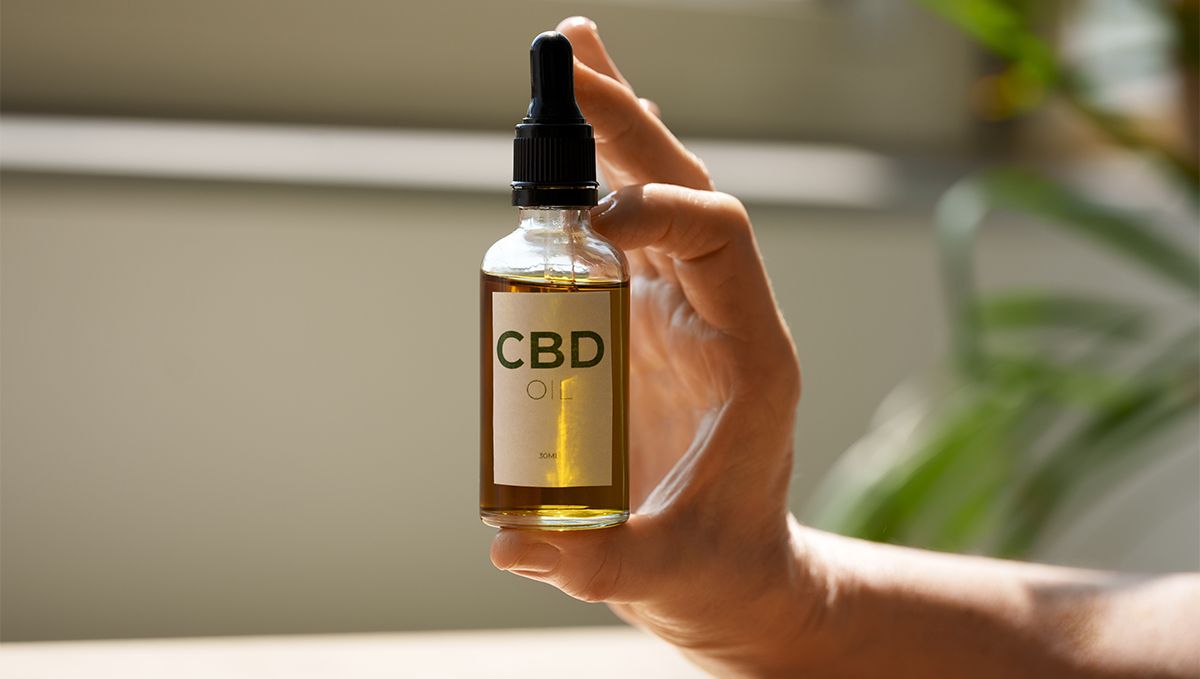
Yes, in 2019, the Florida Senate passed a bill that aligned local laws with the federal Farm Bill passed in 2018. According to these new regulations, hemp, plants’s non-psychoactive relative, is no longer on Schedule I list of prohibited substances. This means that farmers can now grow plants that have no more than 0.3% strength of their dry mass and any products derived from hemp are also legal if they don’t exceed the 0.3% limit. This includes Extract oil and other Extract products.
Since 2019, the regulations have been amended (mostly tightened) on several occasions to ensure the quality and consistency of Extract products. These efforts are likely to continue in the future. One of the new things is that a hemp-derived product cannot have more than 0.5 mg strength per a ration and no more than 2 mg strength per package.
Can You Bring Extract Medicine With You To Florida?
Yes, since Extract products containing no more than 0.3% strength are legal both on the federal and state level, you can safely take them on a domestic flight to Florida.
Recreational Plants Still Illegal in the Sunshine State
Despite ongoing attempts at reform (see below), adult-use plants remains illegal in Florida. If you’re caught with 20 grams of dry flowers or less, you’re facing a prison sentence of up to 1 year and a fine of $1,000. The same goes for selling a small amount (up to 20 grams) but only if there was no proven money exchange. Possessing paraphernalia for plants use is illegal as well and carries the same penalties. As for the concentrates, such as extractions, possessing any amount of them in Florida leads to a felony conviction and a harsher sentence of up to 5 years in prison and up to $5,000 in fines.
Another risk that Floridans face when caught with plants is the suspension of their driver’s license, even when no driving was involved in the offense. It’s in line with the Solomon–Lautenberg amendment which was passed on the federal level in 1990 and is colloquially known as the “Smoke a joint, lose your license” law. Though many states didn’t approve this policy and some repealed it, Florida still follows these outdated guidelines in exchange for some federal funds.
Is It Legal To Grow Plants in Florida?
No, even medical plants card holders can’t grow their own supply of medicine, and the sentences for plants cultivation are rather harsh – having even a small number of plants (up to 25) will lead to felony charges and can land you in jail for up to 5 years with a fine of up to $5,000. Only licensed producers supplying the plants for the legal medical plants market can grow the plant in Florida.
Florida’s Jurisdiction That Have Decriminalized Plants
Though adult-use legalization efforts in Florida face a lot of headwinds, some municipalities have chosen to at least reduce the penalties for low-level plants offenses. It means that when you are caught with a small amount of plants on your person (20 grams or less), you’ll get a proverbial slap on the wrist – with no arrest, no criminal records, and a penalty that seldom goes beyond a fine, hardly more serious than a parking ticket.
| Municipality | Penalty | Municipality | Penalty |
|---|---|---|---|
| Alachua County | Cite and Release | Broward County | Cite and Release |
| Cocoa Beach | Civil Citation | Hallandale Beach | $100 |
| Key West | $100 | Miami Beach | $100 |
| Miami-Dade County | $100 | Orlando | $100 |
| Osceola County | Cite and Release | Palm Beach County | Cite and Release |
| Port Richey | $155 | Sarasota | $100 or 10 hrs of community service |
| Tampa | $75 | Volusia County | $100 |
| West Palm Beach County | $100 |
It’s worth noting that at least 8.3 million people live in municipalities that have decriminalized plants, which makes up more than a third of the state’s population.
Past And Current Legalization Initiatives
There have been enough grassroots campaigns to legalize recreational use of plants in Florida, but none was successful so far. The problem with these initiatives is that they need to win at the ballots and garner the support of at least 60% of the voters (a supermajority needed for constitutional amendments).
Moreover, two 2022 initiatives didn’t even make it to the ballots as their text was pronounced misleading and they were invalidated by the court. The current campaign – Florida Amendment 3 – has the support of the Democrats, but the Republicans, including Attorney General Ashley Moody and Governor Ron DeSantis, are against it.
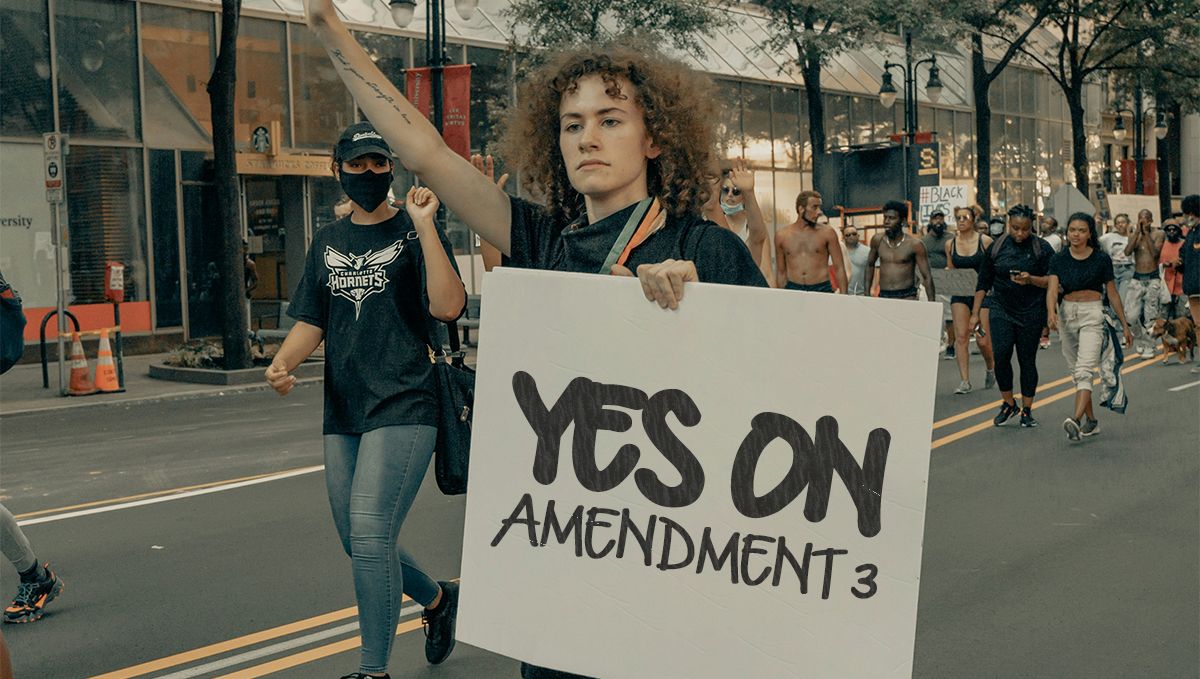
If successful, Amendment 3 will legalize the possession of up to 3 ounces of plants and allow its sale in the existing dispensaries, but the personal cultivation will remain illegal.
Are Delta-8 and Delta-10 Legal in Florida?
Unlike their close cousin, delta-9-strength (or simply strength), both delta-8-strength and delta-10-strength aren’t included into any illicit-substances list, and that makes them technically legal across the US. Some states, such as South Carolina, may still impose restrictions, following the “if it makes you high, it’s illegal” adage, but Florida hasn’t expressly forbidden these two so far (although not for the lack of trying on the part of the state’s legislators).
Final Thoughts
Florida still retains its rather conservative stance on plants, but things are slowly changing. As of now, the state has a working medical plants program, and there’s hope that voters may legalize adult use this year. Moreover, the substance has been decriminalized in a number of important jurisdictions so that more than a third of Florida’s residents can enjoy plants without a fear of criminal prosecution.


Comments