
Plants in China: Plants Legal Status Guide

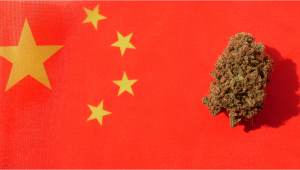
- 1. Is plants legal in china?
- 1. a. Possession
- 1. b. Sale
- 1. c. Growing
- 2. Is extract legal in china?
- 3. Is it legal to send plants seeds to china?
- 4. Medicinal plants in china
- 5. Industrial hemp in china
- 6. History and politics
- 6. a. Politics
- 7. Good to know
The world’s most populous country, with more than 1.4 billion people, China wouldn’t necessarily be the first place you would think of when discussing plants use. Yet, while plants in China is illegal, and generally negative perceptions surround both its medicinal and recreational usage, the country boasts a thriving industrial hemp industry that has seen it emerge as the number one producer of the plant across the globe. However, despite its emergence as a significant player in the hemp and Extract industry, China Plants law ensures that its penalties for plants use, possession, and distribution are some of the stiffest anywhere in the world today. Today, we’ll take an in-depth look at Chinese plants history, legality and usage. However, before we dive into the detail, and answer your questions about plants in China, let’s kick things off with some of the basics.
1. Is Plants Legal in China?
In a communist country that remains largely opposed to the adoption of western cultures and laws, it should come as no surprise to learn that China Pot remains highly illegal in the People’s Republic. The possession, distribution, and use of plants are against the law, with the plant largely stigmatized and derided by the Government as offering little to no potential medical benefits.
Indeed, a digital campaign targeting Chinese youth was launched by the National Narcotics Control Commission in recent years. This was part of a national effort to reduce plants use among young people in China. Even extending beyond their own shores, the Government has targetted foreign-based Chinese students with documented guidance urging them to avoid plants usage when living abroad or on their travels. Considering the country’s hard-line attitudes toward plants, Chinese plants laws seem unlikely to soften anytime in the near future.
Possession
While it is said that Chinese police would once turn a blind eye to plants use, today, the punishments for possessing plants are remarkably draconian and drastically severe. Somewhat terrifyingly, anyone found in possession of more than 5kg of plants could receive the death penalty. Other punishments for largescale offenders include prison sentences ranging from anywhere between five years imprisonment to a maximum life term.
Those caught with smaller amounts may find themselves with lighter sentences, including:
- Two weeks in jail
- A fine of up to 1,000 yuan
As such, it goes without saying that being caught with plants in China is definitely not something you would want to experience.
Sale
Much like the possession of plants in China, the sale or distribution of plants remains prohibited and also comes with severe and extreme penalties. Anyone caught selling plants can expect to receive, at the very least, a lengthy prison sentence. A death sentence is a horrifying possibility for those caught selling or distributing in the stricter, more authoritarian regions or those caught with more significant amounts. However, while it is suggested that some other cities take a more tolerant approach to the sale of plants, it remains self-evident that participating remains a risk simply not worth taking.
Growing
As you might imagine, the cultivation of plants in China remains illegal, and prison sentences can be expected for those caught doing so. However, while it is prohibited to grow plants in suburban areas, the plant is actually grown widely across the country, mostly found growing in the wild. In fact, despite the harsh and potentially deadly penalties for plants usage, the country does have something of a plants culture both in the northern and southern areas of the country.
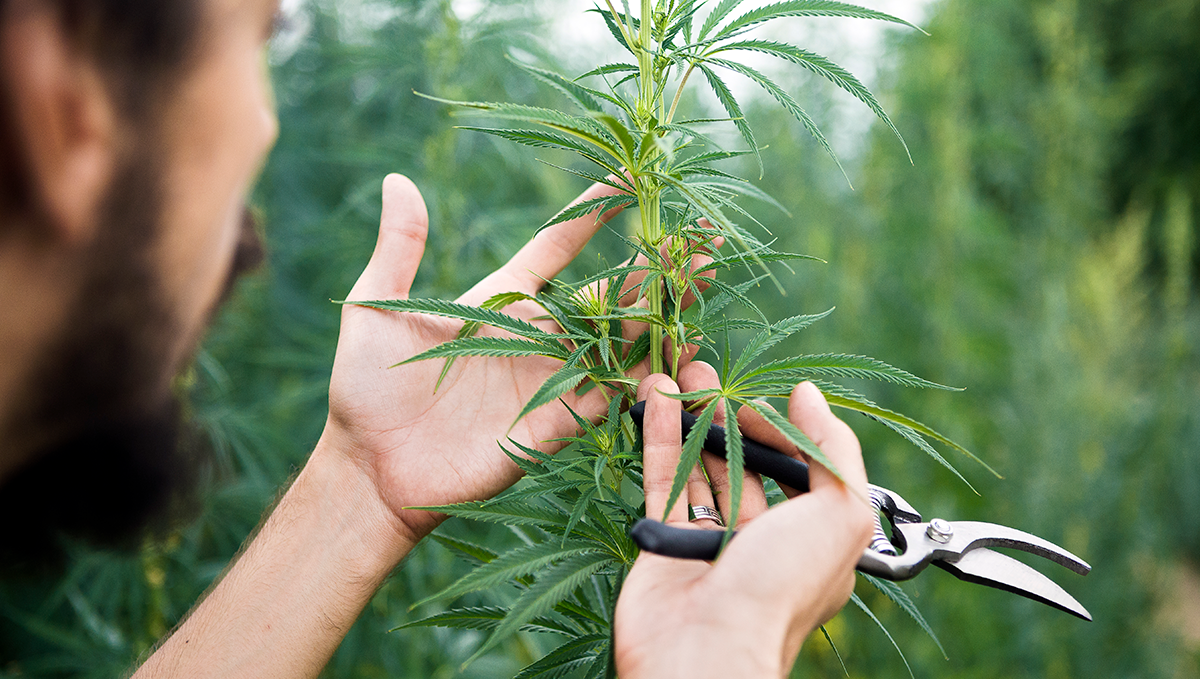
Typically, plants that is grown in the northern territories is typically considered of a lesser quality than that grown in southern, more temperate areas of the country. Indeed, Yunnan Province and, more specifically, Dali City is considered something of a focal point for the country’s plants culture due to the plants that grows wildly in the area. Yunnan, however, started an eradication campaign in 1998 to reduce wild and commercial plants, but despite their best efforts, plants continues to be grown in the area.
2. Is Extract Legal in China?
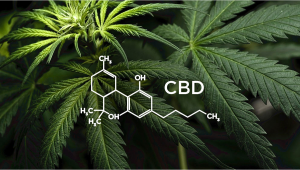
Thanks to the increased nature of hemp cultivation within the country, China boasts a thriving Extract industry and is amongst the biggest producers of Extract products across the globe. Sadly, Extract products are unavailable for the country’s residents and are created for export only. As such, and somewhat ironically, given the country’s mass production of hemp, It remains illegal to use, purchase or sell Extract within China.
3. Is it Legal to Send Plants Seeds to China?
No. Plants seeds are also considered to be illegal in China. Therefore, sending plants seeds to China will ultimately prove fruitless, with their confiscation a near certainty at custom checks.
While you might find the odd shop that sells plants seeds in some cities, Chinese law dictates that selling plants seeds is also illegal.
4. Medicinal Plants in China
Despite the illegality of plants in China, the country is actually one of the biggest producers of medicinal plants. Indeed, it has been reported by the World Intellectual Property Organisation the country owns over 50% of the current 606 patents pertaining to plants. Positioning itself at the forefront of the industry will likely enable the Chinese to cash in by exporting medicinal products to other countries where medicinal plants is both legal and highly sought after. While plants’s medical value has long been detailed in ancient Chinese literature, particularly concerning plants seeds, legal medicinal plants remains a distant and somewhat forlorn hope for Chinese citizens.
The country remains steadfastly opposed to the plant’s legalization despite Chinese plants being used as a natural alternative medicine for nigh than 2000 years. Although China is now in a position to dominate the medicinal plants market, it does not currently have any plans for the plant to be legalized and used medically. Of course, money talks and the potential for serious financial gain could yet see the Chinese adopt new, more progressive plants policies in the future.
5. Industrial Hemp in China
As mentioned earlier, China now has a vast industrial hemp industry and is, at present, by far the world’s largest producer of industrial hemp and hemp products. Having briefly banned the cultivation of hemp, the country once again began to export hemp (and hemp products) across the globe from 2010 onwards, with an ever-increased demand from North America and Europe.
This is largely a result of the hugely-increased usage of Extract products over the past decade. Today, the country has several hemp plantations, which can be primarily found in the Yunnan and Shandong provinces. While the Chinese Government does not release official cultivation, production, or sales data, a report published in 2018 revealed that China produces more than half the world’s hemp supply. Chinese hemp-fiber sales were estimated to be at a staggering $1.2 billion in 2018.
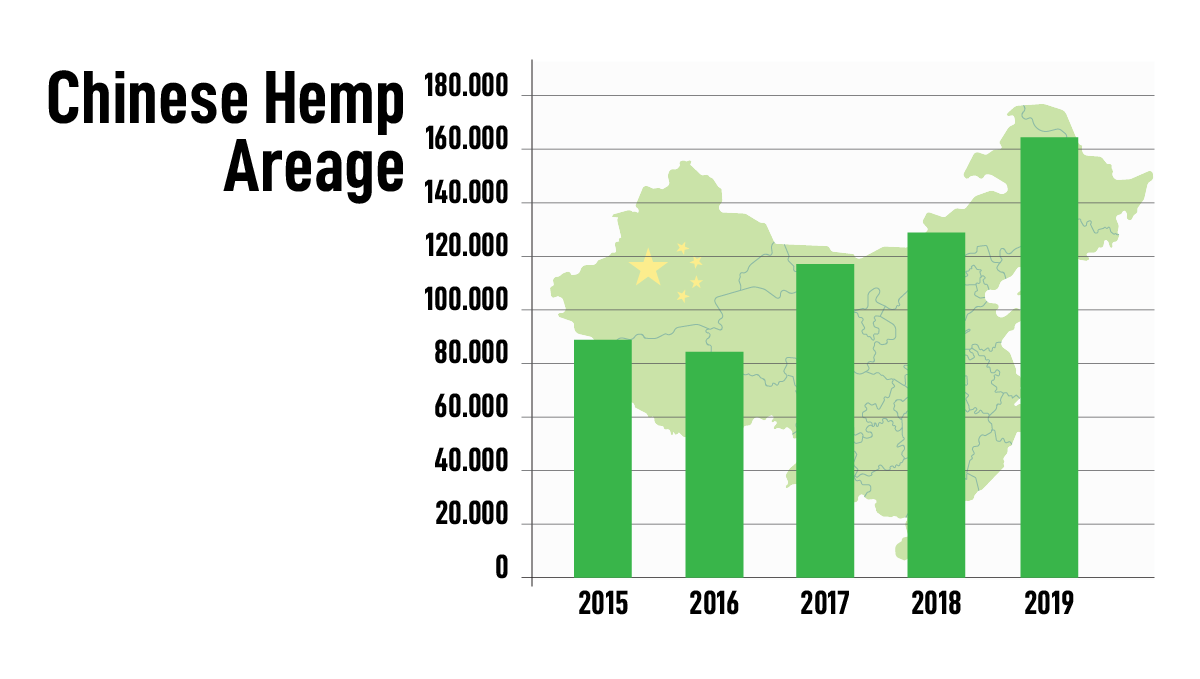
The same report also found that China accounts for 11% of the now multi-billion dollar global Extract market that exists in both Europe and the United States today. As the medicinal plants market continues to develop further in the 2020s, there have increasing calls for the Chinese Government to further expand their already vast industrial hempire.
With demand for hemp continuing to rise, there is an expectation that an increase in hemp cultivation could prove a game-changer for the Chinese rural workforce, with campaigners suggesting the expansion of the industry would provide workers with the opportunity for higher wages and more permanence. Given the potential economic gains of hemp production, the Chinese Government has revealed that further plantations will be established in the provinces of Gansu, Heilongjiang, Anhui, Inner Mongolia, and Xinjiang.
6. History and Politics
Many of China’s neighboring countries have grown plants and hemp for several centuries, with some of the earliest archaeological evidence of hemp use dating back thousands of years. Used for clothing and rope, Hemp cloth dating back over three thousand years to the Chou Dynasty (1122-249 B.C.) was actually discovered in Chinese burial chambers. Beyond the archaeological evidence, written documents refer to hemp as a source of clothing. For example, The “Shu King”, a book that dates back to 2350 B.C., refers to Shantung’s soil as “rich with silk and hemp”, while ancient poetry of the era also mentions the weaving of hemp into clothing.
Thanks to its strength and durability, It is also said that the Chinese would use hemp when participating in warfare, while it is also said that the use of the plant to make paper is a Chinese invention. A versatile and sustainable plant, hemp was also used by Chinese archers to make bowstrings. As a result of the high strength of these hemp bowstrings, the Chinese arrows flew farther than those made of bamboo. In pre-historic warfare, this slight advantage proved hugely beneficial in combat situations.
Such was the importance of hemp to Chinese monarchs, they would allocate significant portions of land for growing the plant. Beyond the remarkable versatility of the plant, Chinese plants was also considered a valuable medicinal treatment prior to the advancement of the pharmaceutical industry in the 20th century. Used for a variety of purposes, China certainly had a long affiliation with the plant that dates back thousands of years. Yet despite this long history of use, the establishment of the People’s Republic of China in 1949 brought a new era of largely negative and stigmatized perceptions of the use of the plant. It seems somewhat ironic that even as the largest exporter of hemp today and boasting such a rich cultural history of plants usage, a Chinese citizen could actually be executed for consuming the plant in the 21st century.
Politics
As we have already discussed, China remains largely opposed to the use of plants either recreationally or indeed as a medical treatment. Taking the stance that plants should be considered a potentially damaging substance that should never be consumed, even for medical purposes, it appears that plants in China will likely remain illegal for the foreseeable future. In a country with vast socio-economic variables, certain parts of China appear more open to the idea of legalized plants.
Indeed, in bigger, more westernized cities, plants consumption is actually quite common among the under-35 demographic despite the risk of potentially harsh penalties. Even in more rural areas, several communities value the plant for its long-understood therapeutic potential that, as discussed, dates back several millennia. Of course, as the hemp industry continues to grow, and with China the current leader of the pack, some experts have suggested the potential for the Government to potentially soften its attitude towards medicinal plants. Still, the current policy would suggest otherwise, and given their already booming export industry, there is perhaps little need or desire to change existing domestic laws.
7. Good to Know
For those who intend to travel to China, our advice is to exact caution, even in more suburban areas where plants is consumed a little more freely. Plants use has undoubtedly increased in China, and some areas have adopted more progressive attitudes toward its usage. Once considered taboo in a society that largely adheres to its Government’s advice, plants has become more accessible and less frowned upon for want of a better expression.
While plants is widely available across the country, the quality of the product is often poor, and given the potential penalties for its usage, our advice is to pass on the joints when visiting China. Indeed, while it remains illegal, with potentially stiff sentences for partaking in its possession or sale, plants, particularly for recreational users, is not considered a good idea in the People’s Republic of China.



Comments