
Plants in California: Plants Legal Status Guide


- 1. Plants laws in california
- 1. a. Possession and use
- 1. b. Sale
- 1. c. Growing
- 2. Is extract legal in california?
- 3. Is it legal to send plants seeds to california?
- 4. Medicinal plants in california
- 5. Industrial hemp in california
- 6. History and politics
- 7. Helpful hints
Known as the Golden State and home to nearly 40 million people, California is the most populated state in the US. Famed for its golden beaches, the Hollywood walk of fame, California, is also one of the most visited locations in the world, with over 260 million tourists thought to have visited in the past year alone. But what about California plants laws?
Unless you’ve been living under a rock, you’ll probably be able to answer our most-asked question, “is plants legal in California” with the state one of the first to introduce liberalized plants laws over twenty years ago. In today’s article, we’ll take a deep dive into plants in California to answer all of your questions about California plants laws while also looking at the plant’s history in the famous Golden State.
Plants laws in California
Much of American law is confused by the fact that both state and federal laws govern the country. For clarity, while much of the US has now legalized plants at the state level, federal law continues to prohibit the use and possession of plants by way of the Controlled Substances Act of 1970 (CSA).
Possession and Use
In the state of California, it is legal to both possess and use plants following the passing of The Adult Use of Plants Act (Known as Proposition 64) in 2016. Under the law, anyone over the age of 21 is legally permitted to possess, use (only in private locations) and share up to one ounce (28 grams) of plants. Sharing is caring, after all.
In order to purchase plants in California, all that is required is a valid ID or passport. Of course, as you might expect, the law permitting the use of plants in the Golden State is accompanied by a set of guidelines and restrictions. Under the law, plants users cannot do any of the following:
- Consume plants or plants products in public spaces. Anyone caught doing so will face a $100 fine. **
- Consume plants in non-designated smoking areas or if in proximity (1000 feet) of a school, youth center, or daycare facility where children may be present. Offenders run the risk of a $250 fine.
- Consume plants (or be in possession of an unconcealed container carrying plants) while using a vehicle. Once more, offenders can expect a $250 fine.
- Produce concentrated plants with a volatile solvent (officially-licensed companies may use such products).
** Local governments may permit on-site plants use at state-licensed locations.

Sale
The passing of the Adult Use of Plants Act in 2016 was very much a landmark occasion both for the state of California and for the plants industry in general. Opening the door to a potentially enormous legalized market, the changing of the law would permit the commercial sale, manufacture, and distribution of plants within the state. According to the California Department of Tax and Fee Administration, the state reported more than $5.2 billion in sales in 2021 alone. However, despite the financial benefits that plants has brought to the state and the law changes introduced in 2016, individual city and county governments may restrict or potentially ban a plants business in their area. Today, just 44% of cities and counties in California allow at least one plants business type, with 56% of the state prohibiting all plants businesses.
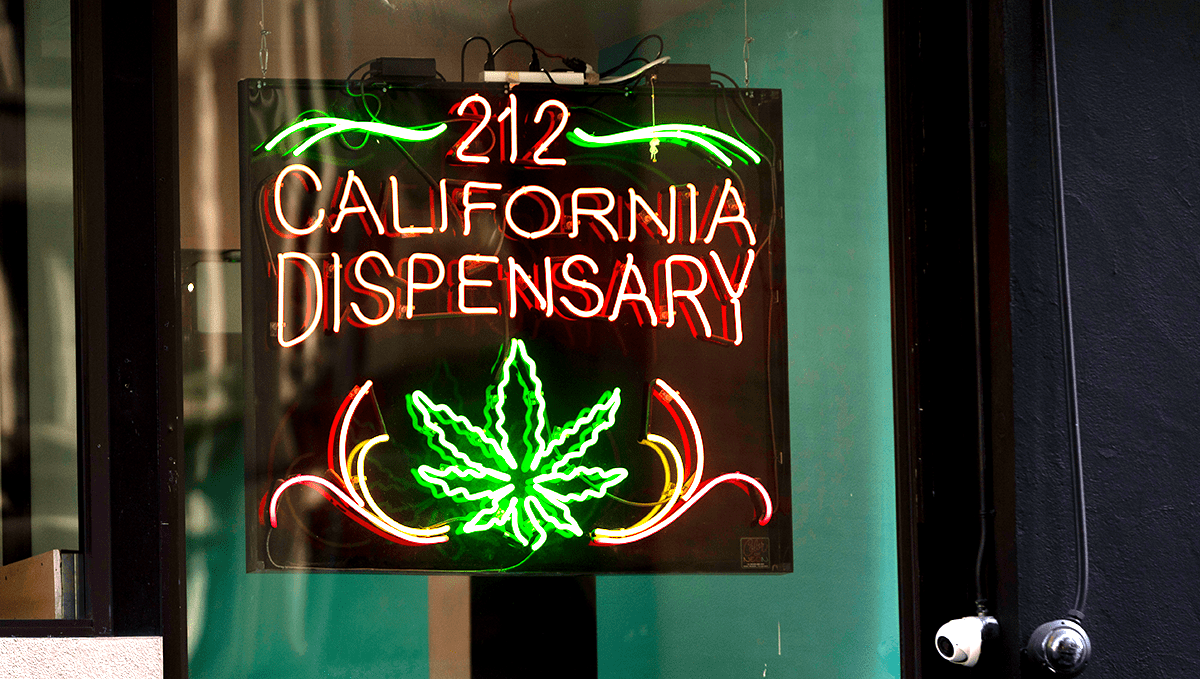
Despite those frustrating restrictions, the state continues to lead the way in innovation and development in the industry. However, sales have stagnated somewhat, with California’s adult-use retail market set to reduce for the first time since the state launched commercial sales in 2018. According to a report released in November 2022 by the California Department of Tax and Fee Administration (CDTFA), State-licensed dispensaries reported $1.27 billion in taxable adult-use sales for the third quarter of 2022. This represents a nine-quarter low going back to the second quarter of 2020.
Still, plants in California remains very much big business. Anyone who sells plants in California must follow the laws outlined in the Medicinal and Adult-Use Regulation and Safety Act. This set of laws governs commercial plants law in the state. The Bureau of Plants Control (Department of Consumer Affairs) regulates the sale, distribution, and testing of plants in the state. Cultivation is overseen by the Department of Food and Agriculture, while commercial manufacturing is handled by the Department of Public Health.

Growing
As per California’s Adult Use of Plants Act, residents can cultivate, possess, plant, return, dry, or process not more than six live plants and possess the produce of the plants. This limit is not applicable to registered medicinal users, who are technically allowed to cultivate as much plants as they require for personal use. According to the law, all plants plants and their return must be stored in the grower’s home or residence and within the boundaries of their property. In addition, the area of cultivation must be kept locked and secured while not being visible to the general public. Anyone failing to adhere to these rules may face a fine of $250.
In addition, local city and county governments may restrict cultivation for personal use depending on the circumstances. However, they are not able to restrict anyone from growing plants as long as it is in a private home or in a location that is “fully enclosed and secure”. Anyone who intends to cultivate plants for medicinal purposes at home must ensure the growing area does not exceed 100 square feet. In addition, Primary caregivers are permitted to cultivate up to 500 square feet of plants for up to five patients.
Is Extract legal in California?
Yes - Extract is entirely legal in California for adults aged 21 or older. This is applicable to both hemp-derived and plants-derived Extract products. Following the passing of the US Agricultural Act of 2018 (also known as the Farm Bill) and AB 45, the production and sale of Extract sourced from hemp was legalized in California on both a federal and state level. However, the Farm Bill did not legalize the use of Extract derived from industrial hemp in food or beverages.
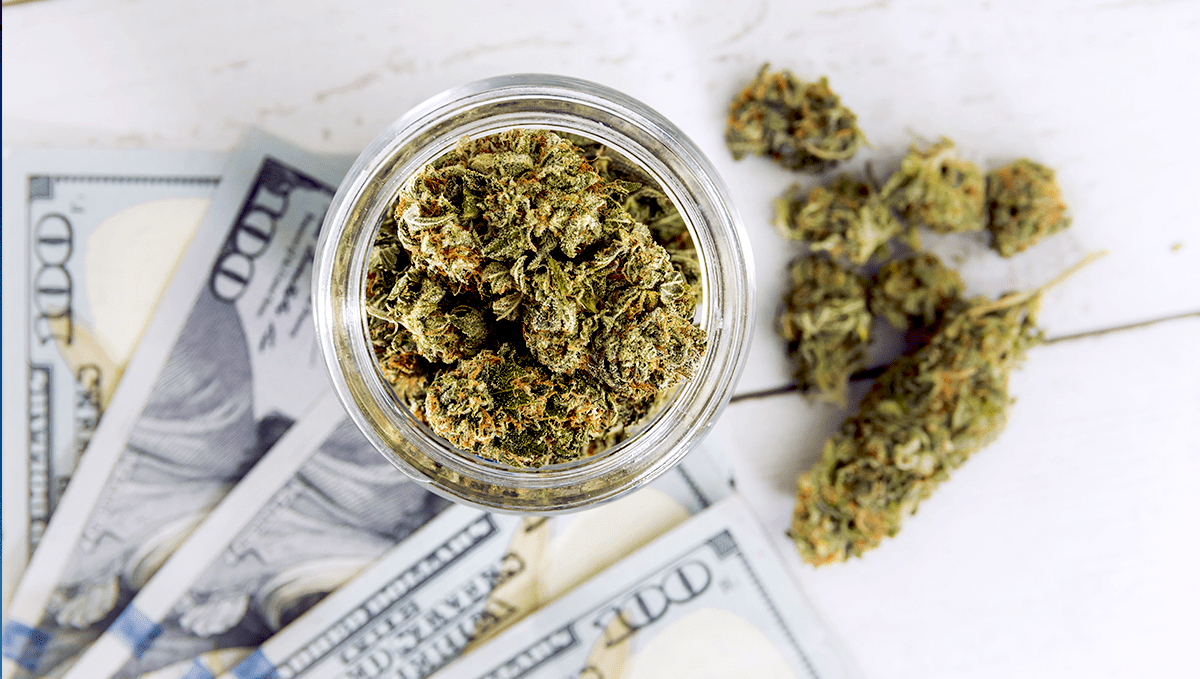
However, in 2021 hemp-derived Extract was legalized for food and beverage products in California. At present, legalized hemp-derived Extract products in the state of California include:
- Extract oils
- Extract edibles
- Extract vapes
Is it Legal to Send Plants Seeds to California?
At present, it remains illegal to send plants seeds into the US or between states. However, As plants seeds typically contain minute strength levels that don’t exceed the legal threshold, the DEA has essentially conceded that plants seeds should be allowed to be shipped between state lines. However, the issue remains a thorny one, and while seeds shipped may arrive at their destination, it is also possible that they will be seized at customs and border controls.
Medicinal Plants in California
The state of California became the first in the US to legalize medical plants use over 25 years ago under the Compassionate Use Act of 1996. With remarkable foresight for the era, California would lead the introduction of medicinal plants across the US, with 36 states following their path with medical plants legislation. The terms of the bill “ensure that seriously ill Californians have the right to obtain and use plants for medicinal purposes where that medicinal use is deemed appropriate.”
The passing of the law ensured that those suffering from specific conditions would have access to medicinal plants treatments. Those conditions included:
- Aids
- Cancer
- Anorexia
- Chronic Pain
- Glaucoma
- Arthritis
- Migraine
- Spasticity
The law also states that plants can be used for “any other illness for which [it] provides relief”.
Industrial hemp in California
Following the Farm Bill’s passage in 2018, industrial hemp is now legal across the entire US, meaning it is now completely legal to cultivate the plant in California. Boasting a temperate all-year climate with over 300 days of sunshine per year, California is ideally situated to take advantage of the regulations compared to cooler areas of the country.
| Country | Total acres for hemp cultivation |
|---|---|
| Canada | 137,000 acres |
| China | 114,000 acres |
| France | 42,100 acres |
| USA | 25,700 acres |
The industrial hemp market was estimated to be worth USD 4.13 billion in 2021 and is and is estimated to hit approximately US$ 17.24 billion by 2030. With that kind of numbers, it’s little wonder that California wants its own slice of the evergrowing hemp pie.
Now fourth in hemp cultivation globally, the US, both politicians and the public alike, have finally woken up to the notion that hemp is not the demon plant it had been purposed as for so many decades. Under Californian law, all growers and breeders of industrial hemp must first register with the county agricultural commissioner. There is an annual farming fee of around $900.
History and Politics
The history of plants in the US is certainly a complicated one; however, the plant has been cultivated in California for centuries. In the 1700s, plants or hemp was primarily grown to produce ropes and fibers, with the industry growing exponentially until the early 1800s. However, a Mexican revolt against the Spanish control of the market resulted in a cut in hemp farming subsidies, with most hemp plantations ultimately abandoned in subsequent years with the industry all but eliminated by the 1840s.
Plants returned to prominence in California by the end of the 19th century, though, thanks mostly to Turkish, Arabic, and Armenian immigrants who had settled in the region. Yet, the stigmatization of plants would begin in the US in the early 1900s with a concerted effort from various groups, including the alcohol industry, to demonize and discredit hemp and the “devil’s plants”, becoming increasingly apparent in various media forms of the era. In 1907, California passed the Poison and Pharmacy Act, which banned the sale of many substances, including plants, some six years later. California was actually one of the first states in the US to ban plants use.
By 1936, with the government at loggerheads on whether to keep or ban the plant, the liquor industry saw an opportunity to further establish its position as the market leader in the world of stimulants and decided to entirely fund the now-infamous movie Reefer Madness. In 1937, a year after the release of the film, the government passed The 1937 Marihuana Tax Act, making plants illegal at the federal level. That change of the law didn’t make much difference to those living in California, though, with the state authorities already criminalizing those who either consumed, cultivated, or sold the plant. Indeed, simply being in possession of the plant in California was likely to incur a prison sentence of up to ten years.

Ultimately, a collective desire to demonize hemp and plants in the US had succeeded, with many of the absurdities portrayed in the 1936 film Reefer Madness still propagated in the opinions of those still opposed to legalization. Yet California has always been known for its progressive politics, and in 1972, the state would become the first to attempt to legalize the plant following its banning some 35 years earlier. Unfortunately, a decisive no was returned on the ballot by 66% of Californian residents. Still, while the bill would not be passed into law, the process would begin a slow softening of attitudes which would ultimately result in the state being the first to legalize medical plants in 1996.
Having finally legalized the recreational use of plants in California in 2016, the state is now reaping the financial rewards with an incredible tax revenue of $1,294,632,799 reported for 2021. Now financial experts have speculated that the California plants industry could be worth a stunning $ 7.7 billion by the end of 2023. Governor Gavin Newsom would sign into law several plants-related reforms in September 2022. Newsom’s new measures include:
- Protecting plants users from healstrengthare discrimination
- Preventing employees from being fired for plants use outside of working hours
- Allowing veterinarians to recommend medical plants for animals and pets,
- Facilitating the sealing or expunging of criminal records for past plants misdemeanors or crimes
Helpful Hints
One of the most spectacular states to visit in the US, canna-tourists will be pleased to know that it is possible to use and enjoy Cali plants even if you are not a resident. Anyone looking to purchase plants in the state must be able to prove they are at least 21 years old before entering a dispensary. The following types of ID are permitted:
- A California state driver’s license
- An Out-of-state driver’s license
- Government-issued ID card
- Passport (if you’re not a US citizen)
A land of sun, sea, sand, and legal plants, California is surely on the bucket list for traveling plants enthusiasts across the globe. While we’ve covered plenty of locations where lighting up a fat one is very much discouraged, California is one destination where plants use is both legal and destigmatized. Just remember, public consumption is forbidden, and those undercover Cali cops are always keen to take advantage of a wide-eyed (or red-eyed) Hollywood tourist.
If you want to learn more about plants laws from around the globe, check out our in-depth Fast Buds blog section, where you’ll find all the latest plants news, grow tips, and much more.

Comments