
Top 10 Best Plants Seeds for Cold Climates of 2026


- 1. What makes a seed great for cold climates?
- 2. Our best fem seeds for cold climates
- 2. a. Papaya sherbet
- 2. b. Rainbow melon
- 2. c. Gorilla melon
- 2. d. Z42
- 3. Our best fast flowering seeds for cold climates
- 3. a. Gg4 sherbet ff
- 3. b. Gorilla cookies ff
- 4. Our best auto seeds for cold climates
- 4. a. Gmo auto
- 4. b. Banana guava auto
- 4. c. Mendo frost auto
- 4. d. Frostbanger auto
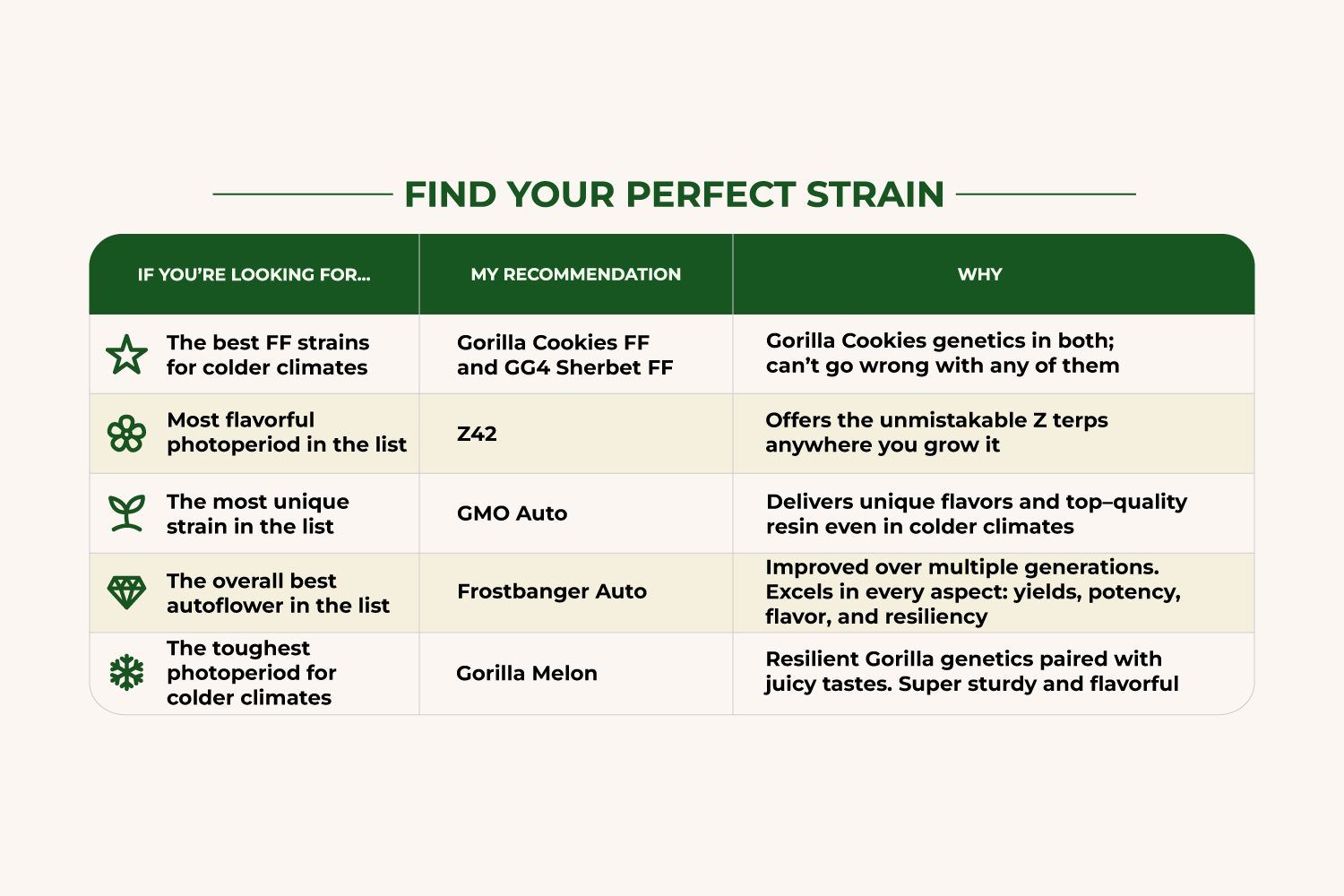
- 5. Which cold climate seed is right for you?
- 6. How i selected these seeds
What Makes a Seed Great for Cold Climates?
Not every garden gets a long, forgiving summer. For growers in northern latitudes, high elevations, or regions where autumn arrives without warning, the seed you choose can be the difference between a full return and a frost-damaged loss. Cold-climate genetics exist for exactly this reason — they're bred for growers facing shorter seasons, cooler nights, early-fall temperature drops, and outdoor conditions that refuse to stay predictable.
So what actually goes into a seed earning that label?
It starts with structure. A plant that grows tall and lanky might look impressive, but in windy, wet, or cold outdoor environments, weak stems and loose branching invite trouble. Cold-hardy genetics are bred for tighter, sturdier frames that hold up when conditions turn.
Timing matters just as much. In regions with limited growing windows, a seed that finishes even one or two weeks earlier can mean returning before the first frost instead of racing against it. That's why faster flowering times are a core focus in developing these cultivars, not as a shortcut, but as a necessity.
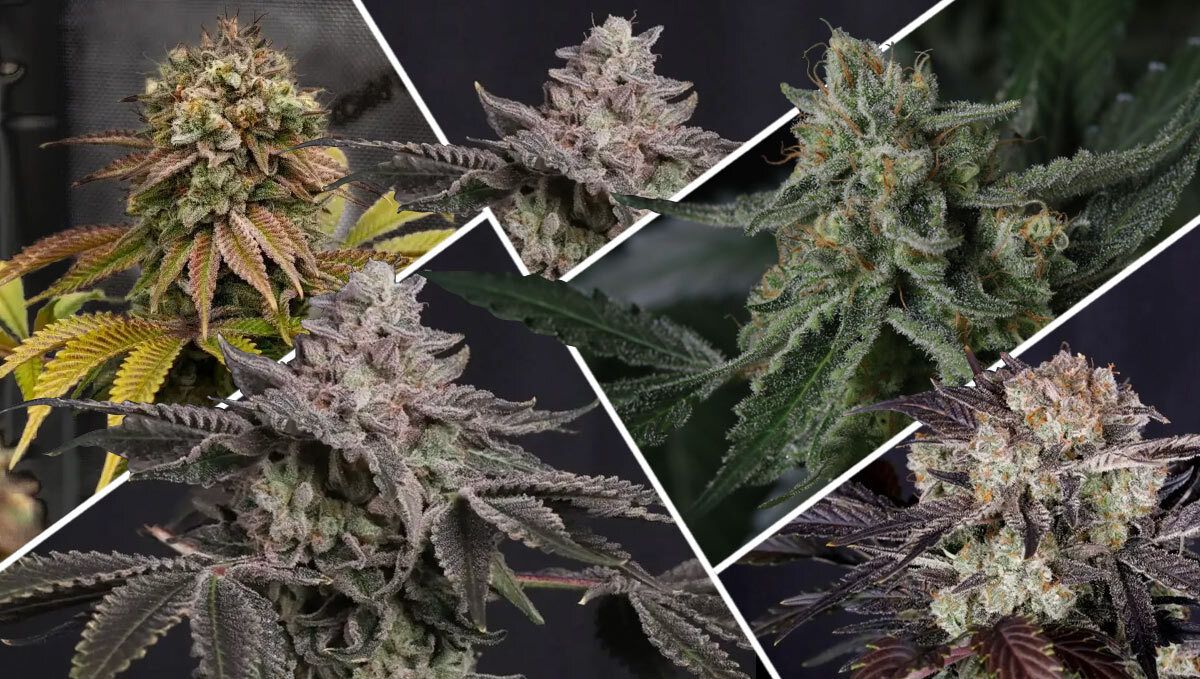
Then there's resilience itself, the plant's raw ability to keep growing normally when temperatures drop into ranges that would otherwise slow or stall development. This is where cold climate seeds really separate themselves. Genetics that haven't been selected for this trait often respond to cold snaps with stunted growth, while true cold-tolerant seeds push through those same conditions with no disruption to growth rate, return, or flower quality.
However, none of this means these seeds are exclusive to outdoor growing. They'll grow just fine in a tent or room like any other, since indoor temperature is controlled and cold tolerance isn't really being tested.
Indoors, a cold-hardy trait is dormant potential. Outdoors, in a mountain garden or a short northern season, it's the trait doing the heavy lifting and the main reason a plant finishes strong instead of struggling through the last few critical weeks.
That's the real test these genetics are built for: temperatures and timing pressures that would set weaker seeds back significantly, handled without a measurable hit to growth, return, or the quality of the final flower.
Our Best Fem Seeds for Cold Climates
Finding seeds with cold tolerance can be difficult because it's rarely a primary breeding objective. Most programs focus on vigor, return, potency, and flavorene expression, with resilience to cold only becoming a priority once those core traits are already locked in.
That's what makes the photoperiods below different. None were bred specifically to survive cold weather alone, but after lots of testing, they consistently showed a natural ability to keep growing and finishing properly even as temperatures dropped, without the stalling or stress response we typically see in less resilient plants.
This matters more than it might seem at first. Most outdoor setups involve big plants that veg for months, building size and structure long before flowering even begins. That's a huge time investment and a huge risk if the seed isn't built to handle a cold snap or an early autumn. With genetics that aren't suited for cold climates, the chance of losing that plant to freezing temperatures before it finishes rises significantly, sometimes costing growers months of work in a single unexpected cold front.
Rather than leaving that outcome to chance, we built on what these plants were already expressing. The result is a collection of seeds that didn't sacrifice return, potency, or quality to become more cold-hardy. Instead, they perform at their full potential while offering growers something just as valuable: peace of mind. With these seeds, you have the confidence that even if the plant doesn't finish before the cold arrives, it will finish anyway, giving outdoor growers a safer, more reliable path from seed to return.
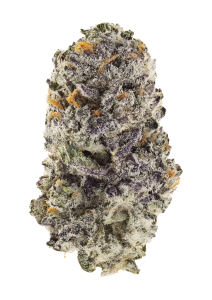
Papaya Sherbet
Why I Picked It
Papaya Sherbet is bred from a cross between Papaya (Oni Selection) and Sunset Sherbet, one of our own keeper cuts. Papaya was chosen for its massive stature and vigorous, expansive growth, while Sunset Sherbet brought its strength, resilience, and the kind of forgiving nature that makes a plant easy to trust in the garden. The goal was to combine that scale and return potential with a backbone tough enough to carry it through a full grow cycle without faltering.
What came out of that pairing is a big, XXL plant, finishing in 9 to 10 weeks of flower with returns that regularly push into the 550 – 700 gr/m² range indoors, and up to 1300 grams per plant outdoors.
Here's the part we didn't see coming. Cold resistance was never on our radar with this cross; it wasn't part of the plan when we paired these two parents. However, the combination ended up working in the grower's favor from every angle.

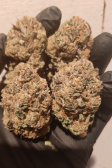
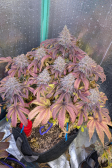
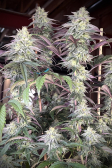
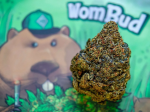
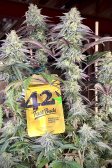
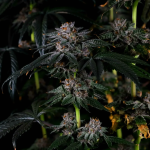

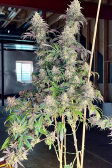
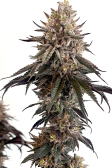
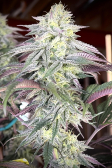
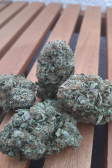
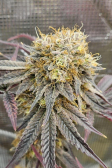
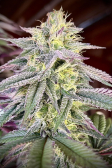
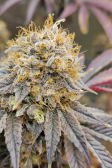

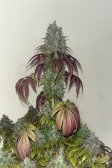
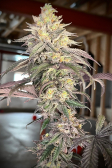
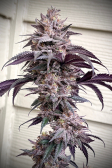
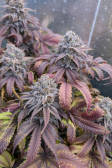
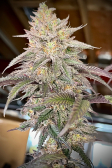
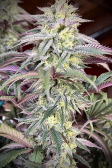
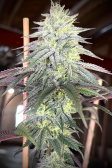
This is a seed bred first and foremost for huge returns, top-tier potency, and standout flavor, so the quality was never in question. Add in a natural resilience to cold and rough conditions, and you get a plant that delivers top-shelf returns while asking for less maintenance along the way. For outdoor growers chasing maximum quality without babysitting every plant through a difficult season, that's exactly the kind of low-headache reliability that makes a real difference.
The flavor follows the same premium standard with super creamy, sweet papaya flavors and up to 30 % strength.
 Papaya Sherbet
 Sunset Sherbert
 Girl Scout Cookies
 OG Kush
 Durban Poison
 Pink Panties
 Florida Kush
 Burmese Kush
 Papaya
 Afghani
 MangoAfghani
 KC 33
KC 33Very easy and stress resilient and bounce right back from whatever you throw at her smells like fruit and gas.
Papaya Sherbet is also one of the most stress-resistant photoperiod varieties, it rebounds quickly from setbacks, tolerates experimentation well, and gives growers the confidence to push training without worrying about losing the plant to a rough patch. Indoors or outdoors, it takes on adversity like a champion and comes out the other side unaffected.

Rainbow Melon
Why I Picked It
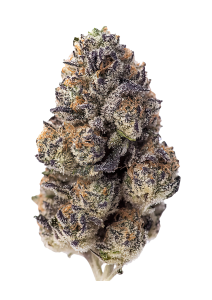
Rainbow Melon comes from a cross between Melon, one of our own keeper cuts, and Rainbow Chip, a standout selection from Exotic Genetix. Melon was chosen for its citrus, sweet fruit character, while Rainbow Chip brought a flavorene signature that's hard to find anywhere else. In just 8 to 9 weeks of flowering, this pairing produces XL-sized plants covered in ok from head to toe.
The story here follows a similar path to Papaya Sherbet. Both parents behind Rainbow Melon are exceptionally resilient genetics in their own right, and that toughness came through clearly in their offspring. This wasn't a seed bred with cold tolerance or adverse conditions in mind; the focus was always on flavor, structure, and potency, but the resilience of Melon and Rainbow Chip carried through regardless, giving Rainbow Melon a natural ability to handle rough conditions better than most.
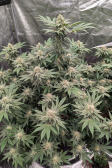

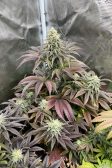
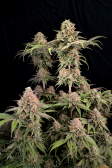
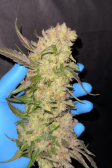
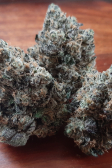
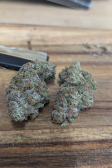
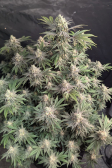
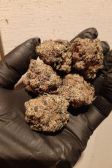
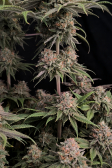
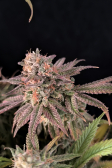
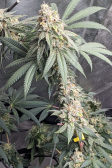
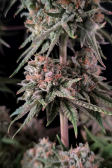
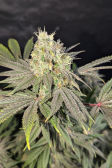
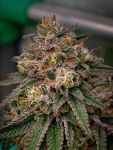
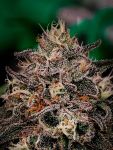
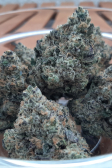
To be clear, this isn't a seed built to survive a hard freeze, and no amount of natural toughness changes that. But short of freezing temperatures, Rainbow Melon doesn't give up easily. She'll keep pushing through cooler nights, humidity swings, and the kind of unpredictable weather that stresses out less resilient plants, holding on and continuing to develop for as long as conditions allow. It won't guarantee a finish in a true freeze, but it gives growers the best possible chance to get there.
 Rainbow Melon
 Rainbow ChipSunset SherbertGirl Scout CookiesPink Panties
 Mint Chocolate Chip
 Melon
Melon...The smell puts your olfactory senses in overdrive and the taste brings you back to being a kid and eating Pixy Sticks! The buds are dense and super sticky…
For outdoor growers, keep a close eye on temperature and humidity, as Rainbow Melon performs best in moderate climates. Indoors, we recommend sticking to LST rather than high-stress training methods to get the most out of its natural growth potential.

Gorilla Melon
Why I Picked It
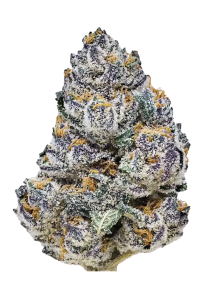
Gorilla Melon combines the original GG#4 (Murdock GG Seeds) and Melon, one of our own keeper cuts.
GG#4 genetics have earned a reputation for being nearly indestructible, and that reputation isn't limited to this cross alone. We've used Gorilla genetics across several of our auto lines as well, and the result is always the same: strong, adaptable plants that handle pressure without missing a beat. That toughness shows up in Gorilla Melon as raw stress tolerance. Heavy defoliation, aggressive cloning, rough handling- none of it slows it down. It bounces back almost immediately and often comes back stronger than it was before.
We didn't set out to breed a cold-resistant seed here. That wasn't the plan behind this cross. But knowing how reliably the Gorilla genetics perform under pressure, we had a strong feeling resilience would carry over regardless… and it did.

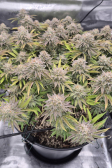
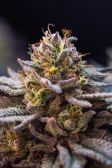
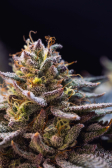
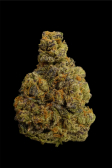
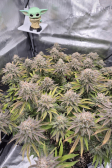

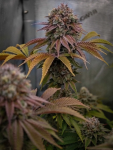
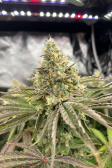
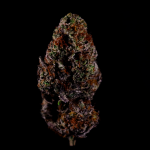
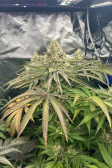
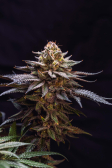
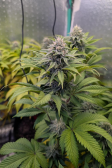
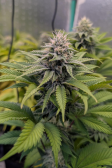

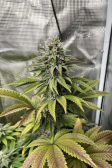


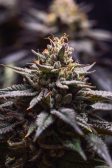
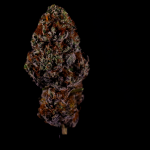
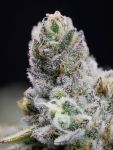
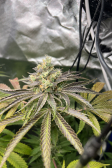
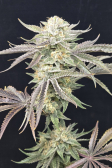

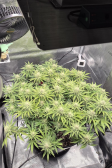
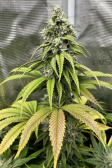
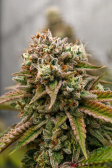


Gorilla Melon turned out to be a genuinely strong option for outdoor gardens, not because we selected for it directly, but because it was already baked into half of its genetics.
Then there's the melon side, which is where the flavor lives. Structurally, Gorilla Melon grows outward rather than upward, filling out into a bushy, manageable plant loaded with colas. Flavor-wise, the melon flavors take the lead. Expect sweet and fruity tastes followed by the classic and unmistakable GG#4 backbone , resulting in a sweet-and-sour profile that hits both notes without either one overpowering the other.
 Gorilla Melon
 Gorilla Glue
 Sour Dubb
 Sour Diesel
 Sour Bubble
 Chocolate DieselSour Diesel
 Chocolate Thai
 Chem Sis
 ChemdawgMelon
great seed, high tolerance to stress. poor thing has been through alot and is thriving.
Put both halves together, and you get a seed built for growers who don't want to choose between quality and reliability. Melon supplies the flavor and aroma that make it worth growing in the first place. Gorilla supplies the durability to actually get it there through stress, through inconsistent outdoor conditions, through whatever the season throws at it without it costing anything in return or flower quality along the way.

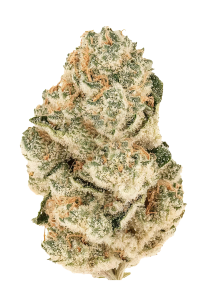
Z42
Why I Picked It
Z42 is a limited-edition hyb created from a selected Z3 (Flavorhogz) pheno and Candy Fumez (Bloom Seed Co.), both phenotypes hunted in-house.
The Z3 parent comes from a seed run sourced directly from Flavorhogz several years ago, where only one standout phenotype was selected and preserved. The Candy Fumez was chosen after a large phenohunt, keeping only the loudest and most expressive female.
The cross was made in a small batch and immediately stood out for its strong hyb vigor and outstanding aromatic profile. But vigor and aroma were never treated as separate goals here, every trait in Z42 was selectively bred to work together, not against each other.






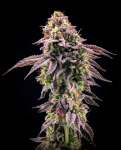
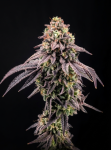
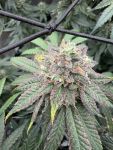
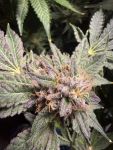
The result is a genuinely well-rounded seed, one that doesn't ask growers to sacrifice return or quality in exchange for flavor, or resilience in exchange for potency. It was built to hold its own across the board, regardless of setup or environment, delivering the same level of performance whether it’s grown indoors under controlled conditions or outdoors facing whatever the season brings.
Finishing in around 8 to 9 weeks of flowering, the flavorene profile delivers loud Z candy sweetness layered with tropical fruit, creamy sherbet tones, and a smooth sweet fuel finish.
 Z42
Z42 Candy Fumez
 Zkittlez
 Grape Ape
 Grapefruit
 SherbangerSunset Sherbert
 Headbanger
 The Original Z 3.0ZkittlezGrape ApeGrapefruit
 Z 2.0OG KushZkittlez
Released as a true small-batch F1 with no large-scale reproduction planned, Z42 is a collector's drop designed for indoor, outdoor, and greenhouse growers looking for rare, flavor-driven genetics that don't cut corners anywhere. When it's gone, it's gone.

Our Best Fast Flowering Seeds for Cold Climates
Every outdoor grower in a short-season region knows the real enemy isn't the cold itself, it's the calendar. A seed can have every trait you want, but if it doesn't finish before the weather turns, none of it matters. This is where fast flowering seeds earn their place in a cold-climate garden, and why we've built a collection specifically around them.
What fast flowering genetics bring to the table is speed, since they can finish up to 14 days earlier than a comparable photoperiod seed.
In a region where the growing window is already tight, two weeks isn't a minor bonus, it's often the margin between a finished return and a crop caught by an early frost.
But speed alone doesn't guarantee a seed can handle cold climates. That part comes down to the same traits we look for in any resilient outdoor genetics, regardless of flowering type: sturdy structure, steady growth under stress, and the ability to keep developing normally even when nighttime temperatures drop into ranges that would stunt less hardy plants. A fast flowering seed without these traits is still vulnerable to cold, it just has less time to be vulnerable.
First, the plant itself is built to handle cold conditions without losing growth, return, or quality. Second, because it's a fast flowering seed, it's likely to cross the finish line well before those cold conditions even arrive. One trait protects the return if timing gets tight; the other reduces the odds that timing becomes an issue in the first place.
GG4 Sherbet FF
Why I Picked It
GG4 Sherbet FF was bred from extremely potent and flavorful Gorilla Glue and Orange Sherbet Auto genetics, taking all the best traits to the next level and offering a high-returning seed that can produce up to 600 g/plant outdoors in a 7-week flowering time.
This is another cross where the GG4 genetics really shine. Just like we've seen with Gorilla Melon and our other Gorilla-based lines, that GG4 backbone brings a level of resilience that makes this seed especially well-suited for cold climates. Combine that toughness with the flavor and aroma inherited from Orange Sherbet Auto, and you get a seed that doesn't ask growers to choose between quality and hardiness.
On top of that, being a fast flowering variety means it finishes considerably quicker than a standard photoperiod, giving outdoor growers even less time exposed to the kind of weather that can put a return at risk. Between the GG4 resilience, the Orange Sherbet flavor, and the speed of an FF, this seed hands outdoor growers everything they need for a top-shelf return, cold climate or not.
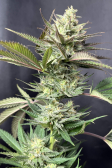
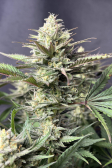


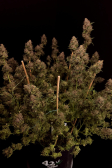
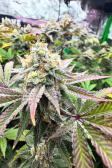

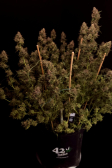


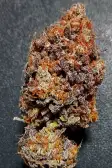
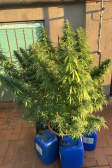
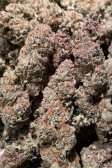


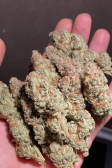





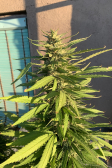
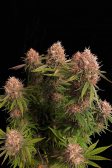
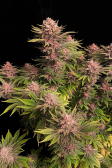
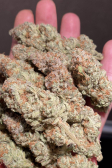

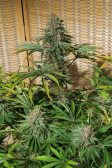
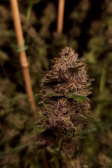
This super resilient Ind-leaning hyb thrives indoors and outdoors, and in all types of climates, while producing mouth-watering sweet, fruity, spicy, and earthy flavors that translate into a delicious sugary hazelnut aroma. With up to 27% strength, expect an extremely relaxing and overall happy effect that'll leave you with a huge smile from ear to ear. It's the perfect seed for growers of all levels of experience seeking low-maintenance yet highly productive varieties that deliver quality and quantity without extra effort.
GG4 Sherbet FF grows up to 200 cm tall, so make sure to be prepared, as you don't want to deal with problems right before return time. For those growing it indoors with limited space, it's highly recommended to tie down the branches.
 GG4 Sherbet FFGorilla GlueSour DubbSour DieselSour BubbleChocolate DieselSour DieselChocolate ThaiChem SisChemdawg
 Orange Sherbet Auto
 Cookies AutoGirl Scout Cookies
 Grapefruit Auto
 Tangie'matic
 Tangie
 Fast Buds Auto #1
Great genetic. Resistant to everything... Perfect for first timers with photo plants! Taste like a fruity sherbet, lovely. The high is perfect for a chill afternoon.
Potent, flavorful, and super resilient, GG4 Sherbet FF comes highly recommended for anyone looking to grow top-shelf genetics on steroids, but especially recommended for outdoor growers seeking a tough-enough seed that can handle anything, including colder climates.


Gorilla Cookies FF
Why I Picked It
Gorilla Cookies Auto earned its status through testing and results. Bred from Girl Scout Cookies and Gorilla Glue #4, then combined with our own bestselling Gorilla Cookies Auto, this lineage has remained extremely popular worldwide, and the reason comes down to one thing more than any other: it’s nearly impossible to mess up. Beginner mistakes, inconsistent care, rough environments- it forgives all of it and keeps producing regardless.
That reputation is exactly why we decided to build a fast flowering photoperiod version. Autos aren't for everyone, and plenty of outdoor growers prefer the control that comes with a photoperiod structure: deciding when to flower, how long to veg, how big to let the plant get. Gorilla Cookies FF exists so that those growers don't have to trade away the resilience of the original just to keep that flexibility. You get the toughness of Gorilla Cookies Auto in a format built for growers who want to stay in control of their cycle.
And toughness here isn't a minor bonus. This is a seed built to handle bugs, pests, inconsistent conditions, and yes, colder climates, without backing off on quality or return. Whatever gets thrown at her during the season, it’s built to take it in stride and keep pushing toward a big finish.
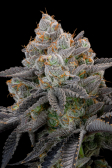
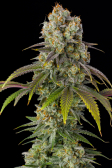


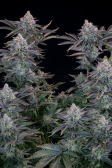
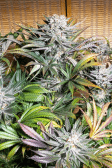

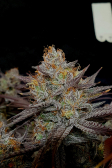
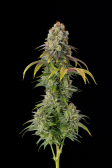
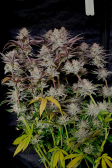
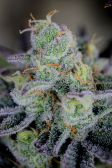
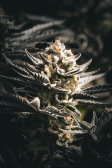


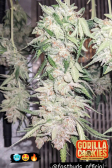

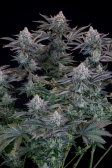
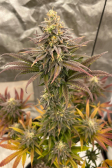

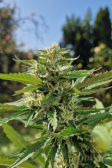


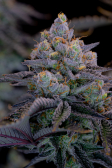

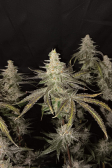
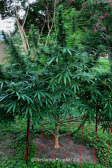
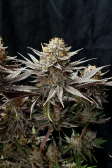

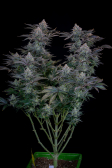
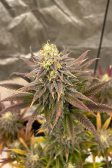
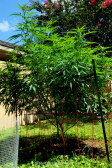
None of that comes at the expense of what made the genetics famous in the first place. Gorilla Cookies FF still produces up to 650 g/plant of sticky bud with up to 29% strength, and still delivers the flavorene profile that made the original a favorite among extract makers: a rich mix of sweet cookie dough, earthy Kush, citrus, and diesel that carries straight through from grinder to smoke.
The effects match the reputation, too. Expect an intense wave of euphoria up front, the kind that leaves you smiling and laughing at nothing in particular, before it settles into a deep, long-lasting body relaxation that holds for hours. It's a seed built for smokers who want the full experience.
Flowering runs around 7 weeks while giving growers the option to shorten that veg for a faster return or extend it for an even bigger one.
 Gorilla Cookies FFGorilla GlueSour DubbSour DieselSour BubbleChocolate DieselSour DieselChocolate ThaiChem SisChemdawgGirl Scout CookiesOG KushChemdawg
 Hindu KushDurban Poison
 African
 Gorilla Cookies Auto
 Gorilla AutoGorilla GlueFast Buds Auto #1Cookies AutoGirl Scout CookiesGrapefruit Auto
...absolute beast of a plant I veged for around 7 weeks now I'm 6 weeks in flower and it's all going great also got tropicana cookies ff also heavy returner , highly recommended.
Gorilla Cookies FF isn't a new seed chasing a trend. It's a proven genetic line, rebuilt into a format that gives outdoor growers everything that made the original great without asking them to change how they grow.


Our Best Auto Seeds for Cold Climates
If fast flowering seeds give outdoor growers a head start against the season, autos take that advantage to another level entirely. Unlike traditional photoperiod seeds, and even fast flowering photoperiods, autos don't wait on light cycles to trigger flowering at all. They flower automatically based on age, running through their entire life cycle in roughly 8 to 10 weeks from seed to return.
To put that in perspective: 8 to 10 weeks is basically just the vegetative stage of a photoperiod plant. By the time a traditional seed is still building its structure and getting ready to flower, an auto has often already finished. That's not a marginal speed advantage, it's an entirely different timeline.
This is exactly what makes autos so well-suited to cold climates. It starts with the same foundation we look for in any resilient outdoor genetics: sturdy structure and steady growth even when temperatures dip. But autos add an even shorter life cycle, which means a shorter window of exposure to everything that can go wrong outdoors.
Less time in the ground means less time for an early cold snap to catch the plant off guard. It also means less time for humidity and cooler, damper conditions to give mold a foothold, and less time for pests, bugs, and the general wear of a full outdoor season to take a toll on the plant. In a lot of ways, autos succeed in cold climates not just by tolerating adversity, but by simply outrunning it.
GMO Auto
Why I Picked It
A lot of our auto seeds lean towards sweet and fruity flavor profiles. GMO Auto breaks that pattern entirely, and that was the whole point.
We built this one around a genuine GMO clone sourced out of California, crossed with our Chemdog Auto. The goal wasn't to reinvent the flavorene profile or soften it into something more approachable, but to lock in that original GMO identity and carry it into a stable auto format without losing what makes it recognizable. Sharp garlic, onion, and earthy mushroom notes come through immediately, backed by a savory depth that's about as far from sweet as flavor get. This isn't a crowd-pleaser profile. It's a specific one, built for growers who already know they want it.


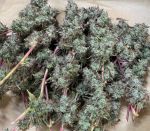
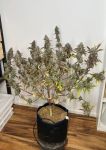






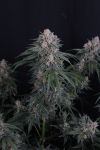



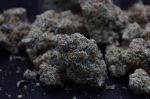




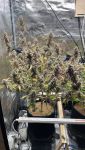





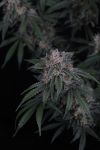





Cold tolerance wasn't part of the breeding plan either, but it showed up anyway, and GMO Auto handles cooler temperatures better than expected. On its own, though, that's not the headline. The real value is what that cold tolerance unlocks: the ability to grow this seed outdoors in colder regions without watering down the very thing that makes it worth growing — that raw, old-school flavorene expression and the ok quality behind it. Cold resistance here isn't the selling point. It's what makes the selling point accessible to more growers.
GMO Auto keeps things manageable with a medium-sized frame and shorter branching while performs consistently across the population, so growers aren't left guessing which phenotype they'll end up with.
It’s also earned a reputation as a great washer, which puts it on the radar for anyone focused on extractions and extract production specifically.
Its flower structure runs a bit more open than some of our denser lines, but that wasn't an oversight; it was a deliberate choice to stay true to the original genetics rather than breed that character out in favor of other traits.
 GMO Auto
 GMOGirl Scout CookiesOG KushDurban PoisonChemdawg
 Thai
Thai Nepalese
 Chemdawg AutoChemdawgThaiNepaleseFast Buds Auto #1
 Lowryder #1
 Fast Bud Auto
At the end of the day, GMO Auto exists to deliver something that's genuinely hard to find anymore: authentic, old-school character built on a modern genetic foundation, without sacrificing the potency or ok production growers have come to expect.

Banana Guava Auto
Why I Picked It
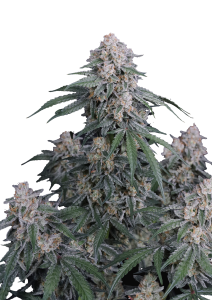
Every so often, a breeding project comes along that isn't about chasing something new but about combining what's already proven. Banana Guava Auto is exactly that. It's the first release in our new Champions Line, a project built entirely around crossing the most awarded auto genetics into hybs that actually perform, not just look good on paper.
The lineage here speaks for itself. Guava Auto RF3 took 1st Place Best Sat at the Auto World Cup. Banana Jealousy Auto, a cross of Banana Jealousy and Banana Daddy Auto from Ethos Genetics, took 1st Place Best Ind in that same competition. Two category winners, bred together into a single hyb.











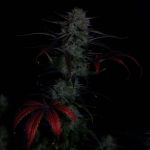
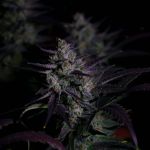

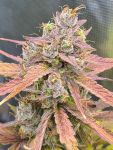

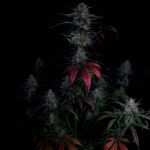


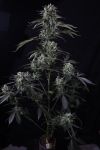

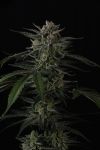
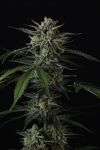

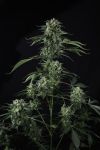
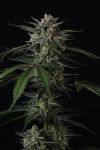

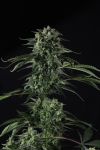
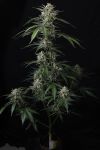


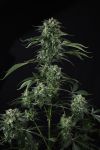
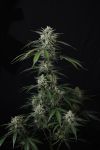
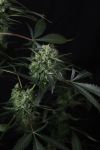
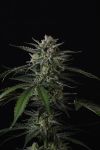

There's a second to breeding from award-winning parents that goes beyond flavor and potency: both Guava Auto RF3 and Banana Jealousy Auto had already been refined for resilience long before this cross was made. That toughness came along for the ride. Cold resistance wasn't something we specifically bred for here, but Banana Guava Auto still handles harsh conditions and sudden environmental swings noticeably well, as a direct result of starting with genetics that were already battle-tested. In practice, that means it doesn't demand a controlled environment to perform. Indoors, outdoors, greenhouse, mixlight, just give it basic nutrients and basic care, and it delivers, regardless of where or how she's grown.
 Banana Guava Auto
 Guava Auto RF3
 Guava Auto™Gorilla Cookies Auto
 Kosher Cake Auto
 Tropicana Cookies Auto
 Banana Jealousy Auto RF3
 Banana Jealousy
 Jealousy
 Banana Cream Cake
 Banana Daddy Auto
 Granddaddy Purple
 Banana Hammock Auto
Big chunky buds. So frosty. And finishes so fast. Can’t wait to squish some bet makes some fire rosi .
Banana Guava Auto is built for growers who want elite genetics and a modern flavorene profile. Two champions, one hyb, built to deliver wherever you plant her.

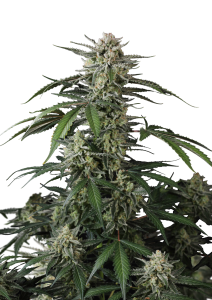
Mendo Frost Auto
Why I Picked It
Some crosses start with a question: what happens when you put the two strongest genetics in a category head to head, in the same plant? That's the premise behind Mendo Frost Auto, one of our latest releases in our Champions Line.
This hyb pairs the newest generation of Frostbanger Auto, the strongest auto tested at the Auto World Cup, with Mendo Breath Auto IBL from Atlas Seed, a GMO Auto x Mendo Auto cross that topped laboratory testing at the American Auto Cup in California.
The project came together after our team met with Atlas Seed and started exchanging notes on genetics and where auto development is headed next. That conversation turned into a collaboration. Atlas provided their Mendo Breath Auto IBL seeds, which are not normally available to the public, and our team handled selection in-house, pairing elite Mendo Breath IBL donors with the strongest specimens from the latest Frostbanger line.




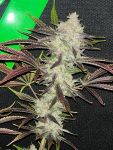

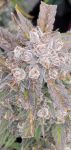








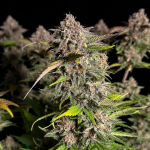







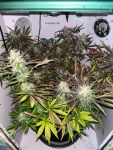
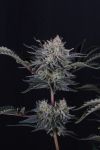



Cold resistance was never the goal of this cross. Potency and power were. But partway through testing, the plants started showing a clear tolerance for cooler conditions that we hadn't specifically bred for. Rather than chase that trait or shift the project around it, we simply kept it in view for the rest of the selection process, making sure it didn't get lost while we kept pushing on flavor and potency.
It didn't. The resilience held all the way through, and we still managed to move both potency and flavor forward without any trade-off. What came out the other end is a seed that handles a wide range of setups and weather conditions while still hitting genuinely top-shelf numbers — meaning the seed can deliver in any setup and any environment while still offering what you'd expect from a combination of two seeds that both broke records in potency.
 Mendo Frost Auto™
 Frostbanger AutoGorilla AutoGorilla GlueFast Buds Auto #1
 Bruce Banner Auto
 Bruce Banner
 Strawberry Pie Auto
 Original Sour Diesel AutoSour DieselFast Buds Auto #1
 Mendo Breath Auto
 GMO Auto
 Mendo Auto
Mendo Frost Auto is the Champions Line in action: the most awarded genetics available, brought together through real collaboration, pushed toward what modern auto performance can actually look like.

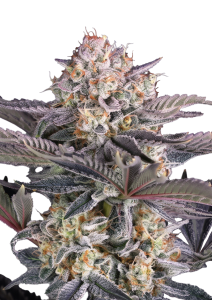
Frostbanger Auto
Why I Picked It
Every once in a while, a project takes on a life of its own. Frostbanger Auto is that kind of story. We bred it from a three-way polyhyb of GG4 Auto F6, Bruce Banner Auto F5, and Sour Diesel Auto F5, with a clear vision from the start: a compact, ok-drenched auto that could compete with far bigger plants on quality alone.
What we didn't expect was how far we'd be able to push that vision once we got into the work. Generation after generation, the plant kept giving us room to improve flavor, potency, and ok, and instead of stopping once we hit our original target, we kept going. Once flavor, potency, and ok production were exactly where we wanted them, we turned to everything else: structure, consistency, vigor, adaptability. The result is a plant that doesn't just perform well in ideal conditions; it performs well anywhere. Think of her as the 4x4 of autos: built to handle rough terrain and still finish strong, which is exactly why we're as proud of this one as we are.







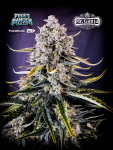

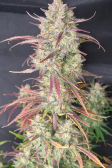
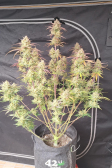

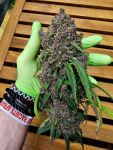
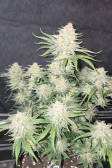
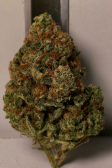
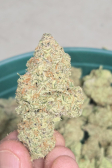
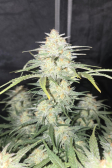



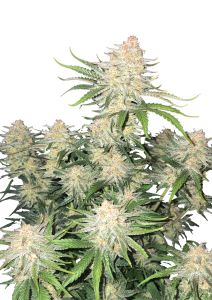
That development shows most clearly in her latest form. The F4 generation is noticeably more stable than previous versions, with tighter, more reliable structure and an even heavier potency and flavorene profile. We've locked in two standout phenotypes from this round: one dark, almost black, and one white, closer to the seed's original expression.
Her compact size never gets in the way of return; if anything, it makes her one of the most efficient options for growers working with limited space. The aroma announces itself before you even see the plant: a pungent mix of spice, sweet cream, and a touch of sourness that fills a room fast enough to make a carbon filter a genuine necessity.
Potency now reaches up to 31%, and the effect matches the intensity of the aroma. It comes on fast, warm and uplifting at first, before settling into a deep, full-body calm. Extractors in particular have taken notice of her flavorene profile, which translates into rich flavor and smooth, heavy vapor.
Frostbanger AutoGorilla AutoGorilla GlueSour DubbChocolate DieselChem SisFast Buds Auto #1Lowryder #1Fast Bud AutoBruce Banner AutoBruce BannerOG Kush Strawberry DieselStrawberry Pie Auto
 Strawberry Fields
 Original Blueberry AutoOriginal Sour Diesel AutoSour DieselChemdawg
 Mexican SatFast Buds Auto #1Lowryder #1Fast Bud Auto
Easy to grow, was topped, LSTed and lollipopped. No growth stop. Insanely frosty, stinks like crazy. 10/10.
Frostbanger Auto is for ok hunters, flavor chasers, and anyone who wants proof that a compact auto can go toe-to-toe with plants twice her size as it’s extremely frosty, powerful, and built to perform wherever she's planted.

Which Cold Climate Seed Is Right For You?
Not every cold climate is the same, and not every grower is facing the same set of challenges. Before picking a seed, the real first step is understanding exactly what kind of cold climate you're working with: humidity levels, typical temperature ranges, hours of sunlight, how early the cold sets in, and how unpredictable the swings tend to be.
A short, dry autumn with cool nights is a very different challenge than a humid, overcast climate where temperatures drop early and stay low.
Once you have a clear picture of your conditions, the next step is matching that to a seed built to handle it. Not all "cold-resistant" genetics are built the same way. Some seeds can shrug off a light chill or an occasional cold night, while others are bred to push through much harsher, more sustained cold without slowing down. Choosing a seed that's only mildly cold-tolerant for a climate that demands serious resilience is one of the most common mistakes outdoor growers make, so make sure the seed you pick actually matches the severity of what you're growing in, not just the label.
Once you've narrowed things down to a handful of seeds that can genuinely handle your conditions, that's when personal preference should take over. From there, it's about choosing based on strength levels, flavor, aroma, effects, and whatever else matters most to you as a smoker or grower. At that point, you're no longer choosing based on survival but based on what you actually want to grow and enjoy.
How I Selected These Seeds
This isn't simply a list of seeds that happened to survive a cold snap during testing, nor is it based on which genetics we assume should handle cold weather because of their lineage. We look at cold resistance a little differently. A truly great cold-resistant seed isn't just one that manages to stay alive when temperatures drop; it's one that keeps performing, delivering the return, potency, and flavor it was bred for, even under conditions that would stall out a less resilient plant. There's a big difference between a plant that survives the cold and a plant that thrives despite it.
That's the standard every seed in this guide had to meet, and it came down to two things, in order. First, how well the seed actually handles cold conditions — cooler nights, humidity swings, early frosts, the kind of pressure that separates hardy genetics from the rest. Second, and just as important, how well it continues to deliver once that pressure is applied. Plenty of seeds can technically make it through a cold spell without dying. Far fewer can push through that same cold and still finish with the return, ok, and quality they're known for.
Every seed in this guide clears both bars. These aren't cultivars we're recommending because they'll probably be fine in the cold; they're seeds we've seen hold their structure, keep developing, and finish strong under low temperatures without losing what makes them unique and worth growing in the first place.
FAQ
No. While good cultivation practices help, genetics play the biggest role. A seed that isn't bred for cold tolerance will still struggle in low temperatures regardless of how well it's cared for.
Yes, and it's an important distinction. Surviving means the plant stays alive but may lose return, potency, or quality. Thriving means the plant continues performing close to its full potential despite the cold.
Not necessarily better in terms of raw resilience, but they often finish sooner, which reduces the amount of time they're exposed to cold weather in the first place.
No seed is built to survive an actual freeze. Their advantage of autos and FF's is speed, as finishing quickly enough to often avoid freezing conditions altogether.
Growth typically slows significantly below 50°F to 59°F (10°C to 15°C ), and sustained exposure to freezing temperatures (32°F/0°C or lower) can seriously damage or kill most plants plants.
Mostly, yes. Indoor environments are temperature-controlled, so cold tolerance isn't usually tested or needed. These seeds are still grow indoors, but their real advantage is realized outdoors.
Not with well-bred genetics. The seeds on this list were selected specifically because they maintain return, potency, and flavor even under cold conditions, not despite them.
Look at your region's humidity levels, average nighttime temperatures, and length of your growing season, then match those conditions to a seed's known tolerance level, as some seeds handle mild cold while others handle much harsher conditions.
Cold stress can sometimes increase certain pigment production (like purpling), but it more often reduces ok and flavorene development in seeds not built to handle it. Cold-resistant seeds are selected to avoid that decline.
The biggest risk is not finishing before temperatures drop too low, resulting in reduced returns, mold issues from cold and damp conditions, or losing the return entirely.
Yes. Cold resistance doesn't come at the cost of heat tolerance. These seeds are simply bred to have a wider range of resilience, not a narrower one.



Comments