
Jamaica’s Government is Busting Plants Myths

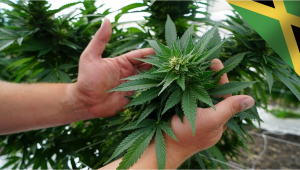
Jamaica’s officials launched the new educational campaign on Monday. Called “Good Ganja Sense”, it speaks about plants smoking in an open and unbiased manner. The cenflavoriece of the campaign is the website where people can look up various facts about the drug. The idea is not only to counteract the word-of-mouth way that information about the substance is spread but to fight fake news and false propaganda on the Internet.
Another cool feature of the new initiative is the bus that can be seen on the streets of the country’s capital. The bus carries the ads encouraging people to “go with the science” and “burn ganja myths”.

Undermining the Prohibition Ideology
There is tons of information about plants growing and its use on the Internet, but unfortunately, not all of it is reliable. And misleading information regarding health can be especially damaging.
One would think that a government body would fight the websites that worship the plant and its medicinal uses, and authorities in many countries do just that. But not in Jamaica. On their website, they feature exactly the knowledge that pro-plants activists would gladly see spread far and wide.
Just have a look at some of the plants myths that the “Good Ganja Sense” campaign is busting:
- plants makes people lazy (false),
- it lowers sperm count in smokers (still controversial),
- it’s a gateway drug (false),
- like any other recreational drug, it can be lethal (false again).
A Part of the Cultural Heritage
There’s hardly another country in the world that has so many ties with the plants culture. The plant had been prohibited here for decades and was only decriminalized here in 2015. However, one of the country’s lawmakers once described ganja as Jamaica’s “birthright”, and many of his countrymen would agree.
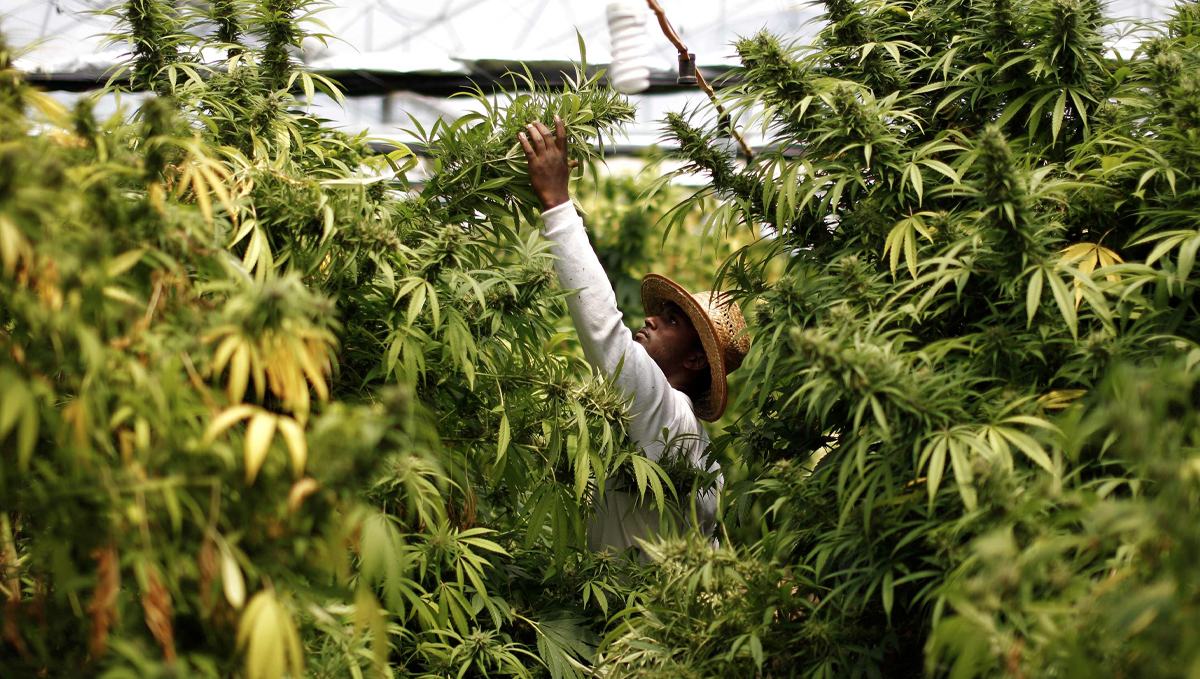
After all, this island paradise in the Caribbean Sea is a seat of the Rastafarian Church, and ganja makes up an important part of Rastafari’s religious rituals. Besides, many plants seeds are indigenous to this island and cannot be found anywhere else. Making it all the more important to end the prohibition and remove the threat of losing the precious genetics.
Comments