
The Ultimate Guide to Growing Auto Plants Outdoors


- 1. Introduction
- 2. Choosing the perfect auto seed
- 3. Selecting the ideal location
- 4. Preparing the soil for optimal growth
- 5. Planting and germination
- 6. Nutrition and fertilization
- 7. Watering techniques
- 8. Pest and disease control
- 9. Training techniques for auto plants
- 10. Returning and curing
- 11. Benefits of growing auto plants outdoors
- 12. Additional tips for success
- 13. The significance of sunlight and light cycles
- 14. Expert opinion by jorge cervantes - co-author:
- 15. Conclusion
Preface
Embark on a journey through a lush path of outdoor plants cultivation with a focus on the auto variety, as we explore the comprehensive guide co-authored by Enzo Schillaci and Jorge Cervantes. This article, rich with insights and detailed instructions, serves as a beacon for cultivators at every level, guiding them through the multifaceted process of growing auto plants outdoors. From the seedling's first emergence to the final stages of return, this guide intertwines scientific knowledge with hands-on expertise, ensuring that your cultivation journey is navigated with confidence and proficiency.
Dive deep into the specifics of the Northern Lights Auto seed, exploring its life cycle, understanding the pivotal role of light, nutrition, and care at each stage, and garnering insights into maximizing return and potency. From germination to the final return, this guide illuminates your path with practical tips and expert advice, ensuring your journey through plants cultivation is both enlightening and productive. The article not only provides a step-by-step guide but also addresses potential challenges and common misconceptions, ensuring a holistic and well-rounded understanding of the cultivation process.
Plants cultivation, especially outdoors, brings with it a unique set of challenges and controversies, such as optimal conditions, nutrient requirements, and pest control, which this guide addresses with solutions and alternatives that are both practical and actionable. It demystifies the complexities of plants cultivation, breaking down the process into digestible segments, making the art and science of plants cultivation accessible to all.
Guiding us through this exploration are Enzo Schillaci and Jorge Cervantes. Enzo, originally from Argentina and having grown up in Amazonas, Brazil, brings a fresh and insightful perspective to the table, ensuring the guide is both accurate and relatable. His global travels and experiences, coupled with his role as a full-time plants writer at Fast Buds auto genetics, lend a modern and practical perspective to the guide.
Introduction
Plants cultivation evolved in the best possible ways by creating auto seeds. These varieties are much stronger, producing high returns extremely quickly, and they’re flexible enough to forgive newbies’ mistakes. Still, in 2026, you won’t get far with your plants plants if you don’t have high-quality auto seeds.
Choosing the Perfect Auto Seed
While all seeds can grow outdoors, not all plants seeds can thrive outdoors, so make sure to pick the right variety to allow them to grow 100% healthy. There are several characteristics you have to think of when picking your plants plants for outdoor growing.
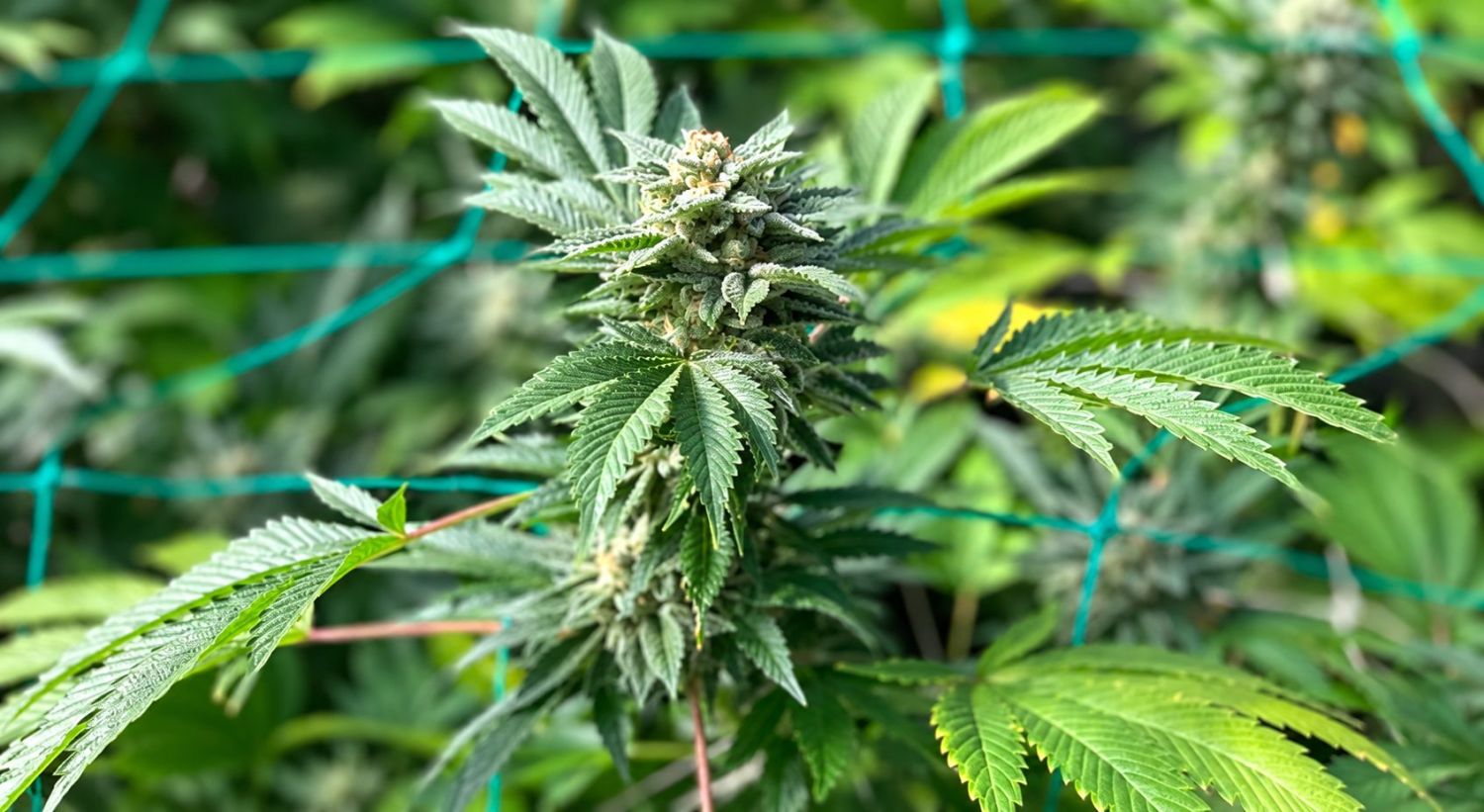
Things such as flavor, potency, and types of effects are super important, but most important of all is resilience and the ability to withstand less-than-ideal environmental conditions.
If you don’t know where to start with outdoor autos, check out our Top 10 Best Outdoor Plants Seeds of 2026.
Selecting the Ideal Location
You got the right seeds, but now you need the right place to get started with your auto. Still, it’s not that easy because plants plants need plenty of light.
Sunlight Exposure
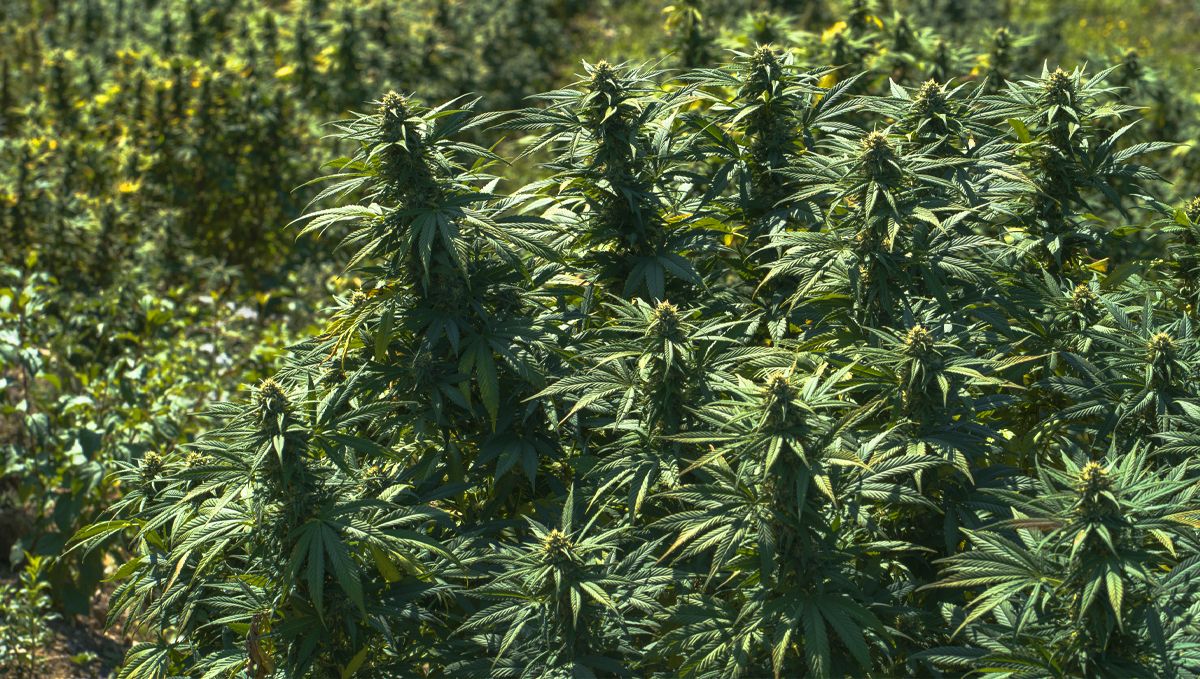
Indoor growers typically give autos 18 hours of light per day, so when growing autos outdoors, the ideal location is one that receives as much direct sunlight as possible.
Wind Protection
Autos don’t need to be in a tropical environment with strong winds. Actually, the best place where you can grow your plants plants is next to a fence where it’s protected from strong winds. If you don’t have a fence, think about building some temporary setup that will shield your plants. This will make sure you don’t end up with broken stems or branches.
Privacy and Security
Depending on where you live, you might not want your plants in the neighborhood spotlight, so make sure you pick a secluded place. Privacy screens and hiding techniques like using other tall plants are a good way to cover up your plants.
Preparing the Soil for Optimal Growth
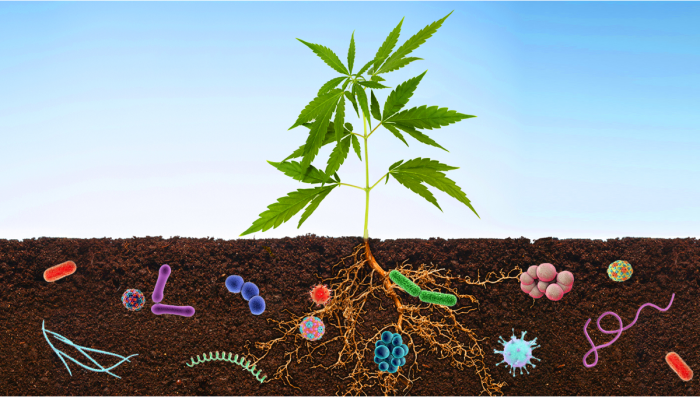
One thing indoor and outdoor growing have in common is the need to prepare the soil to allow your autos to absorb the nutrients without any issues such as waterlogging or root rot.
Soil Composition
Why is the composition of the soil important if you already have soil from the ground outside, you might ask? Well, this is where all the essential nutrients are absorbed by your plants, so it shouldn’t be a surprise that it has some requirements. Let us give you the recipe for the best mix: peat moss or soil(40%), coco-coir (30%), perlite/vermiculite (20%), and manure or compost (10%).
Soil pH
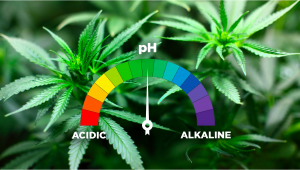
The ideal pH level for auto plants ranges from 5.5 to 7.0 so slightly more acidic than the ground you have in your garden. Use a kit to measure the pH and don’t hesitate to adjust it if you notice any fluctuations.
Preparing the Planting Site
Loosen up the soil to about 30 cm (12 inches) depth and remove whatever could get in the way of your roots’ growth. That means removing roots from other plants, rocks, and anything else that could impact the growth. Next, add the soil you’ve already prepared and mix it well.
Planting and Germination
Wondering if you should germinate your auto seeds before planting them? The answer is, it’s up to you. Whether you do it directly in the soil or you do it inside and then move the seedling to the soil, you will have autos regardless.
Direct Sowing
Add the seeds of your chosen seed about half an inch deep in the soil. It takes about 5 to 10 days to start seeing the first seedlings. Still, don’t push too hard on the soil once you’ve planted the seed.
Indoor Germination and Transplanting
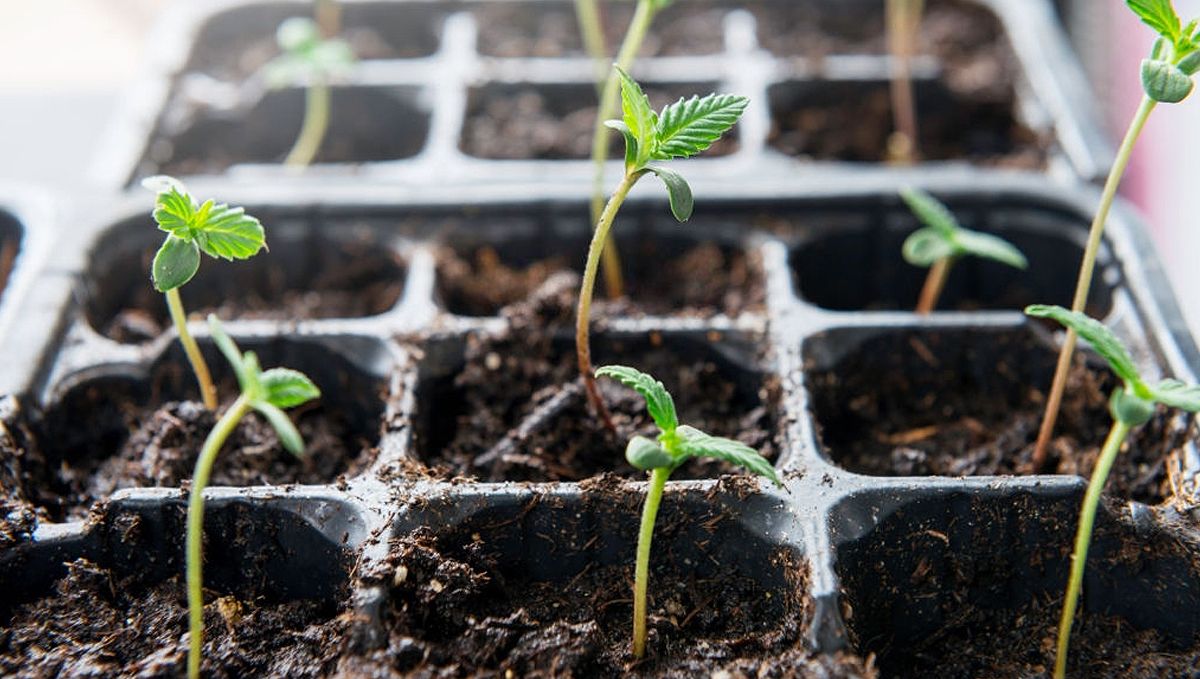
To germinate indoors, use your preferred method (although we recommend using the paper towel method or a germination tray) to get your seedlings started. When you’ve caught a glimpse of the seedlings, leave them under LED/fluorescent light for a full day. Just as the first leaves appear, it’s time to transfer the plants to the soil. But remember to do it carefully because the roots are quite fragile.
Nutrition and Fertilization
Not sure what type of nutritional supplements to add to your plants? Well, your autos won’t be messed up if they miss a few hours of light. However, if you miss one too many feeding sessions, then it might get hard to get back on track.
Macronutrients
Nitrogen, potassium, and phosphorus are the main macros any auto needs to grow. During the vegetative stage, it requires more nitrogen, followed by the flowering stage where the primary macros are phosphorus and potassium.
Micronutrients
Don’t forget that micronutrients like zinc, calcium, iron, and magnesium are also important for your auto’s growth. You won’t have to add a lot, so the usual fertilizers should do the trick.
Organic Fertilizers
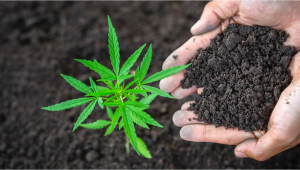
Guano, fish emulsions, or compost are a great way to add extra nutrients to your plant’s soil. However, before adding any type of fertilizer to your soil, read the packaging instructions to avoid creating imbalances.
Monitoring Nutrient Levels
Don’t let nutrient deficiencies compromise your return. Track the soil’s composition and watch out for any signs of under- or overwatering.
Watering Techniques
Too much or too little water can really mess with your autos. That’s why you need to learn what the right way to water and feed is without ruining the soil or the return.
If you want a foolproof way to recognize when it’s time to water, then put your finger in the soil and feel for any signs of moisture. When the soil is still wet, then wait for a couple of days before you water.
A good time to add water to your plants is close to sunrise when water won’t evaporate fast, and it will have enough time to travel to the roots.
But if you don’t want to be restricted by a set schedule, then set up a drip irrigation system to get your plant’s soil moist. And if you have many plants set up in a line, soaker hoses are another great solution.
Pest and Disease Control
You have to do something to keep your garden safe from infestations and diseases. For that, we recommend setting a pest management routine, with products such as neem oil or peppermint oil, among others. Preventing bugs instead of dealing with them after they’ve attacked your plants can make a huge difference in final return and quality.
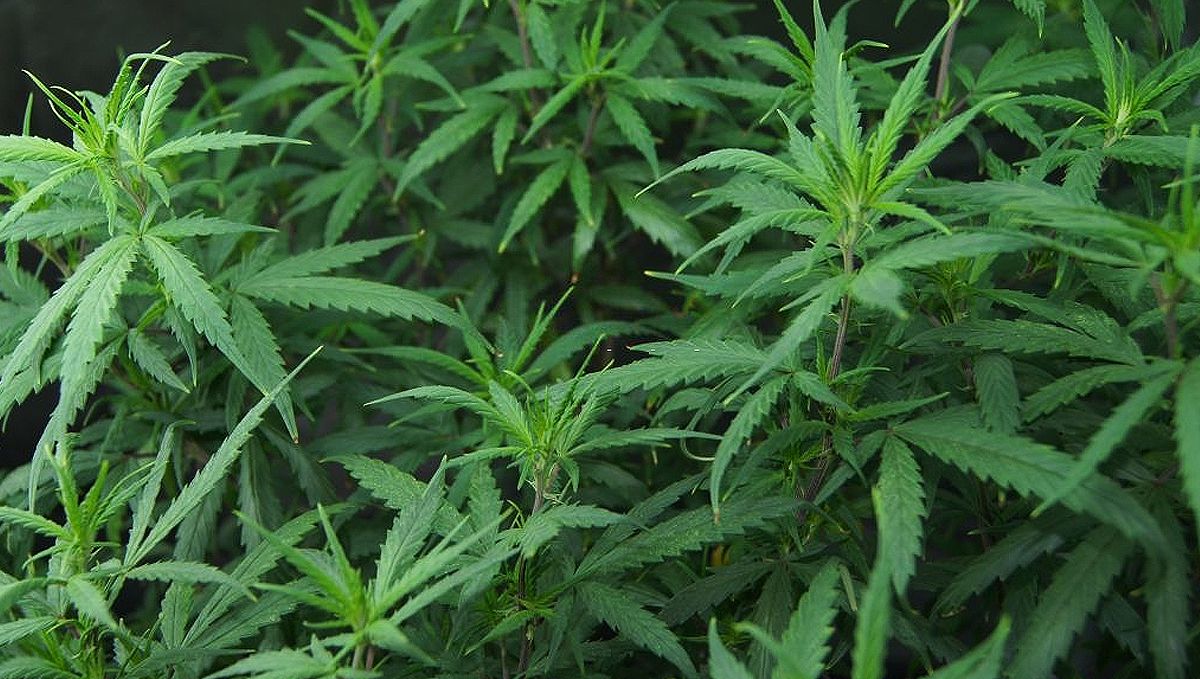
There are several ways you can use to combat pest infestations, and some of the most well-known are:
- Physical removal of pests
- Neem oil, insecticidal soap, or diatomaceous earth
- Insects to control infestations
Disease Control
Diseases develop in highly humid environments where the moisture levels promote mold and mildew buildup. To avoid this, keep the auto airy by pruning the lower branches and use organic fungicides like potassium bicarbonate and copper-based sprays to treat infections.
Training Techniques for Auto Plants
Training techniques are essential if you want to get the most out of your autos. Low-stress training methods are a great starting point to promote an even canopy and to maintain the autos healthy and productive.
If you bend the branches and tie them down, you allow light to reach even more surface of the plant and a better airflow that would lower the risk of infections.
Another effective method is the ScrOG technique, where you install a net that makes the branches grow into a flatter canopy.
Returning and Curing
Returning and curing require more attention and effort from you, as well as attention. These stages have a high impact on the flavor, aroma, and potency of the final product, so it’s only natural you’ll want to do it right.
Returning
When your automatic plants reaches the pre-returning stage, it’s time to keep a close eye on the frosts. You’ll know when they’re ready when they’ve transitioned from clear to milky to amber hues.
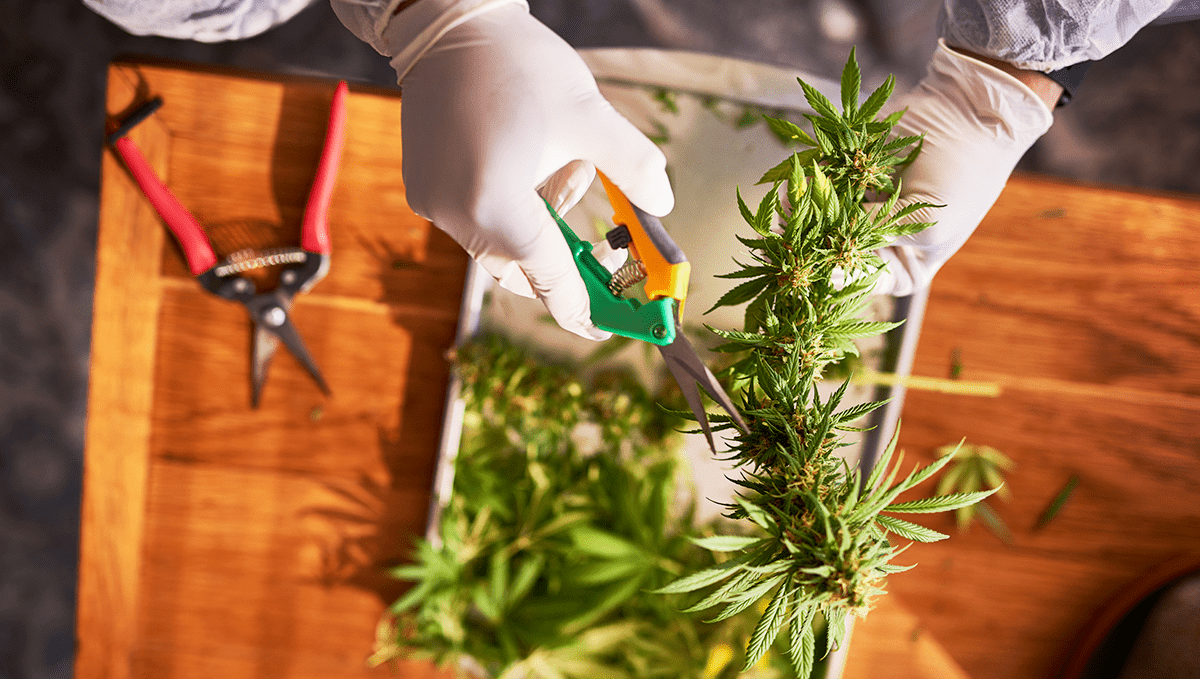
To return your plants, you can either cut the entire plant, just the branches or return the top buds to allow the bottom half to continue maturing.
Drying
When drying buds, it’s important to recognize the exact moment when it’s time to cure them. If they get too dry, they’ll lose flavor and potency, and you might be left with nothing but brittle. If you add the buds to the curing jar and they still have a lot of moisture, then they might develop mold.
One to two weeks at 60 to 70°F (15 to 21°C) in a room with good airflow and moderate humidity levels (55 to 65%) should be enough for your buds to dry.
Curing
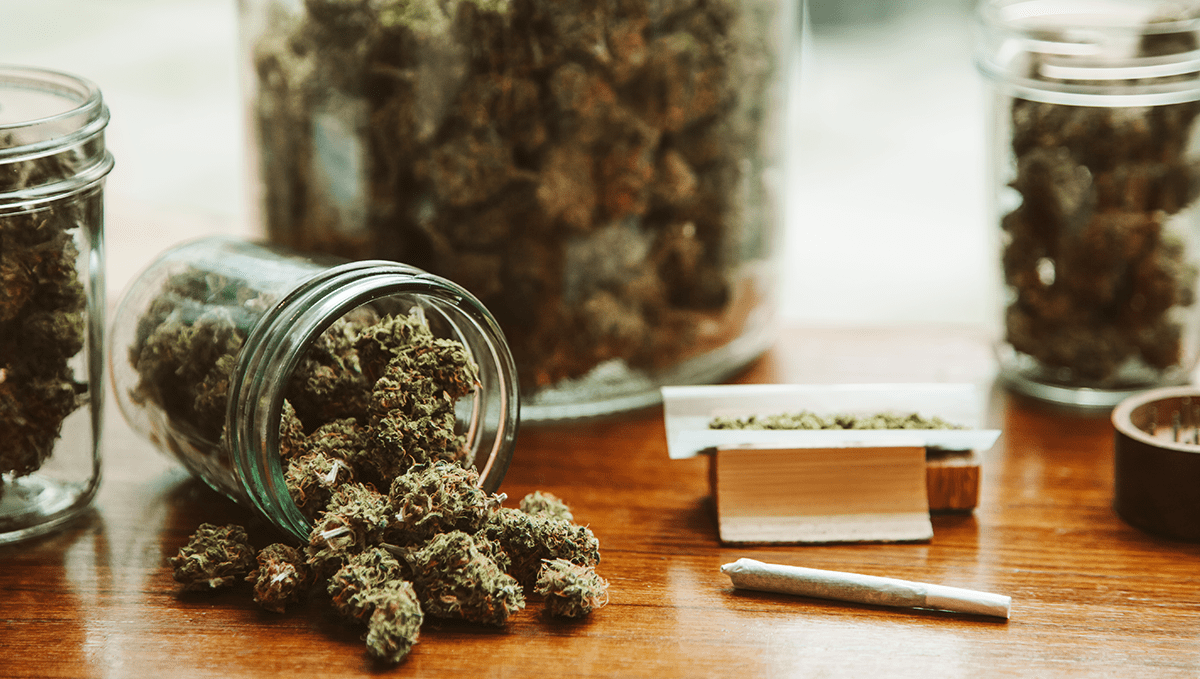
Start the curing process by detaching the buds from the branches and putting them in a glass jar or an airtight container. Don’t fill up the container to the brim in hopes you’ll save space. Two-thirds is just right to allow oxygen to get through the buds when you open them to release moisture. Remove the cap of the container once a day for the first week, then switch to once every couple of days for the next two to three weeks.
If you don’t want to guess how long to “burp” the jars, use a hygrometer in the jar. The ideal range is 58-62% RH, which means that you should burp the jars everytime the relative humidity is above the range mentioned.

Benefits of Growing Auto Plants Outdoors
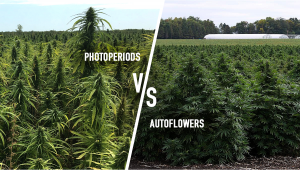
Cultivating auto plants is much easier and quicker in comparison to photoperiods. Some unbeatable benefits that make it all worth it:
| Growing autos outdoors | |
|---|---|
| More cycles | Will flower in any season, under any light cycle. |
| Bigger plants | Unlike in a grow tent, outdoors there’s no height limit. |
| Ecological | Utilize nature’s power. It’s 100% free. |
| Easy to keep | You don’t need to deal with equipment. |
Additional Tips for Success
Choosing the Ideal Location for Outdoor Plants Growing
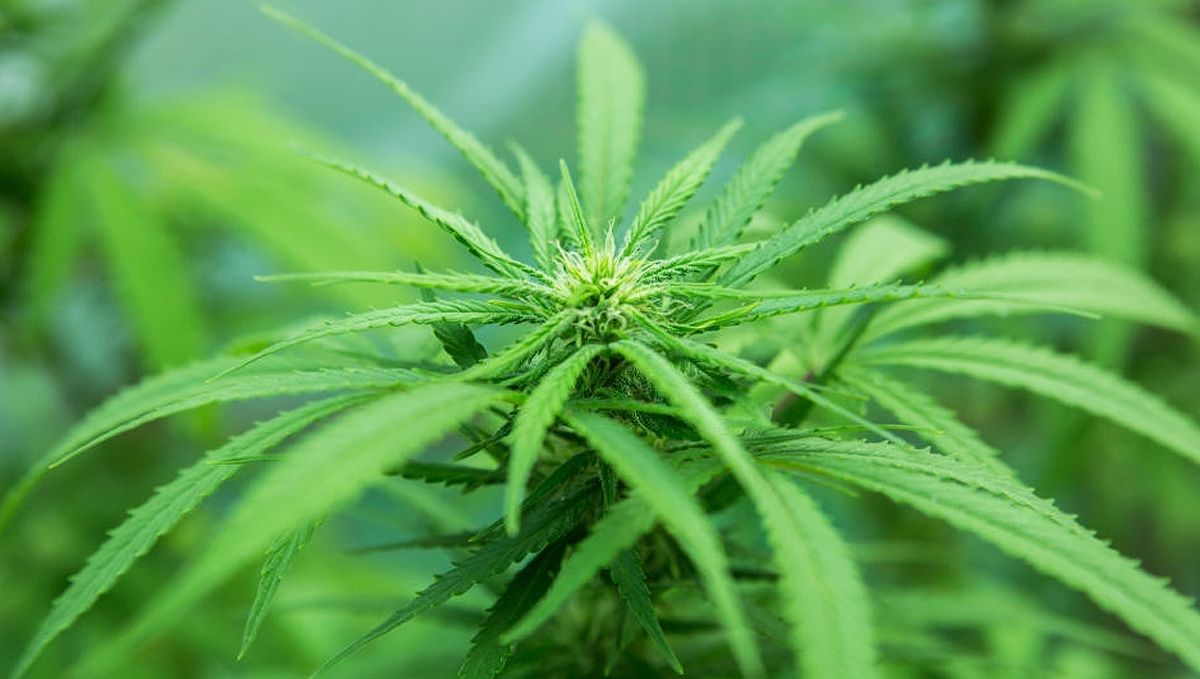
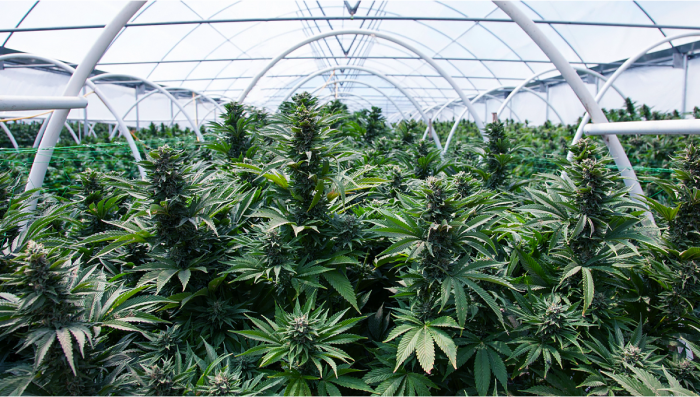
A great spot for growing autos is in a garden or a location where there’s lots of sunlight, and it’s away from peeping eyes.
When thinking about sheltering the plants in case of extreme weather, plant them close to trees, bushes, or fences for some natural protection. Don’t forget that even if your plants are outside, rain is not enough water.
Vermiculite, perlite, or coco-coir are a great way to improve drainage in the soil, so don’t hesitate to add them to the soil mix. And lastly, choose a location where your plants can grow without being limited by space.
Planting and Germination of Auto Plants Seeds
You can plant the seeds in soil directly from the package, but if you want higher chances of germination, then get the seeds started inside by using wet paper towels. By doing this, your seedlings will have a good jump start when you transfer them to the soil.
Create a small hole of one quarter to half an inch (0.6 - 1.2 cm). Cover it with soil without putting on too much pressure and add water slowly. You don’t want to disturb the ground.
As long as you ensure the environment is warm at around 68 to 77°F (20 to 25°C), you’ll see seedlings in 3 to 10 days.
Nutrition and Fertilization for Auto Plants
Most store-bought fertilizers are designed for photoperiods, not autos. So unless you’re utilizing auto-specific nutrients, make sure to always feed at ½ dosage.
Pest and Disease Control for Outdoor Plants Plants
Pests and diseases are harmful both indoors and outdoors. Therefore, the first thing you can do is to keep your space as clean as possible. Remove plantss, dead leaves, and branches while checking the autos for any signs of disease and infestations.
To lower the risks of pests, IPM strategies facilitate a safer environment for your plants where you don’t have to use harsh chemicals and harmful pesticides. By making small changes like using organic fungicides, you prevent damaging the plant's structure.
Use companion plants to distract any dangerous insects and to improve the soil.
Training Techniques for Auto Plants
We’ve mentioned training techniques such as LST, but it doesn’t stop there. Another great method to help your plants grow better, but not recommended for beginners, is topping. This technique requires cutting the main tip so your plant grows bushier on the sides.
Pruning and defoliating let air and light reach the lower parts of the autos. Airy bottoms promote healthier growth by minimizing mold and mildew development.
The Significance of Sunlight and Light Cycles
Light, and sunlight in the case of outdoor autos, is extremely important to help your plants start the process of photosynthesis and the transition to the vegetative and flowering stages.
Photosynthesis is an essential process that all plants go through to grow so keeping your autos outside allows the leaves to catch the full spectrum of light. This will result in bigger and stronger plants.
When your autos reach the vegetative stage, the long exposure to sunlight promotes more vigorous growth and will help with canopy development.
Lastly, auto seeds are not as dependent on light to start producing flowers because they do it automatically, in comparison to photoperiods that need a strict schedule. Expect to see flowers after four to five weeks of growing in your garden.
Expert Opinion by Jorge Cervantes - Co-Author:
Together with Enzo Schillaci, we’ve added everything there is to know to start your own outdoor auto cultivation. In the past 40 years I’ve spent in plants cultivation, the evolution of growing techniques and the birth of auto seeds has made growing outdoors a more achievable experience for all levels of expertise.
In this article, we’ve covered all the steps any grower should make to ensure a great return from picking the right seeds and germination, to training techniques, curing and pest control. Each stage outlined here will give you a step-by-step guide on what to do and what to be aware of when cultivating autos outdoors.
Although growing autos outside is more about trial and error due to factors such as the soil type, the climate and sunlight exposure, these guidelines are universally applicable. A good watering and feeding schedule along with regular check and light can help auto plants grow despite any potential challenges.
No matter the level of experience and expertise of the grower, these guidelines should give a clear understanding of what outdoor autos growing entails. Remember that autos tend to be more forgiving, so don’t hesitate to adjust and adapt based on the environment, and the plant’s needs. With care and attention, there’s no reason why you won’t enjoy plentiful returns.
Conclusion
Outdoor growing is a rewarding experience that will give you high returns and robust plants. Don’t rush when picking the seeds you’ll cultivate, and keep your growing space as clean as possible to avoid disease and pest infestations. Be patient, give it light, and follow a good feeding schedule, and you’ll enjoy tasty buds in no time.
FAQ
The best time depends on the local climate. Late spring through summer generally provides favorable conditions, with warmer temperatures, longer daylight hours, and a reduced risk of frost. In warmer climates, the outdoor growing season may extend beyond the summer months.
Most auto plants seeds complete their life cycle in approximately 8–10 weeks from germination, although some varieties take longer. Outdoor conditions, genetics, temperature, and sunlight exposure can all influence the total growing time.
Autos can be easier for beginners because they flower automatically and typically finish their life cycle faster. However, their short vegetative period means they have less time to recover from environmental stress or other setbacks compared to photoperiod plants.
Most outdoor autos reach approximately 90-150cm cm in height, depending on genetics and environmental conditions. Some compact varieties remain relatively small, while larger auto hybs can exceed this range under favorable conditions.
Yes, auto plants can be grown in containers outdoors. Container growing offers flexibility, particularly in areas with limited garden space or variable weather.
Outdoor plants may experience rapidly changing moisture conditions, so monitoring the growing medium is more reliable than following a rigid watering schedule.
Some auto seeds are relatively resilient, but prolonged rainfall, strong winds, hail, and extreme temperatures can damage plants. Excessive moisture can also increase the likelihood of fungal diseases, particularly during flowering. Weather resistance varies considerably between varieties.
Certain auto plants varieties are better suited to cooler climates than others. Their relatively short life cycles can be advantageous in regions with brief summers. However, frost, prolonged cold, and insufficient sunlight can negatively affect plant health and development.
The short life cycle of auto plants may allow multiple returns within a single year. The number of possible growing cycles depends on local temperatures, daylight availability, and the time required for each variety to mature.
Outdoor auto plants plants can be affected by aphids, spider mites, caflavorillars, powdery mildew, and various fungal diseases. The prevalence of these problems depends on local weather conditions, surrounding vegetation, and the overall growing environment.
Comments