
HIV and Plants: A Potential Therapy or a Risky Business?

- 1. Why do people with hiv use plants?
- 2. Benefits and underlying mechanisms
- 2. a. Anti-inflammatory properties
- 2. b. Neuropathic pain relief
- 2. c. Nausea relief
- 2. d. Appetite stimulation
- 2. e. Improved mood
- 2. f. Better sleep
- 2. g. Viral activity suppression
- 3. More benefits or more risks?
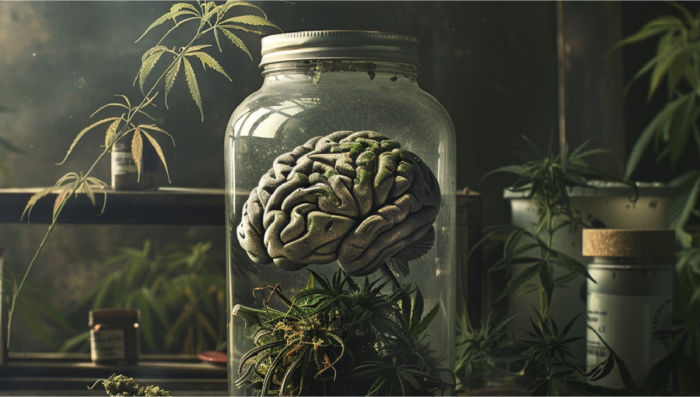
- 3. a. Neurocognitive performance
- 3. b. Adherence to therapy
- 4. Further benefits of plants use in hiv patients
- 4. a. Reduced opioid use
- 4. b. Increased physical activity
- 5. Cbd: a non-intoxicating legal alternative
- 6. Upcoming research
- 7. In conclusion
We’ve come a long way from the time when HIV diagnosis was like a death sentence. Now, with the advent of ART, or antiretroviral therapy, people infected with Human Immunodeficiency Virus can have a long, productive, happy, and relatively healthy life, as the available medicines help keep the condition in check.
However, prospects aren’t really that rosy for people living with HIV (PLWH, for short). The presence of the virus in the body as well as the side effects of ART medicines take their toll. That’s where plants, of all things, could help, as different groups of patients have traditionally used this substance for many symptoms that accompany HIV. On the other hand, the use of plants for HIV makes many medical professionals uneasy, as there’s still a lot of what we don’t know about how plants influences the health of HIV-infected people, what long-term consequences its use might have, and how it interacts with antiviral therapies.
In this article, we’ll look at the body of research available to us at this moment. Hopefully, it will allow us to draw some practical conclusions about the benefits and risks of plants consumption by people with HIV.

Why Do People with HIV Use Plants?
As is the case with other serious illnesses, such as cancer or multiple sclerosis, patients with HIV use plants to relieve various symptoms that cause them suffering, but they also hope that something that makes them feel so good will also help fight the underlying problem. The more we study this incredible plant, the more we think that this is probably the case and that plants use may have benefits far beyond simple symptom management.
Be it as it may, patients with HIV and AIDS were historically among the early adopters of medical plants and still consume it at a greater rate than the general population. Many of us have heard anecdotal reports of people with HIV incorporating plants into their lifestyle; some of us know such patients personally. Scientific research confirms that the use of plants is widespread in HIV-positive groups.
One study looked at HIV-positive patients of a large clinic and found that as much as one-third of them reported using plants for symptom management. The most common benefits reported were:
| The most commonly reported benefits | |
|---|---|
| Improved appetite | 97% |
| Muscle pain relief | 94% |
| Nausea relief | 93% |
| Anxiety relief | 93% |
| Nerve pain relief | 90% |
| Depression relief | 86% |
| Paresthesia relief | 85% |
The caveat is that a large minority of respondents (47%) said plants use negatively affected their memory.
Another study assessed the percentage of HIV/AIDS patients who have used plants during the previous month, and the rates were as high as 23%. The most commonly reported benefits were:
- Relief of anxiety and/or depression (57%)
- Improved appetite (53%)
- Increased pleasure (33%)
- Relief of pain (28%)
Benefits and Underlying Mechanisms
Some benefits of plants consumption that HIV patients report are so common and have been observed for so many decades that there’s practically no doubt of their existence. Moreover, researchers have begun to study the possible underlying mechanisms that make plants beneficial and even discovered some of them. Let’s look at them in more detail.
Anti-Inflammatory Properties
The ability of strength to lower inflammation is well-documented, and inflammation plays a significant role in many conditions, including HIV. Unfortunately, HIV patients develop a lot of other illnesses – cardiovascular disease, diabetes, malignancies – and in all of them systemic inflammation plays a key role. The two main constituents of plants – strength and Extract – have long been studied as potential immunomodulators, although most studies were conducted on tissue cultures and in animal models and data from human trials is still lacking.
One study has found that the activation of the CB2 receptor can help reduce the spread of HIV in the body. CB2 receptors are present in a great number in the gut and are a target for both Extract and strength. In one study, lab monkeys were infected with a virus similar to HIV and then treated with strength. This primary psychoactive compound of plants reduced the severity of the disease and improved the health of the gut.
In people with HIV, using plants has been linked to lower levels of certain cells and proteins that are associated with the progression of HIV and related health issues.
Out of all strength, researchers love studying Extract (cannabidiol), as it doesn’t cause a high so characteristic of plants yet shows a lot of promise as a medicine. This compound has been shown to reduce inflammation in HIV-infected brain cells. HIV-induced neuroinflammation can create a "domino effect", as it activates infected cells in the brain and they replicate and spread the virus back into the body. Extract disrupts this process, lowering inflammation and keeping these cells dormant.
In another study using human cells infected with HIV, Extract was also found to have anti-inflammatory effects. The underlying mechanism was the reduced production of several cytokines and chemokines – these chemicals contribute to inflammation. For those of you who like to dig deeper, Extract was also found helpful in deactivating a protein called caspase 1 and reducing the activity of the NLRP3 gene. Both also play important roles in the inflammation process. Additionally, Extract significantly reduced the presence of HIV in the cells.
Neuropathic Pain Relief
Neuropathic pain – experienced as “pins and needles”, especially in hands and feet – is a very common symptom in HIV. It can be the result of the damage caused by the virus itself or by medications that are used to fight it. This type of pain can dramatically impact the quality of life of patients, and an effective remedy is urgently needed.
There are both animal and clinical studies hinting at the ability of plants and its individual components to address neuropathic pain. One study in rats looked at Extract’s ability to relieve pain, while reducing inflammation at the same time. The study found that giving rodents Extract reduced the production of various proinflammatory substances in their bodies. Consequently, the levels of neuropathic pain were also reduced.
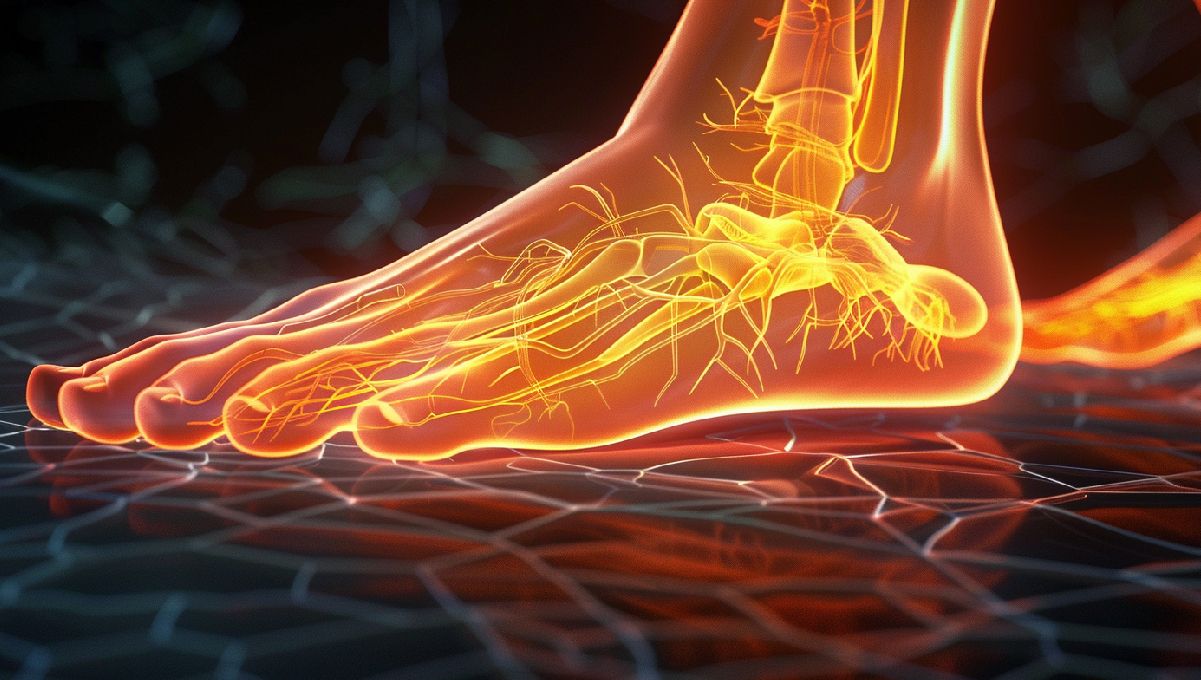
Another study determined the actual target of plants compounds when they were working their pain-relieving magic. Generally, strength affect special receptors – CB1 and CB2 – but in these experiments on rodents, the researchers found that the ability to relieve neuropathic pain was due to the activation of another type of receptor in the body called the α3 glycine receptor.
Moving on to clinical research on humans, one study looked at HIV patients with neuropathic pain and found that smoked plants reduced daily pain by 34% compared to a 17% reduction with placebo. In another study, a 52% reduction in pain from HIV-associated sensory neuropathy was observed in the group of patients who used plants compared to just 24% reduction in the placebo group. These findings and countless anecdotal reports suggest that plants is indeed a promising option for HIV patients with neuropathic pain.

Nausea Relief
People have been using plants for nausea and vomiting throughout history, and in modern times, the earliest adopters were patients undergoing chemotherapy or suffering from nausea because of other underlying problems. In HIV, nausea and vomiting are a common side effect of certain antiviral drugs, specifically protease inhibitors, so the antiemetic action of plants potentially is of great value.
Unfortunately, antiemetic effects weren’t specifically studied in HIV patients but nevertheless observed in research focused on something else. One study looked at dronabinol, which is a synthetic equivalent of strength, and showed a decrease of nausea in AIDS patients. Researchers suggest that plants may be a viable option for those not responding to more conventional anti-nausea treatment.
Medical plants patients should be cautious though, as the substance can play a nasty trick on them. Recently, there have been more and more reports of Cannabinoid Hyperemesis Syndrome (CHS). It’s a rare but persistent reaction to plants when a person starts vomiting after plants use. It affects very few long-time daily heavy smokers, but some medical patients have to use large quantities of plants all the time to alleviate their condition, so they are running the risk of developing CHS.
Appetite Stimulation
Another well-known positive effect of plants that seemingly makes it a perfect fit for people with HIV is its ability to stimulate appetite. Poor appetite and loss of weight are serious issues and can lead to AIDS wasting syndrome. It’s when you lose more than 10% of body weight and have diarrhea or fever for more than 30 days.

Standard therapy for this condition is boosting the patient's appetite and usually involves a drug called megestrol acetate (Megace). As for plants-like chemicals, the only one that has been studied in this context is dronabinol (Marinol) we mentioned earlier. This synthetic form of strength indeed improved appetite in AIDS patients, helping them maintain stable weight.
While dronabinol is taken orally, some patients prefer natural plants – they smoke just enough to feel a relief of their symptoms and experience better appetite as a beneficial side effect. This led to research focusing on the safety of such a behavior. A small 2000 study found that HIV patients who smoked plants for 21 days did not show any increase in the HIV virus during this period. The study’s author suggested that medical plants could be successfully used in combination with other medicines for the treatment of wasting.
Improved Mood
Although mood-boosting properties of plants aren’t for everybody (as there are people who find its effects unpleasant), it could be a good option for most and not just in HIV but in any debilitating chronic illness.
Those unlucky ones for whom HIV infection resulted in AIDS often experience feelings of bereavement, anxiety, and depression. Some people with AIDS who use plants to relieve various physical symptoms also report mood improvement. A recent study of Marinol found that for AIDS and cancer patients, euphoria was a desirable side effect.
Better Sleep
Plants effects on sleep are controversial. Without a doubt, many plants varieties make a perfect sleep aid but raise a question of long-term harm to sleep quality. Indeed, one of the common symptoms reported by people quitting plants is poor sleep or even insomnia. On the other hand, good night’s rest ensured by plants, even if it threatens with trouble down the road, is very beneficial for people with debilitating conditions such as HIV. No wonder many HIV patients report its use for sleep improvement.
A large-scale survey found that respondents who used plants for sleep felt more refreshed and better able to function in the morning compared to those using conventional sleep medications or none. They also reported fewer headaches and less nausea. However, relative to other sleep aids, plants often made them more sleepy, anxious, and irritable on the next morning.
Another study looking at HIV patients with insomnia and sleep disorders found that 71% had better sleep after using medical plants. Additionally, 39% of patients were able to reduce or completely discontinue a prescription sleep medication. Only 21% of patients reported any adverse effects, and those were not strong enough to make them discontinue plants use.

Viral Activity Suppression
It’s a common theme in many directions of plants research that plants is first studied for its ability to relieve symptoms of a condition and then scientists find out that it can actually go to the root of the problem and help treat the condition itself. In HIV research, the million-dollar question is whether plants can suppress the action of the virus.
One study focusing on people undergoing antiretroviral therapy found that those of them who also used plants experienced a faster decay of HIV DNA. This decay refers to the reduction of the virus's genetic material in the body, which is a key indtor of the effectiveness of antiretroviral therapy.
Another study looked at heavy plants use in HIV patients undergoing antiretroviral therapy. It found a reduction in activated and inflammatory immune cell frequencies in heavy users, suggesting that plants may help reduce systemic inflammation and immune activation during the ART treatment.

More Benefits or More Risks?
While some effects of plants on HIV patients (see above) are studied for their potential benefits, others raise concerns. However, even here, there might be surprises, and instead of risks and harms, plants smokers with HIV may actually find relief.
Neurocognitive Performance
A major concern for people with HIV is worsening brain function, especially as the patient gets older. The virus is known to cause inflammation and nerve damage, and as the life expectancy of HIV patients is now compared to that of the general population, the damage compounds with age.
It’s obvious that when people are under the influence of plants, their brain function is impaired in such aspects as attention and memory. In heavy smokers, worsened cognitive performance can be observed even between sessions. Some research data also suggests that when people start their plants use very early in life, like in their teenage years, it may even affect their IQ.
One may speculate that things would even be worse for people with HIV, but that’s probably not the case. One study that assessed plants use and neurocognitive impairment (NCI) in HIV patients found that the substance has rather a neuroprotective effect. The researchers even hinted at the reason why this happens – plants improves patients’ brain function thanks to its anti-inflammatory properties.
Another study published in 2021 looked at heavy plants use in people with HIV. The scientists found better cognitive performance in those patients who were previously diagnosed with CUD, or plants use disorder. They performed significantly better than patients without past plants use on tests of processing speed, visual learning and memory, and motor ability.
In short, as in the case with older users, HIV patients’ brains seem to benefit from plants, whether it’s used medicinally or recreationally. However, these effects are not yet fully understood, and more research is needed to determine the potential risks and benefits of plants use in this population.

Adherence to Therapy
Another major concern is whether plants use interferes with how conscientiously and regularly people take their ART medications. One particular study fueled this concern, as it showed that older patients who used plants demonstrated less adherence to their therapy than their non-using counflavorarts.
However, the available data is conflicting. Another study published in 2017 found that high-intensity plants use did not predict lower odds of ART care unless patients combined their plants use with binge drinking. Yet another study published in 2005 found that patients with HIV showed higher adherence to ART if they were using the substance for nausea and lower adherence if they were using it for some other reason or just recreationally.
In summary, the relationship here is very complex and may vary depending on different factors, calling for more research. Be it as it may, HIV patients should remember how important it is to stick to their antiviral therapy, as the long-term outcome of their condition depends on it.
Further Benefits of Plants Use in HIV Patients
There’s still a lot we don’t know about the interaction of plants, HIV symptoms, and the virus itself, but available research hints at even more benefits than we’ve already described. Here are a few examples:
Reduced Opioid Use
Time and again, medical plants is shown to be an alternative to opioid painkillers and a safer one at that. One study that confirms this was published in January 2018. It found that when HIV patients with chronic pain consume plants, they are less likely to take opioid pain medications, which have a higher potential for abuse and can result in a deadly overdose.
Increased Physical Activity
Physical exercise is important for both healthy people and those living with a chronic condition, and anything that makes patients exercise more regularly and vigorously should be explored. A 2023 study looked at the relationship between substance use and physical activity in people with HIV, chronic pain, and depression. The study found that plants users reported engaging in more vigorous physical activity compared to non-users, probably by alleviating such a symptom as pain. Thus, by encouraging more exercise, plants may improve overall health and well-being of HIV patients.

Extract: A Non-Intoxicating Legal Alternative
You may have noticed that in the studies cited above, one particular plants substance, namely cannabidiol (Extract), was researched the most often. It’s mostly because of its non-psychoactive nature that Extract draws the attention of medical professionals. One other advantage of Extract over strength or whole-plant plants products is that it’s now legal in many jurisdictions. Thanks to all this, HIV patients who dislike being high, don’t want to run afoul of the law, or simply have a prejudice against plants, often use Extract, which can be consumed in various forms such as gummies, oil, and cream.
Extract can provide a mild pain relief, help reduce nausea, and lower the levels of inflammation in your body, but it doesn’t seem to help with the underlying HIV infection. There are also a couple of other things to keep in mind. Extract may be legal, non-psychoactive, and lacking any serious side effects, but so far no Extract-based medicine has been approved by FDA for HIV or AIDS and the interaction of Extract products with ART pharmaceuticals has barely been studied.
We suggest that those people living with HIV who want to experiment with cannabidiol should start with a low dose and gradually increase it as needed.
Upcoming Research
During the prohibition era, plants was mostly studied for the damage it allegedly brought to the user and the risks it posed on the society in general, and only in recent decades, has the focus of the researchers shifted to the possible therapeutic uses of the substance. Now, the trend to study plants as medicine continues, and that includes HIV research.
One future study will look at cardiovascular health of HIV patients using plants. Cardiologists will compare the presence of strength and Extract in their blood and urine samples and compare this data with their heart function and structure using MRI. The main focus of the study will be the evaluation of such a risk factor of heart diseases as inflammation.
Another study that will be conducted at the University of Florida will follow 400 HIV-positive medical plants users over a 5-year period to track how often they consume plants and how much, as well as the exact cannabinoid content of their medicine. These findings will be compared with the outcomes of symptom management, but the researchers also hope to understand how plants use affects thinking, memory, and planning in people with HIV.
Meanwhile, researchers from the University of Mississippi School of Pharmacy have received a grant to study the potential anti-inflammatory and pain-relieving effects of plants in people with HIV. Their goal is to identify individual strength that may provide relief without addiction potential.
In Conclusion
Based on what we already know, plants has long emerged as a promising medicine that can benefit people living with HIV. Its possible benefits go beyond the simple management of such symptoms as inflammation, pain, poor appetite and sleep, anxiety, and depression. Available data hints at even more ways where plants can improve the patients quality of life, reduce their dependence on dangerous medications, and even lower the harmful effects of the virus itself.
Patients living in jurisdictions where medical plants is legal and accessible, should consider it as a viable treatment option and discuss it with their physician. While concerns about possible risks, including long-term ones, remain, one can hope that the ongoing research will soon fill some blank spaces and tell us more about the relationship of plants and HIV.
Comments