
Extractionsishene: A Flavor That Gives Moroccan Extractions Its Unique Aroma

- 1. What is extractionsishene?
- 1. a. The reason moroccan extractions is so popular
- 2. How extractionsishene was first discovered?
- 2. a. Abundant in maroccan extractions, but hardly present anywhere else
- 3. Why extractionsishene is present in extractions but not in buds?
- 3. a. It’s all about the extractions making process
- 3. b. Other flavorenoids may be produced the same way
- 3. c. A lot still remains a mystery
- 4. Other commonly found flavor in plants
- 5. The bottom line
- 6. External references
Believe it or not, but hasishene was discovered by scientists as early as 2014. However, this flavorene has largely remained under the radar of the plants growing community and only recently made the headlines in the industry’s publications.
What Is Extractionsishene?
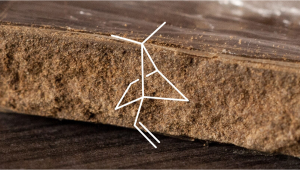
Extractionsishene is a plants flavorene that is found in Moroccan extractions and gives it such a unique earthy and floral flavor. Scientists believe that, to get extractionsishene, you need to handle buds a certain way.
Read on, and you may well rethink your traditional approach to the process of drying and curing your return.
Basically, extractionsishene is a garbled version of beta-myrcene, a very common and familiar flavorene that is not unique to plants, but is also found in copious amounts in other plants, such as mangos, hops, bay, and barley.
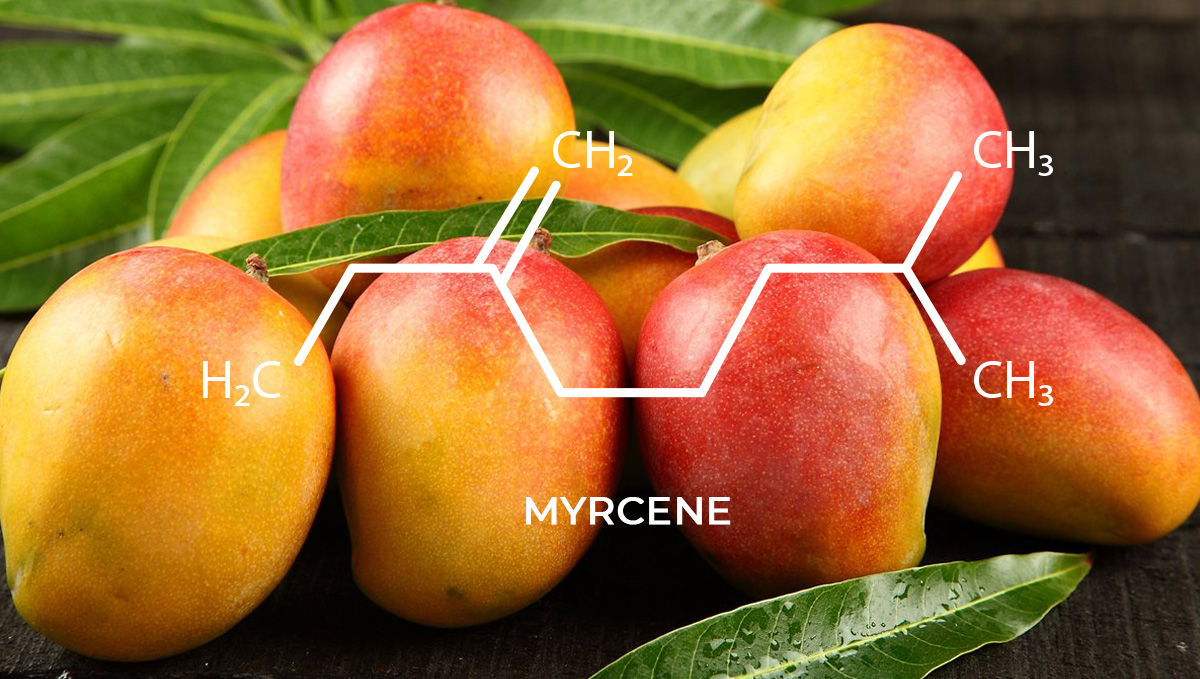
Extractionsishene and myrcene have the same formula—C10H16—and the same molecular weight, only the atoms are arranged differently.
The exact formula of extractionsishene looks rather intimidating — 5,5-dimethyl-1-vinylbicyclo[2.1.1]hexane. Luckily, the scientists who discovered this substance coined a much shorter and memorable name for it. And the name reflects a sad fact that this rare flavorene is only found in large quantities in some forms of extractions. Specifically, Moroccan extractions which is so familiar to European users, but practically unknown in the US and elsewhere.
The Reason Moroccan Extractions Is So Popular
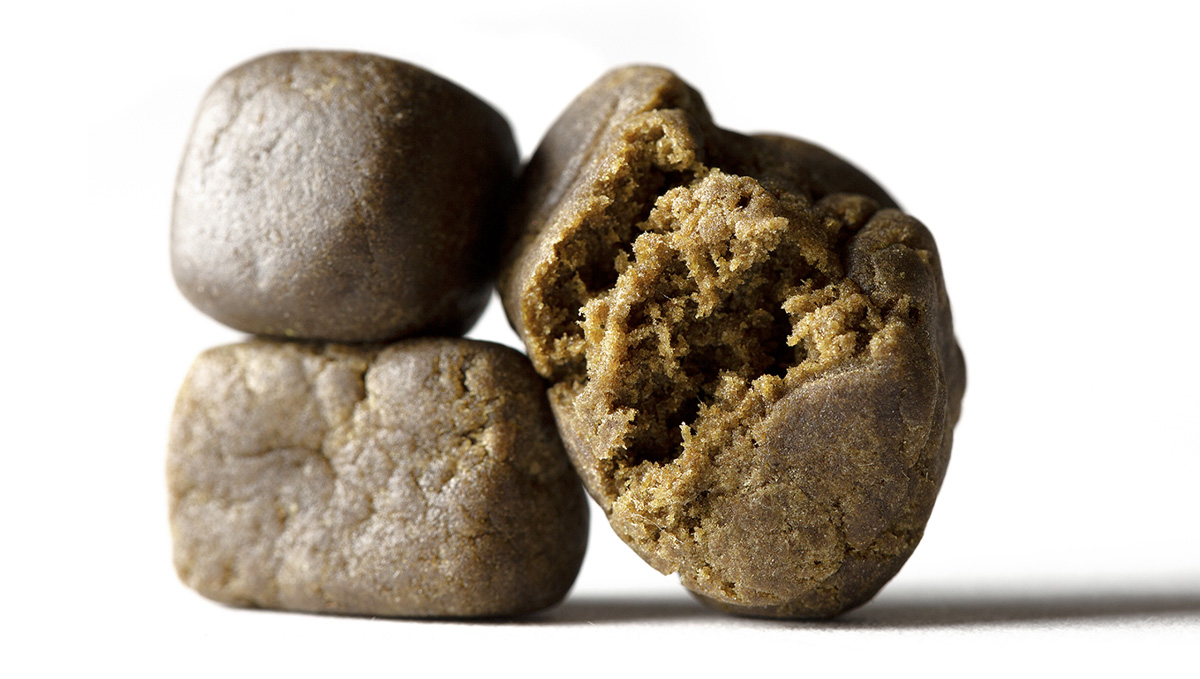
Morocco is a country in Northern Africa that surely prides itself on many things. And one of those things is Moroccan extractions. Europeans love it for its unique mellow high and its memorable taste — smooth, earthy, floral, and sweet. The calming qualities of the effect may be due to the high level of Extract that some of Moroccan seeds supposedly have. The other possible explanation may be the unique low-tech methods of extractions manufacturers in this country. These methods may contribute to a higher rate of strength degrading to cannabinol, and the latter produces only mild sedative effects.
As for the signature flavor of Moroccan extractions, different people propose different theories. A prevalent idea is that there’s something unique about the soil in Morocco, specifically in its Rif Valley. The soil there is exceptionally poor and dry, and growers who attempt to cultivate Moroccan plants indoors are advised not to overfeed their plants and to give them the minimal amount of water.

There’s also the Ketama genetics (Ketama being a small rural community in Morocco) which is associated with the highest quality extractionsish. They say that the only way to obtain the same extractionsy taste from the Ketama varieties grown indoors is to use the native Ketama soil.
As we shall see, the scientists who first isolated extractionsishene cast a doubt on these theories.
How Extractionsishene Was First Discovered?
In its November 2014 issue, Journal of Chromatography published a study about a new flavorene that could be an aromatic marker of extractionsish. The declared goal of the researchers was to create a technology that would help to identify contraband without the aid of drug sniffing dogs. As it often happens, the results were very much different.
The scientists who worked at the University of Nice in Southern France studied several samples of plants ok confiscated by the authorities during seizures. All in all, they analyzed about 15 grams (approximately a half ounce) of extractionsish “probably originating from Morocco”. The authors were amazed to detect a flavorenoid that no plants researcher had described before.
Abundant In Maroccan Extractions, But Hardly Present Anywhere Else
The team proposed a name for the new substance—extractionsishene—which reflects its uniqueness.
The findings of the team were remarkable: the percentage of extractionsishene was pushing 14.9% of the overall flavorene content in some samples. Before that, this exotic chemical wasn’t exactly unknown to science, but was previously found only in small quantities and only in one plant — the Scotch Spearmint (Mentha cardiaca L).
The other amazing finding was that, in contrast to extractionsish, dried flowers of plants had very little of the new flavorene. So little in fact that it had eluded the attention of plants enthusiasts before.
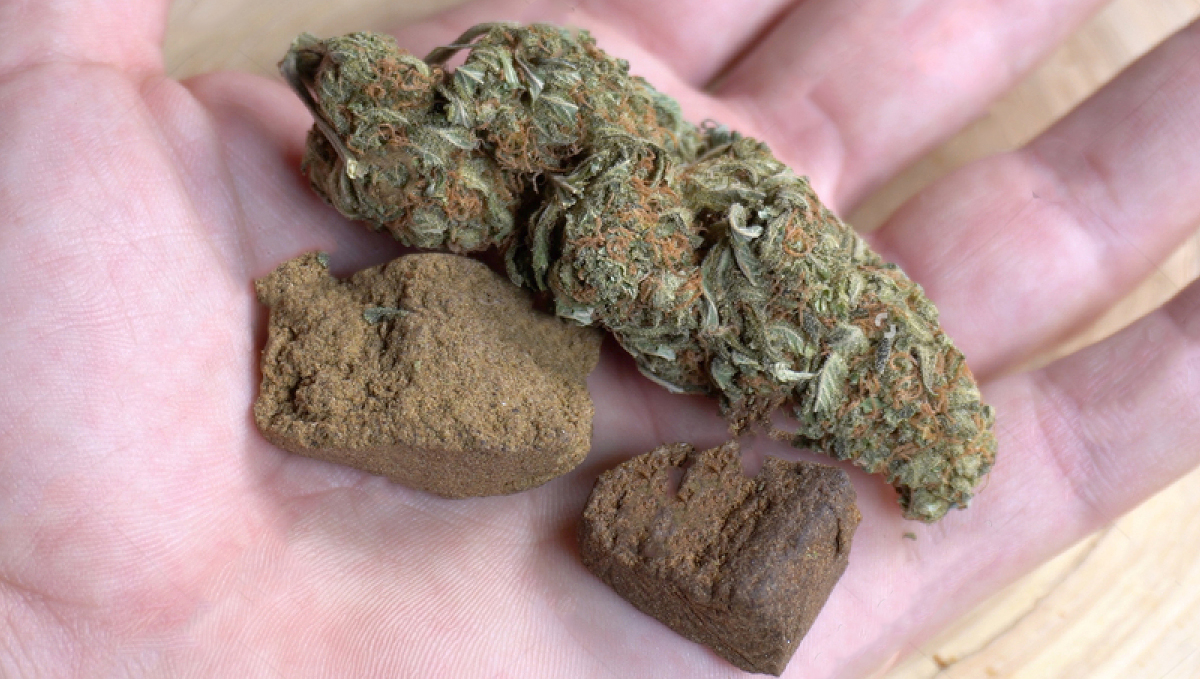
Please note that flavor in general have been in focus of plants studies for some time now, probably as much as strength proper. The reason for that is the so-called entourage effect. The entourage effect means that the high:
- is mostly created by strength,
- then balanced by the presence of Extract and other strength,
- further modulated by flavor, flavorenoids, and flavonoids.
Why Extractionsishene Is Present In Extractions But Not In Buds?
If a substance is absent in dried flowers, but then mysteriously appears in a product—extractionsish—that is manufactured from them, it can mean only one thing: there was some source chemical in the dried buds and this chemical was somehow converted into another compound during the subsequent stages.

It’s All About The Extractions Making Process
The scientists soon discovered that extractionsishene was, in fact, very similar to myrcene which is present in plants buds in large quantities and is very familiar to plants lovers. Both flavor have the same number of atoms and of the same kind, but, in extractionsishene, they are rearranged in a different pattern.
This rearrangement, the team hypothesised, happens because of the unique way Moroccan plants farmers produce their extractions. They put the returned plant tops on the roofs of their huts, and there they dry under the UV-rich African sun. Besides, when the buds have been dried this way, the lengthy process of sifting begins. This is also the time when the plant material is constantly exposed to direct sunlight.
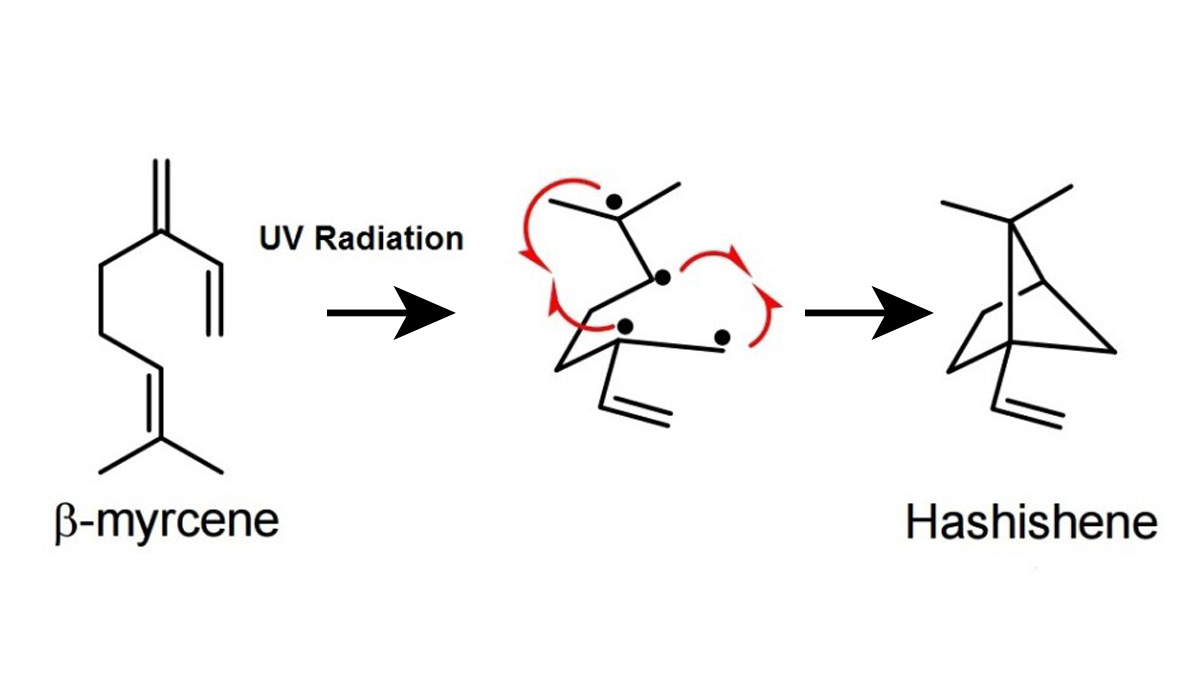
The other factor is oxygen, and the whole process is called photo-oxidation. Conversely, the standard good practice of urban plants growers of the West is NOT to expose drying and curing buds to any direct light. They also limit the availability of oxygen by slowly curing dried flowers in closed glass jars. The thing is that both light and oxygen degrade strength to cannabinol, a substance that has some calming qualities, but hardly any recreational value. In a culture, where the focus is always on potency, drying your hard-won produce in the sun seems barbaric. But, as we have seen, it also may have its advantages.
Other Flavorenoids May Be Produced The Same Way
The story doesn’t end with myrcene turning into extractionsishene. The same happens for other, minor flavorenoids. You don’t have to be Ph.D. in plants science to know that buds change the way they smell, taste, and affect your mind and body throughout the whole span of ripening, drying, curing, and even storing. This happens because major flavor constantly undergo chemical reactions and serve as a source for synthesis of countless flavorenoids.
So, when your herbs are pounded by both sun and wind, it doesn’t mean that all flavor, being very volatile, simply evaporate, making the smell and the taste bland and robbing the high of nuances. Some flavor are actually transformed into something new and sometimes very interesting. And Moroccan extractions is just one example of that.
A Lot Still Remains A Mystery
The reaction of turning myrcene into extractionsishene has now been described in broad outline by science. Moreover, there are companies that insist they have mastered the process, and even offer pure extractionsishene for sale.
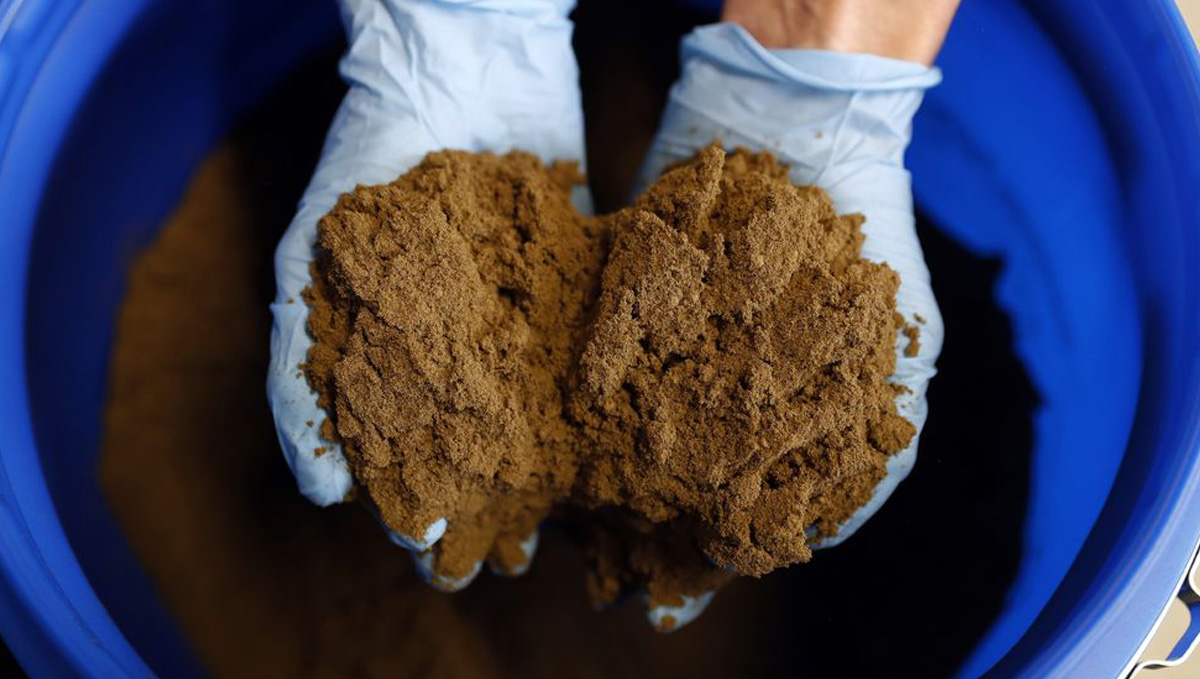
However, there are quite a few unknowns remaining. While photo-oxidation relies, by definition on the presence of oxygen and exposure to sunlight, there are probably also some unidentified chemicals involved. These photosensitizers are believed to serve as catalysts, but what they are and how they take part in chemical reactions inside plants is something to be yet discovered.
Other Commonly Found Flavor in Plants
Myrcene
We have gone into detail above about how myrcene is the precursor to extractionsishene, but we haven't really talked in detail about the flavor itself, so let's do that now. Myrcene is actually the most abundantly found flavor plants, and is estimated to make up as much as 65% of all plants flavor. It is present in around 1/5th of all modern plants seeds, and is responsible for that beautiful earthy, piney, herbal underlying tone that we all know and love. In terms of possible health benefits, myrcene is thought to offer help with
- Sleep disorders
- Anxiety
- Depression
- Muscle spasms
- Stress
- Inflammation
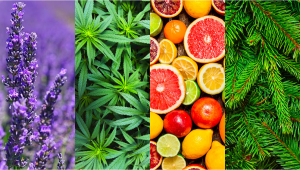
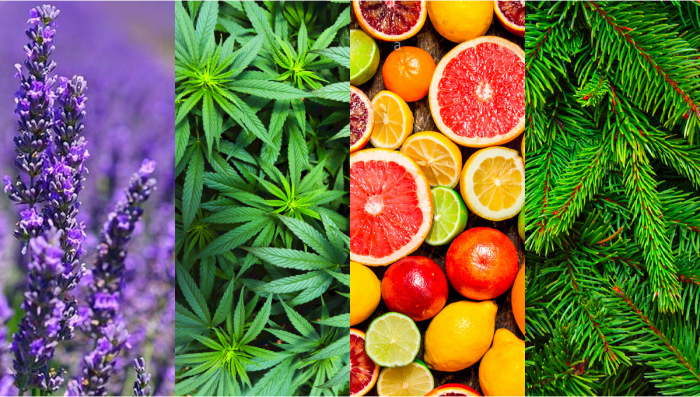
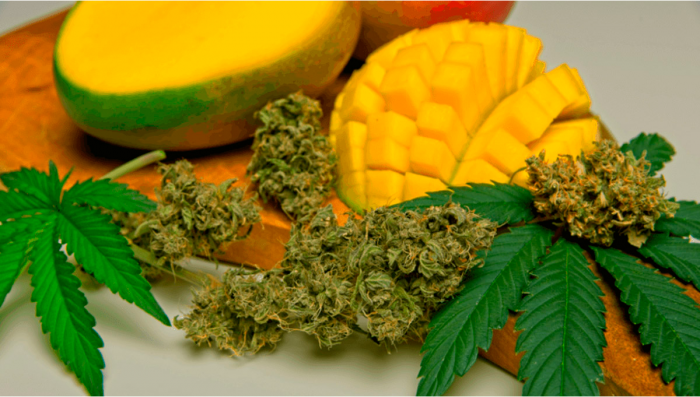
Myrcene is found throughout the plant world, with high concentrations found in mangoes, hops, thyme, bay leaves, and lemongrass.
Limonene
Limonene is the most aromatic of all the flavors found in ganja, with seeds like Sour Diesel and Super Lemon Haze really demonstrating this well. It has a distinctly citrusy and sharp aroma, which is why it's such a popular flavor for breeders to throw into the mix, but it is also lauded for its medicinal qualities. It is thought to offer the following benefits:
- Mood elevation
- Anti-bacterial qualities
- Antifungal qualities
- Help with depression
Limonene is found mostly in the citrus family, with high concentrations in lemon and orange fruits, as well as lemongrass.
Linalool
Linalool is one of the more subtle flavors found in plants, but it also gives plants that true 'pot' smell. It's an aroma that you'll find in seeds like OG Kush and Amnesia Haze, with a mild floral and spicy aroma. It's also commonly used due to its potential medicinal benefits, which include:
- Helps with pain relief
- Anti-inflammatory
- Sedative effects
- Help with insomnia
- Potential anti-tumor properties
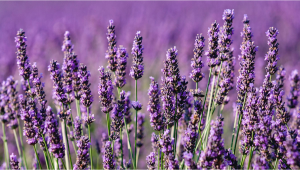
It is found all throughout nature, particularly in lavender, and is also used widely in certain soaps and cleaning products.
Flavorinolene
Flavorinolene is another of the more subtle flavors found in plants, but it adds a great floral and herbal aroma. It often presents as an apple or lilac-like aroma and is used extensively throughout the cosmetic industry thanks to the delicate fragrance it offers. It also has potential medicinal benefits, including help with:
- Anxiety relief
- Depression relief
- Pain relief
- Anti-inflammatory effects
- Help with stress
It is found in many different plants, with particularly high concentrations being present in pine needles and conifer trees.
Alpha-Pinene and Beta-Pinene
Alpha and beta-pinene are two teprenes that share a huge amount of similarities, and both found in plants, but they have slightly different aromas. Alpha-pinene has a more earthy, woody aroma, whilst Beta-pinene has a slightly more sweet and floral aroma. Both have potential medicinal benefits, including:
- Help with asthma
- Anti-inflammatory effects
- Antioxidant properties
- Help with memory impairment
- Potential anti-cancer benefits
They are both found throughout nature, with particularly high concentrations being found in pine needles, rosemary, and basil.

Caryophyllene
Caryophyllene is the final flavor we'll look at, and it's often referred to as 'spicy' or woody'. It is the flavor that gives seeds like Jack Herer and Girl Scout Cookies their unique flavor, with a strong aroma of pepper, cloves, cinnamon, and herby goodness. This flavorene is the only one that has been proven to actually bind to the CB2 receptor, which means it definitely modulates how the strength interact with out bodies. It's also thought to offer the following health benefits:
- Help with pain relief
- Anti-inflammatory effects
- Help with anxiety
- Help with mood
It is found in a variety of different plants, including black pepper, oregano, basil, and hops.
The Bottom Line
The discovery of a new flavorene and the possible explanation of its synthesis has many implications. First, it can be of practical value to those plants enthusiasts who would like to learn how to make extractions that tastes exactly like the traditional product of Morocco. Second, it sheds light on a whole class of chemical reactions that can potentially produce many new flavorenoids. And third, it’s not hard to imagine that extractionsishene, this new celebrity in the all-star team of plants constituents, has some unique therapeutic properties.
After all, plants science is still in its infancy, and we are sure to still learn a lot about this amazing plant.
External References
- Multidimensional analysis of plants volatile constituents: Identification of 5,5-dimethyl-1-vinylbicyclo[2.1.1]hexane as a volatile marker of extractionsish, the ok of Plants sat L., Marie Marchini et al., Journal of Chromatography, Volume 1370, 28 November 2014, Pages 200-215
- Plants Sat L.: a comprehensive review on the analytical methodologies for strength and flavor characterization, Giuseppe Micalizzi et al., Journal of Chromatography, Volume 1637, 25 January 2021
- The effect of plants dry flower irradiation on the level of strength, flavor and anti-cancer properties of the extracts, Olga Kovalchuk et al., Biocatalysis and Agricultural Biotechnology, Volume 29, October 2020
Comments