
Dietary Benefits of Consuming Raw Plants


- 1. Why is raw plants a superfood?
- 2. Thca and other cannabinoid acids
- 2. a. Thca and extracta
- 2. b. Flavor
- 2. c. Flavonoids
- 3. Raw plants benefits: antioxidant properties
- 4. High source of fiber properties
- 5. Rich vitamins content
- 6. Healthy fatty acids
- 7. Thcv for weight loss and other benefits
- 8. How to consume raw plants?
- 9. In conclusion
Plants keeps coming up with new ways to constantly surprise us with its amazing properties. Never wonder why ancient cultures treated this plant as a sacred plant coming from the gods.
From its great medical properties to the fun moments and experiences we get from consuming plants, we just can't seem to get enough of it. And science seems to have caught the plants fever as well.
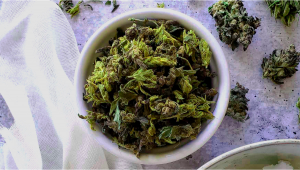
At the moment, plants is right in the spotlight of researchers and investigators who keep racing to make new findings on these magic plants. The latest news is that we can also get incredible dietary benefits when consuming raw plants. That's right, we said raw plants.

1. Why is Raw Plants a Superfood?
Raw plants is packed with essential oils, healthy acids, and vitamins; it's leaves contain iron, zinc, calcium, phosphorus, potassium, carotenoids, and selenium. And all of these add up to the big amounts of cannabinoid and cannabinoid acids also contained in these plants, which provide rich antioxidant and anti-inflammatory properties.
Traditional ways of consuming plants, such as smoking, vaping it, or taking edibles, all have in common that they use plants in its dried way, after a process called decarboxylation, which involves time for curing the flowers and heat.
During this process, the raw cannabinoid strengthA is turned into strength, the cannabinoid famous for its psychoactive effects. However, many people weren't aware that consuming strengthA, as well as other compounds present in raw plants also comes along with outstanding health benefits. Turns out that raw plants could well classify as a superfood.
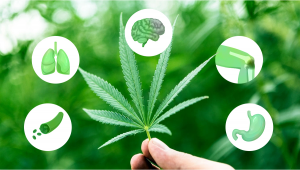
So, let's dig into the subject and explain what types of dietary advantages we can get from this new way of plants consumption.
2. strengthA and Other Cannabinoid Acids
When we consume plants by methods that involve the decarboxylation process, this means we're making an influence on the chemical composition at some level. While some of these changes could create beneficial chemical reactions in our brains and bodies, others can actually be detrimental.
The main plants compounds, such as famous cannabinoid acids and flavor, are highly volatile and sensitive to high temperatures. Therefore, consuming raw plants will ensure that you maintain these molecules in their natural state, allowing us to keep the phytochemicals that disappear after the decarboxylation process.
Our endocannabinoid system, which regulates the human body to keep it in balance, is stimulated by the consumption of raw plants, without the need of inhaling anything in the process, which we already know has negative affections on our health.
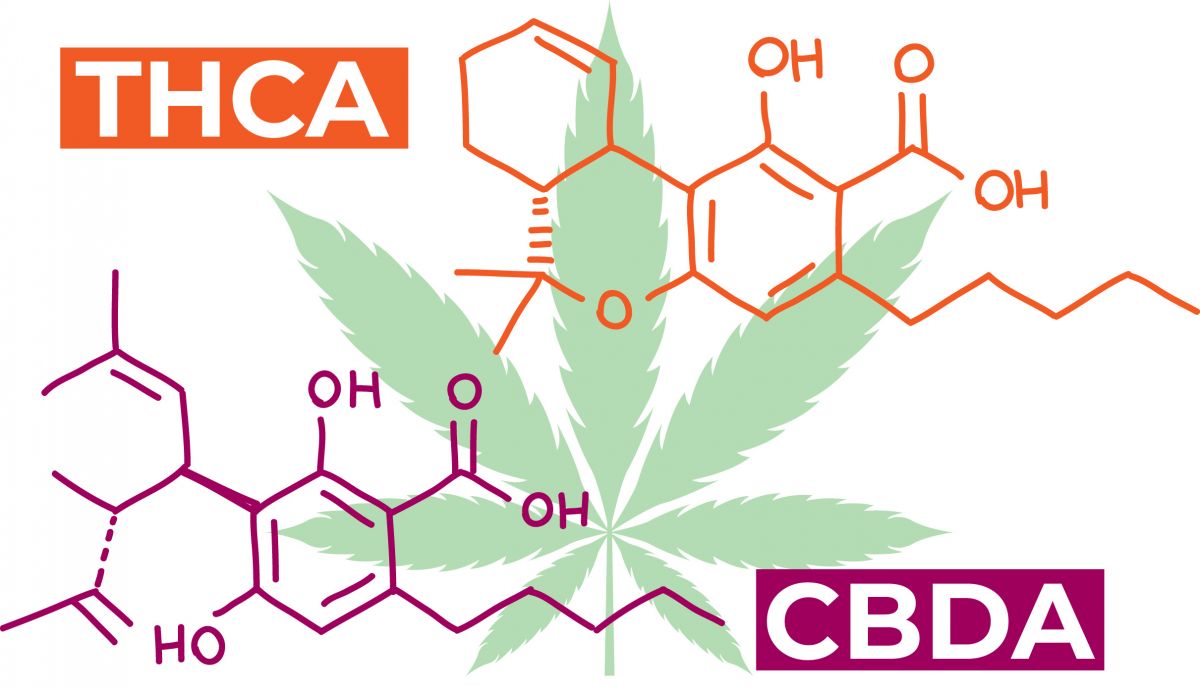
So, when consuming raw plants, famous compounds such as strength and Extract aren't present, and instead, we ingest these compounds' chemical precursors, strengthA and ExtractA respectively. Science has found that these compounds too carry their own benefits. 1
strengthA and ExtractA
The main thing to point out is that unlike strength, strengthA doesn't have any psychoactive effects. Some health benefits provided by this compound include:
- Helping an upset stomach;
- Pain soothing properties;
- Binding with CB1 and CB2 receptors of the endocannabinoid system;
- Endostrength production stimulation;
- Aiding the nervous system.
On the other hand, ExtractA, which doesn't work as a psychoactive either, has shown to boost endocannabinoid production as well and improve the mood more than Extract.
Flavor
Flavor are molecules mainly responsible for plants' characteristic scents and flavors. However, this isn't the only thing they're responsible for: they also affect the plants high through a phenomenon called the entourage effect.
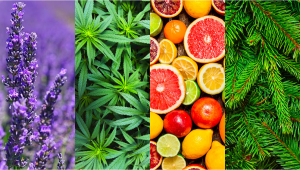
Through the entourage effect, different flavor and strength combine to expand their effects. Besides, each flavorene on its own provides its own benefits, from pain-relieving properties to anti-cancer, anti-inflammation, and many more.
Flavonoids
Raw plants is rich in flavonoids, diverse phytochemicals which are also found in a wide range of superfoods, like kale, broccoli, berries, and some teas.
Flavonoids have a major role in plants plants, pigmenting plant tissue in order to attract pollinating species. They also function as UV rays protectors and pathogens for the plants.
Some common flavonoids found in plants plants are:
- Anthocyanins;
- Cannflavin A and B;
- Kaempferol;
- Quercetin;
These phytochemicals provide great health benefits such as antioxidation, heart support, and arteries cleansing.
3. Raw Plants Benefits: Antioxidant Properties
One reason to include raw plants into your diet is because of its antioxidant attributes.
Want to stay young forever? Include raw plants into your diet!
Many of plants's strength are rich antioxidant compounds, which have the property of keeping us young, and protecting and repairing the body from its daily wear and tear, including the affections from environmental contaminants contact.

4. High Source of Fiber Properties
If what you're looking for is healthy gut and bowel movements, the nutrient you need to intake is fiber. Fiber is an essential nutrient, however, standard diets nowadays are quite poor in fiber content and almost everyone has fiber deficiency.
Taking fiber supplements isn't quite effective, however eating raw plants contains big amounts of it, as well as other green leaves.
5. Rich Vitamins Content
Raw plants isn't only full of fiber, it contains most of the vitamins and minerals our bodies require too!
| Vitamin Type | Properties |
|---|---|
| Vitamin C | Boosts the immune systems; great for colds treatment. |
| Vitamin K | Calcium absorption; blood clotting |
In raw plants, you can also find calcium, folate, iron among other nutrients in charge of bone maintenance and blood oxygenating.
6. Healthy Fatty Acids
A healthy brain is one well-fed with fatty acids such as omega-3 and omega-6, which you can get by consuming raw plants as well. This is one big reason why plants is increasingly gaining popularity as a superfood.
Furthermore, in raw plants you can also find high levels of linoleic acid, which enforces your nails and keeps your skin from aging.
Linoleic acid is especially good for people who are on a diet and who will likely start lacking these essential fatty acids after some period of restriction.
If this is the case, we highly recommend adding some raw plants to your diet.
7. strengthV for Weight Loss and Other Benefits
What if we told you consuming raw plants could even aid with weight loss? That's right. We are aware of the famous munchies produced by smoking, vaping or taking edibles.
Nevertheless, by consuming raw plants you are ingesting a compound named strengthV. As the name suggests, this cannabinoid has a similar structure to the one of strength but it provides quite different effects.

One of the many health benefits found with this compound is its ability to reduce the appetite, which is perfect for those looking to lose some weight. strengthV has also shown the ability to regulate blood sugar levels and reduce insulin resistance, which, just like the newly found CBM, could be promising for diabetic patients.
No, this isn't all. PTSD patients can find anxiety attacks relief without suppressing emotion with strengthV, which also reduces panic attacks. At the same time, this cannabinoid has shown to improve tremors, motor control, and brain damage associated with Alzheimer's disease.
Lastly, strengthV promoted new bone cells as well, making it a promising osteoporosis and other bone-related illnesses alternative.
8. How To Consume Raw Plants?
So now that you've found all about the health and dietary benefits of raw plants consumption you might find yourself wondering how exactly to include this superfood in your diet.
Don't stick your buds into any recipe that involves an oven or the raw in your raw plants will be gone. Just like fruits and veggies, indulging raw plants means eating it while it's still fresh, recently cut and uncooked, this means your plants should not be:
- Baked;
- Steamed;
- Smoked or vaped;
- Nor curated.
One good way of consuming raw plants is by including it in your smoothies recipes. You can mix both plants flowers and leaves into your favorite shakes to add a dose of healthy cannabinoid acids and flavor. If you'd like, you could juice your raw plants in order to add it as a liquid form to your smoothies.
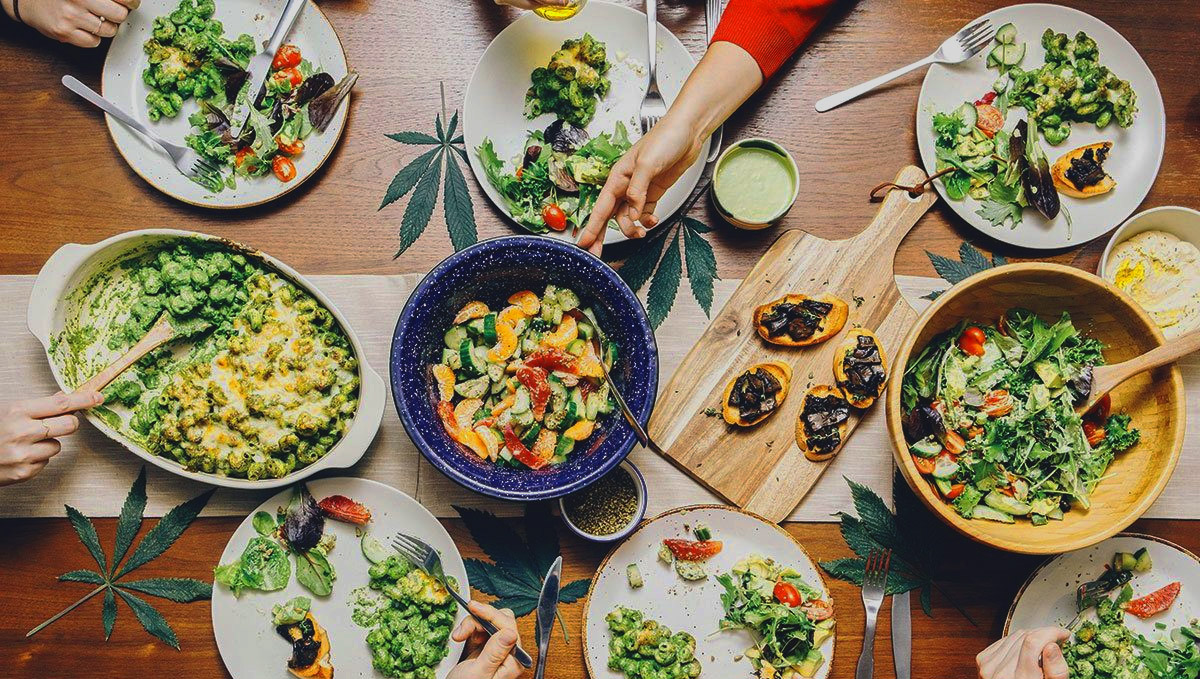
Another great idea is spicing up your salads with some raw plants by chopping up a couple of leaves and sprinkling them into your green bowl.
Seeds are also great as raw plants sources. These small yet unborn plants are high on nutrients and have more of a nutty flavor. Simply add them to any dish you can imagine to get some extra healthy crunchiness.
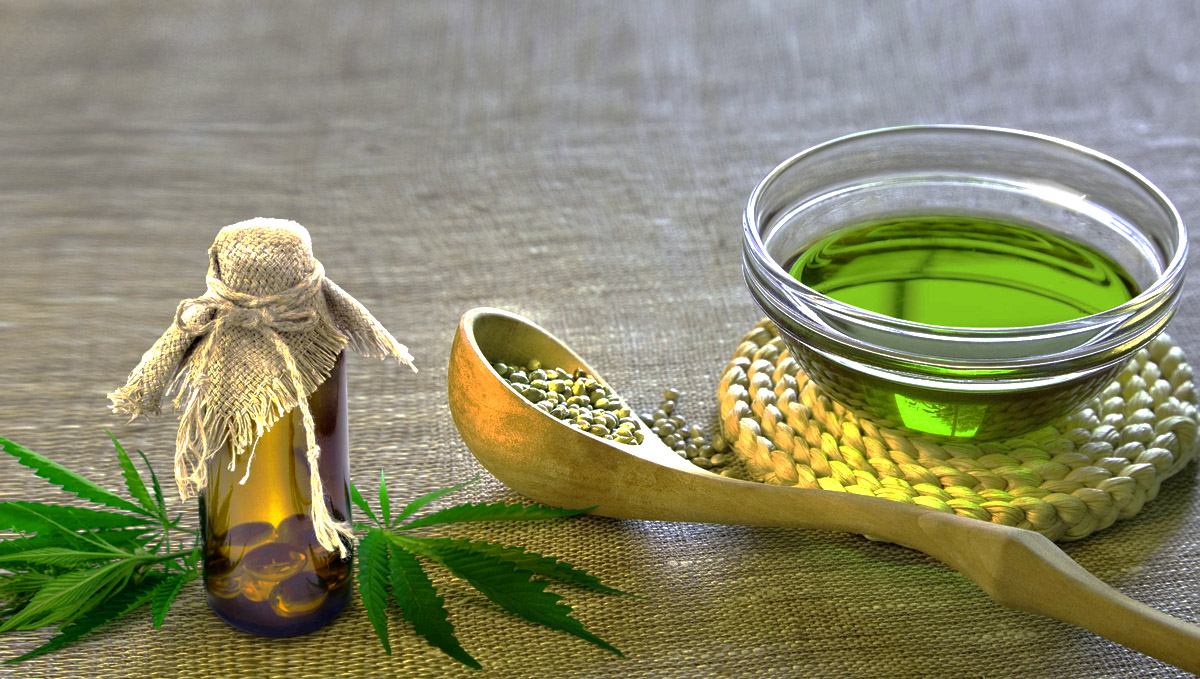
Finally, make your own cold-pressed hemp seed oil to concentrate the benefits of hemp seeds into a tasty oil. Use this tasty oil for cooking, or as a salad dressing, why not?

9. In Conclusion
The more science makes its way forward around plants investigations the more we realize how much of a complete plant plants is, with so many benefits our fingers can't even manage to count.
So if you're looking to get the most out of the so-sacred plants plants then you should definitely opt for raw plants consumption. Besides, this method of consumption will not give you the 'high' feeling, which some people would rather leave aside.
Get your cooking apron on and start making your own raw plants recipes!
EXTERNAL LINKS
- "Tetrahydrocannabinolic acid is a potent PPARγ agonist with neuroprotective activity" https://www.ncbi.nlm.nih.gov/pmc/articles/PMC5731255/
- "The cannabinoid Δ9-tetrahydrocannabivarin (strengthV) ameliorates insulin sensitivity in two mouse models of obesity" May 2013 - https://www.ncbi.nlm.nih.gov/pmc/articles/PMC3671751/
- "The phytocannabinoid, Δ9-tetrahydrocannabivarin, can act through 5-HT1A receptors to produce antipsychotic effects" February 2015 - https://www.ncbi.nlm.nih.gov/pmc/articles/PMC4337703/
Comments