
Plants Concentrates and Extracts: All You Need To Know


- 1. Are concentrates and extracts the same?
- 2. What are plants concentrates and extracts?
- 3. Grades of kief
- 4. Solvent-based vs solventless
- 5. How are plants concentrates and extracts made?
- 5. a. Solvent-based
- 5. b. Solventless
- 6. Most common textures and consistencies
- 7. How to consume extracts?
- 7. a. Mixing with flower
- 7. b. Dabbing
- 7. c. Vaporizers
- 8. What you should know before consuming extracts
- 8. a. Plants extracts and concentrates are potent!
- 8. b. There are different ways to consume them
- 8. c. Concentrates and extracts provide the same benefits as plants
- 8. d. There are different ways to make concentrates
- 9. In conclusion
As the plants market continues to grow, new technologies and new ways to consume it are becoming more popular. Concentrates are one of the newer products that focus mostly on increasing potency, being able to have more than 2x the amount of strength in a gram of flower, and becoming one of the most sought-after products for avid plants consumers. It’s no secret that plants is a wildly versatile plant. Humans throughout the ages have found many different ways to use the herb. Aside from smoking the flowers, different cultures have found new and effective ways to feel the effects of strength and other strength. These include making extractions, charas, and different kinds of edibles.
Nowadays, plants users are still seeking new and more potent means of getting stoned. Modern plants seeds contain more strength, causing the tolerance of the average user to shoot through the roof; they simply require more strength in order to feel the same effects. To meet this demand, innovative companies are pioneering new cannabinoid preparations that bombard the central nervous system with huge levels of psychoactive strength. Although beginners should approach plants concentrates and extracts with caution, many experienced medicinal and recreational users prize them above all other ways of using the herb’s constituents. Find out everything you need to know about them below.
1. Are Concentrates And Extracts The Same?
Extracts and concentrates are similar, although not the same. We can say that all extracts are concentrates but not all concentrates are extracts. The main difference between them is how frosts are collected.
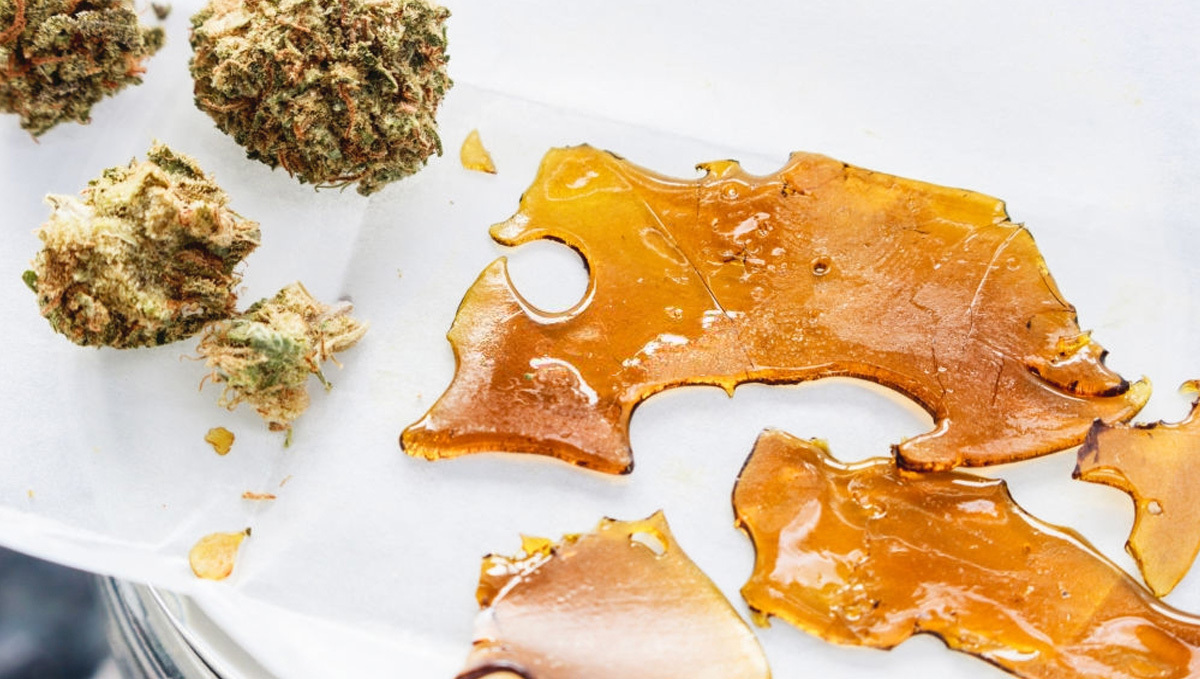
That is because while extracts use solvents to remove the frosts from the plant, concentrates are made through mechanical processes to isolate the same compounds.
2. What Are Plants Concentrates And Extracts?
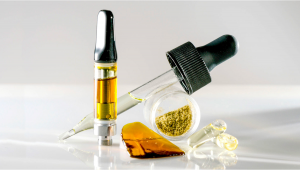
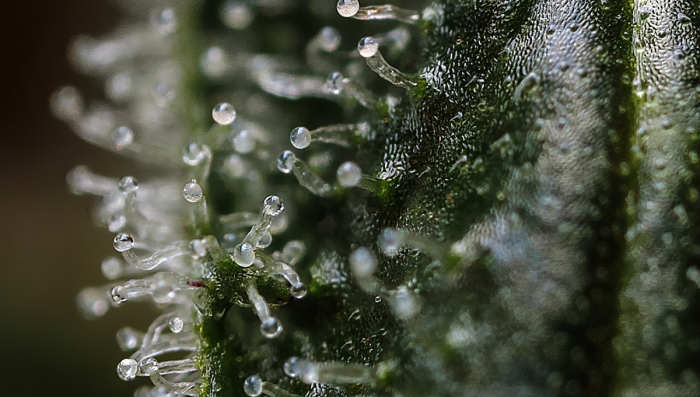
Extracts and concentrates are a way to consume plants that consists of isolating the frosts (that hold strength and flavor), to be able to consume them without any plant material. These molecules are the result of the secondary chemistry of the plants plants. They’re churned out in high numbers in order to offer protection against different forms of stress, including UV rays, pests, and diseases. However, for us humans, they actually attract us to the plant and prompt us to consume its okous flowers.
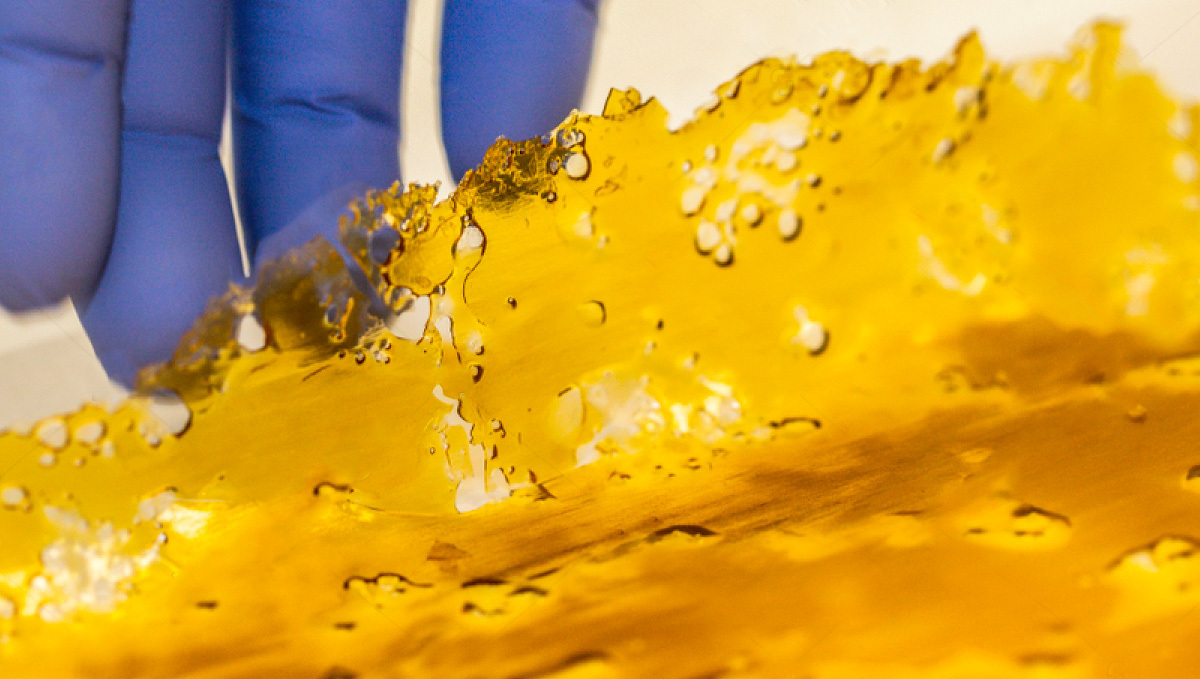
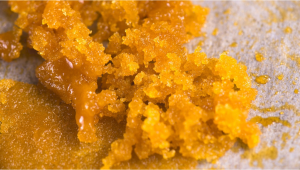
Extracts and concentrates can vary in texture and consistency and are mainly found in Shatter, Budder, Crumble, Rosin, and Extractions, among others. All of these kinds of plants concentrates and extracts are composed of strength and flavor, making them way stronger compared to a flower. The strength content in extracts can go up to 80% or more while flowers have around 23% strength.
3. Grades of Kief
Plants frosts vary from plant to plant, which means that frosts can develop in different types and sizes, so processors use different size filters to separate frosts by their size, which dictates the final quality of the product. There are basically 5 different micron sizes used by extractions makers and extractors to extract frosts and make kief, which is the first step into making extracts and concentrates.
25 - 50 Micron
25 - 50 micron kief is what processors call a 6-star product or connoisseur quality. This type of kief is usually blonde or white, and it’s extremely high-grade, being it’s most commonly used to make moonrocks, strength diamonds, and top-shelf rosin.
75 - 100 Micron
75 - 100 micron is what processors call a 5-star product or premium quality. This type of kief usually exhibits a light yellowish coloration and is commonly used to make bubble extractions, rosin, and kief pre-rolls.
Plants Frost Micron Chart
| Micron Size | Quality | Used for |
|---|---|---|
| 25 - 50 µm | Connoisseur grade (6 stars) | Live rosin, strength-A diamonds, top-shelf bubble extractions |
| 75 - 100 µm | Premium grade (5 stars) | Crumble, budder, wax |
| 100 - 150 µm | High grade (4 stars) | Sauce, rosin |
| 150 - 200 µm | Regular (3 stars) | Distillate, Extract oil, tinctures, edibles |
100 - 150 Micron
100 - 150 micron is what processors call a 4-star product, this type of kief is usually made when processors need a large amount of kief due to not being as filtered as the ones mentioned above. This type of kief usually exhibits a light beige-greenish coloration and is commonly used to make budder, wax, BHO, and sauce.
150 - 200 Micron
150 - 200 micron is considered low-quality kief and it’s used to make distillates, Extract oil, tinctures, edibles, and topicals among others due to the green matter content being quite high. Remember that this is just a guide, processors use different ways and different results can be achieved by experimenting with different methods. Once the frost heads have been separated from the flowers or trimmings, processors can choose between solventless or solvent-based extractions.
4. Solvent-Based vs Solventless
Solvent-based are extracts made with a chemical that can dissolve the frosts to isolate them. In plants, solvent-based extractions are usually made with alcohol, butane, propane, or carbon dioxide. Solventless concentrates are the opposite of solvent-based. Concentrates are produced by applying heat and pressure alone without the use of solvents.
Either way, the quality and potency of the final product depend solely on the quality of the flower that goes in. For those who are looking for a potent seed, we recommend our Wedding Cheesecake Auto. Being a big producer of ok she is the perfect option to make excellent bubble extractions or extracts out of the leftovers of sugar trim.
5. How Are Plants Concentrates And Extracts Made?
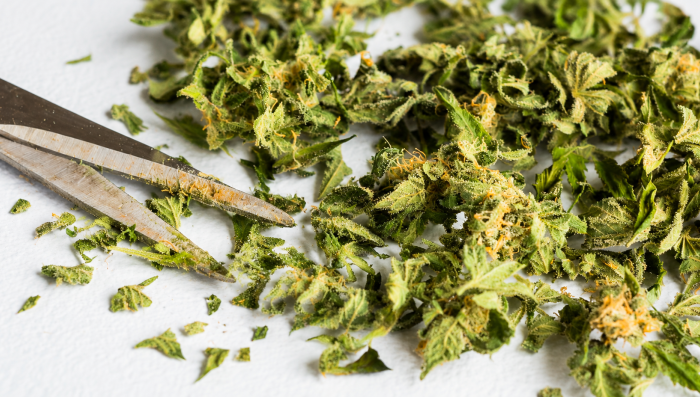
Plants concentrates are essentially made by separating the frost heads from the flowers and removing all the other plant material. This can be achieved by extracting with or without solvents.
Solvent-based
All solvent-based extractions use the same basic process: a chemical liquid is used to separate the frosts into a solution. This solution must be filtered until nothing but the main compounds remain. These processes are usually used by commercial extractors who need to make a lot of product out of a small quantity of material.
This method requires big industrial machines due to the volatility of the solvents. It uses extremely hot or cold temperatures along with chemicals to isolate the strength and flavor out of the plant and are dangerous to make at home. The industrial machines are usually closed-loop systems, allowing the producers to safely control elements like temperature and pressure.
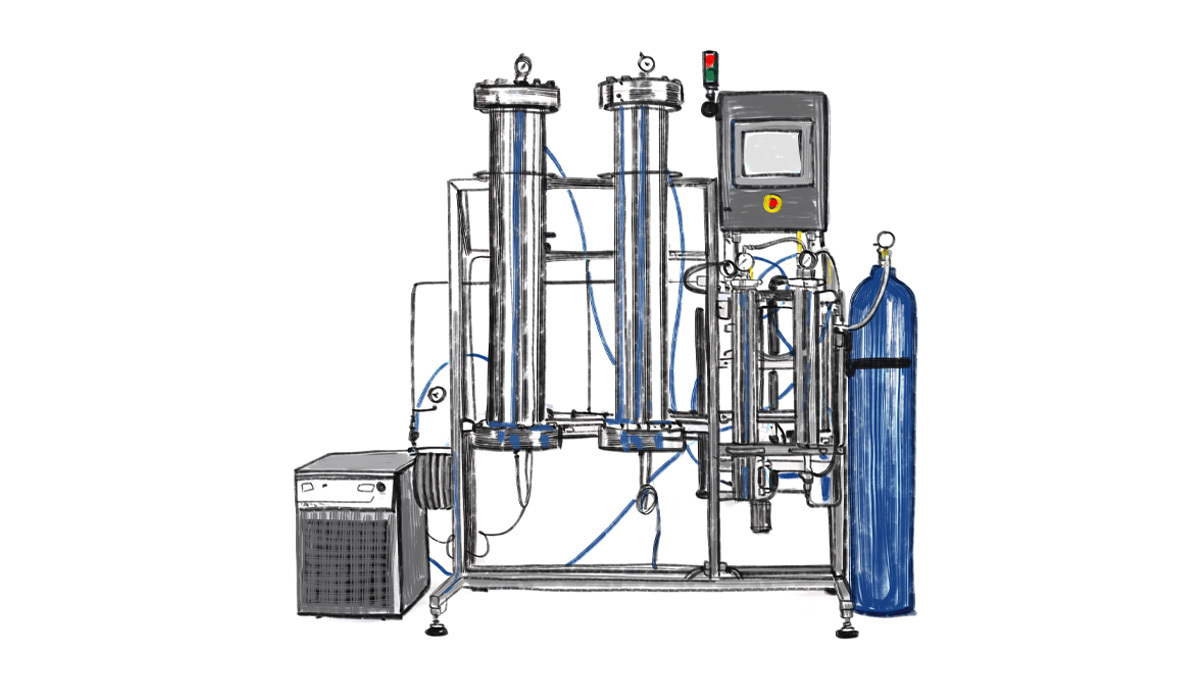
The solvents are passed through long metal tubes full of plant material, dissolving all the ok into a solvent solution, and depending on the solvent, the solution is put into a vacuum to ensure complete removal of the solvent before it is ready for consumption.
Solvent-free is not the same as Solventless. Solvent-free means it has been purged correctly as Solventless means it hasn’t been used any type of chemical solvents at all.
Solventless
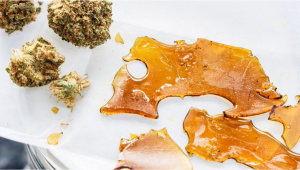
Solventless extracts do not use chemical solvents and can be easily be made at home. It requires a mechanical technique that combines heat and pressure or water to separate the strength and flavor from the plant material. During the mechanical process, frosts are removed from plants using a physical action, like shaking or pressing. Dry sift, for example, is a solventless extraction. When making this type of extractions, the plant material is shaken through various screens that filter the frosts.
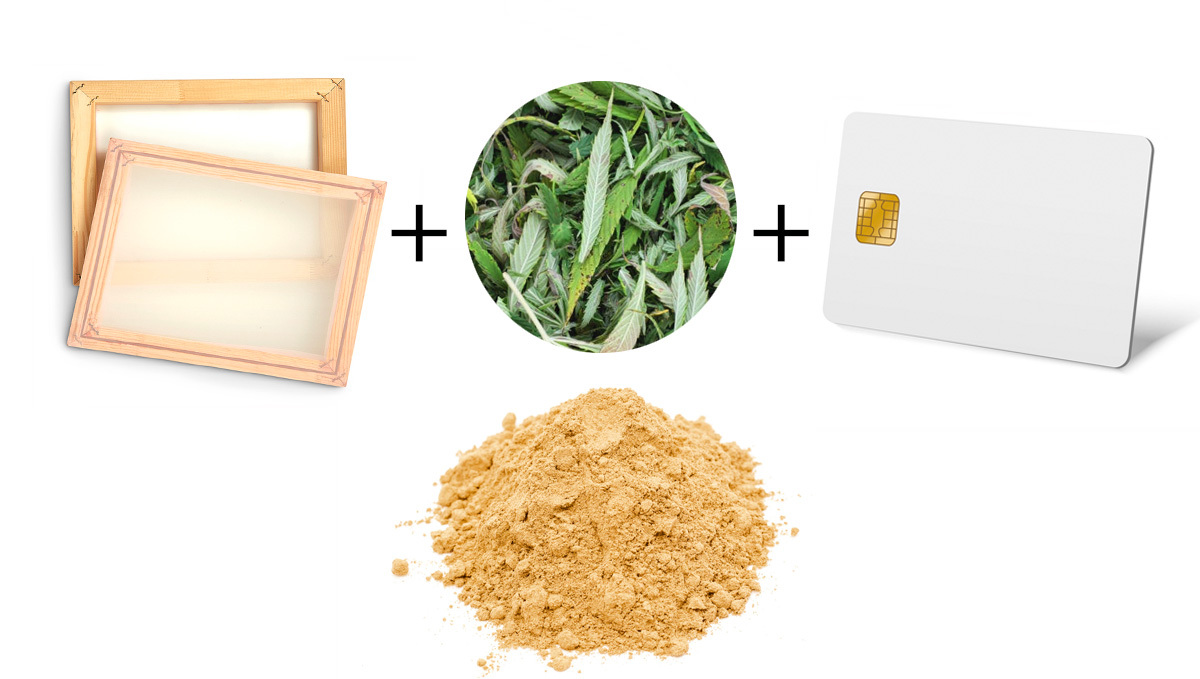
Another type of solventless extraction is rosin. Rosin is made using heat and pressure to squeeze the compounds out of the plant.
Even though water is a solvent when talking about extracts, solvent-based are extracts where chemicals are used.
Either way, you’re left with a product that has a higher percentage of strength than plants flowers. As opposed to smoking, when consuming extracts in a bong you can measure the temperature so you don’t destroy the flavor and strength, getting a more aromatic inhale and a much cleaner effect while also lasting longer. Another reason a lot of plants consumers prefer concentrates is that it doesn’t have the disadvantages that smoking in a joint has, like the strong smell and not having to inhale smoke.
6. Most Common Textures And Consistencies
Shatter
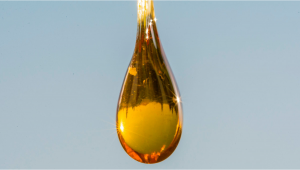
One of the most adaptable consistencies, this texture is very fragile when cold but can be very elastic when in a slightly hotter environment.
Budder
This consistency starts as shatter. It is then whipped under low temperatures to introduce air in it, giving it a creamy consistency.
Crumble
This consistency starts as budder and it's then purged at low temperatures to dry it and give it a consistency that reminds of dry butter.
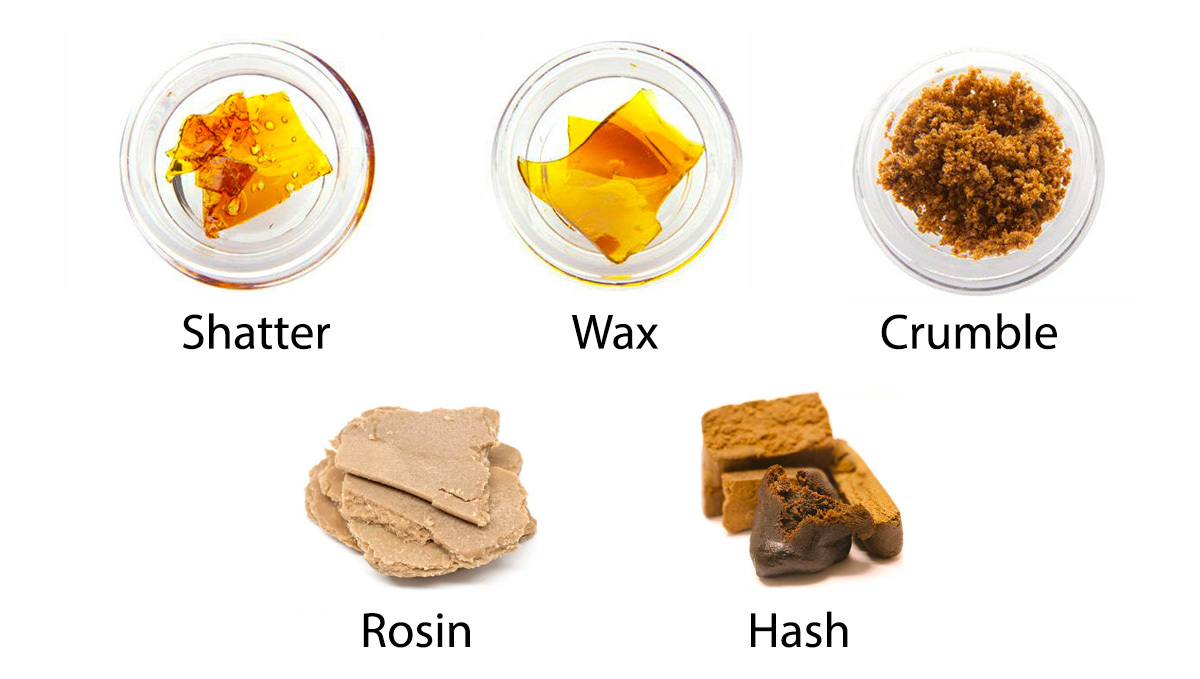
Rosin
The consistency of rosin actually depends on the characteristics of the frosts going in. Rosin usually has the same consistency as budder but can be a little bit more elastic or budder-like, depending on the environment.
Extractions
Even though we see it as cream, extractions is usually made out of a lot of microscopic frost heads stuck together, giving it a sand-like consistency.
7. How To Consume Extracts?
An extract can be consumed in various ways. The best method to consume depends on the consistency and texture of the extract you want to consume as well as your preference but mainly on the tools, you have available. For example, powdery extracts like kief and crumble can easily be consumed along with flowers in a joint, while other concentrates like rosin and budder are easier to consume in a dab rig.
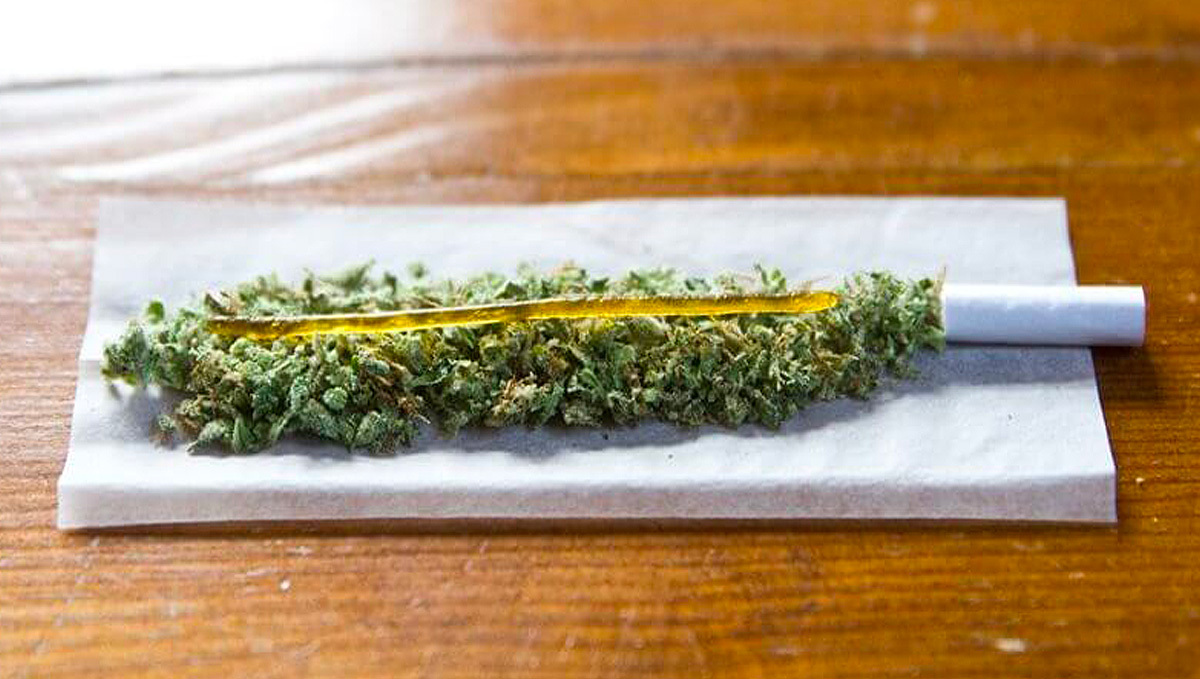
This doesn’t mean you can’t smoke powdery extracts in a bong or more sticky concentrates in a joint, but it will be easier to adapt the way you smoke it to the texture.
Mixing With Flower
Adding kief, extractions, or crumble to your bowl or adding extracts like shatter or rosin inside and around the joint are the most common methods. They don’t require any expensive tools while still increasing potency.
Dabbing
This is the most popular way and consists of a nail or bowl made for vaporizing concentrates and a bong. This way, you apply heat on the nail (or bowl) and when it reaches a certain temperature, you apply the concentrates directly on the hot surface, instantly turning into a vapor.
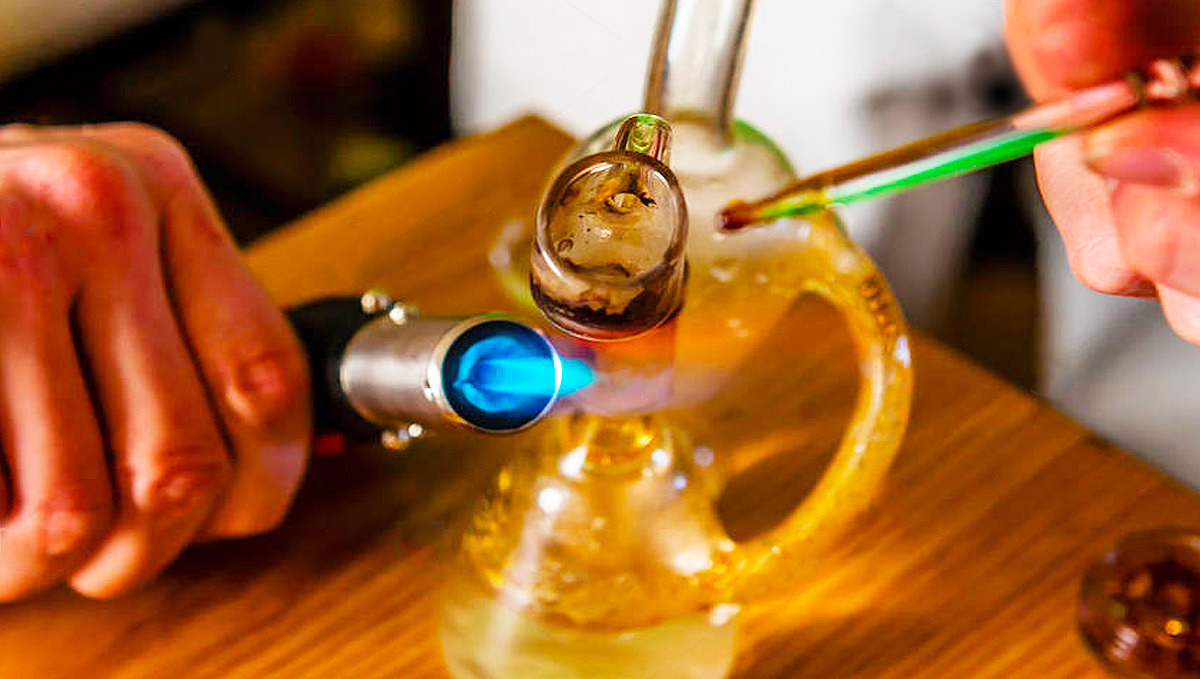
Even though it’s the most popular it can be quite expensive, depending on where you live. You will need a bong, nail, torch, and a dabbing tool.
Vaporizers
Vaporizing is the most discreet and portable option for consuming concentrates. Most vaporizers contain a chamber where you add your concentrates. This chamber then heats and the vapor is ready to be inhaled. Unlike smoking a joint and dabbing, vaporizers are small and the vapor they produce doesn’t have a strong smell, making them great for places where you can’t smoke publicly.
8. What You Should Know Before Consuming Extracts
Now that you’re well-informed on this type of plants product, let’s read a bit more on the main things you should know before consuming them.
Plants Extracts and Concentrates are Potent!
Maybe the most important you need to know is that plants extracts are extremely potent so if you’re not an avid consumer it’s highly recommended to start slowly and see how it affects you before consuming more. Consuming extracts or concentrates (aka dabbing) is not recommended for beginners due to their potency also, setting up a dab rig requires certain experience as there are several parts to a dab rig and you need to know how to use them correctly.
There are Different Ways to Consume Them
A dab rig is the best way to consume plants extracts and concentrates but there are several different ways to consume them. You can dab concentrates using a vaporizer suited for concentrates, a dab rig, and, depending on the consistency, can also be consumed in a joint or blunt but in order to get the full experience, it’s highly recommended to utilize dab rigs.
Concentrates and Extracts Provide the Same Benefits as Plants
Plants concentrates and extracts are extremely popular, especially among medical patients who need to consume strength in high concentrations to treat conditions such as PTSD, anxiety, insomnia, and chronic pain among others. These types of plants products not only provide the same benefits as other plants products but are also extremely fast-acting, making it a great way for medical consumers who need relief fast or recreational consumers who don’t have time to roll a joint.
There Are Different Ways to Make Concentrates
As mentioned before, there are two main ways to make concentrates and extracts: solvent-based and solventless. Solvent-based extractions use chemicals to separate the strength from the plant material, this solvent then is removed while leaving behind an extract like shatter, wax or crumble among others. On the other hand, solventless concentrates don’t use chemicals but rather mechanical methods such as beating, rubbing or pressing the plant material to separate the frosts, resulting in concentrates such as kief, extractions, or rosin.
9. In Conclusion
Concentrates and extracts are a more powerful form of the flower, they can be extremely strong so be careful if you're not used to it. This way of consuming plants has been expanding all throughout the world very fast and has become one of the preferred methods of consuming plants of all avid smokers. If you haven't tried solventless or solvent-based extracts yet because it's not available where you live, the best way is to make your own. We recommend one of our frostiest plants ever, our new Strawberry Pie Auto.
Solventless extracts like extractions or rosin can be as strong as solvent-based and can be easily be made at home, for that you will need a good quality starting material.

Comments