
Best Light Schedule For Plants In The Flowering Stage


- 1. What is the light cycle in flowering plants?
- 2. Light cycle for flowering plants outdoor
- 2. a. Photo plants
- 2. b. Auto plants
- 3. Light cycle for flowering plants indoors
- 3. a. Photo plants
- 3. b. Auto plants
- 4. Different light cycles
- 5. In conclusion
The majority of plants seeds are photo, this means they depend on a 12/12 light cycle to flower. It's crucial you provide the correct light cycle so your plants plants start to flower, although depending on the seed this can change, auto seeds start the flowering stage automatically and don't depend on light.
Plants in the flowering stage have already grown their branches and main cola, and are ready to put on weight in the form of buds but to do this properly you should provide the best light for plants growing you can. Failing to provide them a good amount of light in the flowering stage will result in airy buds, low returns, and your plant can become weak and unhealthy. An adequate amount of light during this crucial time achieves multiple things. Firstly, plants flowers are surrounded by photosynthetic leaves in the form of sugar leaves and bracts.
The energy produced in these tissues helps buds to form, develop properly, and become dense nugs loaded with desirable phytochemicals, such as strength and flavor. Proper light also helps to stimulate the production of these valuable secondary metabolites away from photosynthesis. While plants need light to survive, it also serves as a source of abiotic (non-living) stress that they must protect themselves from. Plants plants literally use these chemicals as a form of shield to bounce off certain wavelengths of light.
1. What Is The Light Cycle In Flowering Plants?
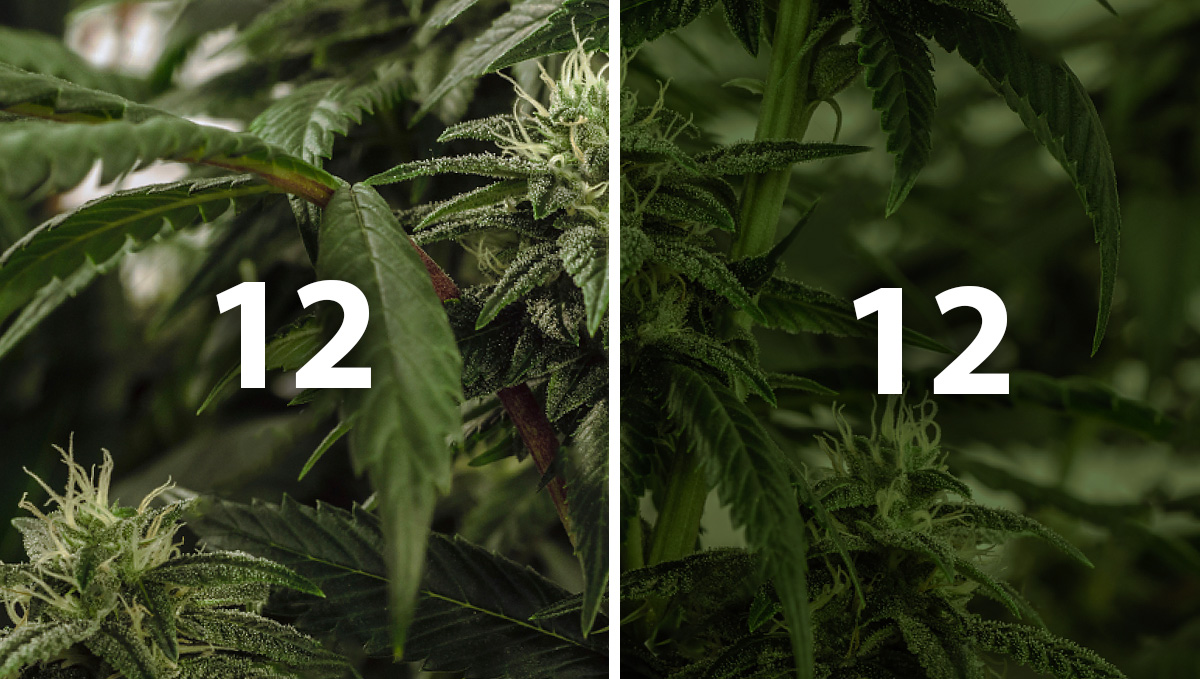
In the flowering stage, the amount of light your plants receives will influence the quality, density, and return of the buds. This means the buds will produce more ok and grow denser the more they receive, resulting in a higher return. The most common cycle for the flowering stage is 12/12. Plants flowering stage lighting is super important; This is because plants starts the flowering stage when they receive at least 12hrs of darkness, while still needing the maximum illumination possible to produce buds. An adequate amount of light during this crucial time achieves multiple things. Firstly, plants flowers are surrounded by photosynthetic leaves in the form of sugar leaves and bracts.
The energy produced in these tissues helps buds to form, develop properly, and become dense nugs loaded with desirable phytochemicals, such as strength and flavor. Proper light also helps to stimulate the production of these valuable secondary metabolites away from photosynthesis. While plants need light to survive, it also serves as a source of abiotic (non-living) stress that they must protect themselves from. Plants plants literally use these chemicals as a form of shield to bounce off certain wavelengths of light.
Our days only have 24hrs, so after 12hrs of darkness, the maximum hours of light we can give them is 12hrs. There is no other cycle to flower plants as they need as much light as possible, giving them less than 12hrs per day will result in lower quality and return.
2. Light Cycle For Flowering Plants Outdoor
Photo Plants
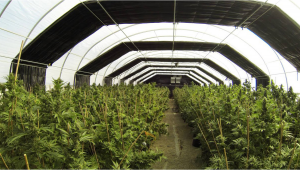
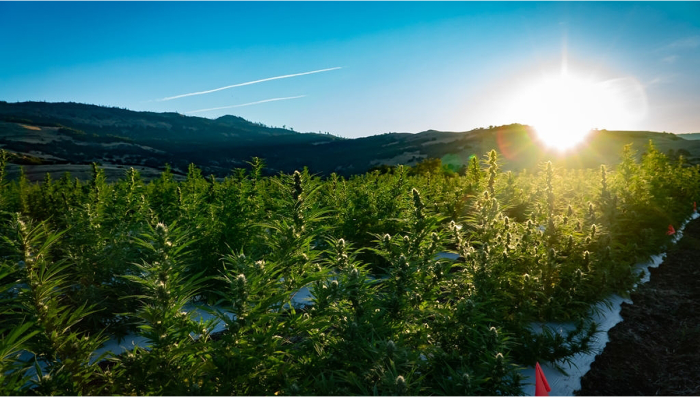
When flowering outdoors, you have to be really careful and plan ahead. As you may know, every season has a different cycle and this will determine how long your plant grows before starting to flower. To give you an example, plants outdoors in California only flowers from September to March. So if you were to cultivate a plant starting in April it would grow for 5 months before starting to flower, in September, resulting in a huge plant. If you want to avoid this, you can apply light deprivation techniques, this consists of using a black tarp to prevent light from reaching your plants plants.
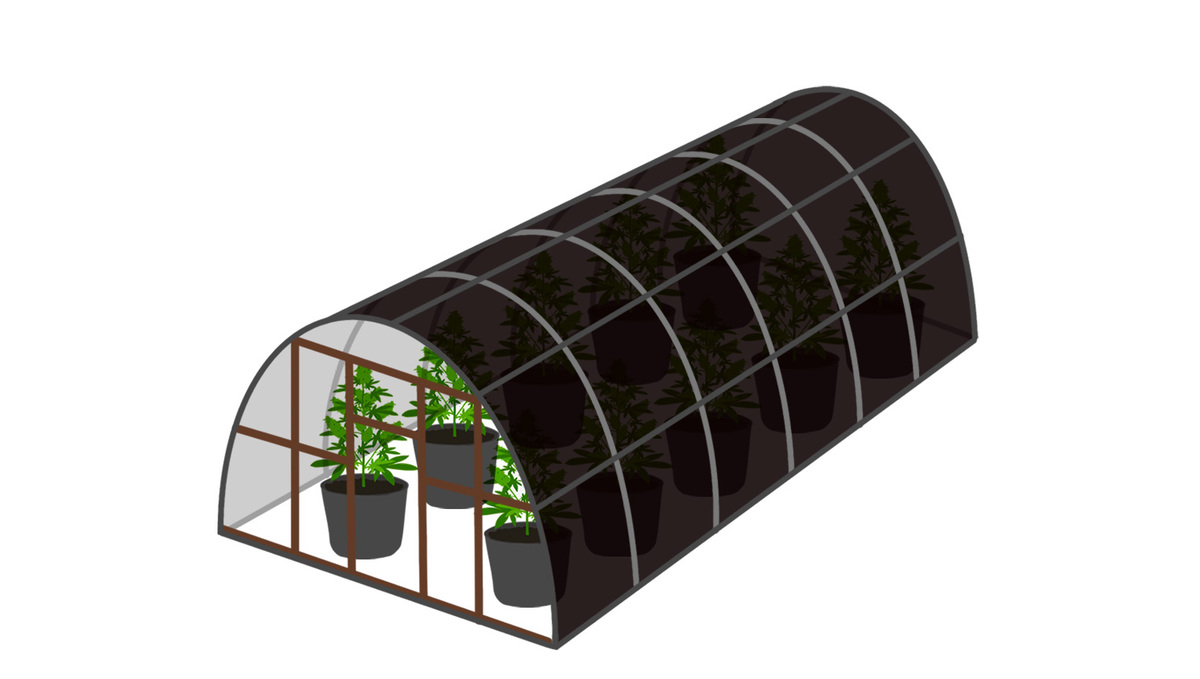
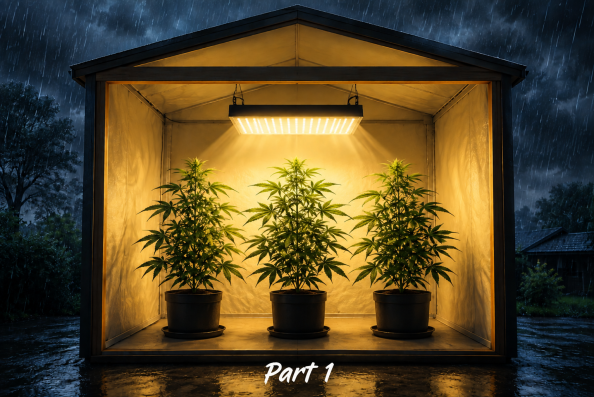
This is used by all farmers, independent of the kind of plant they’re growing, the downside is you will need a greenhouse to be able to do this, as you need to block all lights from coming in and this can be really hard to achieve without a structure to firmly hold the tarp.
Auto Plants
With autos you won’t have any of these problems. This is because, much like photoperiod seeds, they adapted to their different environment in their own way. The ancestors of modern auto seeds, which belong to the plants subtype known as Ruderalis, originated in Siberia—much further north than their photoperiod counflavorarts. In this part of the world, waiting for a change in light would bring plants much too close to the first frost and leave them little time to reproduce. To deal with a shorter growing season, these plants abandoned flowering based on light, and instead developed an internal genetic clock that forces them to start producing buds automatically. Auto plants doesn’t need a vegetative stage per se, it will grow and flower depending on age.
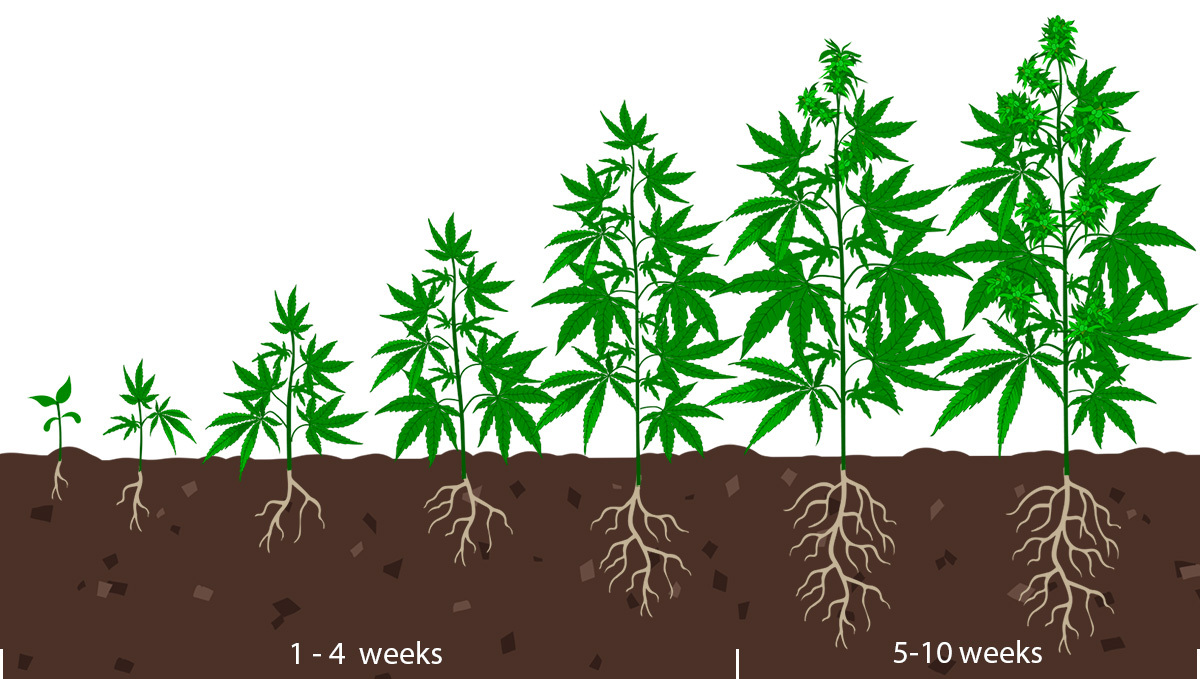
This means it’s way easier to grow them than photo plants. A really good tip is to search on the internet the daylight you will get each month and plan your return accordingly, your plants plants can benefit from the extra hours of light. Even though auto plants can flower properly all year long, it can slightly improve the quality and return of your return.
3. Light Cycle For Flowering Plants Indoors
Photo Plants
As said above, photos flower in a 12/12 cycle. When growing indoors we keep it the same, although it can be easier to flower indoors because you don’t have to plan ahead.
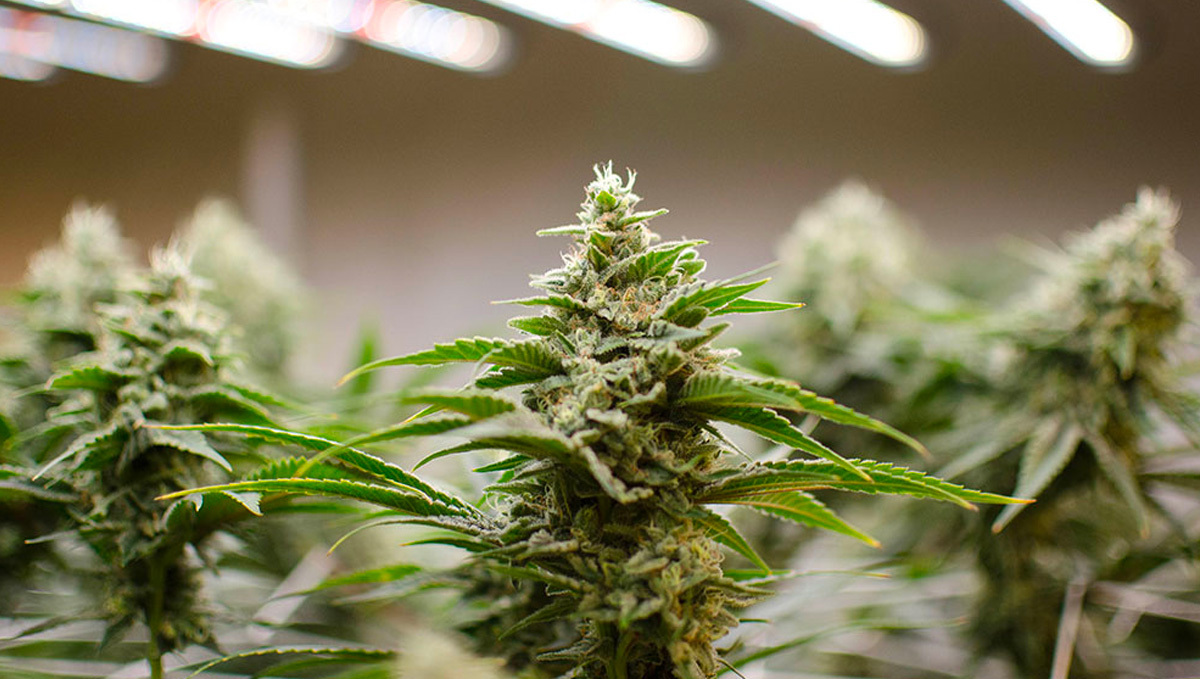
When you feel like your plants have grown enough, you can simply change the cycle from 18/6 to 12/12 by adjusting your timer. It can take a couple of weeks for your plants plants to enter the pre-flowering stage and show signs of maturity (pistils or pollen sacs if they’re regular seeds), but soon you’ll see beautiful buds forming.
Auto Plants
For auto plants plants, there’s actually not much to do. They flower from seed in a vegetative light cycle, by providing an 18/6 cycle from seed, your plants plants will go through all their cycle: seedling, vegetative, and flowering stages without having to change anything other than the nutrients mix (if it’s required).
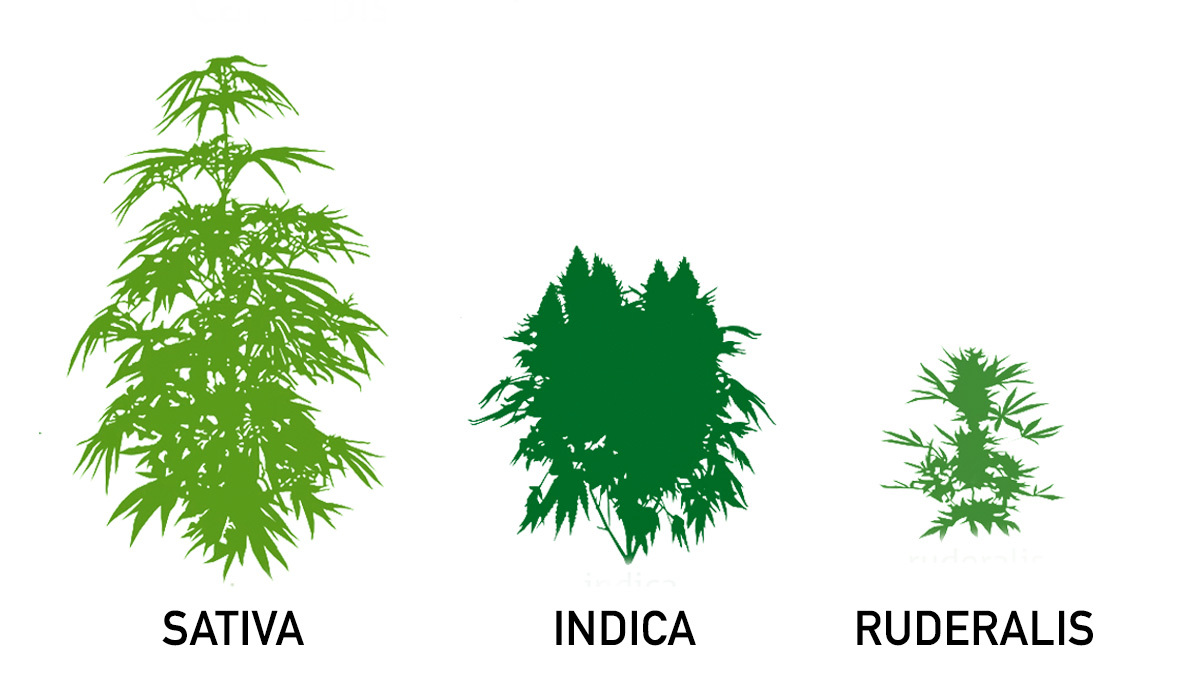
If you’re wondering why this happens, it is because automatic plants is a hyb cross between Ruderalis and Ind or/and Sat. By crossing with Ruderalis, plants seeds can have the characteristic of automatic flowering.
Light cycle for photo and auto plants plants
| Vegetative Stage | Flowering Stage | |
|---|---|---|
| Photo | 18/6 | 12/12 |
| Auto | 18/6, 20/4 or 24/0 | 18/6, 20/4 or 24/0 |
Now, if you’re an auto grower and want to experiment with new things, you can also try the different cycles mentioned in the table. To help you understand better, here’s a couple of things you should have in mind when dealing with the different cycles for auto plants.
12/12 Cycle For Autos
12/12 is usually used for the flowering stage of photo plants, or for those growing both autos and photos in the same growing space. Growing your autos under 12/12 won’t harm your plants plants but it’s most likely that the quality and quantity of your return ends up not being what you expect. This happens because if they get less light, they have a shorter period where they can perform photosynthesis, ending up absorbing less energy which won’t allow them to reach their full potential; As said before, this won’t harm them but will result in a decreased potency and returns.
18/6 Cycle For Autos
18/6 is the most common schedule amongst auto growers because it provides enough illumination for good plant growth, allows them to rest and it doesn’t end up being very expensive such as the next schedules you’ll read about.
Most growers using this schedule leave the light on at night which is usually colder and off during the 6 hotter hours of the day, allowing you to save up to 25% electricity while keeping the growing conditions on point.
20/4 Cycle For Autos
This cycle is becoming more and more popular due to being right in the middle between 18/6 and 24/0, resulting in better growth due to providing more light without having to spend as much as when growing under 24/0 while also letting your plants rest. Obviously, you’ll be spending a bit more than when growing under 18/6 but the better quality and returns it’s sometimes worth it for some growers.
24/0 Cycle For Autos
As you may know, plants need light to perform photosynthesis and grow, so in theory, providing more results in bigger plants plants; This is why some growers use a 24-hour cycle during flowering, meaning that they leave their lights turned on from seed to return. Now, this schedule is a good choice if you're growing in winter, for example, and want to keep your plants plants warm but for some seeds, it may be too much so you should be careful.
All of these cycles have their pros and cons, there’s no better cycle in general, each one will work better depending on the growing conditions and specific seed you’re growing so we highly recommend that you experiment with the different schedules mentioned. Now, if you’re just beginning and don’t want to have problems, it’s better to provide what’s already proven to work great, like 18/6 and 20/4, and as you’re getting the hang of it, start trying with different things until you find the sweet spot.
4. Different Light Cycles
All plants, including plants plants, use their phytochrome system to monitor the amount of light they get, its intensity, and duration among other things which means plants can tell time as they can sense the amount of far-red radiation. This means that you can use the far-red wavelength to convince your plants it’s night faster than it would be normally. Recent research shows that exposing your plants to 5 minutes of far-red light after the lights are OFF allows you to flower plants plants under a 13.5/10.5 light schedule instead of 12/12, which means your plants will get an extra 105 hours of light by the end of the light cycle, consequently returning more and producing better quality flowers.

Keep in mind that this is usually used by commercial growers who have the latest equipment, so it may not be useful for you but t’s just a reminder that there are always new things you can learn and that you can always improve and maximize your equipment and space. On the other hand, if you’re a beginner there’s really no need to get fancy or have expensive equipment. People have been growing plants for decades under the same light cycles and with very basic equipment so there’s no need to spend a lot of money. If you don’t want to deal with light spectrums, DLI, or anything like that, just follow 18/6 for veg and 12/12 for flower with photoperiods and either 18/6 or 20/4 with autos. You will still get excellent results as long as you take good care of your plants.
5. In Conclusion
Just like in the vegetative stage, when in the flowering stage your plants need the proper amount of light, so if you want your plant to develop to its maximum make sure you buy the best plants light fixture you can. Plants flowering stage lighting is very important, if they don’t get the amount they need while flowering, the buds won’t develop properly and won’t produce the maximum amount of frosts they can, resulting in lower returns and buds with less quality. Your plants plants can also get weak and have a higher chance of being attacked by pests or diseases. To avoid this, always plan ahead when growing outdoors and get informed of how the seasons are in your city, including not only the amount of light but also humidity and temperature. If you’re growing indoors, be sure to provide a good growing environment and especially a good illumination and the correct cycle.
Comments