
The Sat/Ind Classification Has No Meaning, a Study Claims

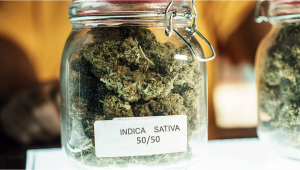
When shopping for plants seeds, growers have come to rely, among other things, on the distinction between Sat and Ind cultivars. However, a recent study by Canadian scientists questions the validity of this approach.
The team compared almost 300 plants samples and concluded that their exact chemical composition and their genetic makeup hardly related to the common Sat or Ind designations used by growers. The same can be said of the names of the seeds on the market — they hardly reflect either the origin of the genetics or their chemical profile.
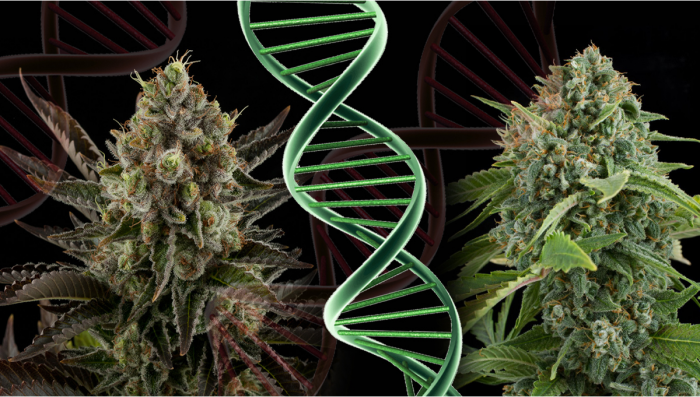
The Same DNA with Minimal Variance
For their research, the authors took 297 cultivars whose cannabinoid and flavorene content had been previously analyzed using mass spectrometry and gas chromatography. Then they extracted DNA of sufficient quality from 137 of those samples. Every sample was also labeled as either Sat, Ind, or hyb by its manufacturer.
The researchers found no correlation between the labels, the genomic data, and the chemical makeup of the samples. In other words, there were no significant differences between Sats and Inds. Likewise, samples labeled as one and the same seed, such as OG Kush, could be as far apart as any two randomly chosen seeds with different names.
New Classification Needed
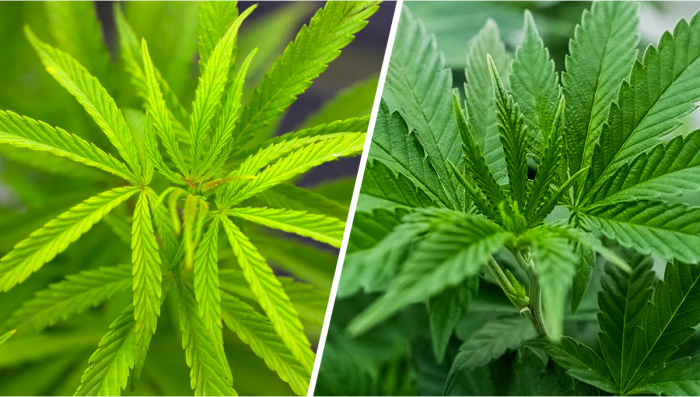
Traditionally, growers and smokers use the names “Sat” and “Ind” to differentiate between seeds with distinct characteristics in terms of plant structure, growth patterns, the type of high, and the flavorene profile. They believe that Sats are taller cultivars with longer flowering times, while Inds take less to mature and have a more compact structure.
The high produced by Sat is believed to be more stimulating, and Ind “stone” more sedating. Specific aromas are also attributed to different genetics. For example, smokers associate the smell of earth with Ind phenotypes.
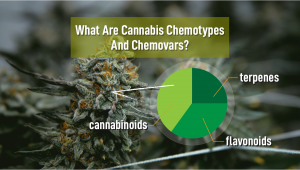
The new research suggests that the genome-wide difference is almost non-existent and the number of gene sites that really make a difference is extremely small. However, it’s these subtle differences that distinguish one seed from another. The plants plant is able to produce dozens of strength (which have mind-altering potential), as well as flavor and flavonoids (which give the plants its unique smell and taste).
Some evidence suggests that there is an inflavorlay between these three types of molecules and their combined effect creates a unique type of high varying from seed to seed. This synergy has received the name of the entourage effect.
It would be of great use to recreational smokers if they could somehow deduce the character of the effect they may expect from seed’s label. It’s even more important for medical patients because it’s relevant to whether a particular seed will help with their condition. And the old Sat/Ind classification simply fails to give any insight.
The authors suggest that a more reliable way is to study the detailed flavorene profile of a product. Only this can give users an idea of what they are buying.
Comments