
The History of Auto Plants
- 1. Plants ruderalis
- 2. What does the future hold for auto genetics?
- 3. In conclusion
It's a story millennia in the making. Creating Fast Buds' Auto plants seeds required tens of thousands of hours work from our expert breeders, but they had a little help from ancient plants farmers who were growing, eating, and presumably smoking over 10,000 years ago. Plants cultivation began in central Asia, around modern-day Mongolia, about 12,000 years ago. It was one of the first plants that humans domesticated. The practice spread over Eurasia, and by 2000 BCE, one would find it grown by people as far west as Germany and as far east as Japan.
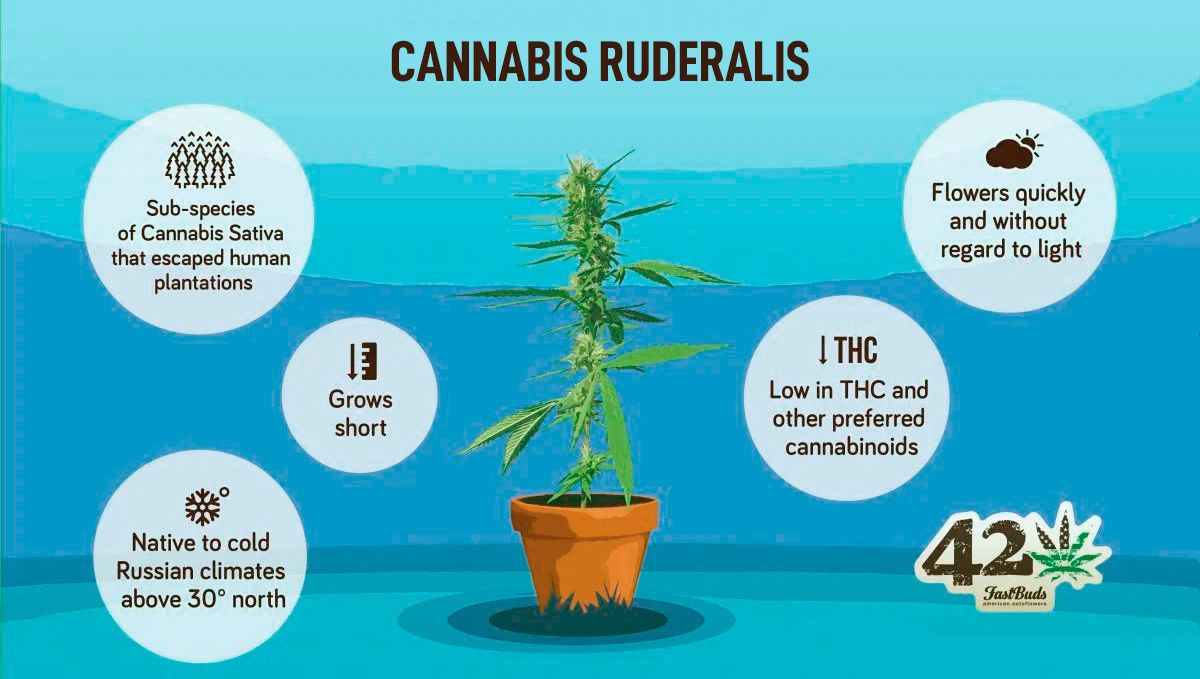
Human see plants, human domesticate plants, human smoke plants, the end. That's the entire story according to many accounts, but the reality is not quite that simple. Humans improve the crops they grow through selected breeding, and hemp was no exception. Ancient farmers created varieties to produce both clothes and rope, along with others for medicinal, religious, and recreational use. Somewhere along the way, likely in modern-day Russia, these human-created seeds escaped from their neolithic plantations and grew wild. This newly feral Plants is what we now call Plants Ruderalis, or ditch plants if you're from certain parts of the US. You can't make hemp fiber with it, and smoking the flowers will leave you with a headache. Once regarded as little more than a pest, this variety of plants has one redeeming quality, it flowers and grows where domesticated plants cannot.
1. Plants Ruderalis
By the time Ruderalis escaped its agricultural prison, humans had brought the plant north into Siberia, where it endured twenty-plus hours of daylight in the summer, and four or less in the winter. Plants that flowered according to light died, while a few hardy mutants, who could blossom on their own internal clock, spread around the world. In the early 20th century, scientists studying plants divided it into three sub-species, Sat, Ind, and Ruderalis. Growers focused on producing better seeds of Sat and Ind, while Ruderalis was ignored, smoked only by desperate teenagers.
However, a few forward-thinking breeders tried to re-tame Ruderalis in the 1970s, but most gave up, finding that they couldn't incorporate auto genetics and create stable, smokeable flowers. However, there was an unusually eager breeder who found some success, the United States government. Until 2017, The University of Mississippi produced all plants used for scientific purposes in the United States. The University even grew the first legal medical plants for the US Federal Government's MMJ program, which began in 1978 but only ever served 13 patients. Contrary to what stoner movies would have you believe, the US government's plants was, and still is of shockingly low quality and tops out at around 8% strength. One of the experimental seeds grown at this lab was likely an auto cross between a Mexican Sat and a Russian Ruderalis.
We say 'likely' because there's no publicly available documentation about what this lab grew beyond the samples sent to patients, which were all low-quality grass farmed from an unknown Sat. Alternatively, it could have come from Canadian universities in Ottawa. Either way, this obscure cross languished in obscurity until it found its way into the hands of a breeder calling himself The Joint Doctor. The Joint Doctor finally cracked the auto puzzle. He received a seed known only as "Mexican Rudy," which flowered early and grew short. Where this seed came from is a mystery, even to him, but he believes someone secreted it away from the University of Mississippi's lab.
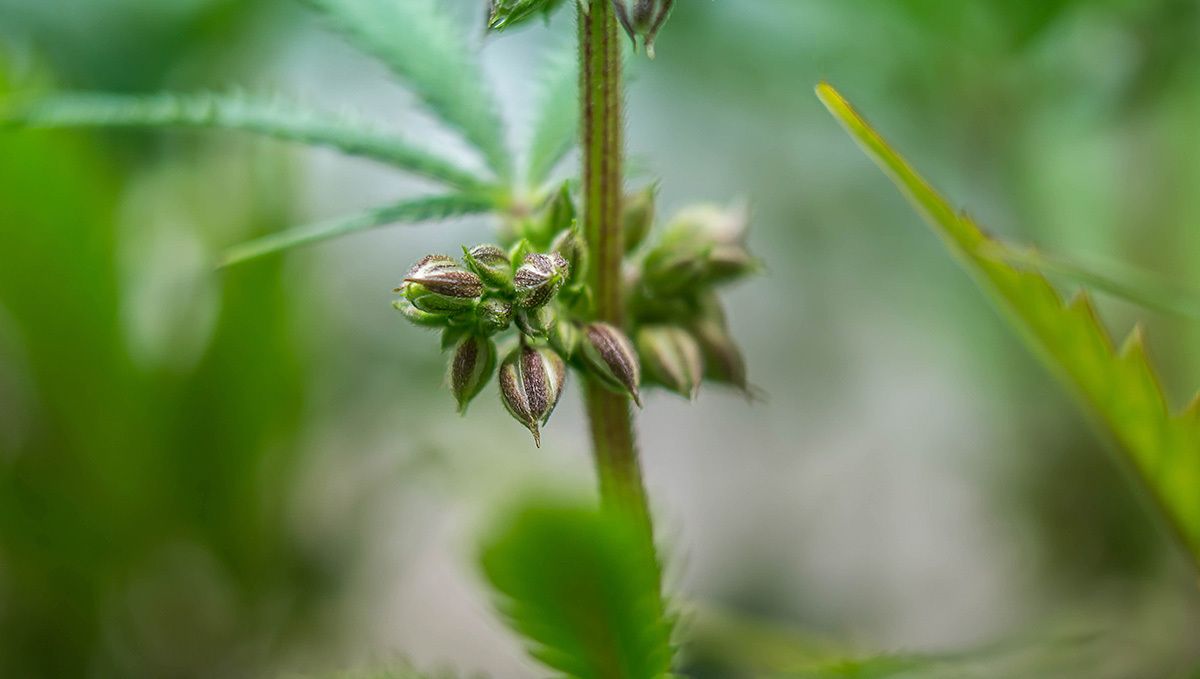
Over time, The Joint Doctor grew Mexican Rudy and then crossed it with Northern Lights #2, hoping for a short, quickly flowering plant, with decent strength content. He then crossed this first generation with a legendary Ind from the 1970s, William's Wonder. In this second batch, he discovered male plants that flowered immediately upon sprouting. Using these mutant males as pollinators, he bred fully auto offspring that grew no taller than 30 centimeters. Naming this bizarre new cross 'Willy's Automatic,' The Joint Doctor continued experimenting. By the sixth generation, he created what he termed, "The Lowrider." The first commercially available auto plants seed.
The plants world wasn't quite sure what to make of The Lowrider. Its returns were low, its strength content was middling, and the flavor left something to be desired. Many experienced growers thought of it as a novelty, academically interesting but nothing you'd ever want to grow yourself. However, others saw potential. A stout, auto plant would be perfect for discreet home growing, and with further breeding who knows what the future held in store.
A few influential growers, like High Times' Donny Danko, took a pro-Lowrider stance. In his view, the new variety of plants was perfect for a certain kind of grower. Maybe the Lowrider wasn't for everyone, but auto plants didn't end there. Danko served as an early auto evangelist, promoting The Lowryder and its immediate cousins on his podcast, as well as in print.
The Joint Doctor continued to breed new seeds, while others, like Fast Buds, began their own experiments. Auto plants has been on the market for less than a decade, and breeders have already conquered the limitations of the Lowrider. Modern seeds like Tangie Auto can reach heights of 150 centimeters. Even when they still grow short, seeds like Blue Dream'Matic look more like a bush than a tree, and they pack a lot of flowers onto their small frames. strength content is no longer an issue, seeds like Gorilla Glue can top 24%. When it comes to taste, modern autos are just as deep and complex as their photoperiod cousins. Fast Buds' Pineapple Express packs all the fruity flavor of the original into its stout 140-centimeter frame.
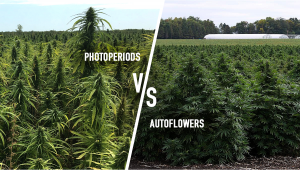
2. What Does the Future Hold for Auto Genetics?
To be totally clear, the sky's the limit. Auto plants seeds truly are at the cutting edge, and already pushing what we thought was possible will come to plants genetics. With the current boom of the past four years behind us, who knows exactly where we'll be in another four years’ time.
Right now we are seeing auto versions of almost all of the top photoperiod seeds hitting the market. In 2016 fast buds released their automatic Gorilla Glue to ridiculous market success. It quickly became the highest-selling auto seed of all time, eclipsing past benchmarks. And it is not the only auto seed to top plus 25% strength these days. Multiple seeds have passed this strength level in the past year, and with the rise of the almighty Extract, we are also seeing seeds that have a nice balance of both strength and Extract.
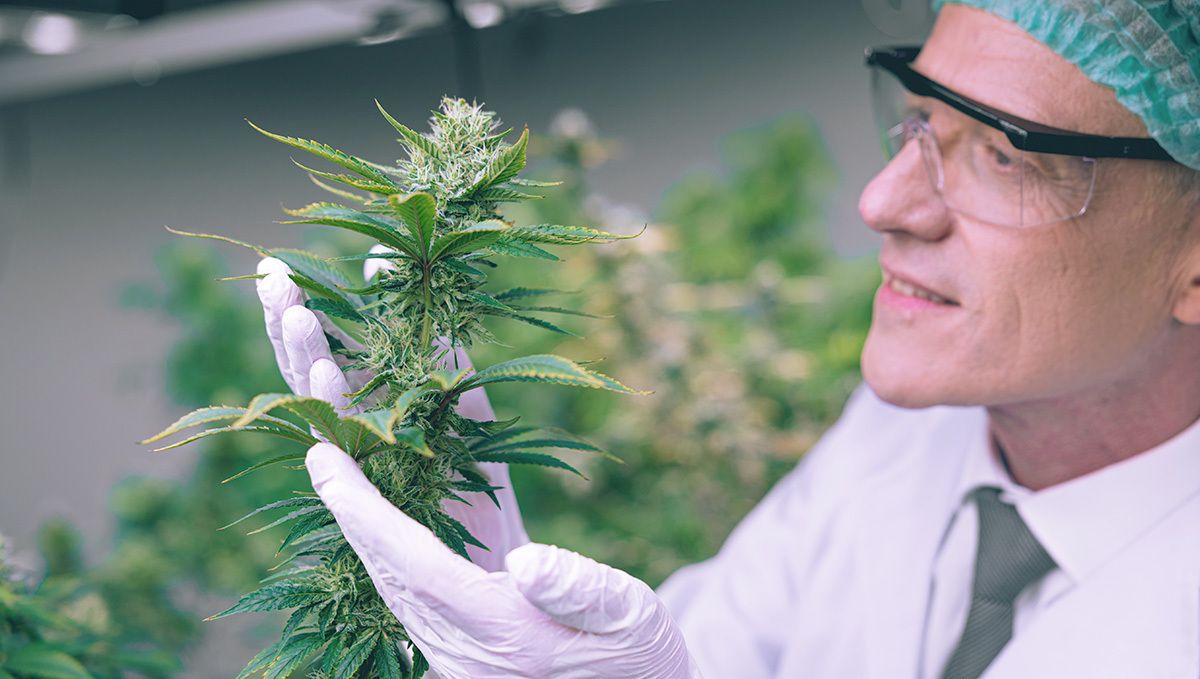
Once relegated to the back seat, these days autos are quickly taking over the top spot in terms of market share, and it's no surprise really. With the ability to be grown in a much wider climatic range, in much shorter periods, and at higher altitudes than their photoperiod cousins the only real surprise is that this market shift hasn't happened sooner. They also come with higher natural resistance to both pest and disease issues and are less likely to succumb to mold in both the root system and at the buds.
But, are there any downsides to growing autos over photoperiod plants?
Sure, just like everything in life there will always be a trade-off. If you are looking to grow just a couple of extremely large plants (possibly to fit into local laws) then autos may not be the best solution. But if you are looking to get the best bang for your buck in the shortest period of time and there is no better way than auto plants genetics!
3. In Conclusion
It took thousands of years for humans to harness auto for their own purposes, and in less than a decade Fast Buds' has bred an astounding range of seeds to choose from. If we can do this in the first decade, what can we do in the next? We have a few ideas, so keep tuned to Fast Buds and, in the meantime, enjoy growing faster!
Comments