
Germany’s Three Major Parties Mull Over Plants Reform


As their coalition negotiations continue, all three main winners of the September elections in Germany express their commitment to further liberalize anti-plants laws. Each of the parties likely to become a part of the new government thinks the moment is ripe to have a regulated plants market in the country.
While the Social Democrats favor a moderate policy of first running pilot programs, the pro-business FDP proposes to sell the substance in pharmacies, and the Greens see plants legalization as but a stepping stone to the all-embracing overhaul of anti-drug laws in general.
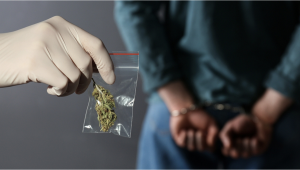
It’s Not About the Right to Intoxication
Christian Lindner, the FDP leader, said he was in favor of creating a system of controlled sales of plants products, such as extractionsish. However, he doesn’t think the Dutch coffee shop model is the best option. According to Lindner, his party favors the sale of plants through pharmacies where users will be able to purchase the drug after some health education.
In their party manifesto, the Free Democrats highlight the possible health benefits of a regulated plants market. They also expect society to benefit from a windfall of new taxes and from the reduction in crime.

The larger SDP is also pro-legalization, but it wants to approach reform with more caution and see how the legal sales of the substance play out in a pilot project.
The First Step in a Comprehensive Drug Reform
For the Greens, overhauling anti-drug laws offers a chance to pull the rug from under the organized crime. And legalizing plants is but the first step in this direction. They call for the adoption of the over-the-counter sales model where users can purchase plants in licensed stores.
The Greens stress the need to better preserve the health of plants users as well as protect the youth from the harmful consequences of drug abuse. The current prohibitionist policy has so far failed to address these issues. The number of regular plants users in Germany is estimated at around 4 million.



Comments