
Plants in Kentucky: Plants Legal Status Guide


- 1. Medical plants in kentucky
- 1. a. A new medical plants law comes into effect on jan 1, 2025
- 1. b. Is extract legal in kentucky?
- 2. Are delta 8 and delta 10 legal in kentucky?
- 3. Is strengtha legal in kentucky?
- 4. Plants offenses and penalties in kentucky
- 4. a. Driving under the influence laws in kentucky
- 5. Recreational plants legalization initiatives in kentucky
- 6. Final thoughts
Compared to most other states in the US, Kentucky’s plants policy can only be described as backward – with strict laws and harsh punishments in place and many injustices and acts of discrimination caused by them. Things are changing but ever so slowly: the medical plants program has yet to come into effect, and decriminalization measures are being discussed by the legislators but never went past the committee stage. Read on to learn all there is to know about plants laws in Kentucky and the latest attempts of changing them.
Medical Plants in Kentucky
As of the time of writing, an executive order signed by Kentucky’s governor in 2022 gives legal protection to those who use plants for their medical conditions, have obtained the medicine legally in a state where it’s allowed, and brought it to Kentucky.
To be protected from prosecution, the patient mustn’t possess more than 8 ounces of dry plants flowers obtained legally from a pharmacy or dispensary in a state that permits the sale of medical plants to non-residents. They also need to have a written recommendation from a physician who believes the substance can be beneficial for you for the treatment of one or more of the following conditions:
| ALS Cachexia Cancer Crohn’s Disease Epilepsy Fibromyalgia Glaucoma Hepatitis C HIV or AIDS Huntington’s Disease Intractable Pain |
Intractable Seizures Lou Gerig’s Disease Multiple Sclerosis Muscular Dystrophy Neuropathies Parkinson’s Disease PTSD Severe and Chronic Pain Severe Arthritis Sickle Cell Anemia Terminal Illness |
|---|
One mustn’t forget that medical plants remains illegal in Kentucky and you still break the law possessing and using it for treatment, but you won’t be charged with any crime if you satisfy the conditions above.
A New Medical Plants Law Comes Into Effect on Jan 1, 2025
There’s been no shortage of attempts at legalizing medical plants in Kentucky, but only the most recent initiative resulted in something tangible.
As far back as 2015, both the House and the Senate have introduced relevant bills, but neither passed the committee stage due to the vehement opposition of such anti-plants groups as the National Plants Initiative and the Kentucky Baptist Convention.
In 2020, a new medical plants bill was passed by the House, but the Senate sessions were disrupted by the COVID-19 pandemic, and the initiative died.

In 2022, the attempt was repeated, and the governor vowed to issue an executive order giving legal protection to patients if the bill approved by the House failed to pass the Senate. That’s exactly what happened – the Senate failed to consider the initiative before the end of the session, and the governor issued the executive order.
In 2023, a medical plants bill was finally passed by both chambers and signed by the governor. It prohibits smoking forms of medical plants but allows the use of vaporizers, as well as edibles, oils, and tinctures. The law only allows plants use for two conditions – PTSD and chronic, severe, intractable, or debilitating pain – but defines a way to add other conditions later.
The start of the program will be January 1, 2025, but the licensed producers can already start cultivating the medicine for the future dispensaries, so that the product is ready by the start of the sales. Unfortunately, the law gives municipalities a way of opting out of the program – if they don’t want medical plants businesses on their territory, that’s the end of story and local patients will have to buy their medicine elsewhere.
Is Extract Legal in Kentucky?
A 2014 law allowed Kentuckians with epilepsy to participate in clinical trials of Extract at the University of Kentucky. The law offered no alternatives of legally obtaining non-psychoactive Extract-based pharmaceuticals.
However, the federal Farm Bill of 2018 effectively legalized hemp and all products made from it, which means that Extract oil or other product with less than 0.3% strength can now be legally sold or purchased across the US, including the state of Kentucky.
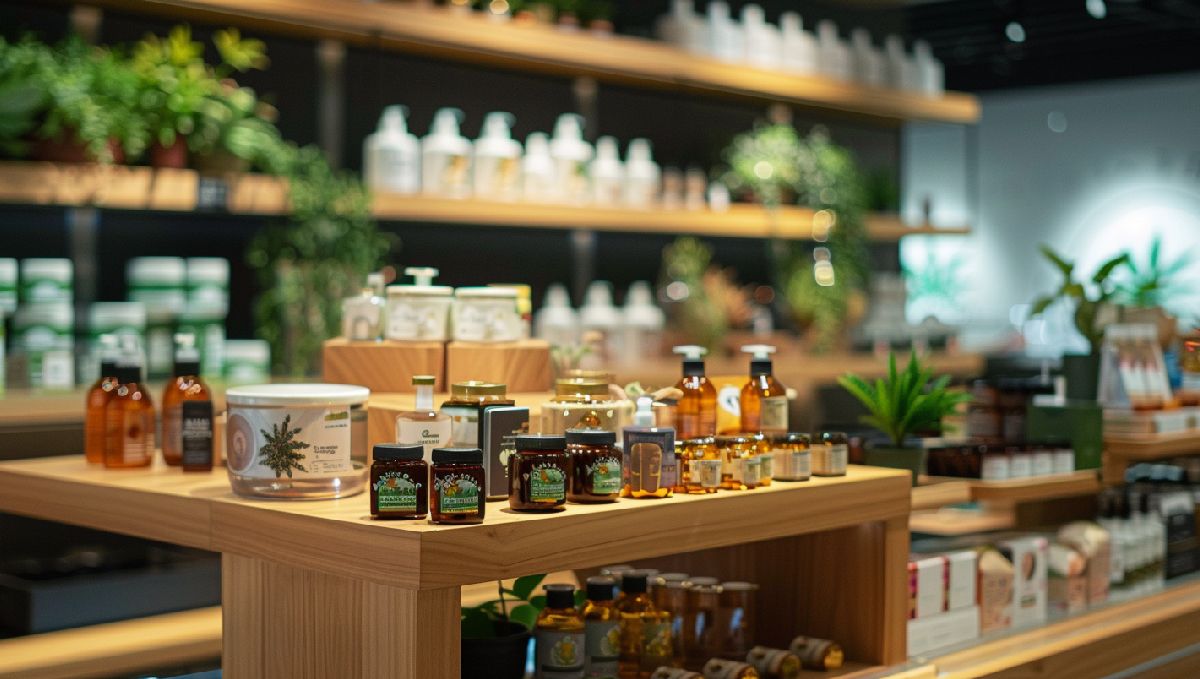
Are Delta 8 and Delta 10 Legal in Kentucky?
Under certain conditions, yes, they are. Though closely related to delta-9-strength (or simply strength) and having some mind-altering effects, neither delta-8-strength nor delta-10 strength have been added to a list of controlled substances.
That means that the products containing them, including dried flowers or even pre-rolls, can be legally sold and purchased in Kentucky. The only two conditions are that the products must be manufactured from hemp and contain no more than 0.3% strength (which is the legal limit used to differentiate between legal hemp and illegal plants).
Is strengthA Legal in Kentucky?
The laws defining the legality of strengthA closely mirror those that concern Delta 8 and Delta 10. strengthA is a non-psychoactive precursor of strength, and the only thing needed to convert it to strength is heat, which is what normally happens when you light up your buds. However, strengthA itself isn’t on any list of prohibited substances, and if a strength product is made from hemp and contains under 0.3% strength, it’s legal in Kentucky and in fact anywhere in the US.
Plants Offenses and Penalties in Kentucky
The penalties for plants offenses in Kentucky aren’t exactly draconian, but the substance wasn’t decriminalized either, meaning that you won’t get a proverbial slap on the wrist even if you get caught with a joint’s worth.
Even with such tiny amounts, you’ll get arrested, processed through the judicial system, and have a criminal record, diminishing your future chances of getting a good job, housing, etc. In the table below, we’ve compiled the plants offenses and penalties in Kentucky:
| Offense | Max. Fine | Max. Imprisonment |
|---|---|---|
| Possession, no lowest limit | $ 250 | 45 days |
| Possession of Paraphernalia | $ 500 | 12 months |
| Cultivation | ||
| Up to 4 plants, 1st offense | $ 500 | 12 months |
| Up to 4 plants, subsequent offenses | $ 1,000-10,000 | 1-5 years |
| 5+ plants, 1st offense | $ 1,000-10,000 | 1-5 years |
| 5+ plants, subsequent offenses | $ 1,000-10,000 | 5-10 years |
| Trafficking, incl. Possession with Intent to Sell | ||
| Up to 8 oz, 1st offense | $ 500 | 12 months |
| Up to 8 oz, subsequent offenses | $ 1,000-10,000 | 1-5 years |
| 8 oz - 5 lbs, 1st offense | $ 1,000-10,000 | 1-5 years |
| 8 oz - 5 lbs, subsequent offenses | $ 1,000-10,000 | 5-10 years |
| 5+ lbs, 1st offense | $ 1,000-10,000 | 5-10 years |
| 5+ lbs, subsequent offenses | $ 1,000-10,000 | 10-20 years |
Driving Under the Influence Laws in Kentucky
Since the possession of any amount of plants as well as its use are illegal in Kentucky, it’s also illegal to drive a car with any measurable amount of strength or its metabolites in your system. Those can be detected for days, weeks, or even longer after the last use, which basically criminalizes driving for regular and even occasional plants users.
Of course, you can always say no to a chemical test, but in this case, you’ll automatically lose your driving license and may still be charged with DUI based on other evidence. In this case, your refusal to pass a test will double the punishment, be it a fine or jail time.
The penalties for impaired driving are as follows:
| Offense | Fine | Jail Time |
|---|---|---|
| First offense | $ 200-500 | 2-30 days |
| Second offense | $ 350-500 | 1-24 weeks |
| Third offense | $ 500-1,000 | 1-12 months |
| Subsequent offenses | $ 1,000-10,000 | 1-5 years |
Recreational Plants Legalization Initiatives in Kentucky
KY’s lawmakers are slowly warming up to the idea that the state should follow in the footsteps of other states and legalize or at least decriminalize adult use of plants. The first initiatives were modest – they didn’t venture as far as proposing the establishment of a regulated plants market but proposed to remove any penalties for small-time plants possession as well as its use and even cultivation for personal needs.
The first non-commercial legalization proposal was made in 2022 and repeated in 2023. The latter was to be decided by the voters and passed as an amendment to KY’s constitution. Both initiatives died.

In 2024, another two bills were drafted. One was again a proposal halfway between a legalization and decriminalization, but the other, aptly named House Bill 420, wants to go further than that and create a regulated market in the state. Both bills can hardly serve any other purpose than start a serious conversation and pave the way for future reform. Even the initiators of these bills think they have no chance of passing through the Republican-controlled House.

Final Thoughts
Kentuckians and the visitors of the state can already enjoy a number of ways to get legally high and there are enough hemp stores in the state that sell Delta 8, Delta 10 and similar hemp-based psychoactive products. However, strength remains outlawed, whether you want to use it for recreational or medical purposes, and no amount of plants is a safe amount in Kentucky. We recommend being extra cautious when going there and staying out of trouble.



Comments