
Comprehensive Guide to Tackling Overwatered and Underwatered Plants Plants

- 1. Understanding the importance of watering plants plants
- 2. Identifying signs of overwatering and underwatering
- 2. a. Signs of overwatered plants plants
- 2. b. Signs of underwatered plants plants
- 3. Addressing overwatered and underwatered plants plants
- 3. a. Fixing overwatered plants plants
- 3. b. Fixing underwatered plants plants
- 4. Optimizing your watering techniques for plants plants
- 5. Understanding the role of the growing medium
- 6. Role of nutrients and ph in watering practices
- 6. a. Importance of nutrients
- 6. b. Importance of ph
- 7. The crucial role of roots in plants plant health
- 7. a. Root health and overwatering
- 7. b. Root health and underwatering
- 8. Understanding plants plant water needs at different growth stages
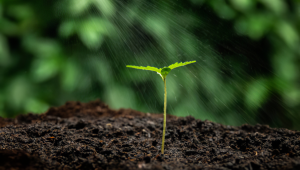
- 8. a. Seedling stage
- 8. b. Vegetative stage
- 8. c. Flowering stage
- 8. d. Late flowering stage
- 9. The role of environmental factors in watering plants plants
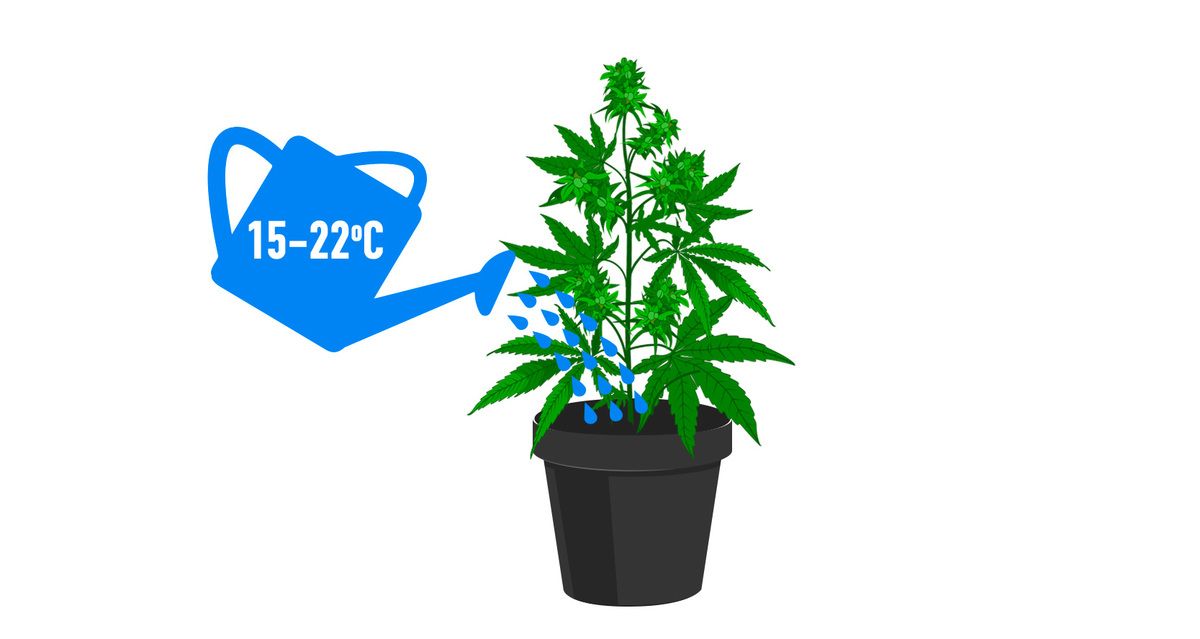
- 9. a. Temperature
- 9. b. Humidity
- 9. c. Light intensity
- 9. d. Air movement
- 10. Advanced watering techniques for plants cultivation
- 10. a. Deep watering
- 10. b. Bottom watering
- 10. c. Cycle watering
- 11. Creating the ideal environment for plants cultivation
- 11. a. Light
- 11. b. Temperature
- 11. c. Humidity
- 11. d. Nutrients
- 12. The significance of proper watering in enhancing plants returns
- 12. a. Overwatering and returns
- 12. b. Underwatering and returns
- 13. The influence of water quality on plants plants
- 13. a. Ph level
- 13. b. Hardness/softness
- 13. c. Chlorine and chloramine
- 14. Reviving overwatered and underwatered plants plants
- 14. a. Reviving overwatered plants
- 14. b. Reviving underwatered plants
- 15. Watering systems for plants cultivation
- 15. a. Drip irrigation systems
- 15. b. Soaker hoses
- 15. c. Flood and drain systems
- 15. d. Wick systems
- 16. A comprehensive look at nutrient management in plants cultivation
- 16. a. Macronutrients
- 16. b. Micronutrients
- 16. c. Nutrient ratios
- 17. Final thoughts on watering practices in plants cultivation
Watering plants plants sounds like a straightforward task, but it holds immense importance and requires precision. Overwatering and underwatering can both have detrimental effects on your plants seeds' health and return. This comprehensive guide will help you understand and fix these issues to ensure your plants thrive.
Understanding the Importance of Watering Plants Plants
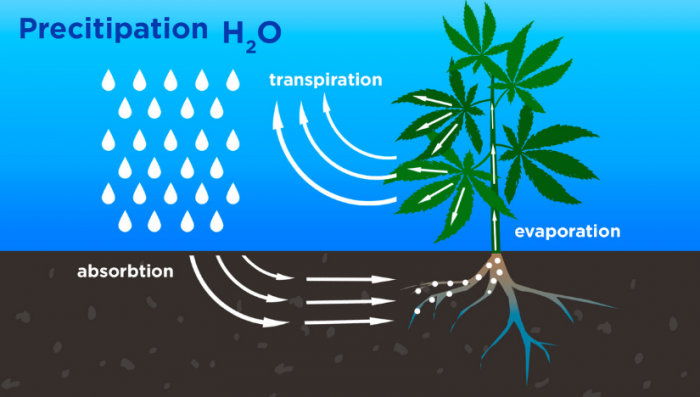
Water is a crucial component in the life of any plant, including plants. It aids in nutrient absorption, photosynthesis, and overall growth. The right balance of water is essential - not too little and not too much.
Identifying Signs of Overwatering and Underwatering
Before we delve into the solutions, let's first understand the signs of overwatering and underwatering in plants plants.
Signs of Overwatered Plants Plants
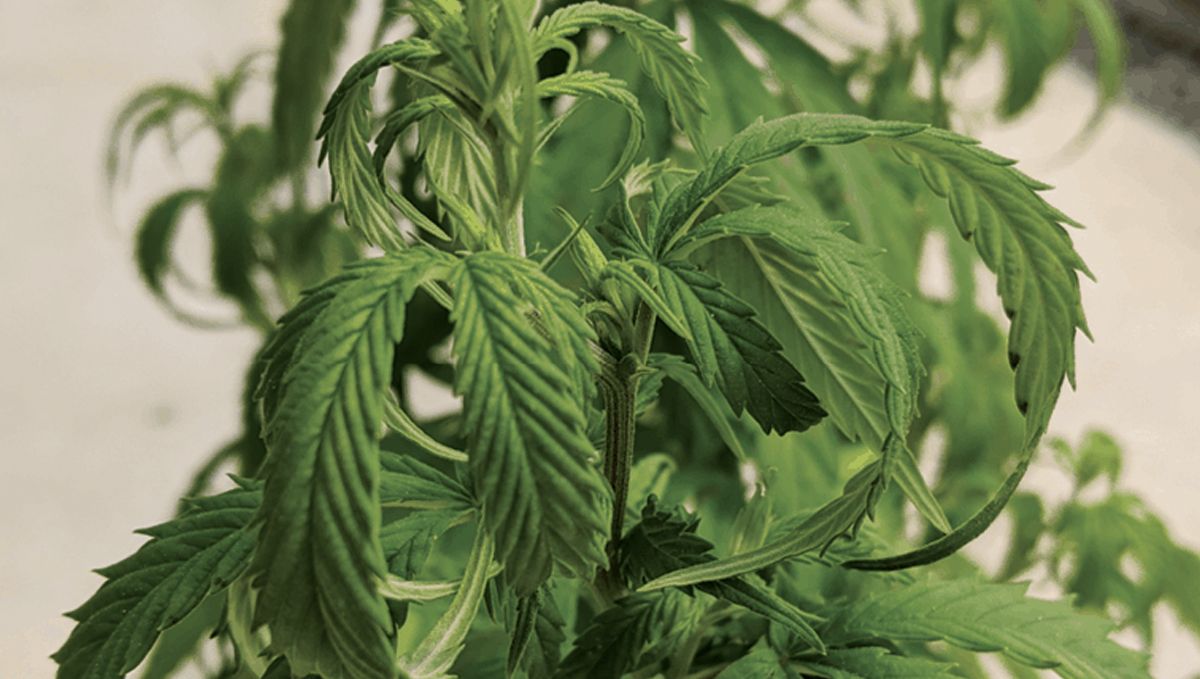
Your plants will let you know when you’ve gone overboard with watering by changing its appearance quickly.
| Overwatering sings | |||
|---|---|---|---|
| Wilting | Yellow leaves | Root Rot | Slow Growth |
| The leaves will wilt and drop. | The older leaves of your plant will start becoming yellow. | Too much water promotes the development of rot at the level of the roots. | Stunted growth due to overwatering is the reason why your plants stagnate. |
Signs of Underwatered Plants Plants
Lack of sufficient water can also impact the growth of your plants plants and the quality of your return.
| Underwatering signs | ||
|---|---|---|
| Dry leaves | Wilting | Slowed growth |
| Brittle leaves that crumble in your fingers are a clear sign of underwatering. | The leaves are no longer fresh-looking. | If your plants don’t get enough feeding water, their growth will be slowed down. |
Addressing Overwatered and Underwatered Plants Plants
You know what are the signs, but let’s see what it takes to deal with these issues so you don’t lose quality and quantity of your return.
Fixing Overwatered Plants Plants
When you start noticing signs of overwatering, the main thing you have to do is to decrease the frequency of watering. This will give your plant enough respite to dry a little. Next, think about checking the soil and the pots you’re using for your plants plants. If you can, try to repot the plants into fabric pots or pots with drainage holes where excess water can’t flood the roots.
You can also take some preventative measures such as adding sand, vermiculite and perlite to your soil mix so you can improve the drainage properties of your soil. Another thing it does is that it helps avoid root rot which can be treated with a fungicide or Trichoderma.
If you see other signs of too much water, track the moisture levels in your growing room and lower the humidity with a dehumidifier.
Fixing Underwatered Plants Plants
Now, if you’ve been playing it too safe when watering your plants plants, then you might encounter signs of underwatering. It’s not the end of your growing career if you’ve been too stingy with the water. In fact, most of the time you can find solutions to save your plants.
By gradually increasing the water content and playing with the hygrometer you should be able to bring moisture to your plants plants. Moreover, you can also go an extra step and update the soil by adding a mix that will promote a moist medium.
Optimizing Your Watering Techniques for Plants Plants
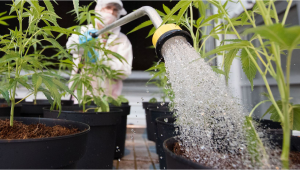
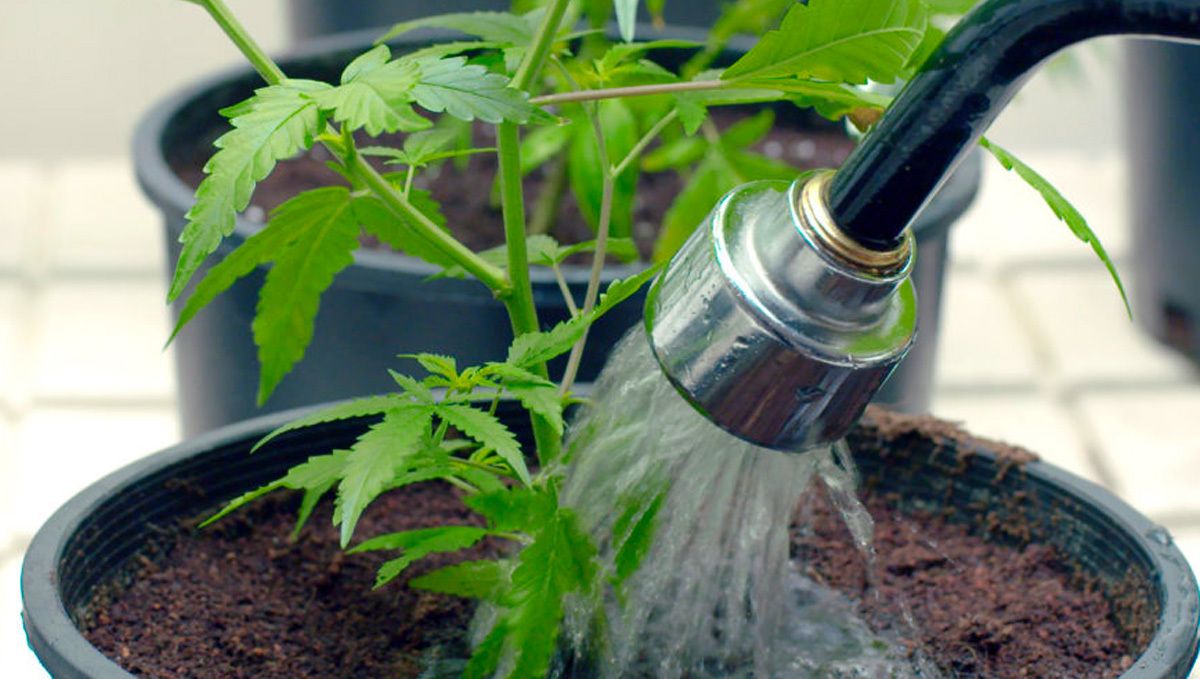
Whatever is your watering technique, remember to add water to your plants in the first part of the day. That’s the time when the evaporation rate is much lower and your plant will keep most of its moisture. When you water your plants plants manually, don’t pour the water too quickly. In fact, the best way to water plants plants in a pot is by making sure you reach all the soil evenly.
Understanding the Role of the Growing Medium
Growing plants is not complicated if you choose the right growing medium for your plants. Whether you’re using hydroponics or soil mixed, you’ll have to adapt the way you’re growing your plants to the soil you use.
- Soil: Classic growing method requiring monitoring and supplementation with soil mixes to promote draining and moisture retention.
- Hydroponics: It’s a water based cultivation method that supplies constant contact to the nutrient water. It’s not very complicated to set up, but it does require some knowledge.
If you want to dip your toes in hydroponic cultivation, then start with coco-coir in the soil mix to help with water retention. But don’t forget that you’ll have to use more water.
Role of Nutrients and pH in Watering Practices
Nutrients and pH levels are just as important as the type of water you use. The pH ensures the nutrient absorption and the right amount of nutrients locks down your plants’s flowering.
Importance of Nutrients
Each seed has its own demands when it comes to the amount of feeding water and supplements.
Importance of pH
The pH level will tell you if your nutrients are absorbed by the plant, and if you’re using the right quantities.
Ideal pH levels:
- Soil: 6.0 to 7.0
- Hydroponics: 5.5 to 6.5
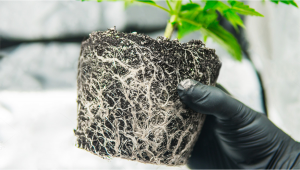
The Crucial Role of Roots in Plants Plant Health
Healthy roots mean big returns so make sure to take care of the roots when you’re adding nutrients to the feeding water.
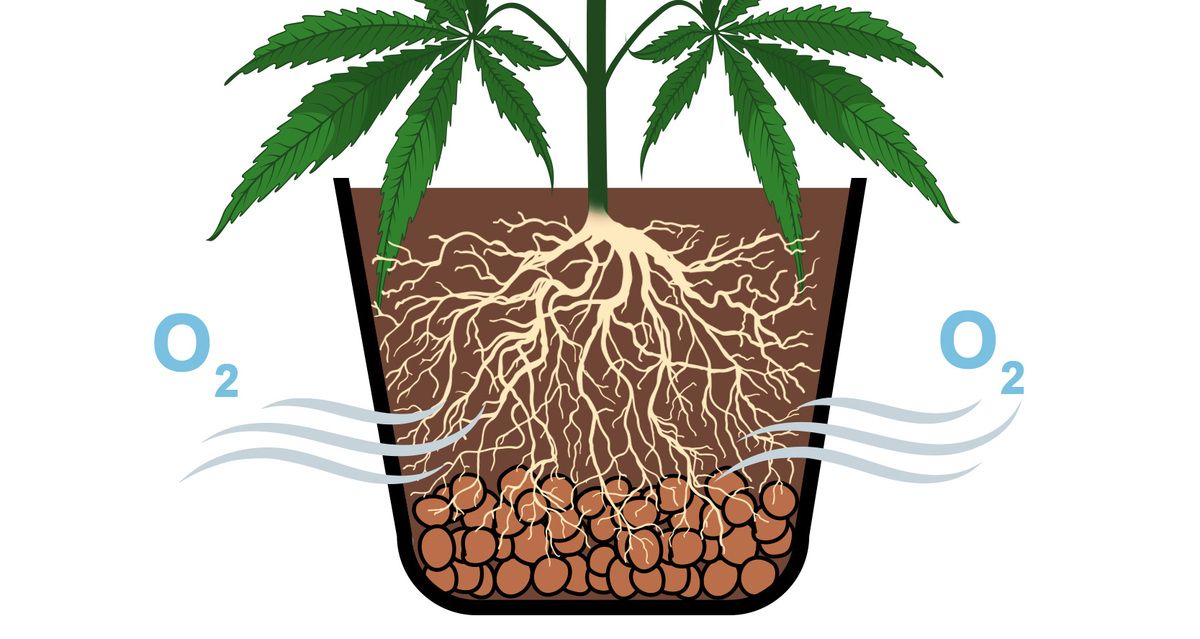
When doing your daily checks for your plants plant, don’t forget to also check out the roots. Some issues start at the foundation so don’t skip them so you can catch any possible issues fast.
Root Health and Overwatering
Roots with a high amount of moisture are prone to diseases such as fungi and rot. Don’t forget to keep an eye on the roots when you water because it’s easy to drown them.
If the soil is too compact then air cannot reach the roots and there’s room for deficiencies. Adding some sand or perlite should do the trick, but fabric pots or pots with drainage should also be a good option.
Root Health and Underwatering
Lack of sufficient water is just as damaging as too much water for the plants plant’s roots. Once the roots start drying, it will be harder for the plant to grow and get from one stage to the other. Besides, it will affect your returns, and much of the work you’ve done would have been for nothing. Once you notice any dry leaves, get to work and start adding a little bit of water at a time.
Understanding Plants Plant Water Needs at Different Growth Stages
You wouldn’t add the same amount of water to the seedling stage as you would to the flowering stage, right? In fact, you’ll have to fiddle with the amount of water you add to your plants after each stage, if not after each week.
Seedling Stage
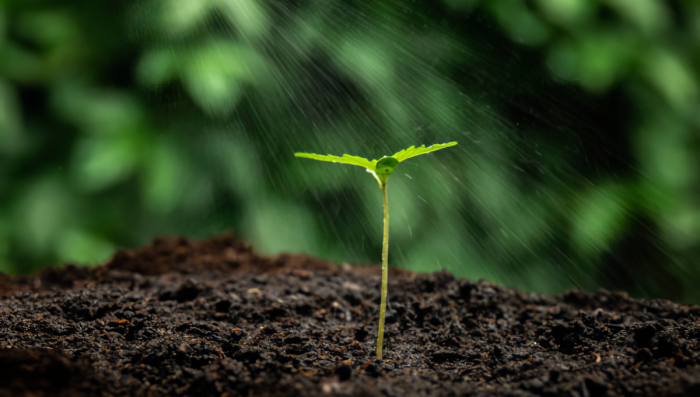
While in the seedling stage, your plants plants won’t need too much water, but remember to keep an eye on the quantities because it’s easy to damage the roots now.
Vegetative Stage
When your plants are going through the vegetative stage, you’ll have to boost the water as more energy will be consumed.
Flowering Stage
In the flowering and pre-returning stages, your buds will be getting bigger and more flavorful. That’s why you have to feed the plants even more.
Late Flowering Stage
When you get to the point of late flowering, your plant is almost ready for return so don’t stop watering, but add less. These last few days you can flush your plants to get the buds bigger and the taste better.
The Role of Environmental Factors in Watering Plants Plants
The environment and the numbers in your grow room are the factors that make or break your plant’s progress. So keeping track of water, nutrients, humidity and temperature will guarantee that your plants reaches return time.
Temperature
The temperature has to remain constant in the growing space because strong fluctuations will stress the plants plants. High or low temperatures play too much with the evaporation rate of the water.
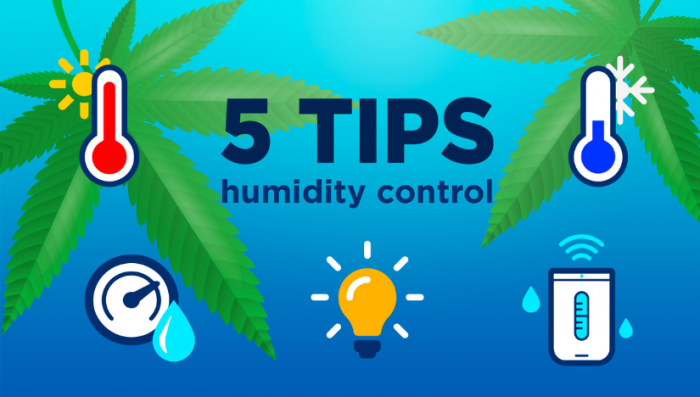
Humidity
Humidity is another factor that tackles the evaporation rate and the moisture absorption. So track the levels in the grow room and adjust to avoid mold growing or leaves drying.
Light Intensity
The type of light and light bulbs you use can have an impact on the water absorption. If your plant is too close to the light, you might also have to deal with burned leaves.
Air Movement
A well done ventilation setup will keep diseases and infestations at bay, not without also regulating the temperature and humidity.
Advanced Watering Techniques for Plants Cultivation
You can dig even further and use different mechanisms for adding moisture to your plants.
Deep Watering
Using this technique you’re basically drowning your plants plant pot in water until you start seeing water getting out from the drainage holes. This way, the entirety of the roots will be moist. Also, this is a great method to get rid of all the unwanted substances in the soil.
Bottom Watering
You can use a tray in which you add the feeding water and let the pot over it. With this method, the plant will absorb the necessary quantity of water.
Cycle Watering
You can add small quantities of water to your pot throughout the day so your soil has time to absorb all the nutrients. This way, you’re lowering the chance of overwatering.
Creating the Ideal Environment for Plants Cultivation
Your plants will need some equipment to thrive in an indoor setup. So you’ll have to be able to follow the measurements in the space.
Light
Light is extremely important for plants plants development and evolution from one stage to the other. Particularly if you’re growing photos which need a strict light schedule. For autos, you’re granted more flexibility as long as you provide 18 hours of light per day.
Temperature
Temperatures need to be constant during all the growing stages of the growing of the plant. Typically, the temperatures should get lower than 20°C and higher than 27°C for flowering, or 30°C for vegetative.
Humidity
Humidity needs change based on the stages of your plants plant:
- Vegetative - 40 - 70%
- Flowering - 40 - 50%
Nutrients
Good feeding water with macro and micronutrients is essential in helping plants plants grow and thrive. That’s why it’s important you don’t overlook the right measurements for each growing stage.
The Significance of Proper Watering in Enhancing Plants Returns
When you grow plants plants you need to avoid stressing the plant as much as possible. Due to stress, the plant won’t put all the effort into developing, but into keeping itself alive.
Overwatering and Returns
The buds production of your plants plants will be harshly impacted by overwatering. The necessary nutrients will more likely be flushed and you’ll have a much airy plant.
Underwatering and Returns
Underfeeding plants will not produce the hoped-for results due to the lack of proper moisture and macro and micronutrients. One of the main issues you’ll encounter is stunted growth that won’t allow proper bud development.
The amount of stress underwatering puts on your plant will lead to low levels of production and your plants can also get to the flowering stage too fast.
The Influence of Water Quality on Plants Plants
Not all types of water are suitable for plants plants. Water straight from your home’s supply is not good enough to provide your plants with the right nutrients.
pH Level
Use pH measurement tools to make sure your feeding water is slightly acidic. The amount of nutrients you add to your water influences the pH levels which impact the absorption properties of your plants plant.
Hardness/Softness
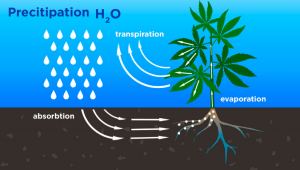
The water for your plants plant should be a balance between hard and soft water. Hard water has many minerals that could burden the roots. Soft water lacks minerals like calcium and magnesium which can impact the pH. Consider using rain water for watering because it’s both soft and slightly acidic.
Chlorine and Chloramine
Most home water supplies contain chlorine and chloramine to make the water safe for human consumption. However, this type of water is not as beneficial for plants plants. If you don’t want to mess with the medium of your plants, use a filter or let the water sit overnight before using it.
Reviving Overwatered and Underwatered Plants Plants
You overwatered or underwatered your plant? Fear not because there’s still hope for your plants plants to get back on track.
Reviving Overwatered Plants
First things first, stop adding any more water to your plant. Then, just let the soil get dry enough before you start checking your roots. If your soil is too compact or too wet, add some perlite to promote good draining. Don’t forget to treat any signs of rotting before adding your plant to a new pot.
Reviving Underwatered Plants
Don’t try to overcompensate with too much water when you’ve noticed the first signs of underwatering. In fact, the best way to revive underwatered plants plants is by slowly introducing small quantities of water over a few days.
Watering Systems for Plants Cultivation
Irrigation systems are a good investment for a bigger return, so it’s not necessary to start buying expensive equipment. However, if you’re growing more plants, then using an irrigation system will lower the chances of water-related issues.
Drip Irrigation Systems
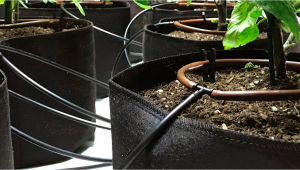
When using a drip irrigation system, you make sure that your plants are constantly in contact with the feeding water. With this method, your soil is kept at adequate moisture levels. Another advantage to drip irrigation is that you can automate the watering process how you like.
Soaker Hoses
Hoses are the ideal system for those growers who prefer outdoor growing. Thanks to the linear setup, the plants will be watered slowly and overwatering will be minimized. The hoses are along the pots of the plant in a straight line so each plant can receive the necessary water.
Flood and Drain Systems
By adding feeding water to the growing tray, then draining back you allow your plants to absorb all the water they need. With the flood and drain system you also increase the level of oxygen to the root. While it’s a highly beneficial technique, keep in mind that this system is not as easy to set up.
Wick Systems
Using a wick to add water to your plants from a water reservoir, you ensure your plants receive water constantly. This system is more often than not used in hydroponic growing mediums where the roots are always in contact with nutrients. The wick system is more beneficial for smaller and medium sized plants plants.
A Comprehensive Look at Nutrient Management in Plants Cultivation
Using just water won't provide the essential nutrients your plants plants need to thrive. Nutrients like macro and micronutrients provide the necessary support for your plants.
Macronutrients
Higher quantities of nutrients, particularly macronutrients, have the highest nutrient intake. The right quantity of macronutrients depends on the growing stage of the plant so it’s best to adjust the feeding water according to it.
| Primary Macronutrients | |
|---|---|
| Nitrogen (N) | Essential for the vegetative stage when photosynthesis takes place. |
| Phosphorus (P) | Helps the transfer of energy from the flower to the roots. |
| Potassium (K) | Make sure your plant absorbs the right quantity of water and keeps the metabolism working. |
| Secondary Macronutrients | |
|---|---|
| Calcium (Ca) | Contributes to cell stability and strength. |
| Magnesium (Mg) | Important for photosynthesis due to the chlorophyll composition. |
| Sulfur (S) | Essential in enzymes, vitamins, proteins and amino acids production. |
Micronutrients
Micronutrients are usually used in smaller quantities but are just as important for your plants plant.
| Micronutrients | |
|---|---|
| Boron (B) | Development of cells and tissues. |
| Copper (Cu) | Helps in photosynthesis and enzyme processes. |
| Iron (Fe) | Essential in many enzymes and pigments. |
| Chloride (Cl) | Important for photosynthesis. |
| Manganese (Mn) | Contributes to nitrogen absorption and photosynthesis. |
| Molybdenum (Mo) | Important in nitrogen fixation. |
| Zinc (Zn) | Has a purpose in the synthesis of protein and enzymatic reactions. |
Nutrient Ratios
As the plants plant starts developing, you’ll have to provide it with different amounts of nutrients depending on the growing stage. For example:
- Vegetative: Higher quantities of nitrogen
- Flowering: Phosphorus and potassium
Each nutrient promotes the development of the characteristics of the plant for each stage.
Final Thoughts on Watering Practices in Plants Cultivation
So now you know how water can influence the growth of your plants plants. As it’s the case with anything, too much or too little might be damaging. Aim for the perfect balance of light, water, nutrients and humidity for your plants and adapt everything to suit your seeds. Doing this, you’ll enjoy high returns in no time.
Comments