
Are Autos Easy to Grow?



- 1. How are autos different?
- 2. Are autos easy to grow?
- 3. In conclusion
Autos first came into the picture when a species known as Ruderalis was discovered in Russia. It was somewhere during the 1940s, and many seeds have been released since then. The first auto seed to make its appearance was the “Lowryder” that had many growers excited.
However, since the seed lacked strength and produced minimal returns, it was assumed that autos weren’t as good as photoperiod plants that were accepted by everyone. But, fortunately, things have changed now. Autos not only boast of high strength levels, but the returns are as good as photoperiod plants too. If you’re new to growing autos, you’ve probably wondered whether they are easy to grow. A fair question, especially considering the myths surrounding autos, but at the end of this article, you’ll feel confident enough to try a few seeds.
Autos initially rose to fame because of its rapidly growing times. This trait appeals to multiple populations that grow plants, including commercial cultivators looking for quick profits, and stealthy growers who want to start and finish a growing operation as quickly as physically possible. Modern breeding breakthroughs also mean that autos, despite their smaller size and more innocent appearance, are capable of producing returns and phytochemical profiles that rival those of their photoperiod counflavorarts. However, something else sets these cultivars apart from all of the other varieties available—they are famously easy to grow from seed to return.
There are numerous reasons why this is the case, from their speed and resistance to their tolerance of adverse weather. Instead of constantly monitoring and tinkering with towering Sat photoperiod varieties, many growers are drawn to autos because they offer a relatively hands-off approach; they’re highly forgiving of beginner errors. Instead of viewing them as a special exotic plant species that need extra care and attention, you treat them just like another vegetable plant that you’ve decided to grow in your garden. Give them the right amount of water, light, and nutrients, and they’ll do all of the hard work. So, let’s get down to business and understand how it’s really easy to grow autos.
1. How are autos different?
Autos are different than photoperiod plants in many ways. Photoperiod plants depend on the light to start flowering, but autos don’t rely on light. For instance, when a photoperiod plant grows outdoors, it depends on signals indting the arrival of winter. In winters, the periods of darkness increase, and the photoperiod plants start flowering solely due to seasonal changes. When growing indoors, growers use artificial lights that make it easy to manipulate the light/darkness cycles. For example, if you’re growing photoperiod seeds indoors, it starts off with a vegetative period that lasts for at least 8-10 weeks.
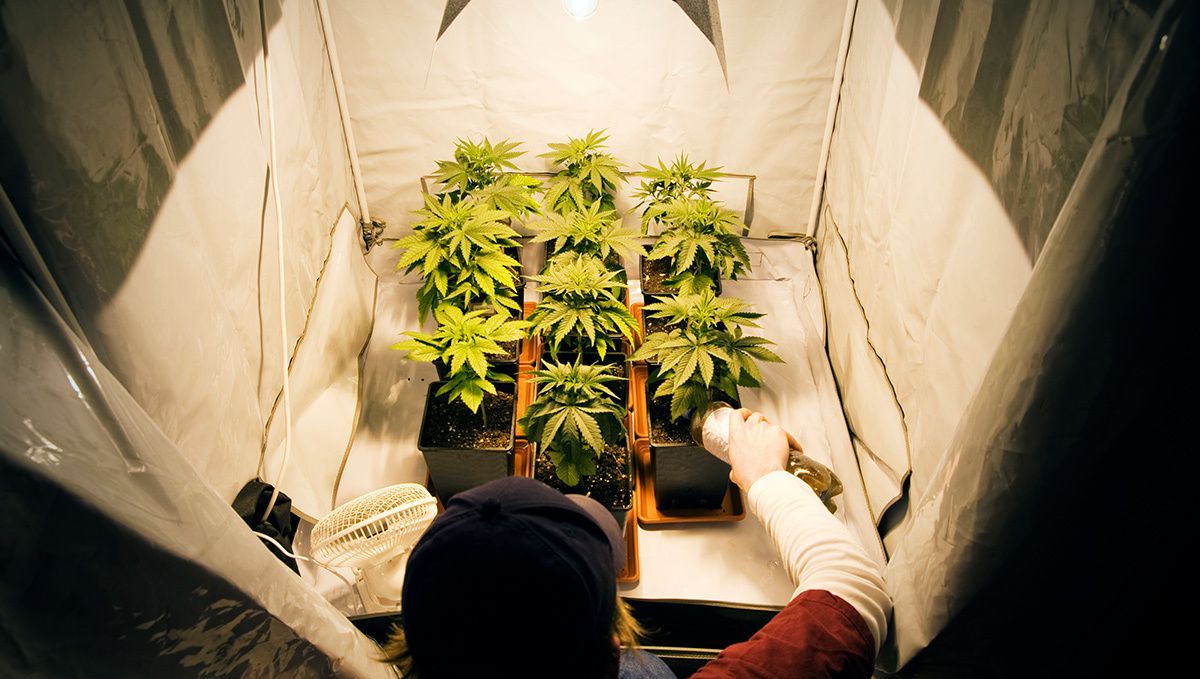
In this period, the plants need a 18 hours of light and 6 hours of darkness light cycle to grow properly. Some growers supply only 16 hours of light and 8 hours of darkness and the plant grows well, but the number of light hours should be greater than the period of darkness in the vegetative stage. As long as the plant receives more light than darkness, it will remain in the vegetative period. Additionally, it is critical to supply uninterrupted light to allow the plants to grow to their full potential without ‘confusing’ them. This is why most growers are terrified of power cuts when growing photoperiod seeds. Later, once they are satisfied with the growth, they switch to the flowering phase by tricking the plant again.
In the flowering phase, the plants need at least 12 hours of light and 12 hours of uninterrupted darkness. At this point, the plant starts producing bud sites in preparation. The flowering phase will continue as long as the plant receives a good amount of darkness. As the plant matures and produces several buds, the grower returns the buds. So, as you can understand, photoperiod plants need seasonal changes to complete their lifecycle. The light/darkness cycle is crucial to allow the plants to grow well and return a good amount.
On the other hand, autos don’t rely on seasonal changes. They are ‘automatic’ where the vegetative period of the plant continues only for 1-4 weeks and the plant starts flowering without any human intervention. There’s no need to manipulate the light/darkness cycle since the plant will flower irrespective of the seasonal changes. This trait stems from genetic adaptations. Plants ruderalis populations developed in northern regions of the world that experience shorter growing seasons. Photoperiod seeds that require months to grow and mature don’t fare well under these conditions.
Therefore, as plants dispersed to these areas, the genomes of plants that require long growing seasons withered away. However, genotypes that thrived under these conditions survived and went on to reproduce. Eventually, genetic adaptations enabled these plants to start flowering based on their age instead of external light cues. We have these mutations to thank for the auto cultivars that are on offer today.
Another remarkable factor that makes autos different is that they are super quick to grow. As mentioned already, photoperiod plants need at least 10 weeks to complete their vegetative phase. They take their own sweet time to grow large and beautiful. Some growers even extend the vegetative phase to 12 weeks to make up for any mishaps. But, autos are super quick. They grow vigorously and the grower doesn’t need to do anything other than supplying nutrients.
These qualities make auto genetics appeal to a variety of growers. Those running commercial operations are drawn to autos because they offer a rapid turnover. Small-scale home growers and guerrilla growers also value autos for their speed, because speed equates to stealth. The ability to raise a crop from seed to return in a matter of weeks enables cultivators to procure a stash in as little time as possible. Auto plants seeds released today are resistant to many diseases including mold. They grow into sturdy plants without any assistance.
So, what makes autos different:
- They don’t depend on changes in light/dark cycles to flower
- They grow quickly and complete their lifecycle faster than photoperiod plants.
Now that you know more about autos, let’s go back to the original question.
2. Are autos easy to grow?
Autos are definitely easy to grow. And I’ll explain why.
Return faster
Nobody wants to wait for months to return buds. In fact, the very reason you grow plants at home is to get buds as quickly as possible. The lifecycle of an auto plant is very simple. Once the seeds germinate, they take about 1-2 weeks to adjust well in the seedling stage. But, you will notice an explosive growth in the third week.
They take only 1-4 weeks to enter the flowering phase, making them faster than photoperiod plants. After they enter the flowering phase, they take another 6 weeks to finish the cycle. Some autos can be returned in as little as 8-9 weeks if the flowering or bloom nutrients are supplied in the 4th week, but it’s recommended that you do so only in the 6th week so that the plant gets enough time to grow big and produce massive returns. Thus, it takes only 10 weeks to return some juicy, amazing buds when you grow autos.
No maintenance required
It can be a pain to manipulate the light and darkness cycle when growing photoperiod plants. This applies to many growers with other commitments since it’s not possible to spoon-feed the plants every day. Of course, you can install a timer in your grow room, but what if you don’t have one? As long as you remember to maintain a light period of at least 18 hours in the vegetative phase and 12 hours in the flowering phase, you’ll get along just fine. But, if you forget to do so, the plants don’t grow as expected. Also, it’s important to remember that photoperiod plants need uninterrupted light and darkness. This means that you can’t afford to have light leaks that can disrupt the growth. Constant interruptions will force the plants to turn into hermaphrodites, commonly known as “hermies” in the plants community.
And once a plant turns hermie, the plant uses all its energy to grow seeds instead of producing buds. Since the goal is to grow sensimilla plants without seeds, uninterrupted periods of light/dark cycle are critical.
It goes without saying that you need to pay a lot of attention to grow tents that don’t allow light leaks. Suffice it to say that it’s very difficult to manage the plants if you reside in locations with frequent power cuts. For autos, it doesn’t matter if there’s an interruption in the light/dark cycle. Most growers that grow autos make their own grow rooms and it is okay to have a few light leaks. Autos will also grow fine even if there are a few power cuts.
Save money
Of course, like all plants, auto plants varieties still require care when it comes to water and nutrients. However, because they finish their growing cycle so quickly, growers don’t need to apply as many nutrients. For growers that use synthetic nutrients, this means one bottle of formula will spread across multiple grows. Those growing organically with compost, mulches, and other amendments are used in their strategy of feeding the soil for long periods of time. This becomes especially apparent when catering to plants that are only in the soil for several weeks.
Autos are especially easy to grow because they save you a lot of money. Right from the lighting that needs to be switched on for only 14-16 hours per day, you save a lot of money. Also, they can be returned in just 10 weeks compared to photoperiod plants that need a minimum of 5 months to finish their cycle. Thereby you save big on nutrients too.

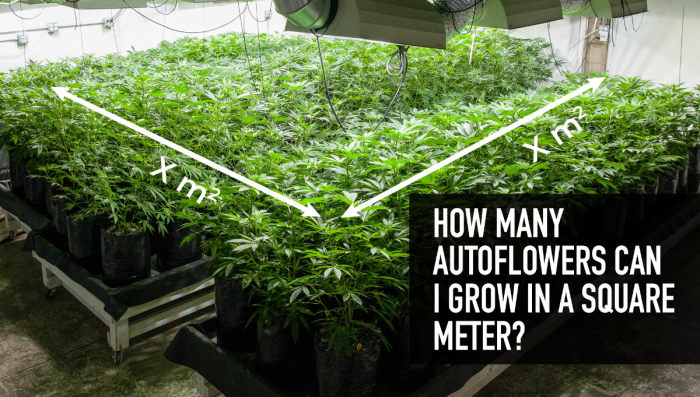
Autos don’t need as many nutrients as photoperiod plants because they are compact in size. As long as you take care of the plants by providing at least 12-16 hours of light every day, they will grow well and reward you at the end of it all. Many people assume that autos don’t return a lot, but think about it. A single plant produces as much as 300-400 grams of bud per meter square whereas photoperiod plants generate about 500-600 grams. Since you can grow two batches of autos before a photoperiod plant completes its cycle, you’re essentially getting the same return.
They are small and perfect for stealth grows
Not every country has made plants legal yet. Therefore, growers need to be very careful while growing plants at home. Of course, this is subjective and growers don’t like small plants, but considering that you can grow two plants in the space required to grow one photoperiod plant, the idea is certainly alluring. Not every auto plant is small, though. Seeds like Gorilla Glue Auto tend to grow massively, and the returns are obviously higher, so it depends a lot on the seed you choose.
However, growers can take measures to tame larger auto cultivars. Using small containers will help to keep plants on the shorter end of the spectrum. Low-stress training also comes in handy to keep plants lower to the ground. This technique causes branches to shoot up and produce a more uniform canopy, which results in improved early flow, evenly-sized colas, and enhanced returns.
Return more outdoors
Growers use artificial lighting to manage photoperiod plants when growing indoors. The light/dark cycle is adjusted to help the plant grow as big as possible. But, what happens if you grow outdoors? Since photoperiod plants depend on seasonal changes, they can be grown only twice a year, resulting in fewer returns.
However, autos don’t have that problem. Whether you grow them indoors or outdoors, they will continue growing and produce returns in just a matter of 10 weeks. And they grow bigger outdoors too. So, instead of only two returns, you get multiple returns that can serve you for a long, long time.
Their rapid growing times and hardy nature means they’re ideal for growers cultivating further north. If you start off plants indoors early in the season, you’ll guarantee yourself a bountiful return only part-way into summer. Autos are a great strategy to dodge the first frosts of the season, even if you choose to pop seeds later in spring.
Perpetual returns
A major problem with photoperiod plants is that you need separate vegetative and flowering rooms if you’re aiming to grow more plants. For example, if you have 5 plants in your grow room, you need to wait until they complete their entire cycle before you can sow another seed. This is because the previous five plants need 12 hours of darkness and you can’t introduce a seedling directly to the flowering phase.
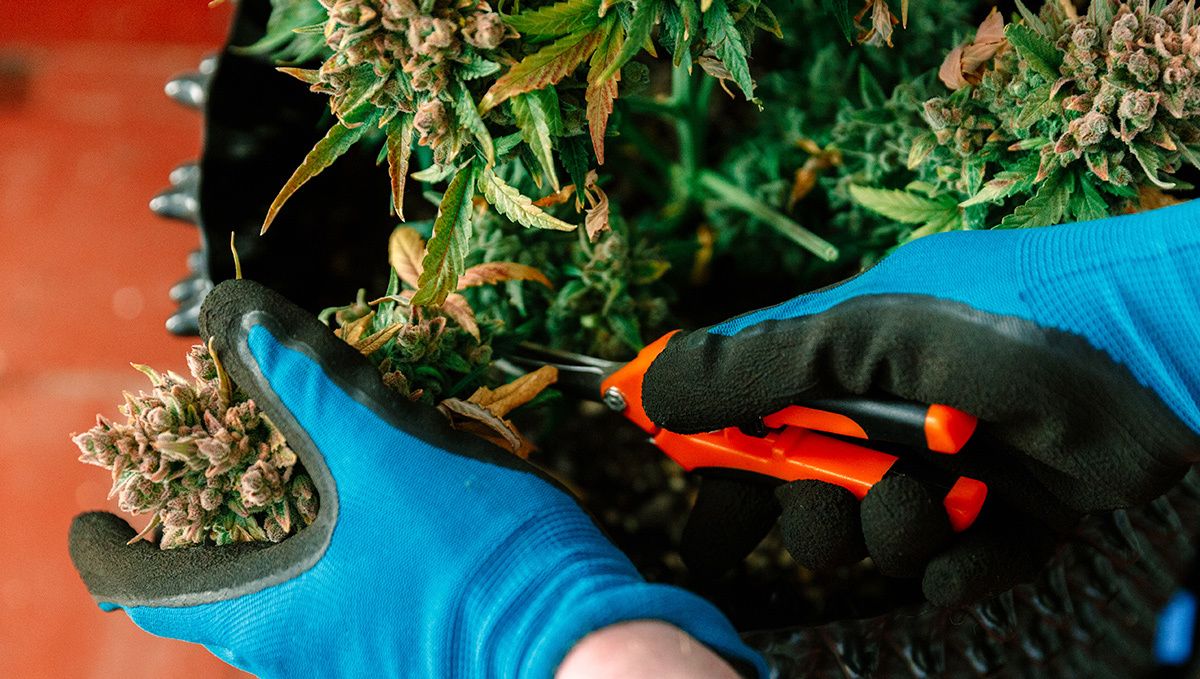
If you’re growing autos, you don’t need separate vegetative and flowering rooms because they will all grow in the same room. Whether it’s a seedling or a plant in its flowering phase, it will grow as usual without any hindrance. As you can imagine, it’s really easy to grow autos, so why not grab a few seeds and start today?
3. In Conclusion
If you're looking to start your next grow cycle with the right foot and get all the benefits that come with auto plants it's essential you start with quality seeds, so make sure to buy from reputable seedbanks like Fast Buds, trusted by thousands of customers worldwide. In the table below you can find why autos are the way to go:
| Main Benefits Of Autos | |
|---|---|
| Save money, time and effort | Perfect for limited spaces |
| Return perpetually | Seed to return in 30% less time |
| 4 outdoor grow cycles per year | Need less water and nutrients |
There's no way to go wrong with autos, get all the benefits of home growing.... but in as little as 8 weeks, it's a win-win! If you have any questions or want to help fellow growers cultivate autos, feel free to leave a comment in the comment section below and get growing!

Comments