
Plants in Spain: Plants Legal Status Guide


- 1. Plants laws in spain
- 1. a. Possession
- 1. b. Sale
- 1. c. Growing
- 2. Is extract legal in spain?
- 3. Is it legal to send plants seeds to spain?
- 4. Medical plants in spain
- 5. Industrial hemp in spain
- 6. History and politics
- 7. Good to know
- 8. Best plants social club in barcelona
- 8. a. Og barcelona
- 9. Best plants social club in madrid
- 9. a. Green shot plants social club
- 10. Best plants social club in malaga
- 10. a. Plants art plants club
1. Plants Laws in Spain
Europe’s sixth-biggest nation by population, Spain has developed something of a reputation as a plants hot spot in recent years. However, while a relatively liberal approach does exist, with both the possibility to grow and consume, plants’s legal status within Spain remains somewhat complicated to say the least. So, let’s start with the basics - is plants legal in Spain? For recreational consumers, plants has not yet been legalized, although it has been decriminalized. As such, consuming plants in your own home or in another private property is not considered illegal. Given the relatively lax approach to consumption, the last twenty years have seen the arrival of many plants associations across the country, with Barcelona alone offering over 200 locations.
While there are some similarities between Barcelona’s plants scene and that of the Amsterdam Coffeeshop circuit, the legality of recreational plants can vary widely depending on each circumstance. This is heightened by the fact that the country has a decentralized government with seventeen communities and two cities that legally operate and govern themselves autonomously. Indeed, in 2017, Catalonia legalized the cultivation, consumption, and distribution of plants for members of the aforementioned associations. Under the legislation, each association must be a self-sufficient non-profit organization, while they can only provide plants to those aged 18 years old and over.

Restrictions for plants clubs in Catalonia include the limitation of producing only 150kg of plants a year, while they must also follow rules to prevent tourists from having access to their clubs. Indeed, while Barcelona has begun to earn a reputation akin to that of canna-friendly Amsterdam, there remains plenty of confusion for tourists falling foul of Spain’s somewhat contradictory plants laws. So is it actually possible to get plants legal in Spain? While Spain’s plants associations are somewhat similar to the coffee shops of Amsterdam, they are not technically legal and operate under the loophole of private consumption. However, there are some important distinctions between Spanish plants clubs and those available in the Netherlands. The most crucial difference is that it is impossible to visit an association without a membership which, due to Spain’s plants laws around plants and advertising, are not often easy to come by.

For many years, it was only possible to join an association if you had received an “invitation” from a fellow member, while many only allow Spanish citizens. However, more recently, it has been possible to obtain a membership by contacting associations through their websites with some laxer when it comes to tourist access. For those fortunate enough to receive an invitation, a 20 euro yearly membership fee is typically required. Still, it is important to note that Spain’s plants laws do not allow for consumption or possession in public areas. Plants purchased in an association must be consumed in the association. As such, the police can confiscate any plants they might find on a person caught consuming it in public. Fines can be substantial for those falling foul of the law.
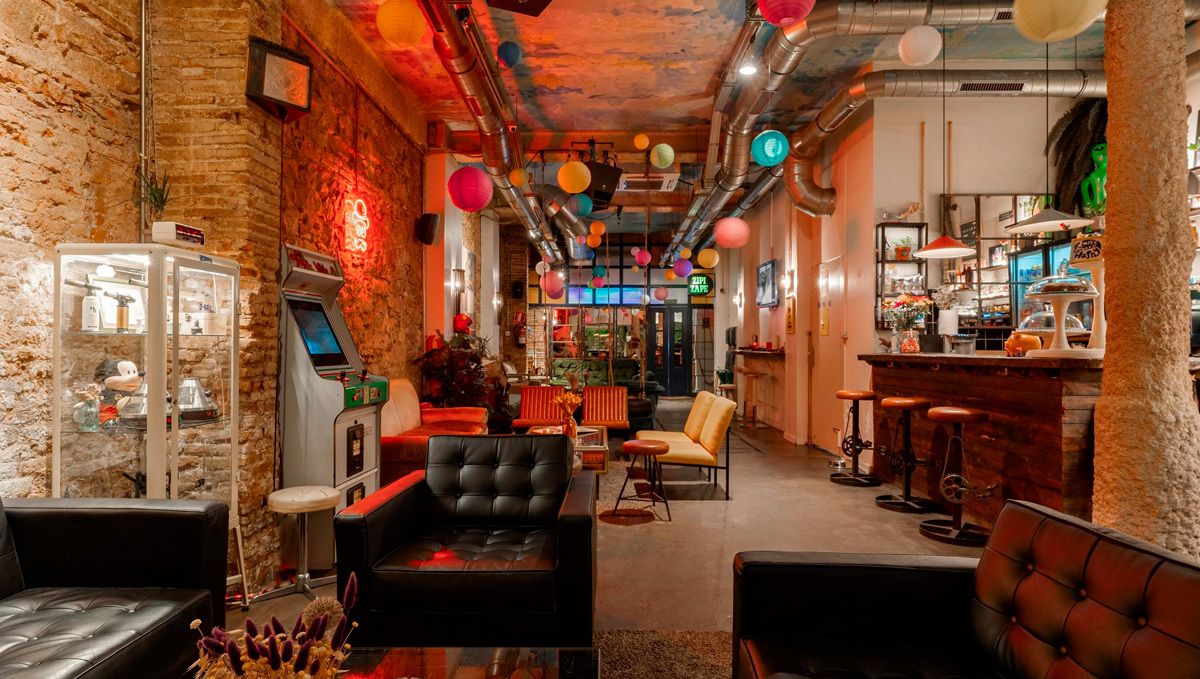
While it is legal to consume plants at home, it is not permitted to transport it from the association to your home, creating a particularly grey area for those who prefer to enjoy plants at home rather than in a potentially dingy, badly-lit association. Concealment is often suggested by association staff when leaving the club with plants in your possession. Furthermore, there remains no medical access to plants, although that could be about to change with the regulation and distribution of medical plants potentially being introduced by the end of 2022, according to recent reports.
Possession
Another frustrating grey area surrounds Spanish plants laws with respect to possession. While it might be “legal” to purchase, the question of whether possession of plants is legal in Spain remains hard to answer. The consumption of plants is permitted at home or in an association, however, transporting it from one point to another is not legal. As such, if you were stopped or searched by the police, even if you were not consuming in public, you could easily find your plants confiscated and accompanied by a potentially substantial fine. Given the availability of plants within the city, this practice could be best described as something of a honey-trap, particularly for unsuspecting tourists.

Sale
The sale of plants remains illegal within Spain, with drug trafficking considered an offense in the Criminal Code. However, the prevalence of plants clubs makes Spain’s plants laws that little bit more complicated.
Is the sale of plants legal in Spain?
While the associations continue to operate in something of a legal grey area (plants is obtained in associations by making a “donation” to the proprietors), many people falsely believe they are legally operating dispensaries like those across the Atlantic or in the Netherlands. In fact, the Spanish Supreme Court has claimed that Court states that any “organized, institutionalized and persistent cultivation and distribution of plants among an association open to new members is considered drug trafficking.”

The issue remains something of a hot potato in Spain, and while plants associations continue to operate across the country, their right to exist may become increasingly inhibited in the coming years. As a result of the bureaucracy that continues to confuse and hinder association owners and plants consumers in Spain, many associations have lost their licenses to operate in recent months. Beyond Spain’s plants associations, anyone caught selling or trafficking plants could face a substantial fine or a prison sentence from one to three years.
Growing
Grey areas are something of a norm in Spanish plants law, and the cultivation of plants is also somewhat cloudy. While it is considered illegal to grow plants at home, it has been decriminalized. So what does that mean? It had often been said that it was considered legal to grow up to four plants; however, this is not strictly correct. While the police will turn a blind eye to the personal cultivation of plants at home, much depends on whether your neighbors are as forgiving. Plants should not be visible from the exterior, and should a neighbor raise an issue with the law, you may be asked to remove your plants. As such, short and stocky Ind seeds are usually favored by those growing in Spanish homes.
2. Is Extract Legal in Spain?
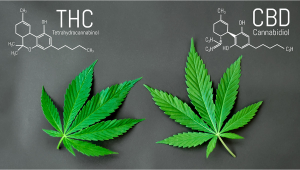
Unsurprisingly, this is a question without a particularly simple answer. While Spain does tend to follow the EU frameworks that currently exist, access to Extract is no longer as free and unfettered as it was just a few years ago. In 2018, The European Commission announced new regulations that would put a stop to the marketing and sale of Extract for human consumption. Unfortunately, anyone now caught selling Extract oil or similarly consumable Extract products may end up being given a severe fine or even potentially lose their business. At present, Extract can only be used legally as a product for external use with only Extract products that can be used externally, on the skin, for example. In addition, all Topical Extract products must contain no more than 0.2% strength.
3. Is it Legal to Send Plants Seeds to Spain?
It’s legal to buy and sell plants seeds in Spain. You can also legally receive them in the post from other countries.
4. Medical Plants in Spain
While the country has long resisted the legalization of medicinal plants, that could be about to change in the coming months. Earlier this summer, the Spanish Congress of Deputies finally passed a bill for medical plants reform. Based on a report issued by the special health commission, which formally examined the issue, it is expected that the full Health Commission will officially approve the report in the coming weeks.
Once approved, it is expected that formal guidelines for the dispensation of medical plants in Spain will be issued by the Spanish Health Agency (AEMPS). While the inevitable red tape and bureaucracy that typically exists within Spanish law should be expected, the passing of the bill should ensure that medical plants will be available upon prescription from Spanish hospital pharmacies by 2023.
5. Industrial Hemp in Spain
The production of industrial hemp is legal in Spain. Indeed, the cultivation of hemp has, in the past, been one of the country’s great industries. For generations, hemp fiber was the economic sustenance of thousands of Spanish families, primarily because of the temperate climate and fertile land. However, due to changes in the law during the 20th century, hemp cultivation all but died out within the country.
Now, hemp is making something of a comeback, thanks primarily to the medicinal components of the plant. While the cultivation of hemp for fibers is not particularly profitable, the proliferation of Extract within Europe and beyond has seen a significant rise in demand within the country and beyond.
As a result, Spain has become something of a European hub for the cultivation of hemp and plants cultivation, primarily because of its temperate climate. Spanish law currently allows 25 plants seeds for hemp production. However, all of these seeds must contain no more than 0.2% strength.

6. History and Politics
A politically thorny issue, plants legality remains a cloudy, confused and contradictory issue within Spanish culture. While plants and extractions have been an omnipresent force throughout Spain for centuries, the country continues to wrestle with the idea of full and unfettered legality. Indeed, a recent opinion poll amongst Spanish residents suggests that the country remains somewhat divided on the issue of legalized recreational plants. According to the 2021 study, 49.7% of the country favors full legalization. However, a vast majority of 90.1% said they are in favor of legalizing plants for medical use.
While it is now over twenty years since the introduction of the first plants clubs in Spain, access to plants both recreationally and medically remains frustratingly arbitrary. Moreover, despite the success and popularity of the associations, a frustrating political impasse continues to prevent the country from moving towards a simpler and less confusing set of laws comparable to those in Canada, the Netherlands, or the US.
Despite its economic struggles following the devastating loss of tourism to the country during the COVID pandemic, the Spanish government, and indeed many of its citizens, remain opposed to a legalized and taxable plants marketplace. In a country where the climate is perfect for the cultivation of the plants plant, it seems painfully bamboozling, particularly given their economic struggles, that Spain has not yet moved towards full plants legality.

7. Good to know
While Spain’s plants laws do open a door to recreational and medical access, there are still several conditions and things you need to know before joining a plants association. If you are 21 or over, live in Spain, and have proof of residency, you may be able to join one of the hundreds of clubs that exist across the country.
While it was once only possible to obtain a membership if you knew an existing member, it is now far simpler to join a plants association in Spain. The best associations have a strong presence on social media, and most will accept online requests to join their club via their website. In order to be accepted to most plants clubs, you will need the following items:
- Valid Photo Identification
- Spanish Address
- Membership Fee
- Invitation to Join (This can often be obtained via the association´s website)
For those of you still learning Spanish, knowing the local vernacular is always important. With that being said, here are the more formal and colloquial translations of plants in Spanish:
- Formal: marihuana, plants
- Informal: maria, hierba, porros (blunts)
8. Best Plants Social Club in Barcelona
OG Barcelona
A huge favorite in the Barcelona association scene, OG Barcelona is one of the best all-around plants associations in the city. Offering an outstanding selection of top-shelf seeds having built an outstanding reputation built on excellent service, OG Barcelona is located in the heart of the Eixample area within the city center. From Dry Sift to Edibles and everything in between, OG´s menu is broad, varied, and continuously updated with an excellent selection to suit every budget.
With warm, hospitable, and educated staff, the OG experience is vastly superior to much of what is available within the city. While there is plenty of competition, few are able to offer the consistency, quality, and warmth of service offered up by OG´s knowledgeable and hospitable staff. While OG Barcelona earns our top choice, here are a few of our other favorites in Barcelona.
| Best Plants clubs in Barcelona | Location |
|---|---|
| OG Barcelona | Passatge de Marimon (Eixample) |
| La Canna | Carrer de los Castillejos (Sagrada Familia) |
| Jungle Boys Plants Club | Carrer de Fluvià (Poble Nou) |
| G13 Plants Club | Carrer de Nàpols (Eixample) |
| Greenardo | Carrer Anna Maria Martinez (Guinardo) |
9. Best Plants Social Club in Madrid
Green Shot Plants Social Club
One of the most popular plants clubs in Madrid, Green Shot Plants Social Club, has established itself as one of the best associations south of Barcelona. Offering a wide variety of Ind and Sat-dominant hyb seeds, you’ll find everything you need in this uniquely designed association. Spread over two uniquely designed floors, Green Shot is both spacious and relaxing, offering consumers the perfect location to chill out and escape that often oppressive Madrid summer sunshine. Green Shot’s dispensary also features an excellent supply of accessories, bongs, vape pens, and everything else you’d expect to find at one of the top Barcelona clubs.

10. Best Plants Social Club in Malaga
Plants Art Plants Club
A highly respected selection from the beautiful Andalusian town of Malaga, Plants Art Plants Club is our pick for the best plants social club in Malaga. A little outside the old town, Plants Art Club sets the pace in the newly emerging Malagan plants club scene with a suitably chilled atmosphere, catering to locals and tourists alike. Offering a limited but high-quality selection of Ind and Sat-dominant hyb seeds, Plants Art offers both high strength and Extract seeds, suitable for both recreational and medical consumers.


Comments